Guide · Baseball Caps
Why the Cheapest Part of a Cap Is the Reason It Sells
A cap's embroidered logo costs a fraction of a cent per unit once amortized — yet it's the entire reason the product sells. Here's the real economics of cap branding.
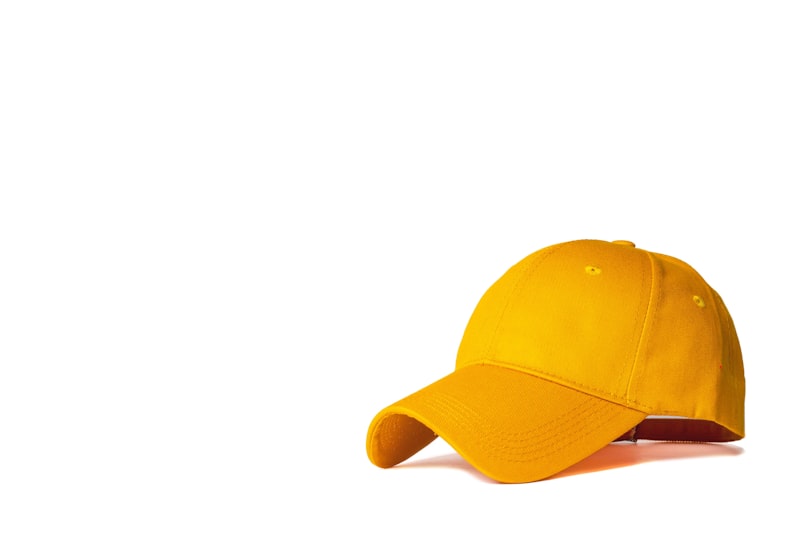
Here's a number worth sitting with: on a 300-unit cap run, the embroidery setup fee for your logo — the single design element that defines the entire product — works out to roughly 13 cents per cap. That's the real economics behind why the baseball cap has become the default brand-launch vehicle for everyone from Supreme to Balenciaga.
- $0.05–$0.13
- Setup fee/cap
- $0.40–$0.80
- Embroidery/cap
- <$1
- Total logo cost
How the math actually works#
Embroidery digitization carries a one-time setup fee of $15–$40 per design. Spread across a 300-unit run, that's $0.05–$0.13 per cap. The embroidery itself adds another $0.40–$0.80 per unit for flat embroidery. Combined, you're looking at well under a dollar per cap for the single element that carries almost the entire brand message.
The cheapest part of a cap is the entire reason it sells.
Embroidery setup: ~13 cents per unit at a 300-unit run.
Why this ratio doesn't exist anywhere else in fashion#
Compare that to a T-shirt, where the printed graphic might cover a large surface area and cost proportionally more, or a jacket, where branding is one detail among many construction decisions. A cap is small, inexpensive to produce, and almost entirely defined by one visual element — the front-panel logo.
The commercial pattern this creates#
| Register | Example | Signal |
|---|---|---|
| Streetwear | Supreme, Palace | Resale on early Supreme Box Logo caps: $200–$1,000+ |
| Sport/heritage | New Era | 30+ million caps sold annually, same 1954 construction blueprint |
| Luxury | Balenciaga, Gucci, Prada | Identical construction to commercial caps; cost sits in materials/hardware, not logo |
What this means if you're building a brand#
Your cap's margin isn't threatened by investing properly in logo digitization or choosing 3D puff over flat embroidery — those choices add cents, not dollars. Where the real cost sits is fabric quality, hardware, and CMT tier.
The takeaway#
If budget is tight, the logo application is the last place to cut corners, because it's also the cheapest part of the entire build.
Powered by Sparkit — CMT and branding economics across 13+ material categories.