Guide · Jersey Basics
The Fit-Trial Mistake That Turns a Bodysuit Into a Returns Problem
A dress form doesn't sit, walk, or bend. Snap placement and crotch depth determined on a dress form instead of a real body is the root cause of most bodysuit returns.
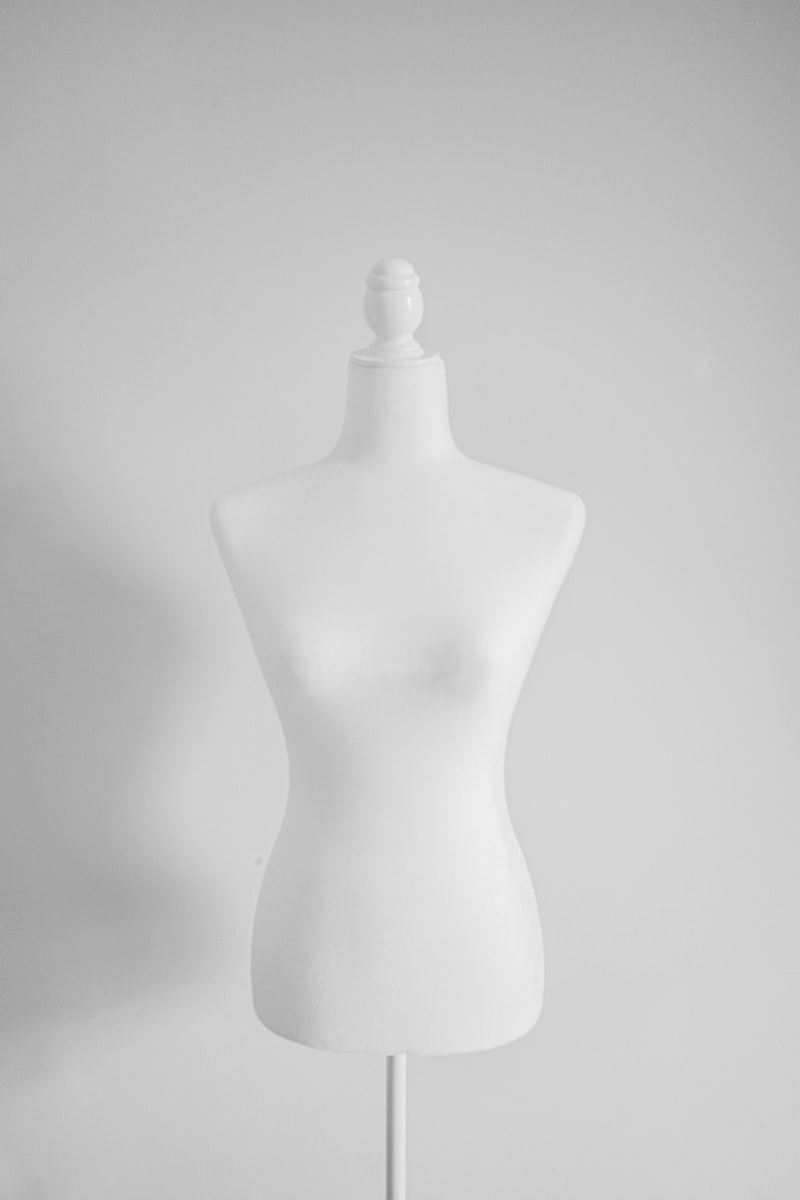
A bodysuit that looks perfect on a dress form can still pull, gap, or ride up on a real body — and the reason is almost always the same: the crotch depth and snap placement were validated on a static mannequin instead of a person who actually moves.
Why the dress form isn't enough#
A dress form doesn't sit, walk, or bend. Snap placement determines crotch depth: too far forward and the crotch seam pulls up uncomfortably; too far back and the snap becomes inaccessible. Neither problem shows up on a form standing still — both show up the first time a real wearer sits down.
A bodysuit that fits a dress form but pulls or gaps on a body is a returns product.
What correct validation looks like#
Snap placement and crotch depth must be determined by fit trial on a live body, across the size range you're producing — not extrapolated from a single sample size. Wear-test the sample by sitting and standing repeatedly; the gusset must not migrate or cause discomfort.
The takeaway#
If a factory offers to approve fit off a dress form alone to save a sampling round, that's the shortcut most likely to show up later as a returns pattern. Insist on a live fit trial across the size range before bulk approval.
Powered by Sparkit — QC standards and fit validation across 13+ material categories.