Guide · Footwear
Why Your "Leather Flats" Wear Through in Weeks
The most common ballet flat quality complaint traces back to one spec decision: outsole material and thickness. Here's what to specify instead.
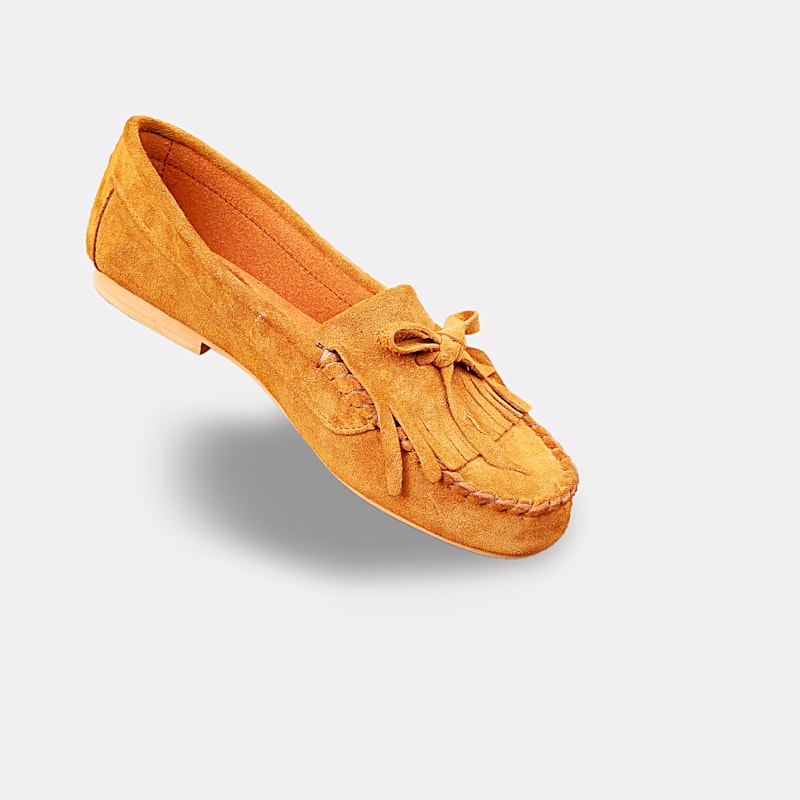
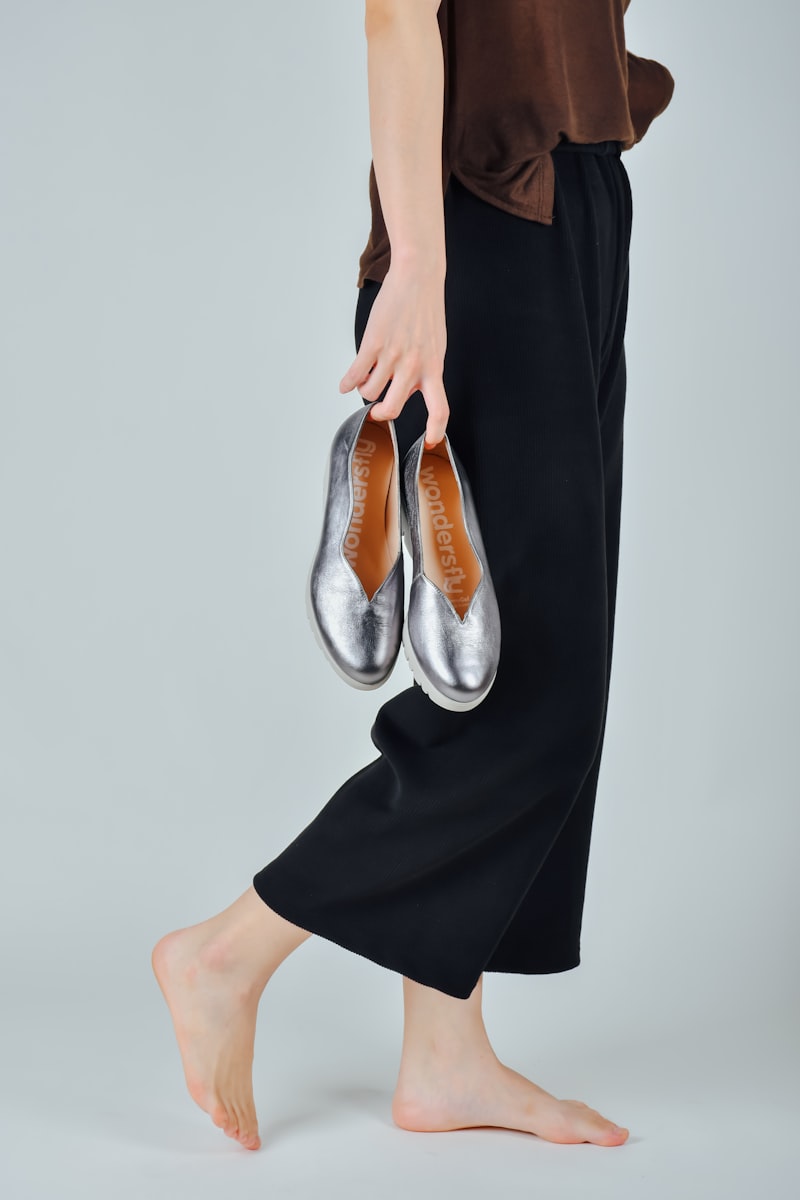
A flat that looks beautiful in product photography and falls apart within weeks of real wear traces back to one decision almost every time: what the outsole is actually made of, and how thick it is.
The mistake#
A fashion flat with a thin, soft sole is designed for editorial use, not for someone walking on it every day. EVA foam — soft, cheap, and common in casual footwear — is too soft to survive sustained contact with urban pavement, and a sole under 4mm wears through fast regardless of material.
Never specify EVA for the outsole of a flat worn on urban pavements.
What to spec instead#
| Spec | Value |
|---|---|
| Outsole material | Natural rubber |
| Minimum thickness | 5mm at ball of foot |
| Abrasion test | Taber abrasion, 1,000 cycles — max 0.4g loss |
The takeaway#
Sole thickness is the primary quality signal in a ballet flat — get it right and the shoe survives real wear; get it wrong and you'll see it in returns and reviews within a month of launch.
Powered by Sparkit — QC standards and failure-mode intelligence across footwear categories.