Made to orderMinimum 50

Porcelain Cup & Saucer

Drinkware
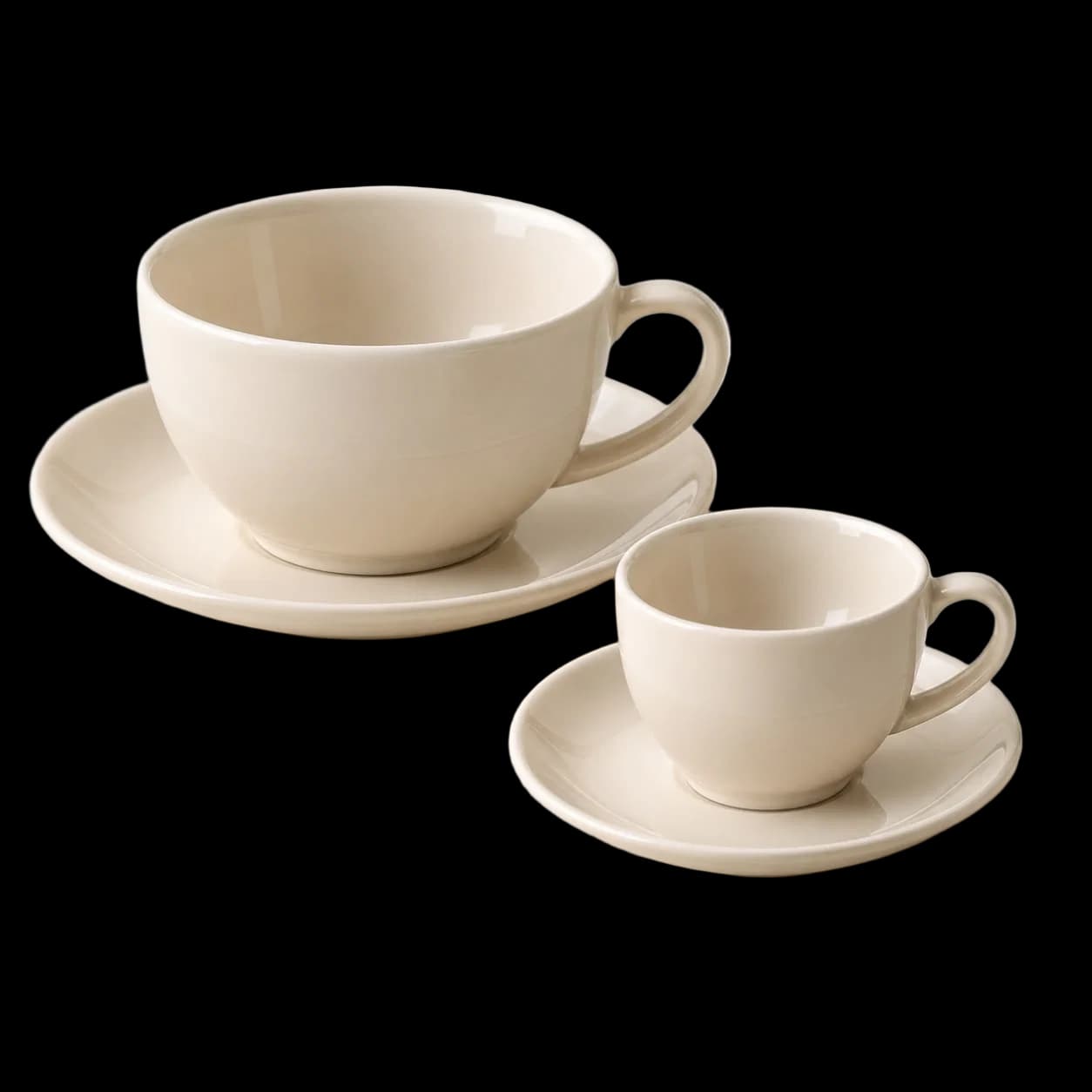
Porcelain Cup & Saucer, flat front
Flat front
GradePer unit at 100
EssentialEveryday fabric, honest craft$2.58
ColourCream
QuantityMinimum 50 · fewer is a sample

Add 200 more to pay $2.58 / unit.

Customise

Gabi designs your changes in the Studio, then you order the finished piece. ORDER below makes it as shown.

Delivery
Lead time confirmed with your orderShipping is priced at checkout from your address.
Essential · Cream × 100$2.58 / unit
ShippingAt checkout
Total, before shipping$258
Get a team quote

What's included at $2.58

  • Porcelain Cup & Saucer, Essential grade
  • Made to order in Cream
  • Your size run, as set above
  • Replaced if anything arrives faulty

Shipping is priced at checkout from your address.

Make it yours

Your logo on the chest, a woven label, a back print, a colour from your brand book: Gabi designs the changes with you in the Studio and prices the finished piece before you order it. Your logo file goes on as you supply it.

Replaced if faultyMade to order, so no change-of-mind returns. Anything that arrives damaged or defective, we make right.
Try one firstOne unit in Essential, made like the run, through the same checkout.

The cup has a rounded bowl that widens toward a wide, open rim, narrowing to a small circular foot. A looped handle projects from one side, forming a closed curve. The saucer is a shallow, circular dish with a raised rim and a recessed center that holds the cup's base.

Specs

GradeEssential
Main Fabric100% Porcelain, 2000gsm
Minimum order50 units
Catalog

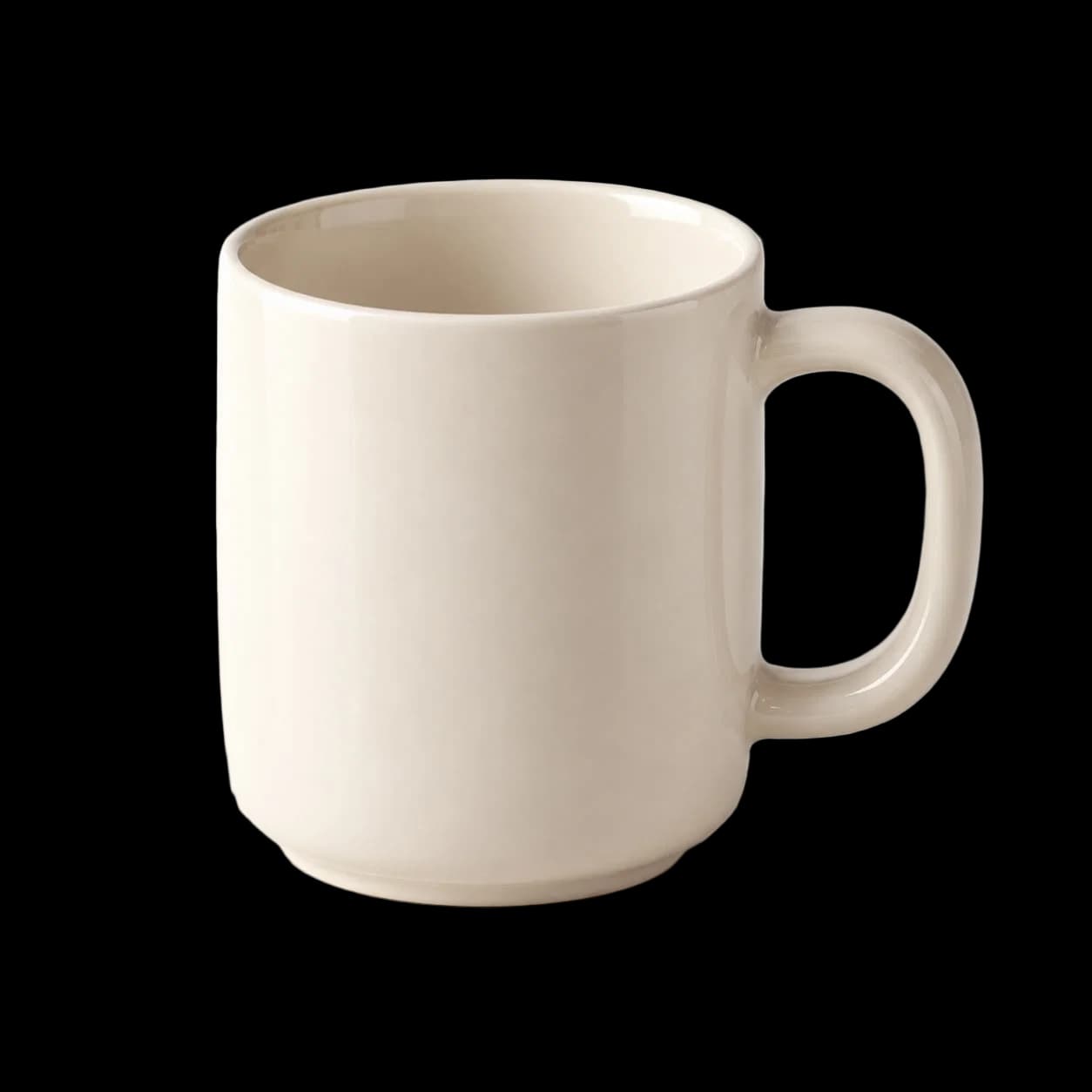
In 18th-century England, what you drank tea from marked exactly where you stood socially: fine porcelain cup and saucer for polite company, a plain earthenware mug with no saucer at all for everyday and working-class use.

Josiah Wedgwood and the other Staffordshire potters mass-produced both side by side, and the split survives almost unchanged today — a cup and saucer still signals a slower, more formal occasion, while a mug is what actually sits on a desk.

Read the story
Catalog

The story of the Porcelain Cup & Saucer

In 18th-century England, what you drank tea from marked exactly where you stood socially: fine porcelain cup and saucer for polite company, a plain earthenware mug with no saucer at all for everyday and working-class use. Josiah Wedgwood and the other Staffordshire potters mass-produced both side by side, and the split survives almost unchanged today — a cup and saucer still signals a slower, more formal occasion, while a mug is what actually sits on a desk.

18th century EnglandCup-and-saucer vs. mug divideStaffordshire potteries mass-produced formal porcelain cup-and-saucer sets alongside plain earthenware mugs for everyday use
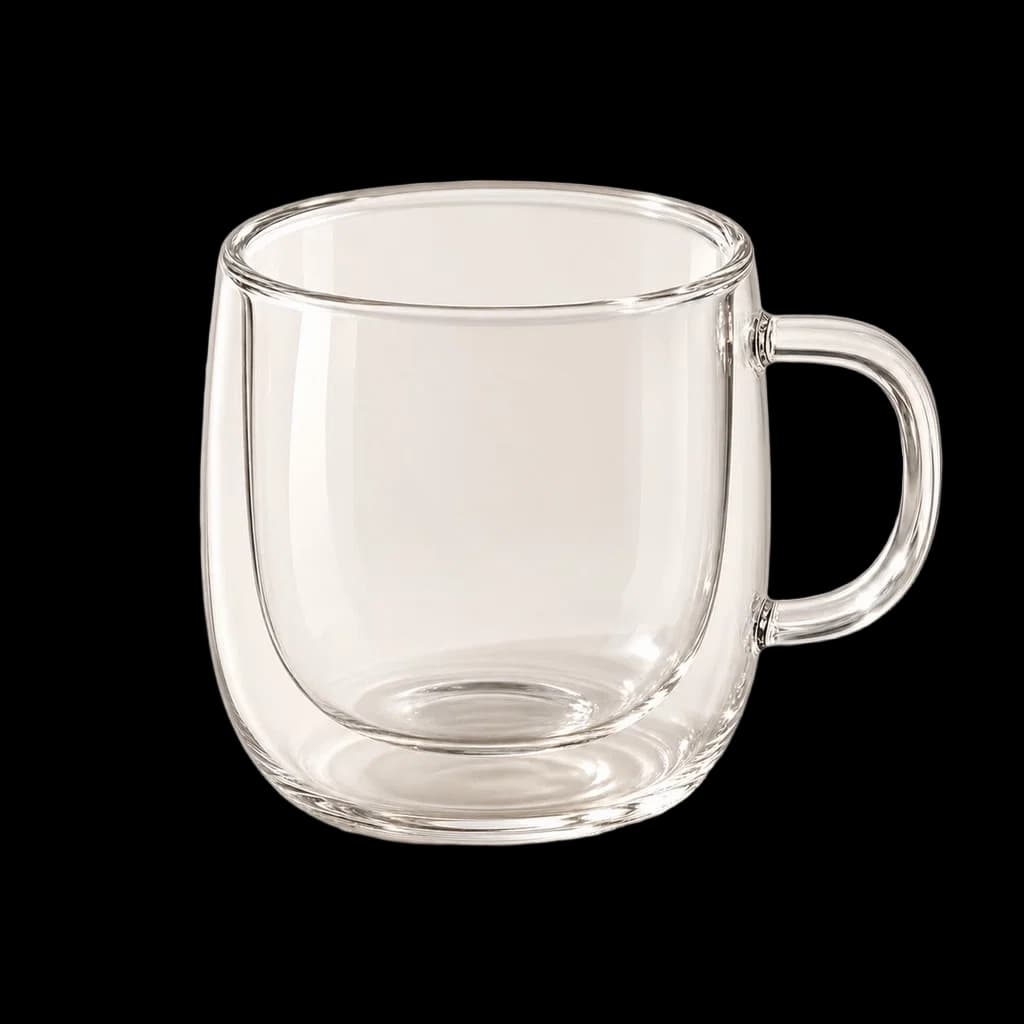
Insulating air gapDouble-wall glass functionTwo glass layers trap air between them, keeping a hot drink's cup cool to hold while remaining visible
20th-century convenienceTea infuser additionA built-in strainer basket lets loose-leaf tea steep directly in the mug without a separate pot

A Class Divide in Clay

Staffordshire potteries mass-produced formal porcelain cup-and-saucer sets alongside plain earthenware mugs, a divide that still shapes how the two formats are perceived today.

Double-wall glass construction creates an insulating air gap between two glass layers, letting a cup hold a hot drink without becoming too hot to hold while still showing the drink's color.

Tea infuser mugs build a strainer basket directly into the cup, letting loose-leaf tea steep without a separate pot or strainer — a 20th-century convenience addition to the basic mug format.

Ceramic is thicker and more heat-retentive; porcelain is thinner and reads as more formal; glass shows the drink but conducts heat faster, requiring double-wall construction to stay comfortable to hold when hot.

Questions

Ceramic mugs fall under HS 6912; glass drinkware falls under HS 7013. Confirm per SKU, since ceramic and glass are classified under entirely different chapters.

100 × Essential · Cream

$258