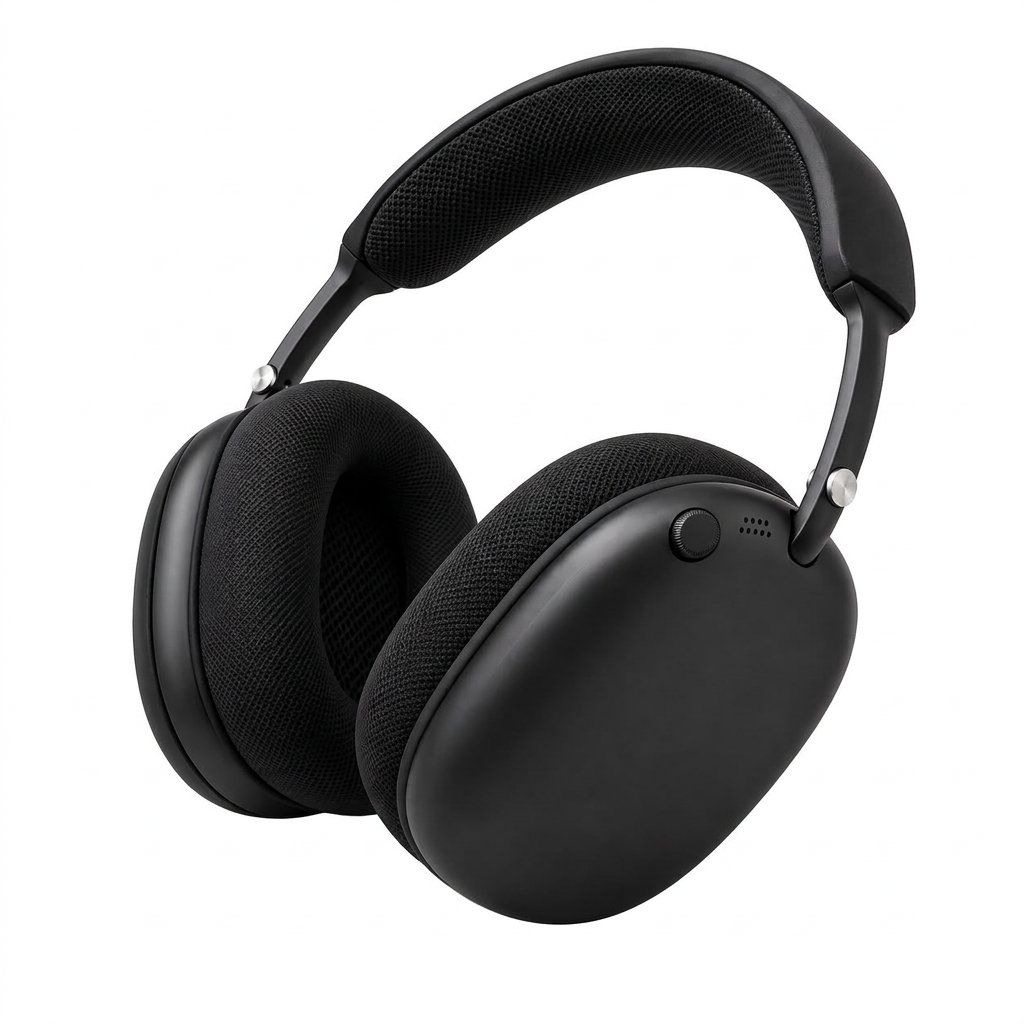
Over-Ear Headphones
Bluetooth is named after Harald "Bluetooth" Gormsson, the 10th-century Danish king who united Denmark and Norway under one crown — the Ericsson engineers who invented the wireless standard in 1994 chose the name because their technology was meant to unite competing communication protocols the same way. It took another two decades before a truly wireless earbud, with no cord between the two ears at all, appeared as a mainstream consumer product, once battery and chip miniaturization finally caught up to the ambition.
The same factories that produce for houses like Celine and Balenciaga can produce this piece, directly to you
GABI
Make it yours
Material gradeMOQ 50
Colour
Over-Ear Headphones
Bluetooth is named after Harald "Bluetooth" Gormsson, the 10th-century Danish king who united Denmark and Norway under one crown — the Ericsson engineers who invented the wireless standard in 1994 chose the name because their technology was meant to unite competing communication protocols the same way. It took another two decades before a truly wireless earbud, with no cord between the two ears at all, appeared as a mainstream consumer product, once battery and chip miniaturization finally caught up to the ambition.
The same factories that produce for houses like Celine and Balenciaga can produce this piece, directly to you
GABI
Make it yours
Material gradeMOQ 50
Colour
Bluetooth is named after Harald "Bluetooth" Gormsson, the 10th-century Danish king who united Denmark and Norway under one crown — the Ericsson engineers who invented the wireless standard in 1994 chose the name because their technology was meant to unite competing communication protocols the same way. It took another two decades before a truly wireless earbud, with no cord between the two ears at all, appeared as a mainstream consumer product, once battery and chip miniaturization finally caught up to the ambition.
A Viking King's Name for a Wireless Standard
Bluetooth's naming traces to a 10th-century Danish king known for uniting rival kingdoms, chosen to reflect the standard's goal of unifying communication protocols.
Over-ear headphones split into closed-back (isolates outside noise, standard for commuting and office use) and open-back (wider, more natural soundstage, but leaks sound both ways, suited to quiet home listening).
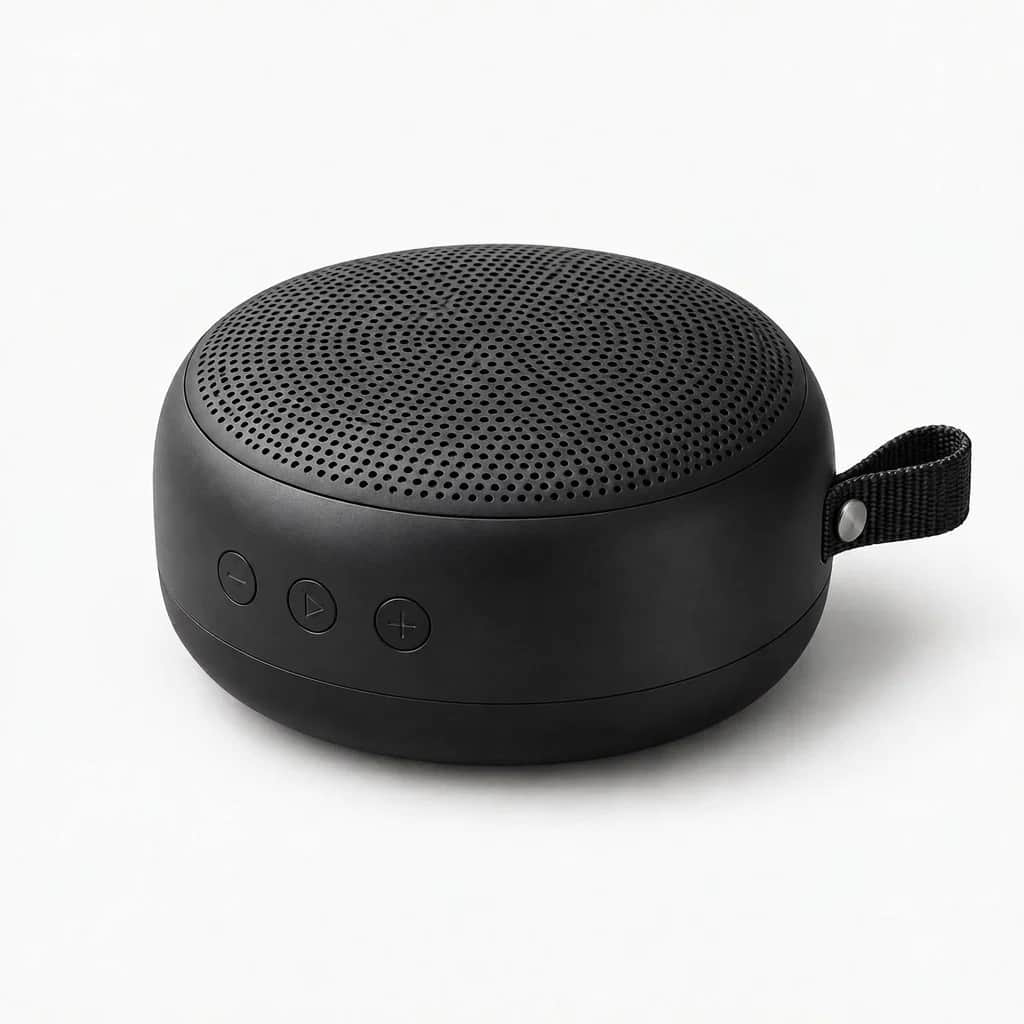
Bluetooth speakers rely on driver and passive radiator configurations to produce real bass in a small housing, and IPX water-resistance ratings have become an increasingly standard spec for portable use.
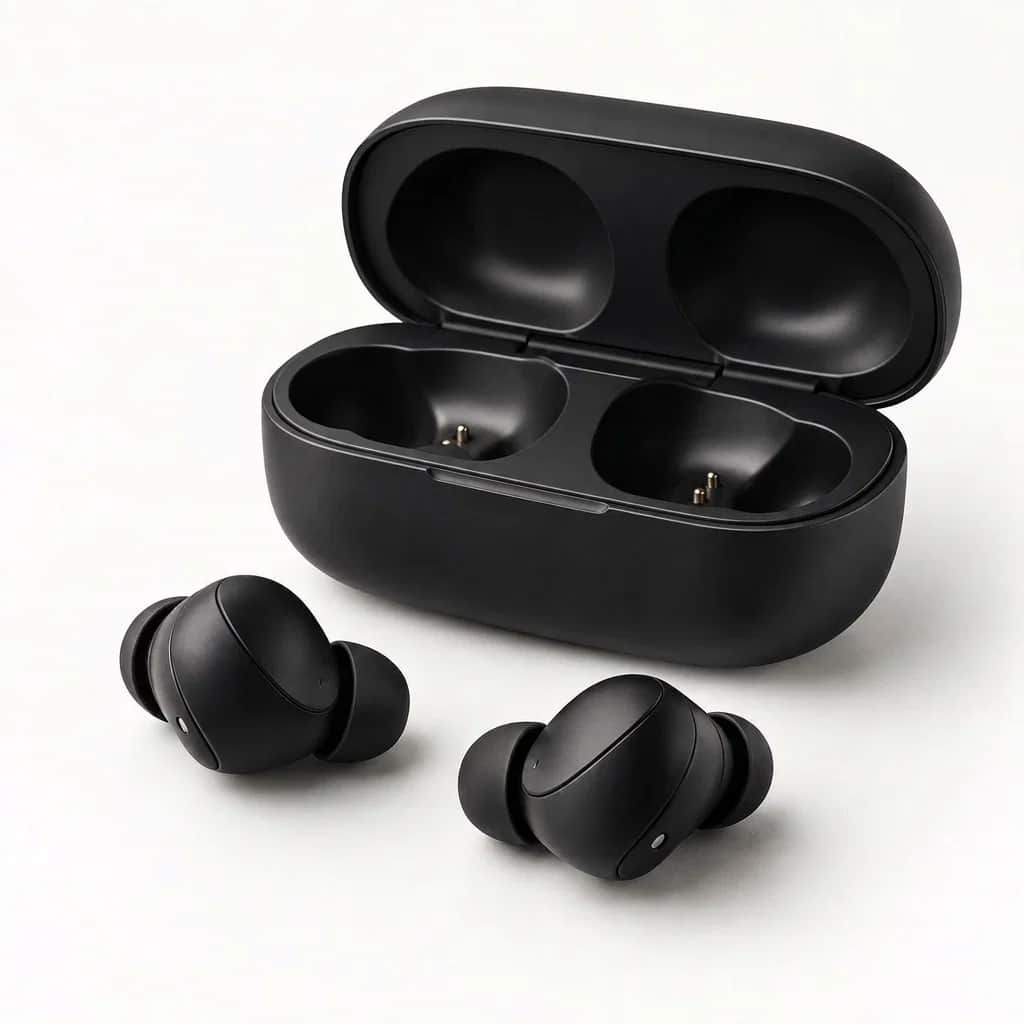
True wireless earbuds run each earbud as an independent unit with its own chip and battery, which is why they lose charge faster than a wired alternative and depend on a charging case for topping up through the day.
FAQ
A basic Bluetooth speaker (China, 300–500 unit run) lands around $8–15; over-ear headphones run $12–25; true wireless earbuds with a charging case run $15–30, driven by the chip and battery in each earbud plus the case.
Closed-back for noise isolation and use in shared or noisy environments; open-back for a more natural, spacious sound in quiet home listening, accepting that sound leaks out and background noise leaks in.
IPX4 for light splash resistance suited to kitchen or patio use; IPX7 for full submersion resistance suited to pool or beach use. Confirm the rating explicitly, since "water-resistant" alone doesn't specify the level.
Typically 300–500 units per model and color, since the internal electronics (chipset, driver, battery) are sourced in batches that need volume to be cost-effective.
Each earbud is a self-contained device with limited internal battery space, so charge lasts only a few hours; the case recharges them between uses and extends total usage to a full day or more.
Newer versions (5.0+) offer better range, lower power consumption, and lower latency than older versions; specify at least 5.0 for a modern product, since older chipsets are being phased out by component suppliers.
Bluetooth speakers and headphones generally fall under HS 8518. Confirm the specific subheading based on whether the device includes a battery, as that can affect classification and shipping documentation.