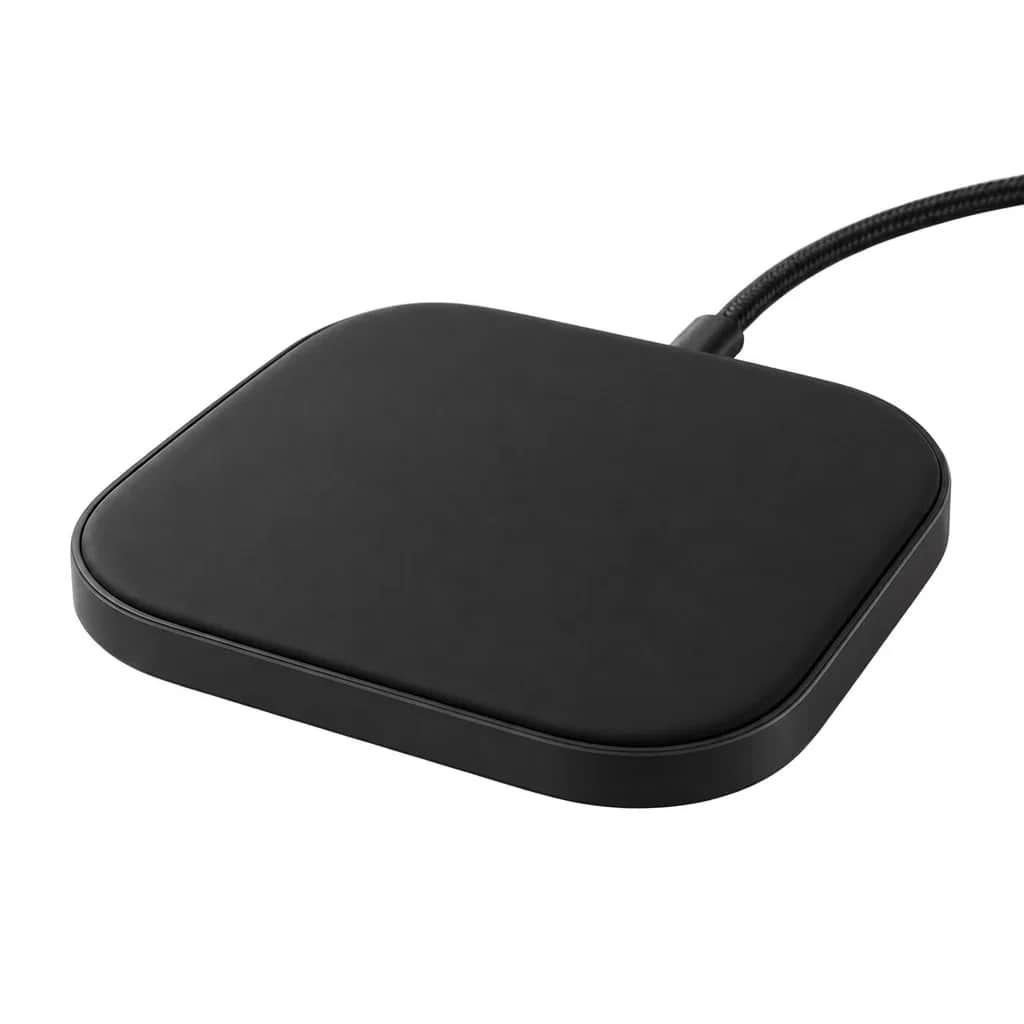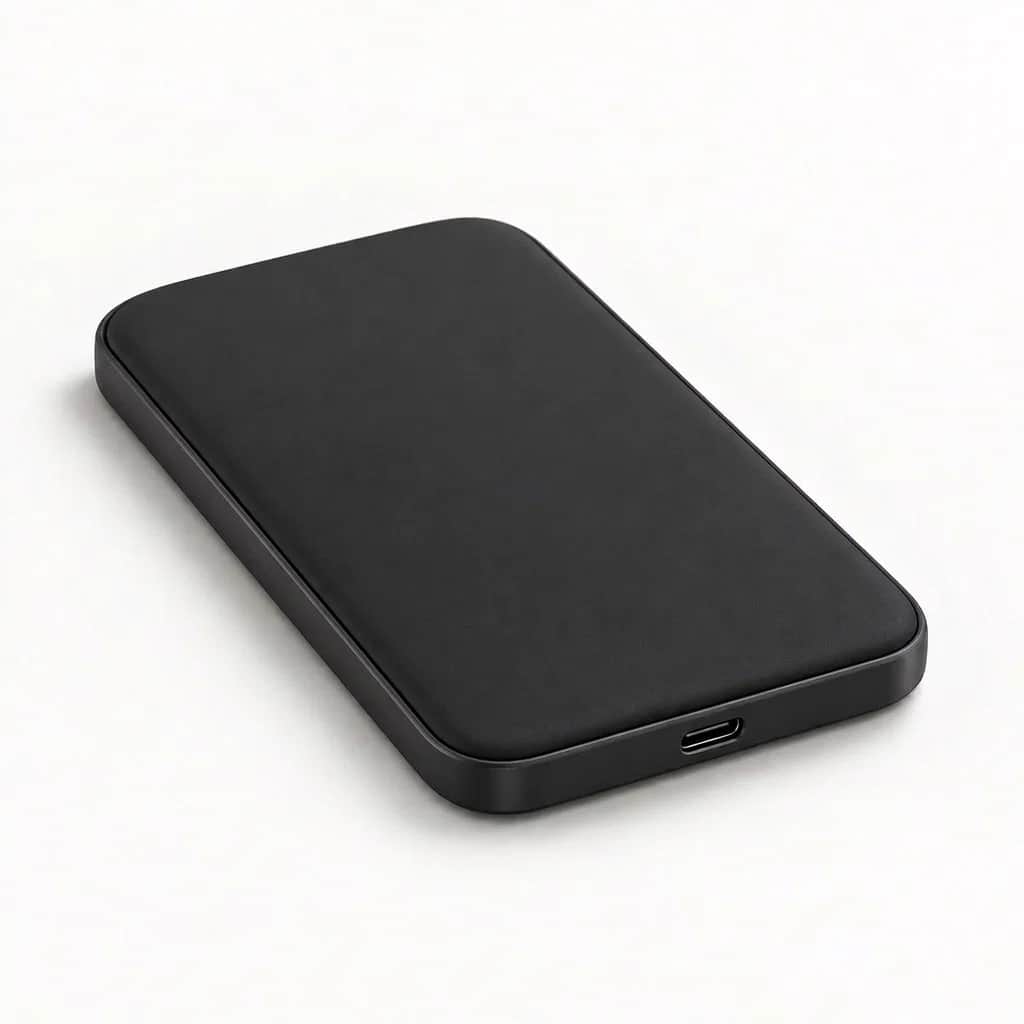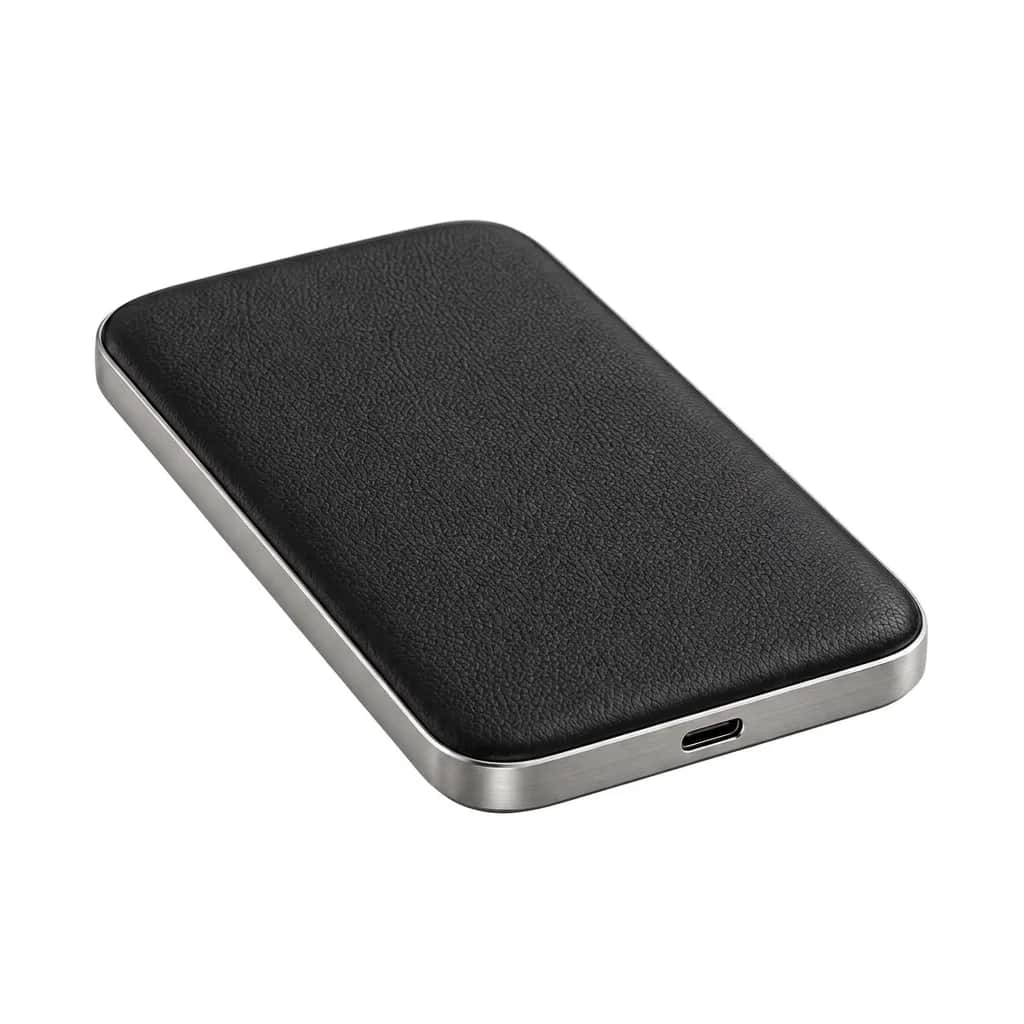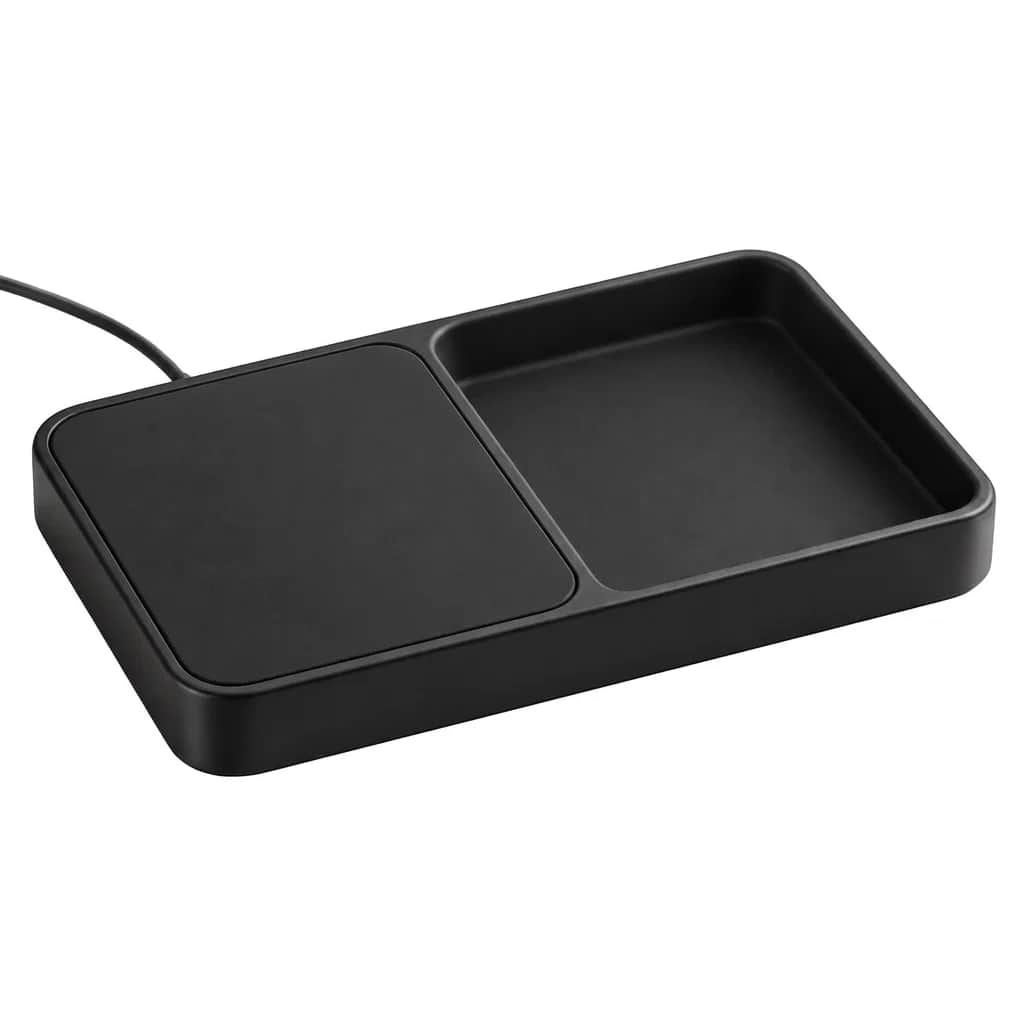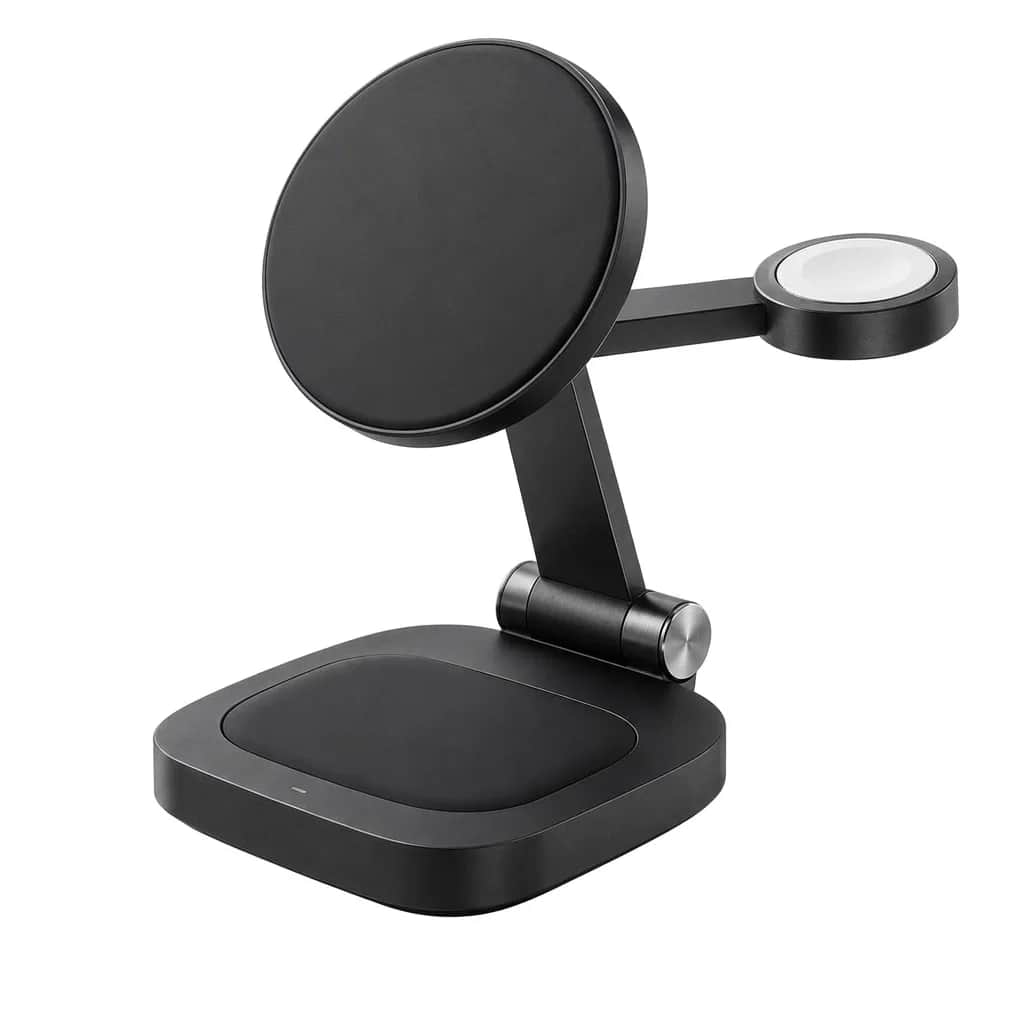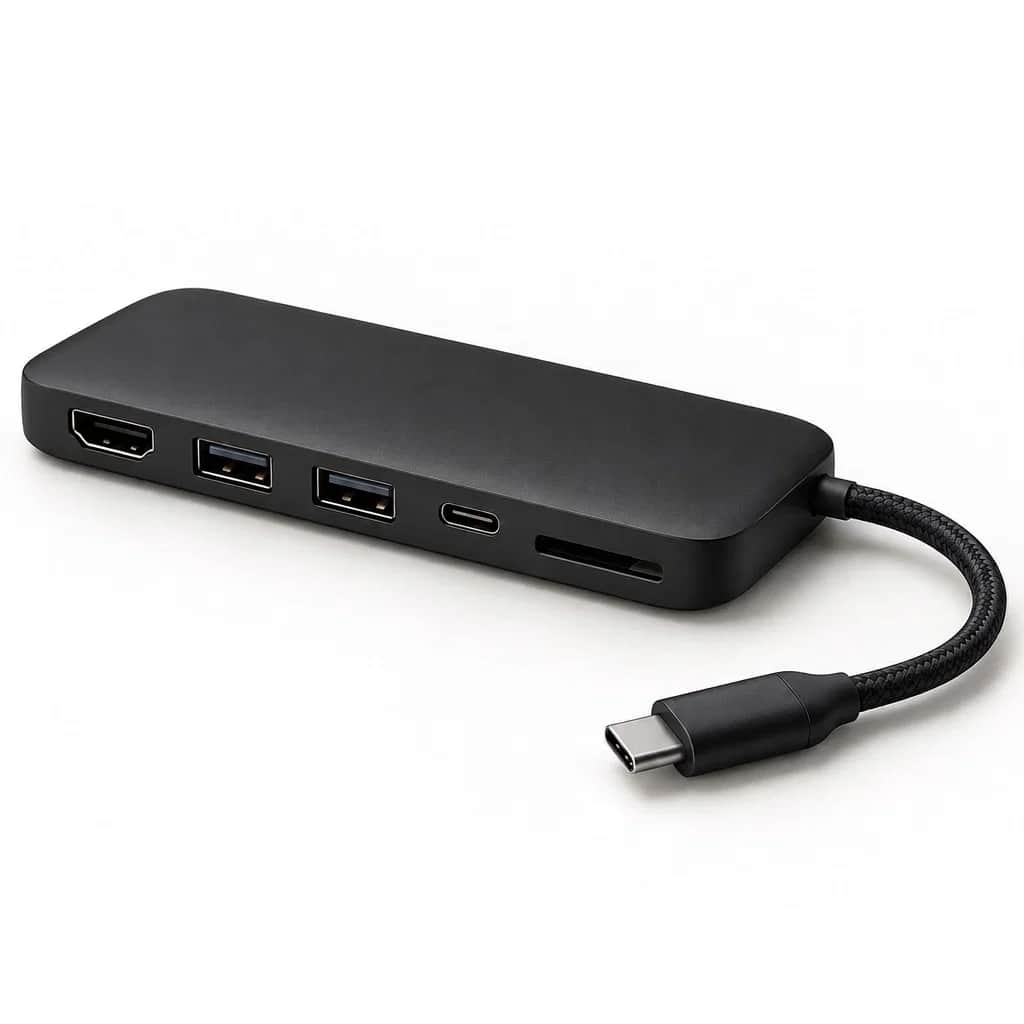
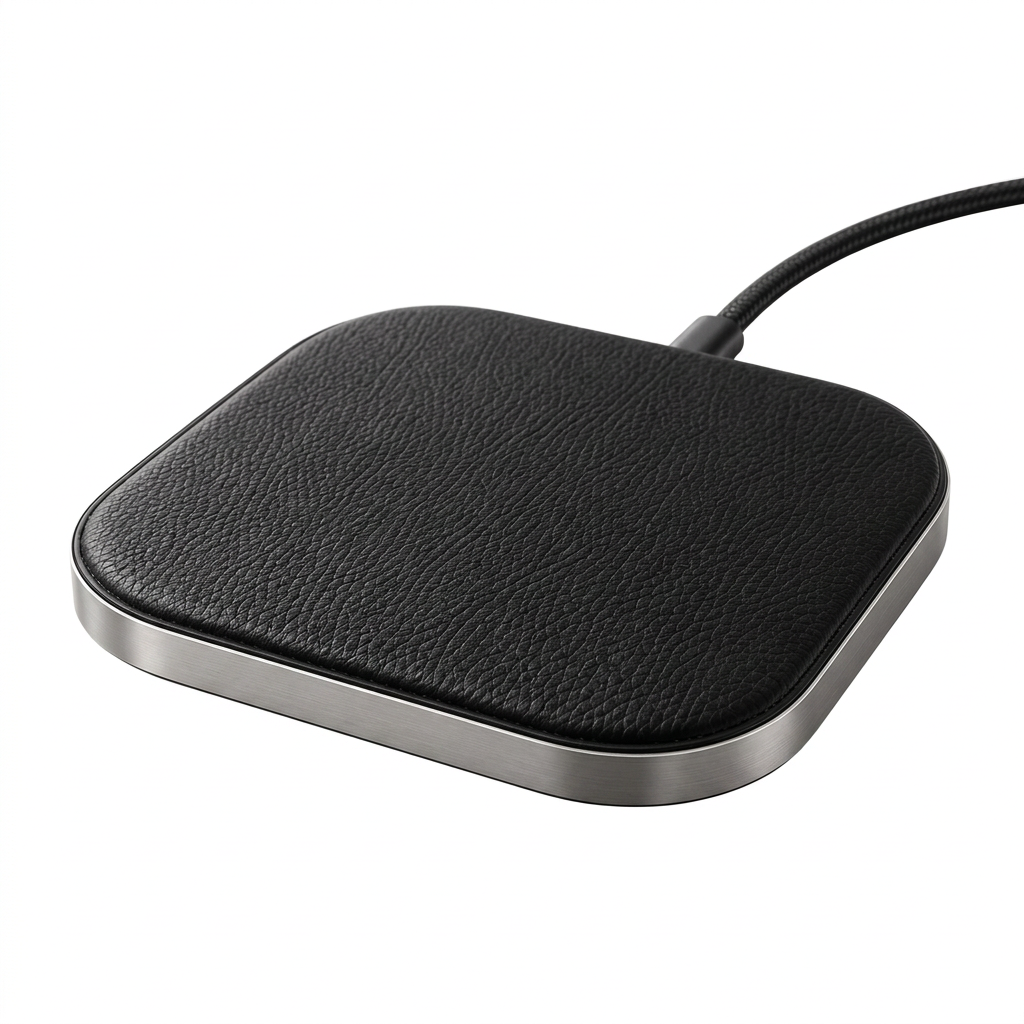
Wireless Charging Pad — Leather
The Qi wireless charging standard was established in 2010, using electromagnetic induction, the same core principle that has charged electric toothbrushes since the 1990s, but almost no one bought a wireless charging pad until Apple added Qi support to the iPhone in 2017. The underlying technology sat mostly unused in accessory drawers for seven years, waiting for one company's decision to make it worth owning.
The same factories that produce for houses like Celine and Balenciaga can produce this piece, directly to you
GABI
Make it yours
Material gradeMOQ 50
Colour
Wireless Charging Pad — Leather
The Qi wireless charging standard was established in 2010, using electromagnetic induction, the same core principle that has charged electric toothbrushes since the 1990s, but almost no one bought a wireless charging pad until Apple added Qi support to the iPhone in 2017. The underlying technology sat mostly unused in accessory drawers for seven years, waiting for one company's decision to make it worth owning.
The same factories that produce for houses like Celine and Balenciaga can produce this piece, directly to you
GABI
Make it yours
Material gradeMOQ 50
Colour
The Qi wireless charging standard was established in 2010, using electromagnetic induction, the same core principle that has charged electric toothbrushes since the 1990s, but almost no one bought a wireless charging pad until Apple added Qi support to the iPhone in 2017. The underlying technology sat mostly unused in accessory drawers for seven years, waiting for one company's decision to make it worth owning.
A Decade-Old Standard Nobody Used Until One Phone Adopted It
Qi charging existed for years before mainstream phone adoption made it a worthwhile accessory purchase.
Charging pad wattage determines charging speed but also heat generation, which is why premium pads add a small internal fan or heat-dissipating material — a detail separating a basic pad from a genuinely fast-charging one.
A magnetic wireless power bank combines a battery with a MagSafe-style magnetic alignment ring, letting it snap directly onto a phone's back for charging on the move without a cable.
USB-C power banks are specified by capacity (mAh) and output wattage — a high-capacity bank with low output wattage will still charge a phone slowly despite having plenty of stored power.
FAQ
A basic wireless charging pad (China, 300–500 unit run) lands around $4–8; a magnetic wireless power bank runs $12–22; a USB-C power bank runs $8–18 depending on capacity.
5–10W for standard charging speed at lower cost; 15W or higher for fast charging, which typically requires added heat management to avoid throttling.
It includes a MagSafe-style magnetic ring that lets it snap directly onto a compatible phone's back for hands-free, cable-free charging, rather than relying on a cable or flat charging surface.
Typically 300–500 units per capacity and finish, since the internal charging electronics and battery cells are sourced in batches that need volume to be cost-effective.
Specify both explicitly — capacity in mAh determines how many charges it can deliver, while output wattage determines charging speed; a high-capacity, low-wattage bank charges slowly despite its size.
Leather for a premium desk or bedside look; technical (rubberized or matte finish) for better grip and resistance to slipping or scuffing on a desk.
These generally fall under HS 8504 (electrical transformers and converters) or HS 8507 (batteries, for power banks specifically). Confirm per SKU, as battery-containing products may also require additional shipping documentation.