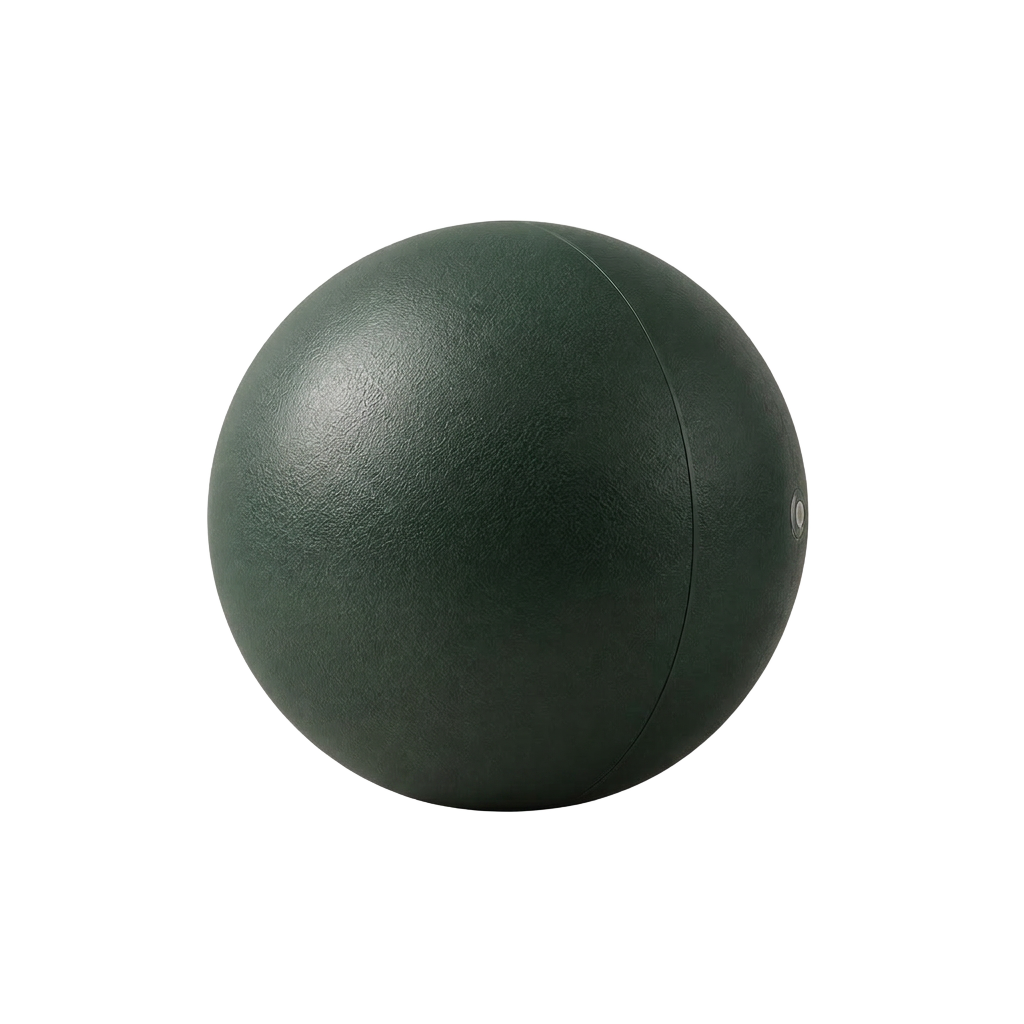
Pilates Ball
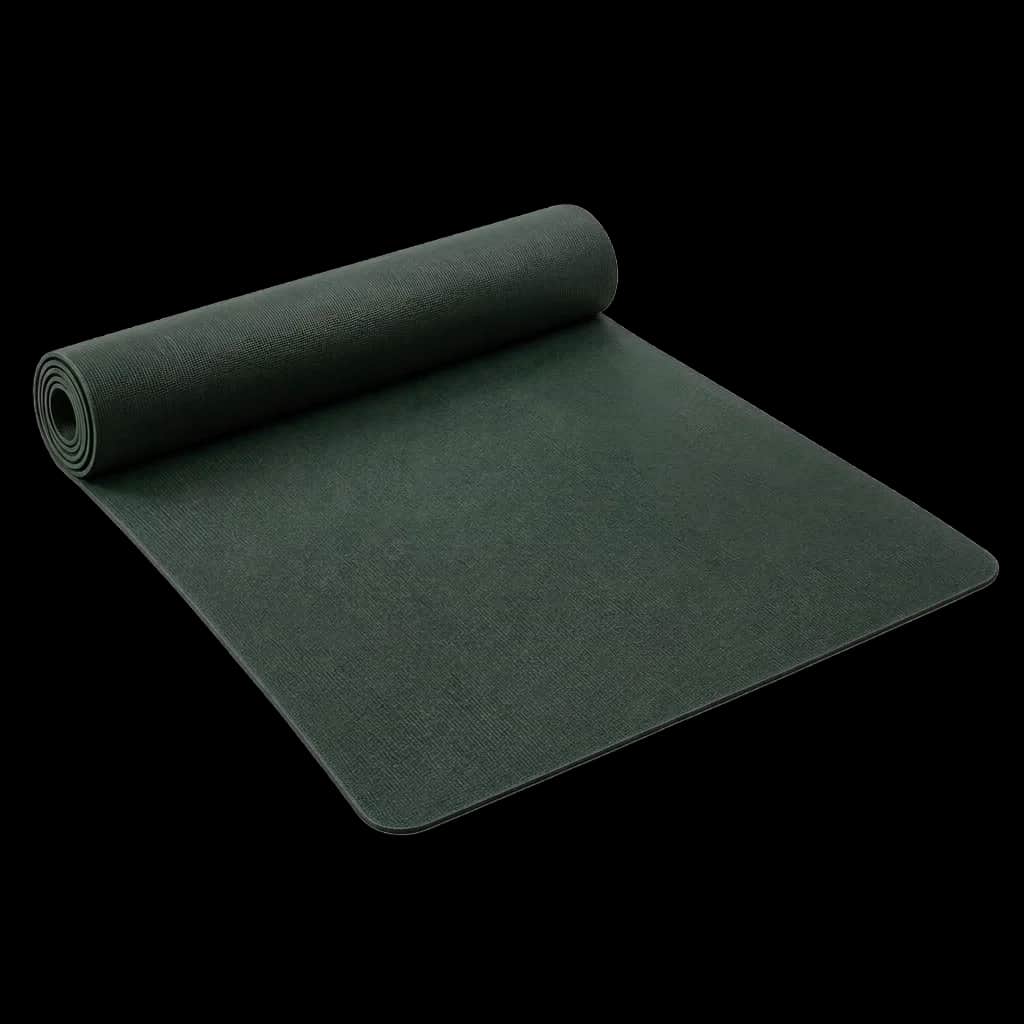
In the early 1980s, yoga teacher Angela Farmer grew frustrated with padding that slid across studio floors mid-pose. She cut a section from a rubber carpet underlay, gaffer-taped the edges, and discovered it gripped skin and floor alike. That improvised rubber mat became the template for a category that didn't formally exist yet — the yoga mat — and eventually the sticky-PVC standard that dominates studios today. The instinct behind it, adapting an industrial material for a smaller, more precise personal use, still shapes how the wider wellness-equipment category gets made.
The same factories that produce for houses like Celine and Balenciaga can produce this piece, directly to you
GABI
Make it yours
Material gradeMOQ 50
Colour
Pilates Ball
In the early 1980s, yoga teacher Angela Farmer grew frustrated with padding that slid across studio floors mid-pose. She cut a section from a rubber carpet underlay, gaffer-taped the edges, and discovered it gripped skin and floor alike. That improvised rubber mat became the template for a category that didn't formally exist yet — the yoga mat — and eventually the sticky-PVC standard that dominates studios today. The instinct behind it, adapting an industrial material for a smaller, more precise personal use, still shapes how the wider wellness-equipment category gets made.
The same factories that produce for houses like Celine and Balenciaga can produce this piece, directly to you
GABI
Make it yours
Material gradeMOQ 50
Colour
In the early 1980s, yoga teacher Angela Farmer grew frustrated with padding that slid across studio floors mid-pose. She cut a section from a rubber carpet underlay, gaffer-taped the edges, and discovered it gripped skin and floor alike. That improvised rubber mat became the template for a category that didn't formally exist yet — the yoga mat — and eventually the sticky-PVC standard that dominates studios today. The instinct behind it, adapting an industrial material for a smaller, more precise personal use, still shapes how the wider wellness-equipment category gets made.
From Carpet Underlay to Studio Standard
PVC foam became the default mat material through the 1990s and 2000s for its low cost, durability, and consistent grip, though it does not biodegrade and can carry a chemical odor fresh out of the mold. TPE (thermoplastic elastomer) emerged as a lighter, recyclable, odor-free alternative aimed at eco-conscious buyers, trading some durability for it. Natural rubber sits at the premium end — the best grip of the three, but heavier, pricier, and a latex-allergy risk that PVC and TPE avoid.
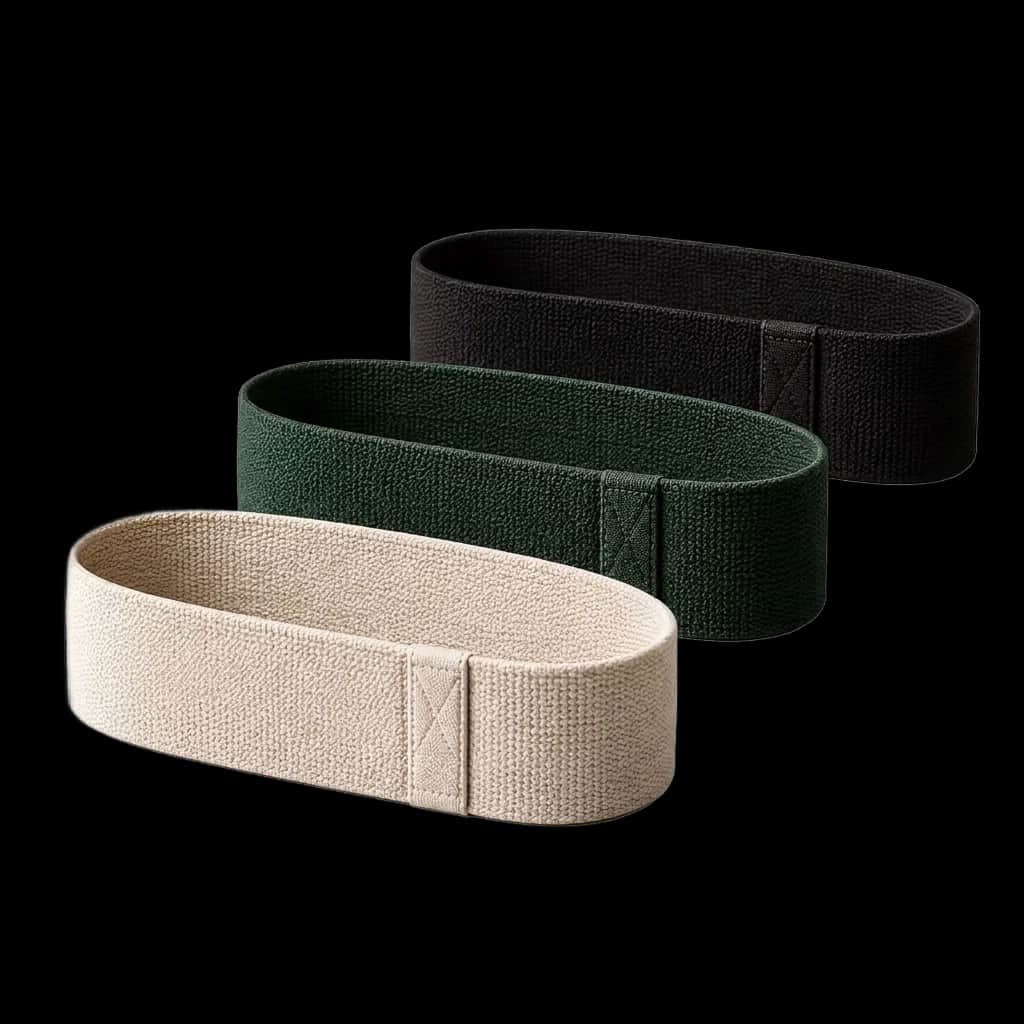
Resistance bands split along a similar line: natural latex is the cheapest and most elastic, but latex-sensitive users have pushed a meaningful share of the market toward TPE or fabric-sleeved bands, especially for corporate and hospitality gifting where the end user is unknown.
The Pilates ring has an unusually specific origin — Joseph Pilates built the first one in his New York studio in the 1960s from the padded steel rim of a beer keg, intended as resistance for rehabilitating dancers' injuries. The spring-steel or fiberglass core in today's rings is a direct descendant of that improvisation.
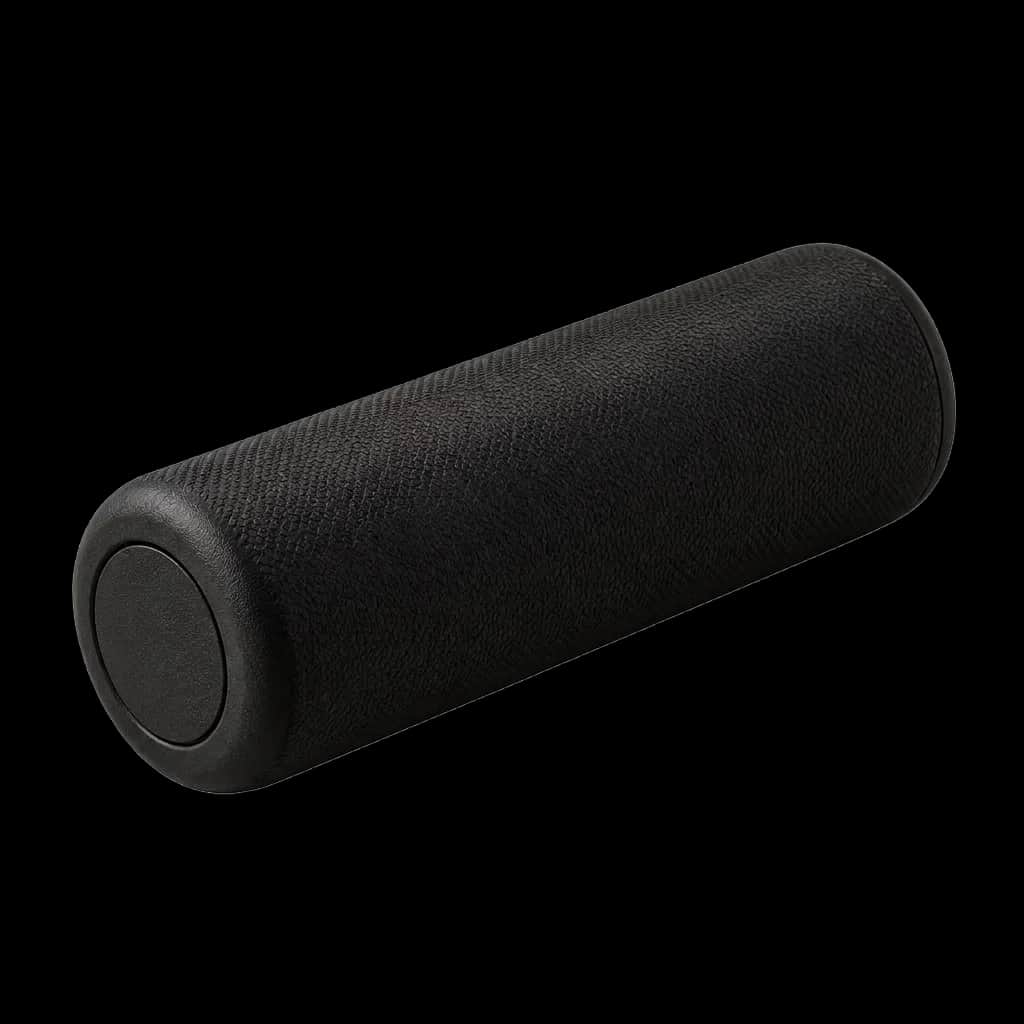
Foam rolling moved from physical-therapy clinics in the 1980s into mainstream gyms through the CrossFit-driven fitness boom of the 2000s, standardizing on EPP (expanded polypropylene) foam for its ability to hold density under thousands of compression cycles without collapsing.
FAQ
A standard 4–5mm PVC foam mat (China, 300–500 unit run) lands around $6–10; natural rubber or TPE mats targeting eco-conscious buyers run $12–20, driven by higher material cost and slower curing times for rubber compounds.
PVC is cheapest and most durable but not biodegradable and can carry a chemical smell out of the mold; TPE is lighter, odor-free, and recyclable but wears faster; natural rubber grips best and is the premium/eco choice but is heavier and a latex-allergy risk. Specify by name — "yoga mat" alone doesn't tell a factory which compound to quote.
EPP (expanded polypropylene) foam rollers typically require 500–1,000 units per density grade from Chinese factories, since the foam is compression-molded and the mold tooling is the main upfront cost; softer recovery-grade and firmer sports-grade densities use different molds.
Yes if selling into the US or EU wellness market — natural latex resistance bands are the cheapest and most elastic option, but a meaningful share of buyers have latex sensitivity, so many programs now specify TPE or fabric-covered bands instead. Always state the material explicitly in the spec, not just "resistance band."
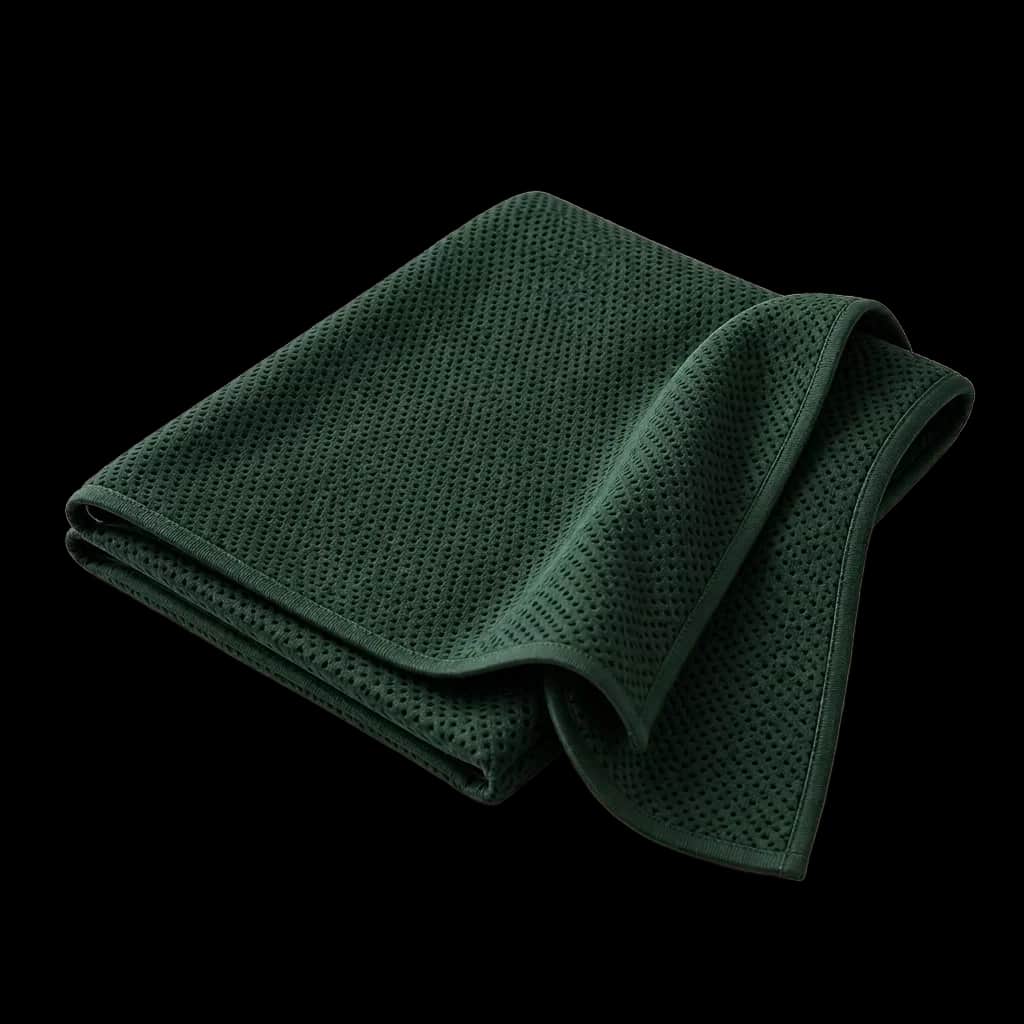
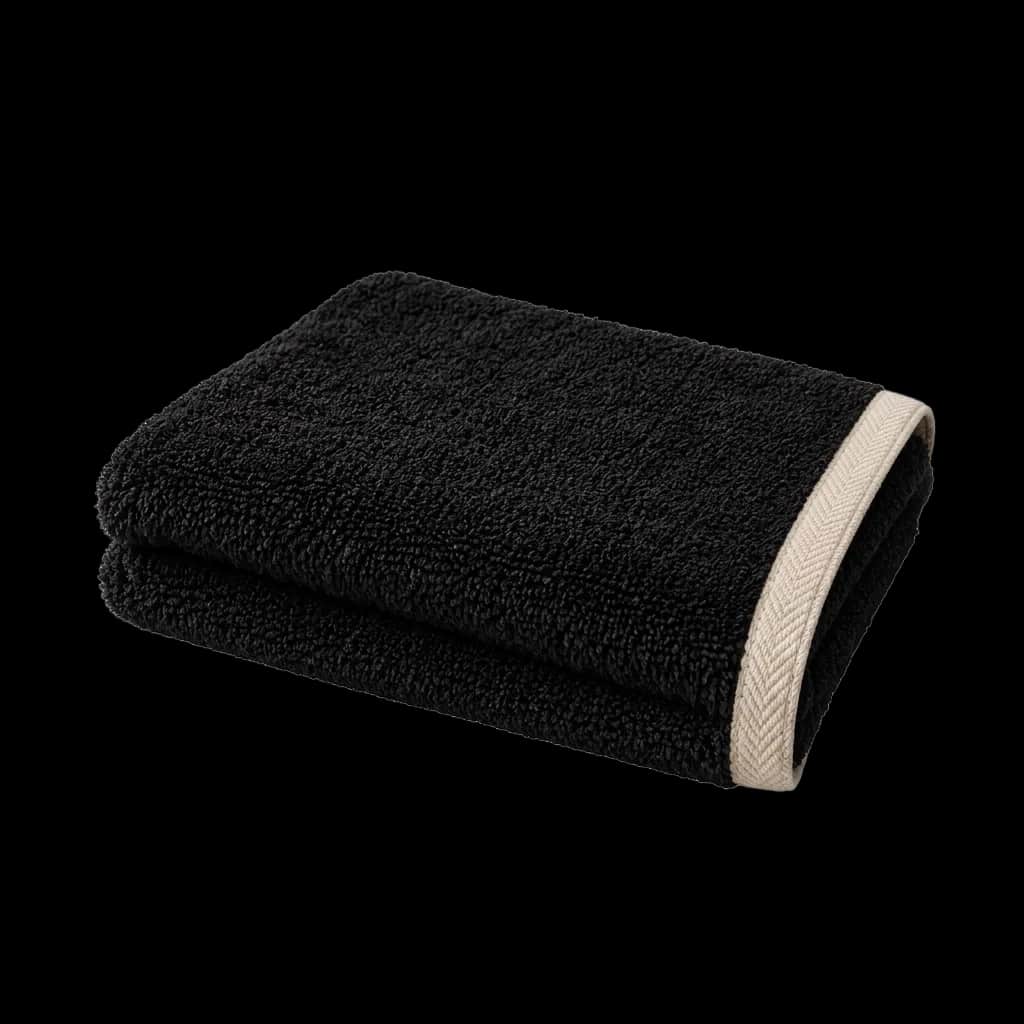
A gym towel is standard cotton or cotton-blend terry, absorbent by weight; a cooling towel is a thinner PVA (polyvinyl alcohol) or microfiber weave that holds water in its fibers and releases it slowly through evaporation for a cooling effect when wrung out and snapped. They use different fabrics entirely, not just different sizes.
Pilates rings need a factory that can mold a flexible fiberglass or spring-steel core and then over-mold or wrap foam/vinyl pads at the contact points — closer to fitness-accessory tooling than general foam manufacturing. Confirm the factory has produced flex-ring products specifically, since the core's spring-back consistency is the main quality risk.
Most fitness accessories (mats, blocks, rollers, bands) fall under HS 9506.91 (articles for general physical exercise); textiles like towels classify separately under HS 6302 or 6307 depending on construction. Confirm per SKU, since duty rates differ between the sporting-goods and textile schedules.