Biscuit Tin
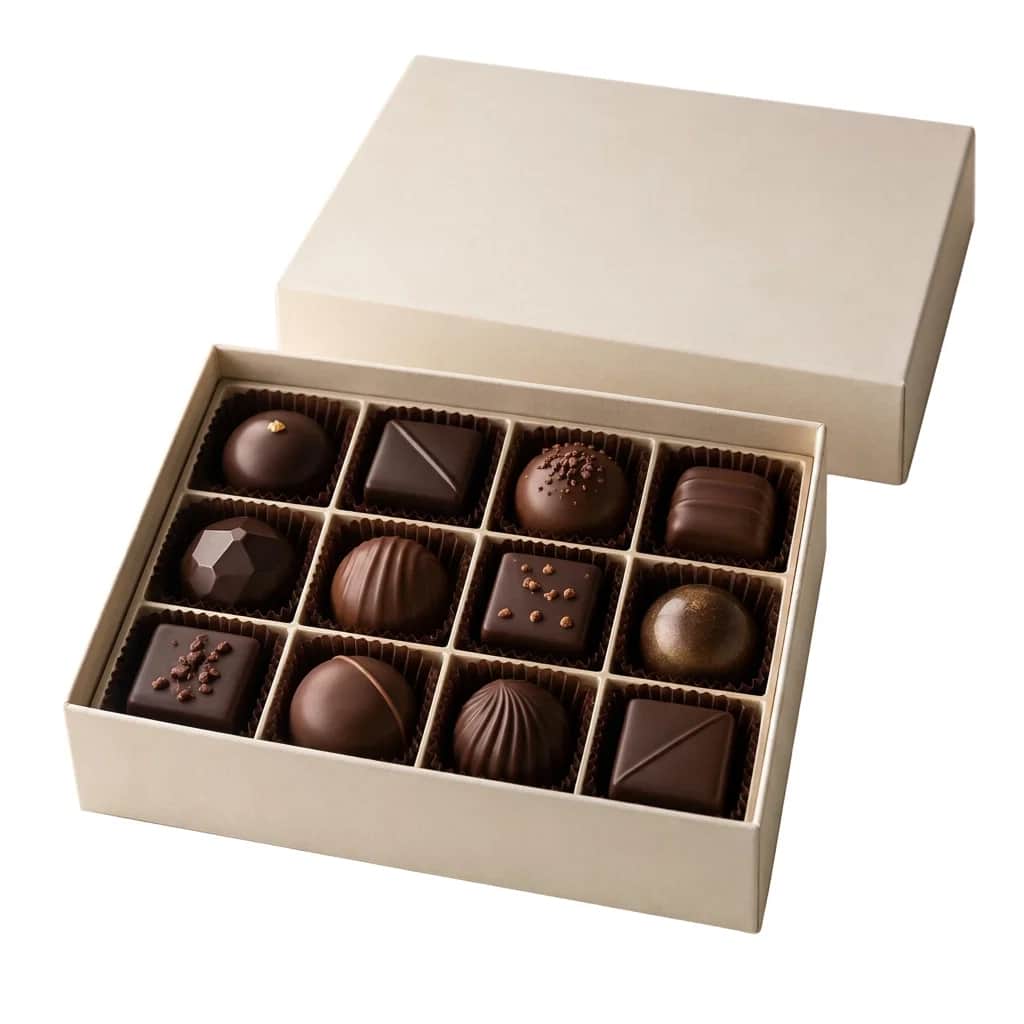
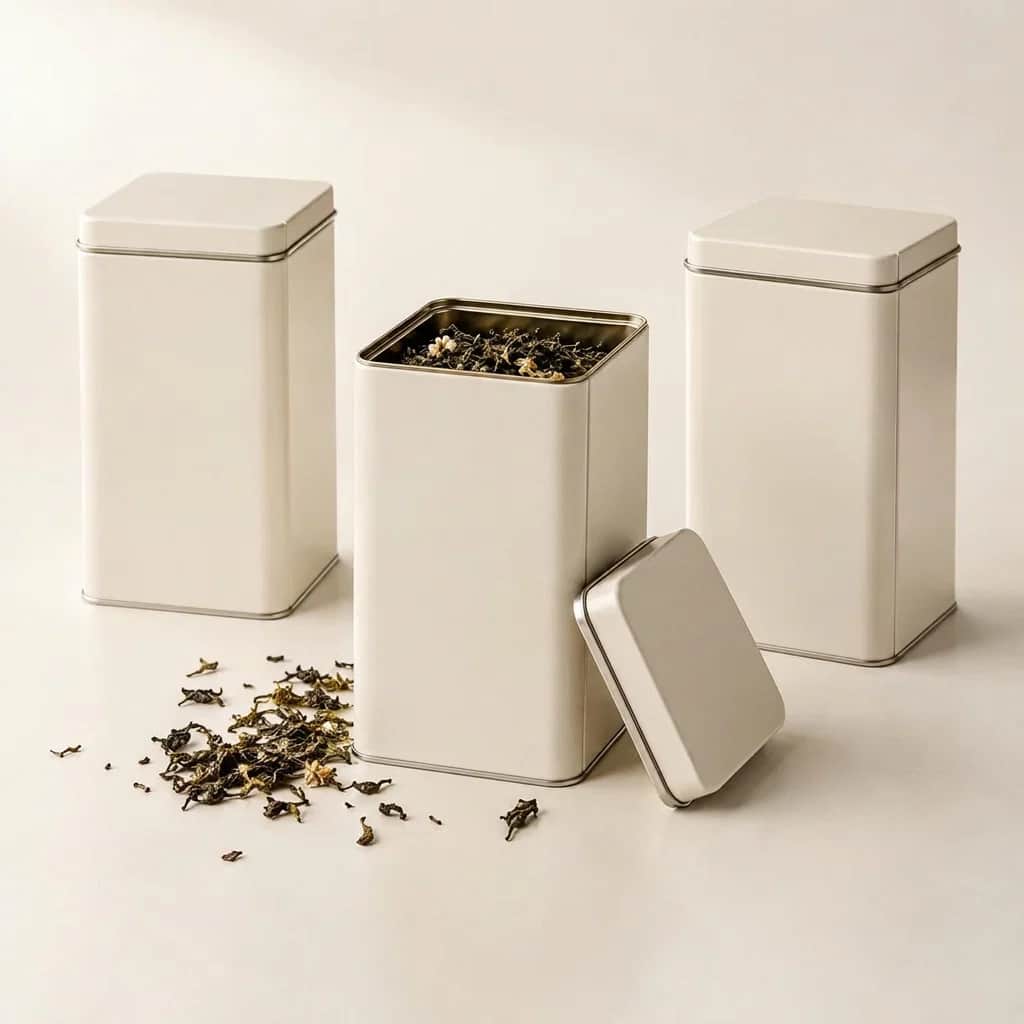
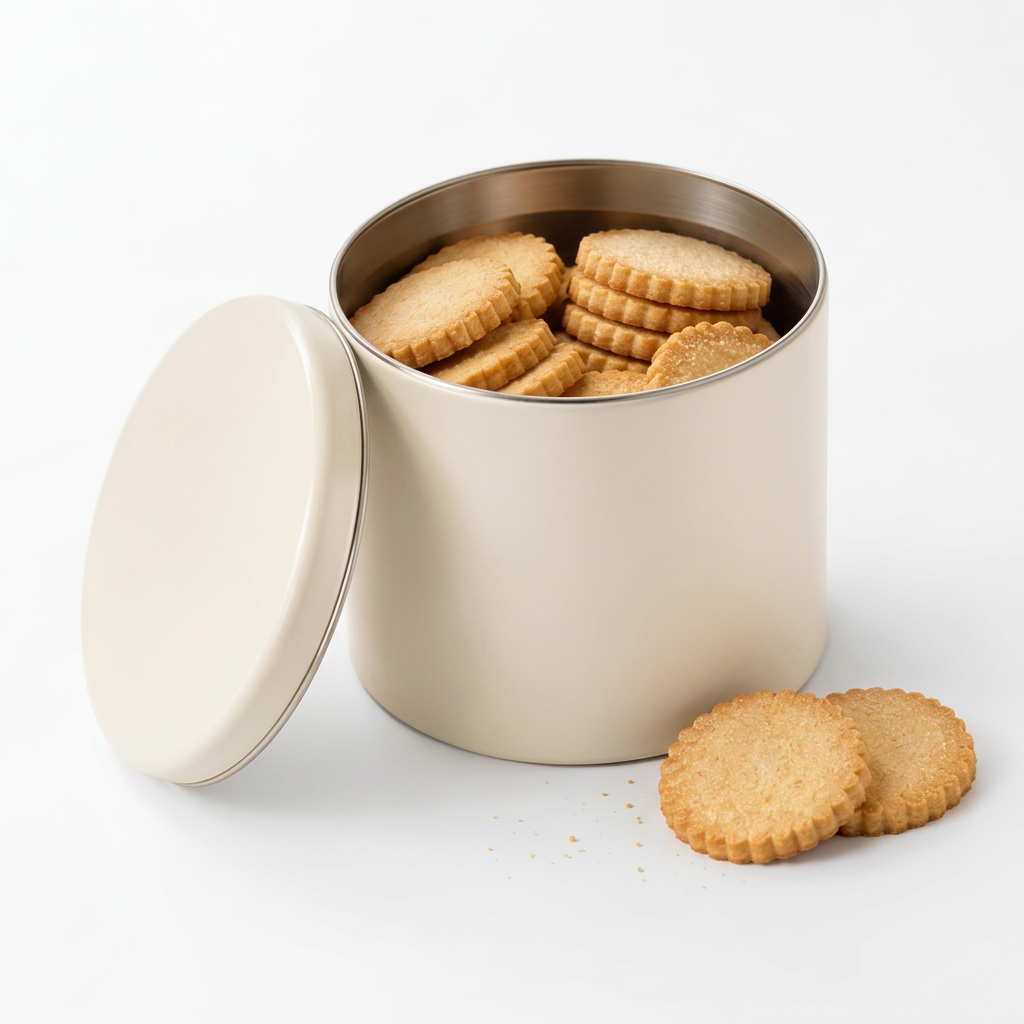
In 1912, Brussels chocolatier Jean Neuhaus II filled a hollow chocolate shell with a soft center and called it a praline, inventing the format that still defines what "Belgian chocolate" means globally. English biscuit maker Huntley & Palmers took a parallel path with packaging rather than the product itself, using new color lithography techniques starting in 1868 to print elaborate decorative tins that customers kept and reused long after the biscuits were gone. Both are the same underlying strategy: making the format or the container as memorable as what's inside.
The same factories that produce for houses like Celine and Balenciaga can produce this piece, directly to you
GABI
Make it yours
Material gradeMOQ 50
Colour
Biscuit Tin
In 1912, Brussels chocolatier Jean Neuhaus II filled a hollow chocolate shell with a soft center and called it a praline, inventing the format that still defines what "Belgian chocolate" means globally. English biscuit maker Huntley & Palmers took a parallel path with packaging rather than the product itself, using new color lithography techniques starting in 1868 to print elaborate decorative tins that customers kept and reused long after the biscuits were gone. Both are the same underlying strategy: making the format or the container as memorable as what's inside.
The same factories that produce for houses like Celine and Balenciaga can produce this piece, directly to you
GABI
Make it yours
Material gradeMOQ 50
Colour
In 1912, Brussels chocolatier Jean Neuhaus II filled a hollow chocolate shell with a soft center and called it a praline, inventing the format that still defines what "Belgian chocolate" means globally. English biscuit maker Huntley & Palmers took a parallel path with packaging rather than the product itself, using new color lithography techniques starting in 1868 to print elaborate decorative tins that customers kept and reused long after the biscuits were gone. Both are the same underlying strategy: making the format or the container as memorable as what's inside.
Inventing the Format, Then the Container
Neuhaus's 1912 praline and Huntley & Palmers's 1868 decorative tins represent two different ways of making a gift memorable, through the product itself or through its packaging.
Shelf stability at room temperature over weeks to months is why chocolate, biscuits, dried fruit, preserves, and nuts dominate corporate and hospitality gifting — unlike fresh food, they ship and sit on a shelf without refrigeration.
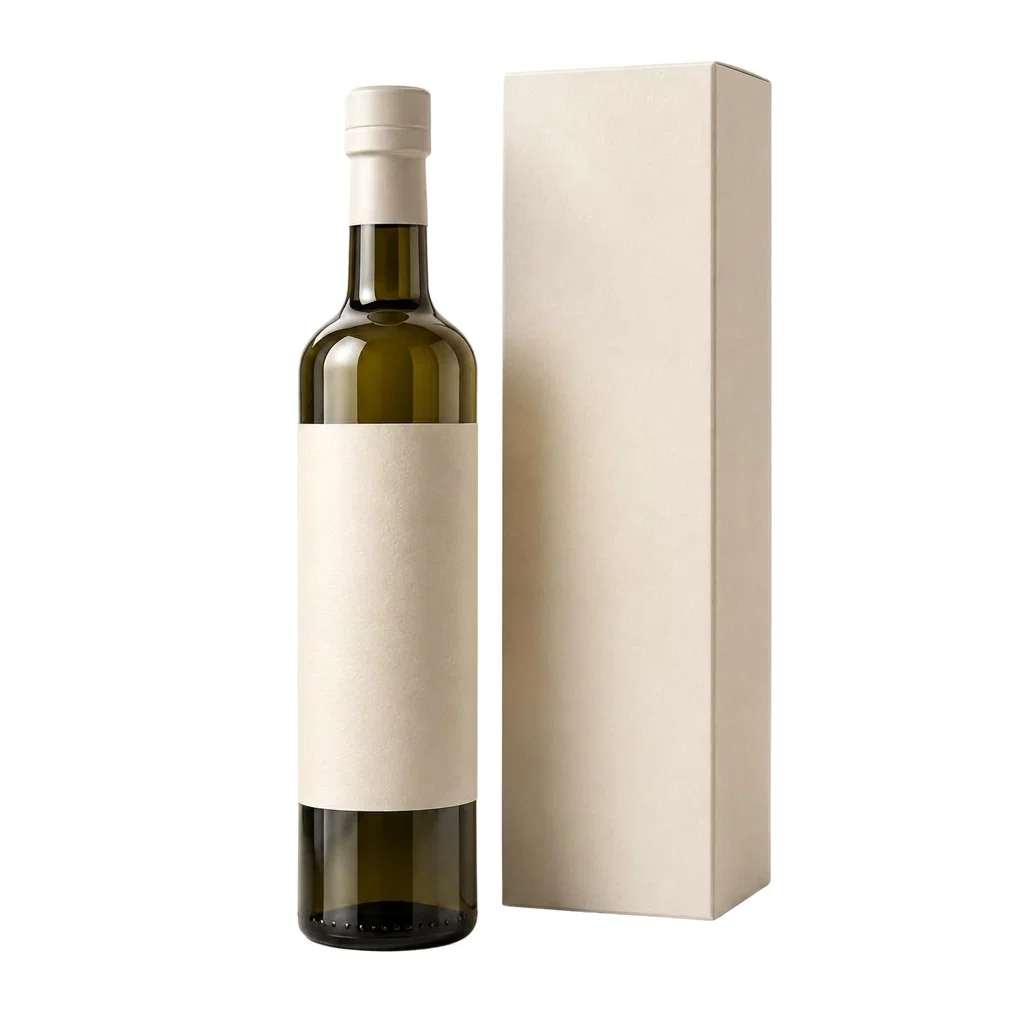
A printed tin adds reusable, keepsake value over a simple printed box at higher tooling and material cost; a glass jar for preserves or honey needs a food-safe seal and is chosen specifically to let the product itself be visible.
A curated multi-variety format, like a honey tasting set or praline selection, requires compartmentalized packaging with dividers or individually wrapped units to keep flavors separate and presentable, adding assembly complexity over a single-product tin or box.
FAQ
A branded chocolate bar (China or local production, 500-unit run) lands around $1.50–3; a biscuit tin runs $4–8; a multi-variety praline or honey tasting set runs $8–18, driven by the compartmentalized packaging and multiple product components.
A tin for reusable keepsake value at higher cost; a printed box for the lowest cost and simplest production; a glass jar when the product itself (honey, preserves) should be visible and needs a food-safe seal.
Most shelf-stable confectionery (chocolate, biscuits, dried fruit) runs 6–12 months unopened at room temperature; preserves and honey can run 12–24 months. Confirm specific shelf life with the food producer, as it varies by recipe and preservation method.
Typically 300–500 units per packaging design, though the food product itself may carry a separate, often higher, minimum from the food producer, which usually becomes the limiting factor.
Multiple flavors need to be produced and packed separately, then assembled into compartmentalized packaging with dividers or individual wrapping, adding an assembly labor step beyond a single-product tin or box.
Yes — allergen declarations, ingredient lists, and expiry dating are typically required regardless of market, with specific requirements varying by destination country. This sits with the food producer's compliance, separate from the packaging supplier.
Chocolate falls under HS 1806; biscuits under HS 1905; preserves under HS 2007. Each food type has its own chapter — confirm per SKU, since this category spans many different HS codes by product type.