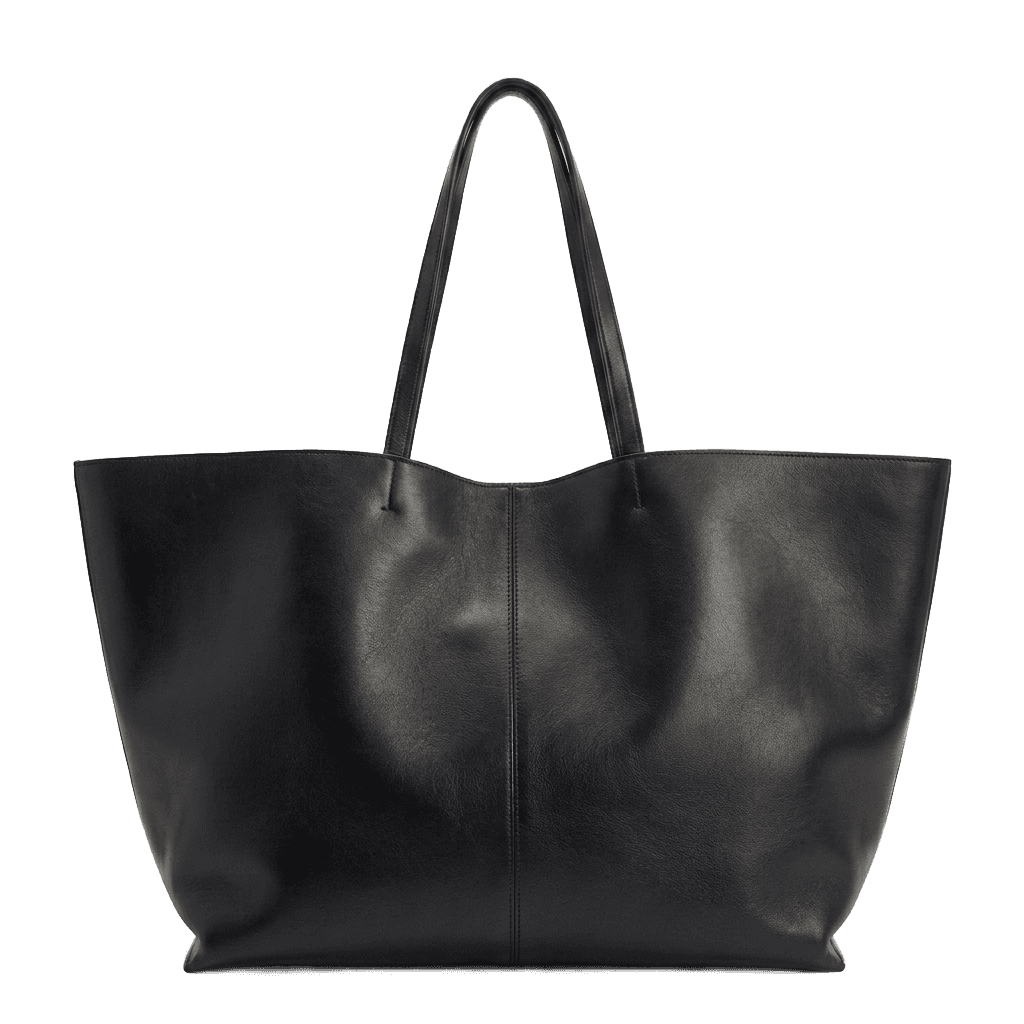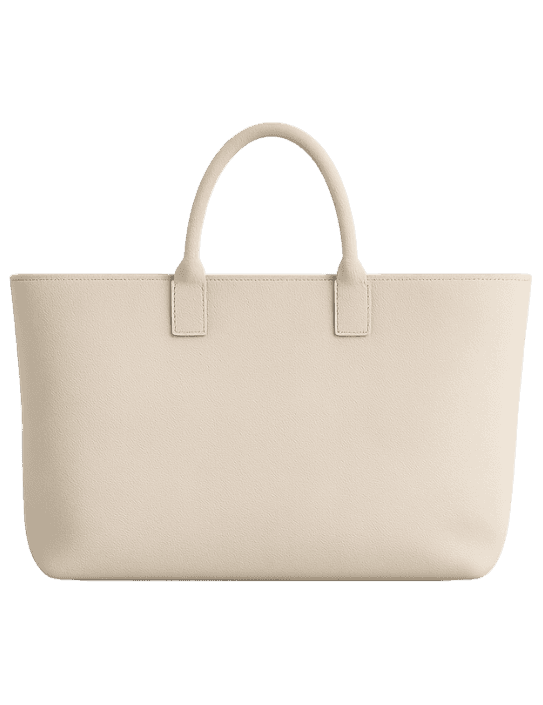
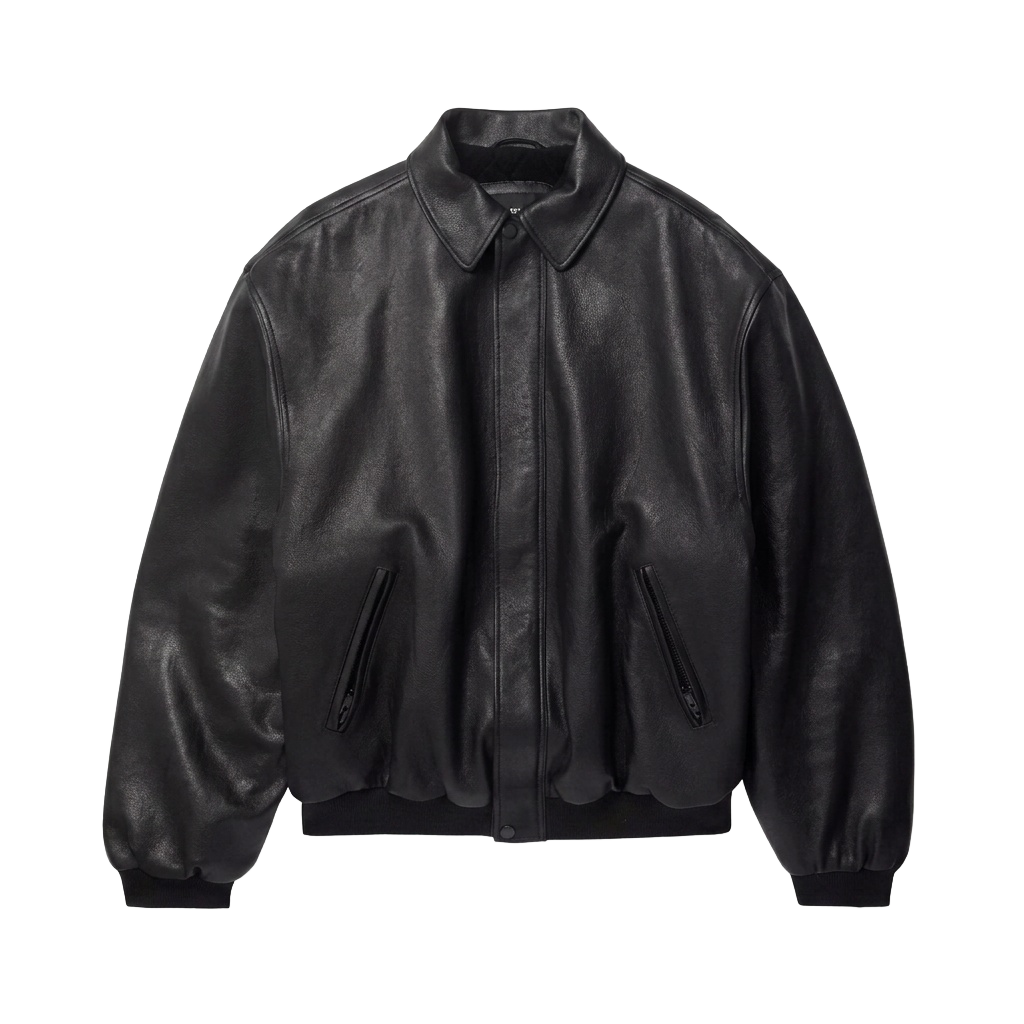
Leather Jacket
The leather jacket is outerwear with a built-in attitude problem. Biker, bomber, racer, trucker, and blazer versions all sell the same promise: protection turned into identity. The difference between costume and luxury is hide quality, pattern discipline, and hardware that does not apologise.
The same factories that produce for houses like Celine and Balenciaga can produce this piece, directly to you
GABI
Make it yours
Material gradeMOQ 50
Colour
Leather Jacket
The leather jacket is outerwear with a built-in attitude problem. Biker, bomber, racer, trucker, and blazer versions all sell the same promise: protection turned into identity. The difference between costume and luxury is hide quality, pattern discipline, and hardware that does not apologise.
The same factories that produce for houses like Celine and Balenciaga can produce this piece, directly to you
GABI
Make it yours
Material gradeMOQ 50
Colour
Fabrics
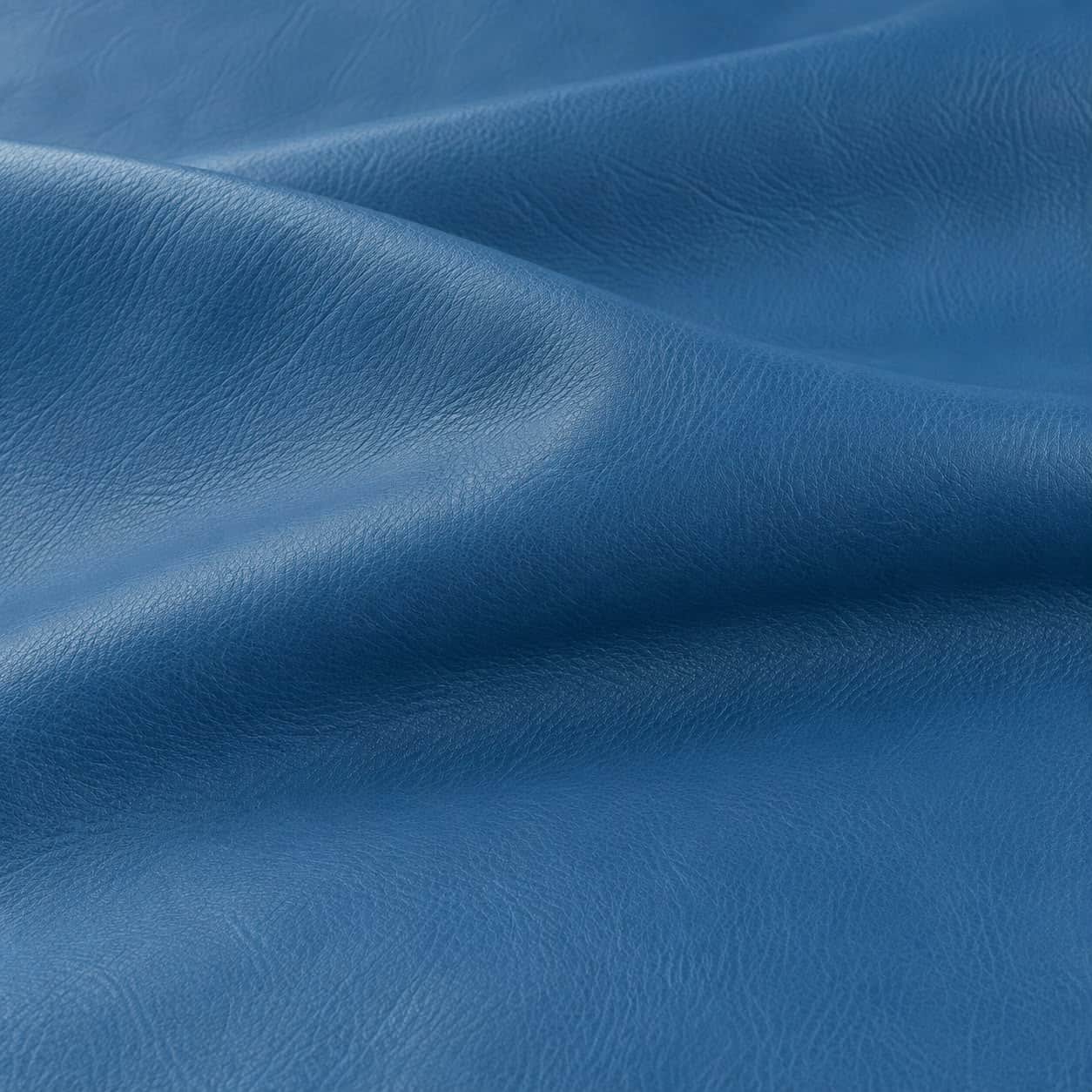
The leather jacket is outerwear with a built-in attitude problem. Biker, bomber, racer, trucker, and blazer versions all sell the same promise: protection turned into identity. The difference between costume and luxury is hide quality, pattern discipline, and hardware that does not apologise.
The Leather Jacket -- "The leather jacket is outerwear with a built-in attitude problem."
Leather jackets moved from military flight gear and motorcycle protection into mainstream fashion through film, music, and subculture. The material carried utility first: abrasion resistance, wind blocking, and durability. Fashion kept those associations and refined them through silhouette.
Construction logic
Leather is not cut like woven fabric. Hides vary in thickness, grain, stretch, and usable area, so cutting and matching require skill. A leather jacket needs reinforced seams, lining, strong hardware, and careful edge finishing. Mistakes are expensive because needle holes remain visible.
Commercial logic for creators
For creators, leather jackets are high-ticket and high-risk. They can define a brand, but MOQ, grading, hide consistency, and returns must be managed. Vegan leather alternatives lower entry cost but often fail on longevity unless the material is carefully selected.
FAQ
A leather jacket is an outerwear garment made from leather or leather alternative, usually structured with lining and hardware.
Common options include lambskin, cowhide, goatskin, suede, nubuck, vegetable-tanned leather, recycled leather, and high-grade leather alternatives.. Choose based on target price, handfeel, durability, and care requirements.
Focus on hide matching, lining, reinforced seams, zipper insertion, edge finishing, collar construction, and hardware setting. These details usually determine whether the product feels credible or cheap.
Check shoulder shape, sleeve pitch, body ease, armhole mobility, lining comfort, and leather break-in. Fit should be reviewed on the body type and use case the product is designed for, not only on a flat measurement sheet.
The main cost drivers are hide grade, usable area, lining, hardware, specialist labour, and wastage. Sampling time and rejection risk also increase cost when the fit is sensitive.
Request checks for grain consistency, colourfastness, seam strength, zipper durability, lining attachment, and finish rub-off. For performance or workwear products, test under the real use condition rather than only visually.
Watch for mismatched panels, cheap peeling coating, zipper waves, weak lining, and visible needle damage. These issues should be caught at fit sample, pre-production sample, and bulk inspection stages.
affordable uses PU or split leather; premium uses lamb or cow leather; luxury uses premium hides, hardware, lining, and hand finishing.
Include leather type and thickness, panel map, lining spec, hardware finish, seam allowance, and care labeling. Add reference photos and tolerance notes where fit or construction is easy to misread.
specialist leather outerwear factories are required; standard woven factories are not enough.
Use OEKO-TEX STANDARD 100 as a consumer-safety baseline where possible. Use GOTS for organic cotton, GRS for recycled polyester or nylon, RWS for responsible wool, and leather-specific or chemical compliance where relevant to the material.
keep away from high heat and heavy rain; condition or clean according to leather type.