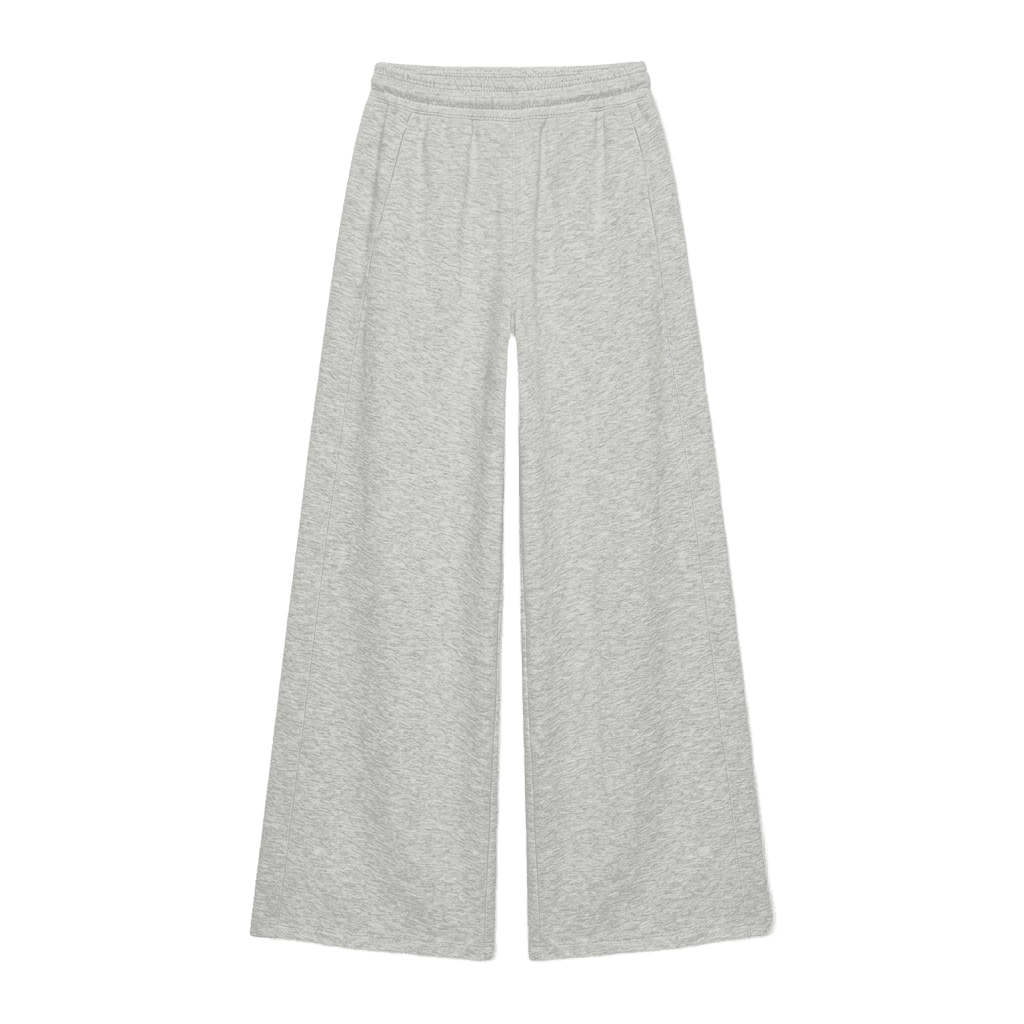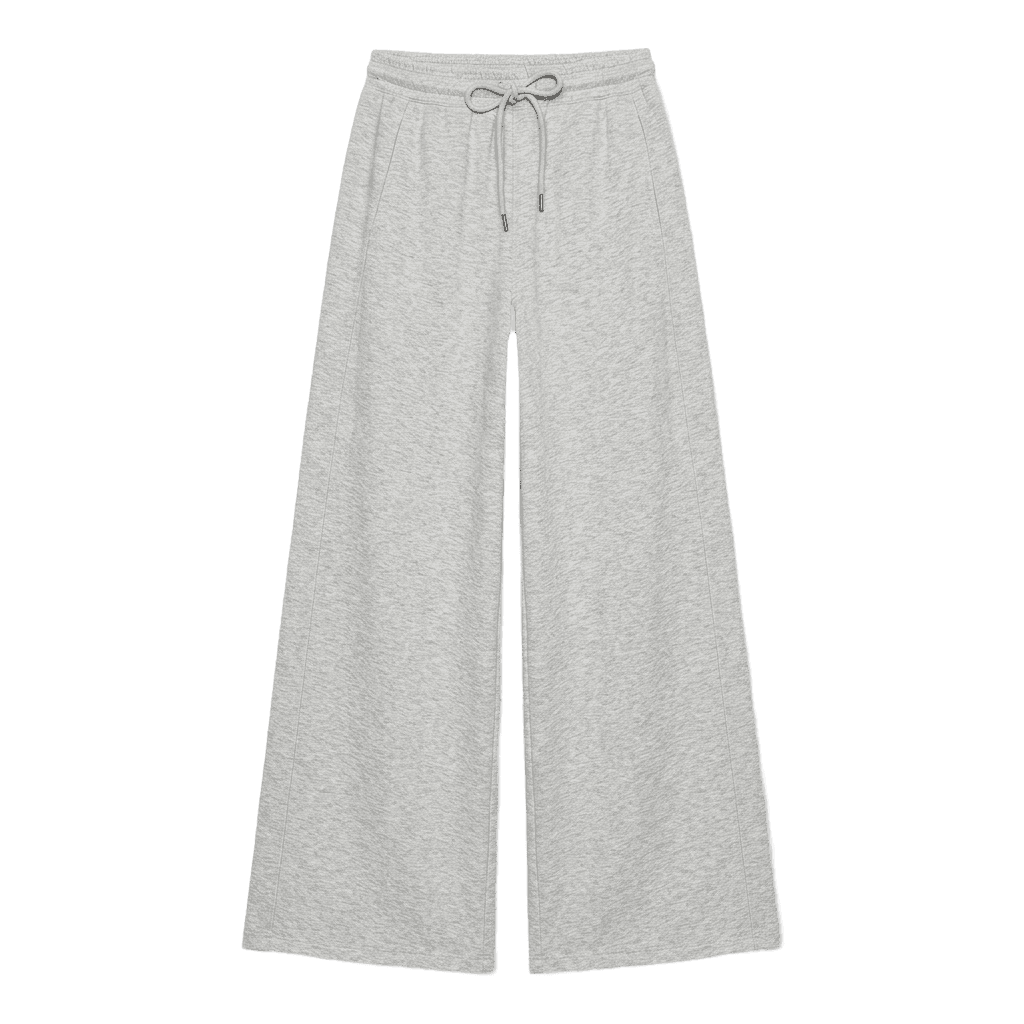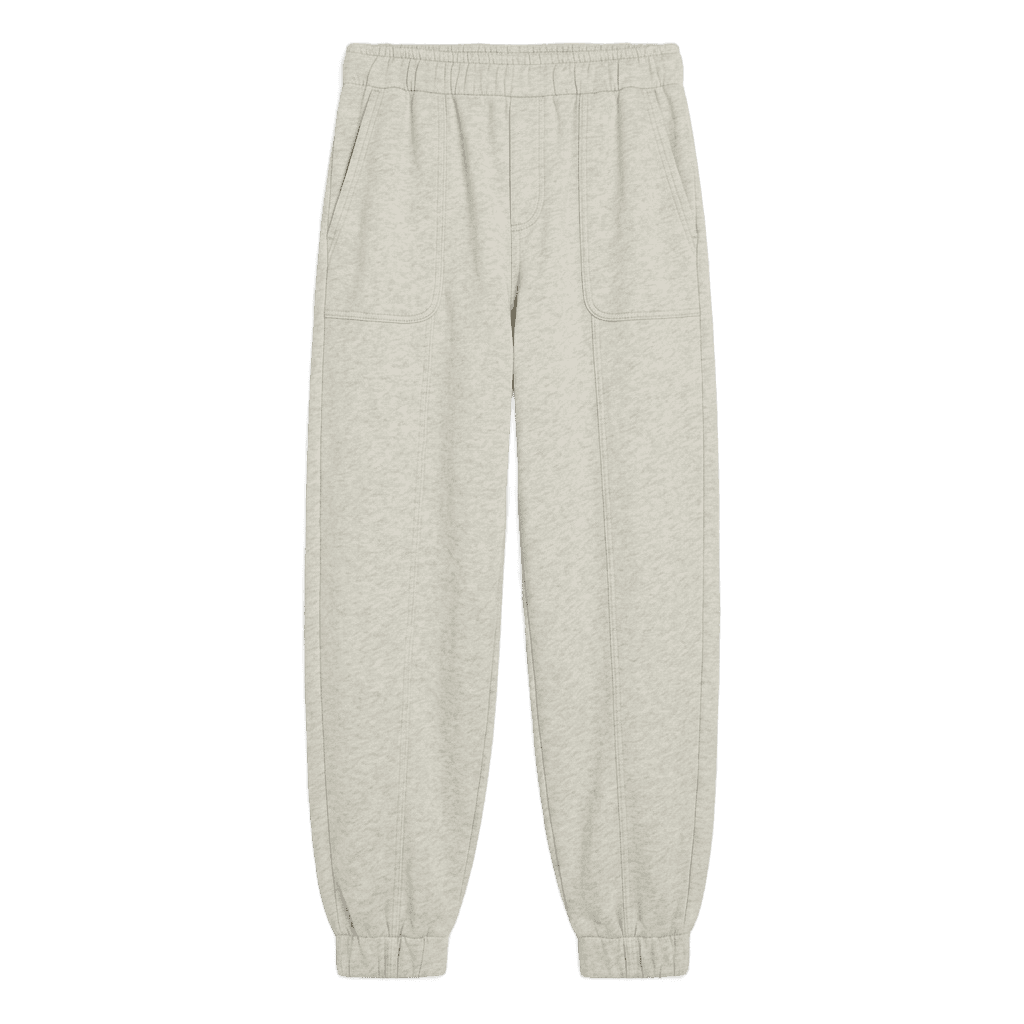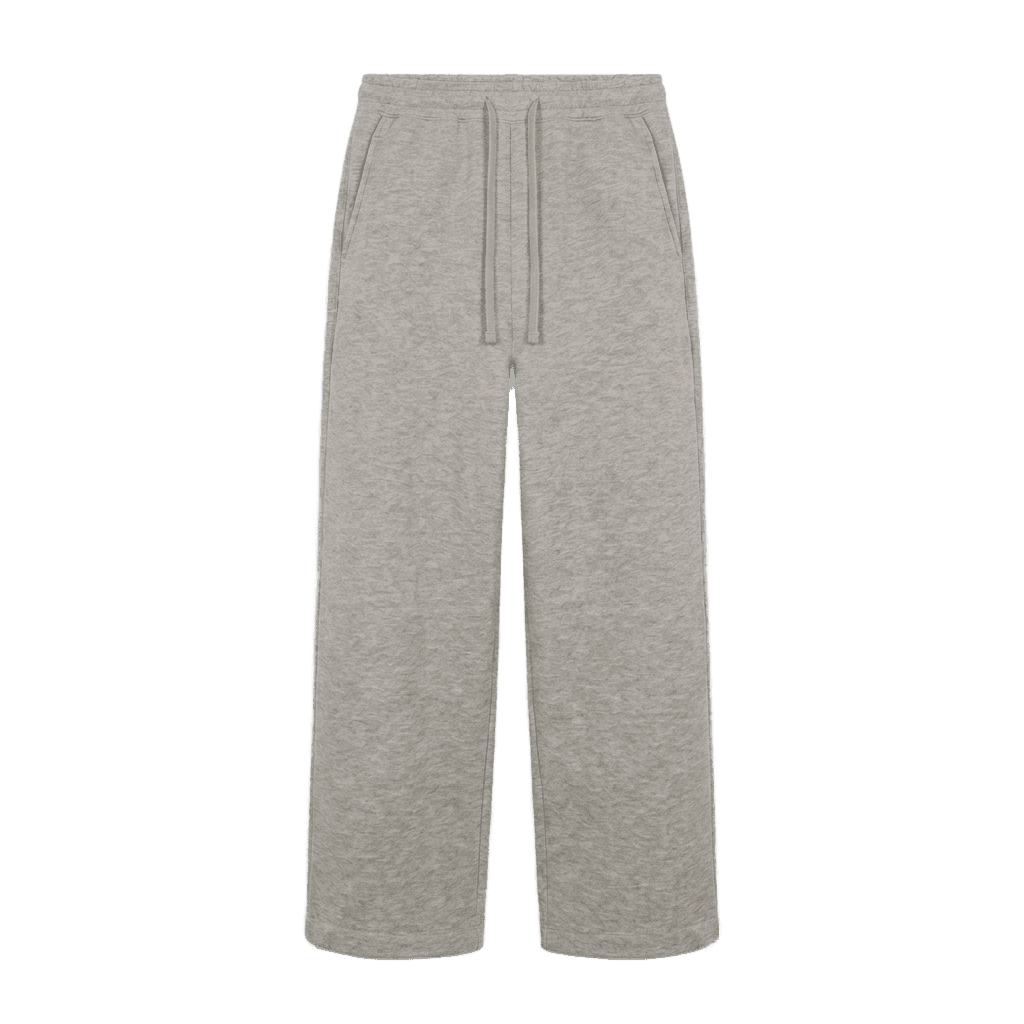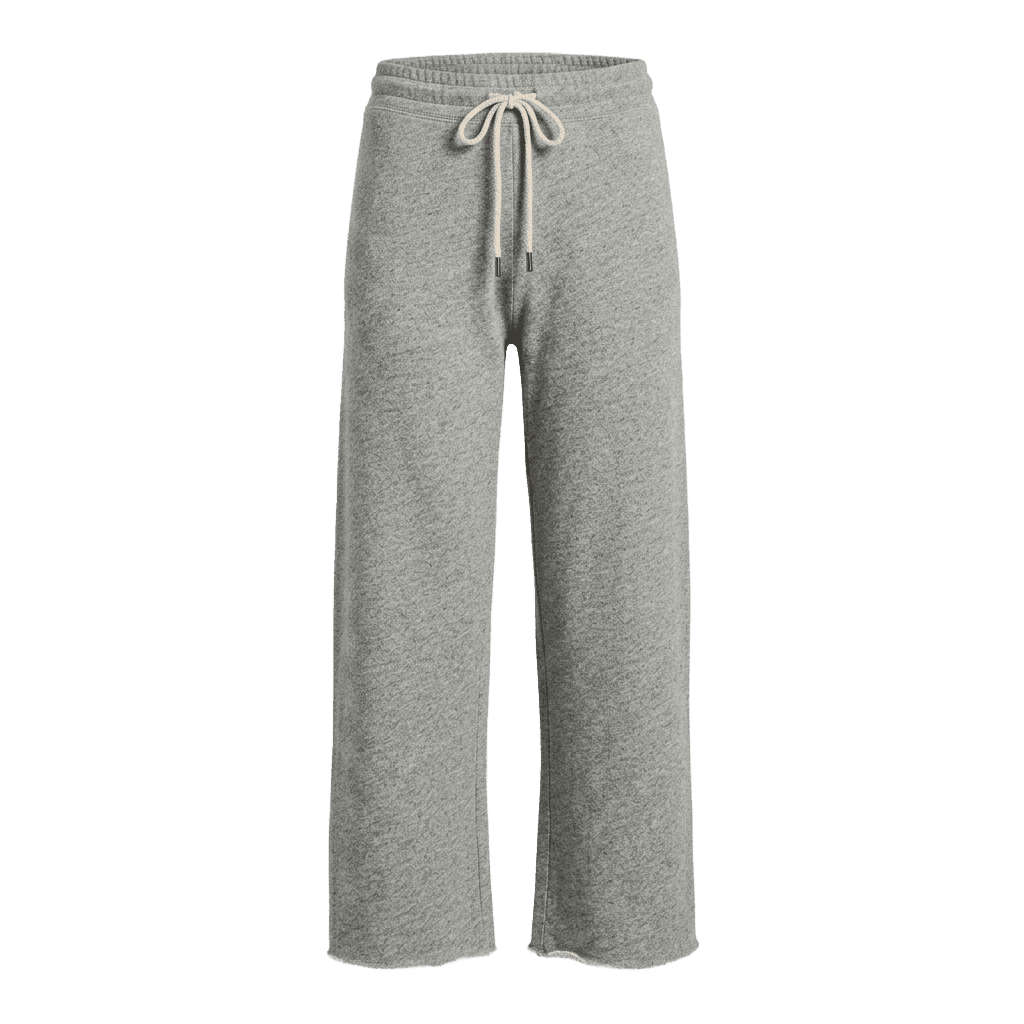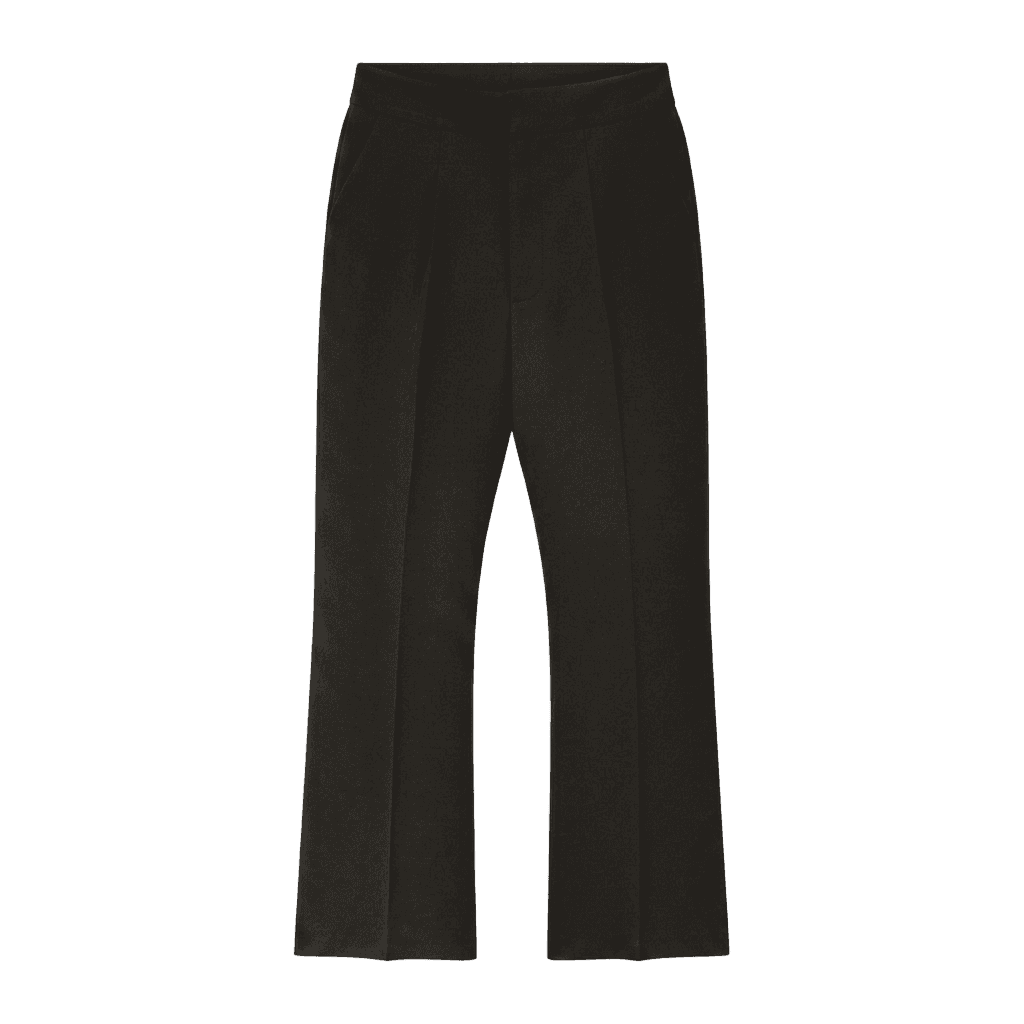
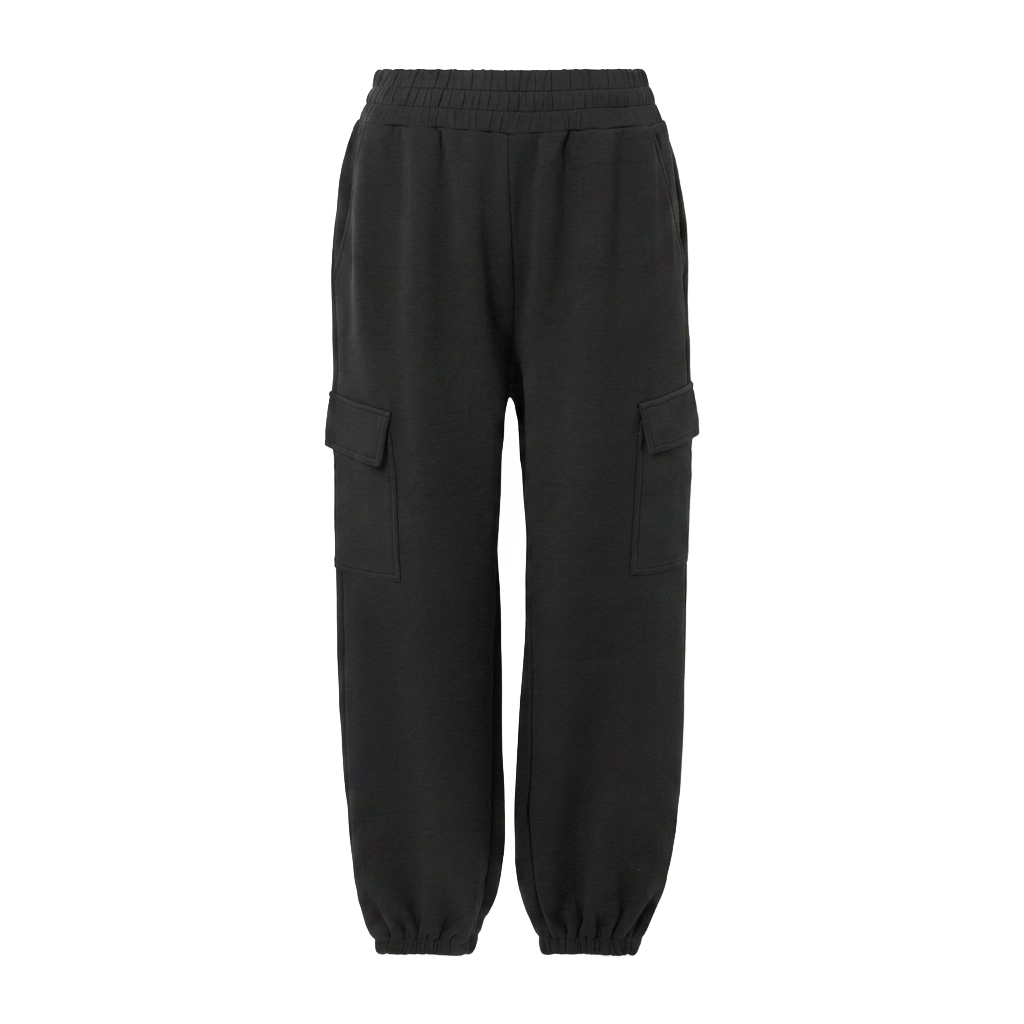
Black Cargo Sweatpants
Cargo pants are trousers with storage as the design language. The pocket is not an add-on; it is the product. Military utility became streetwear because a functional detail also creates silhouette, shadow, and attitude.
The same factories that produce for houses like Celine and Balenciaga can produce this piece, directly to you
GABI
Make it yours
Material grade
Colour
Black Cargo Sweatpants
Cargo pants are trousers with storage as the design language. The pocket is not an add-on; it is the product. Military utility became streetwear because a functional detail also creates silhouette, shadow, and attitude.
The same factories that produce for houses like Celine and Balenciaga can produce this piece, directly to you
GABI
Make it yours
Material grade
Colour
Fabrics
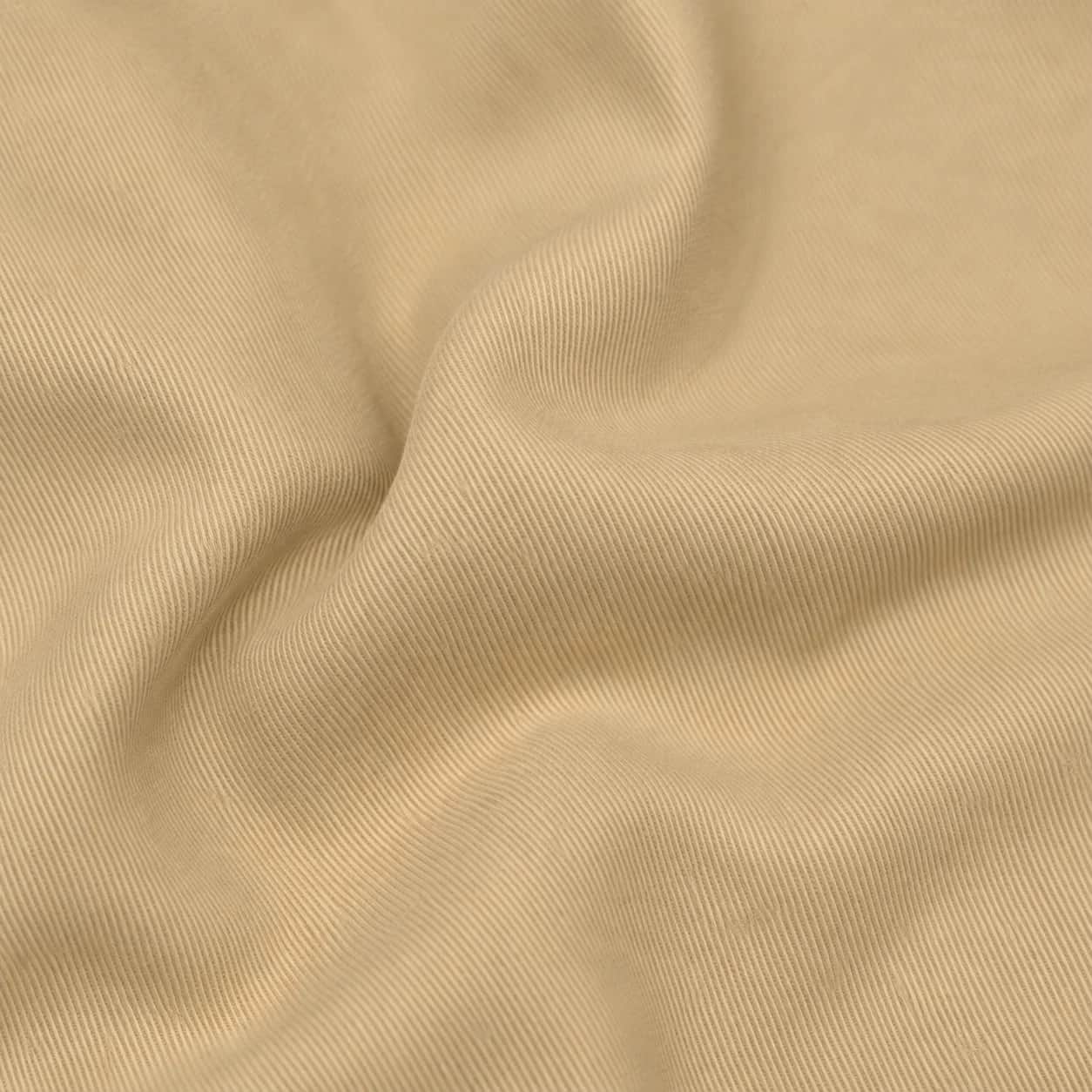
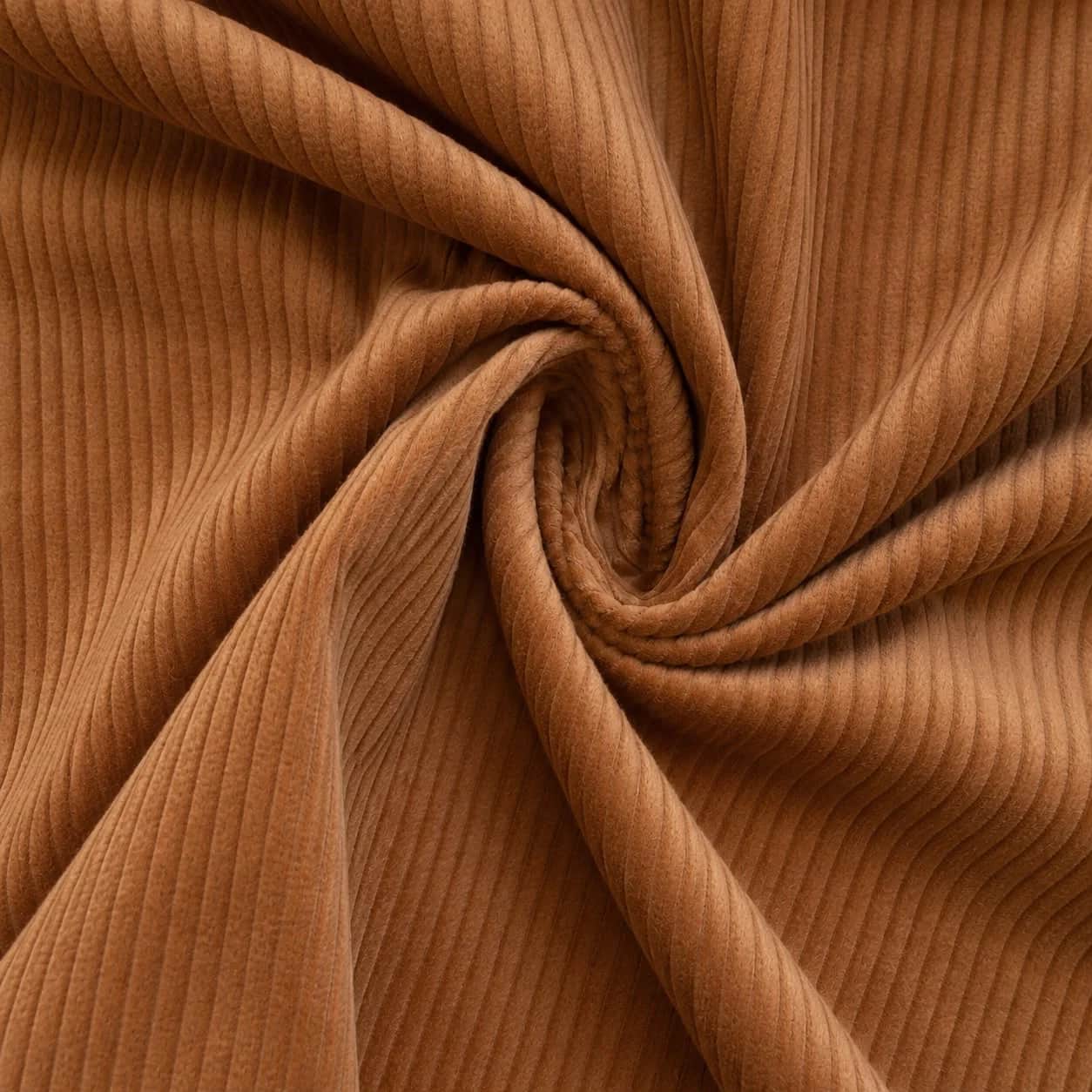
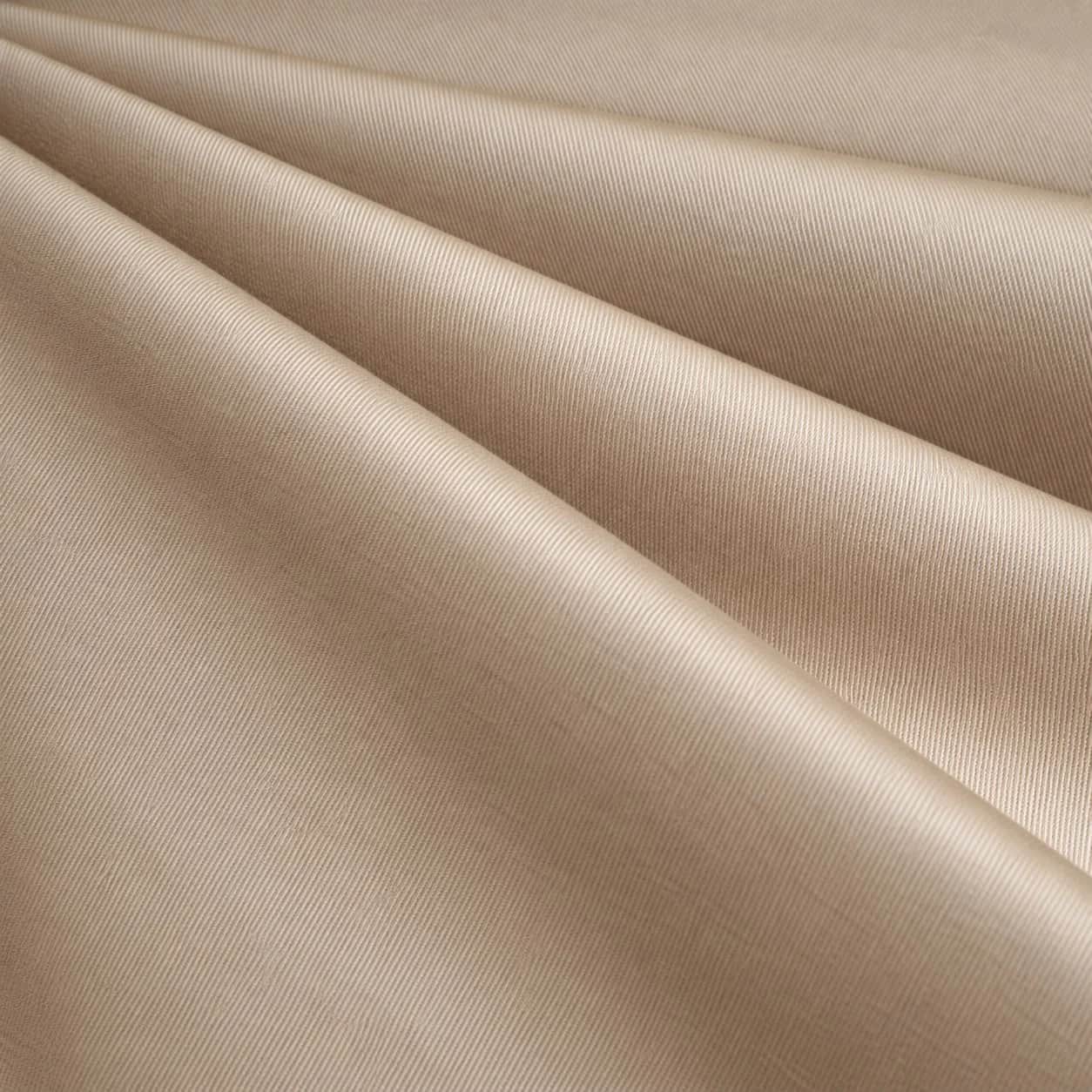
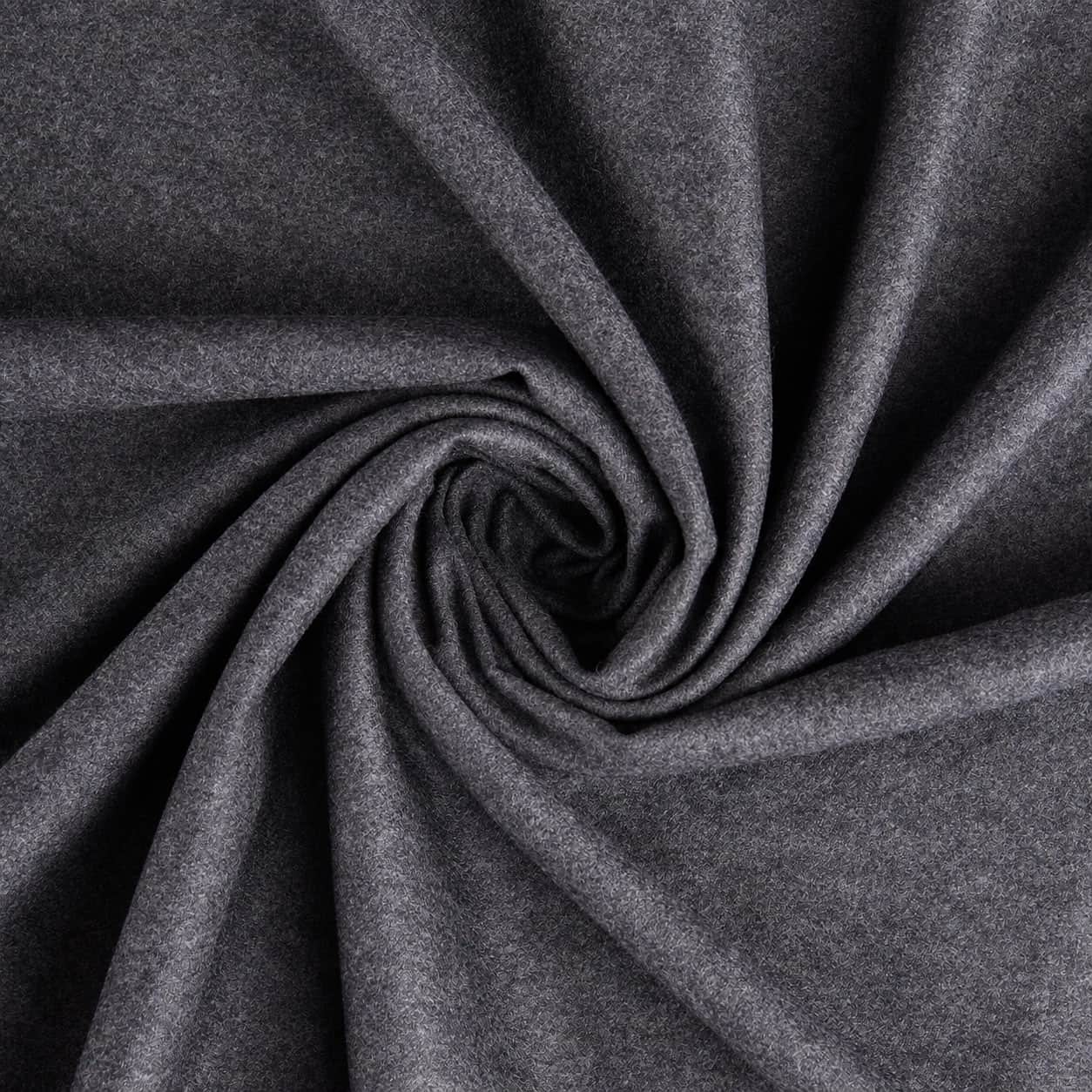

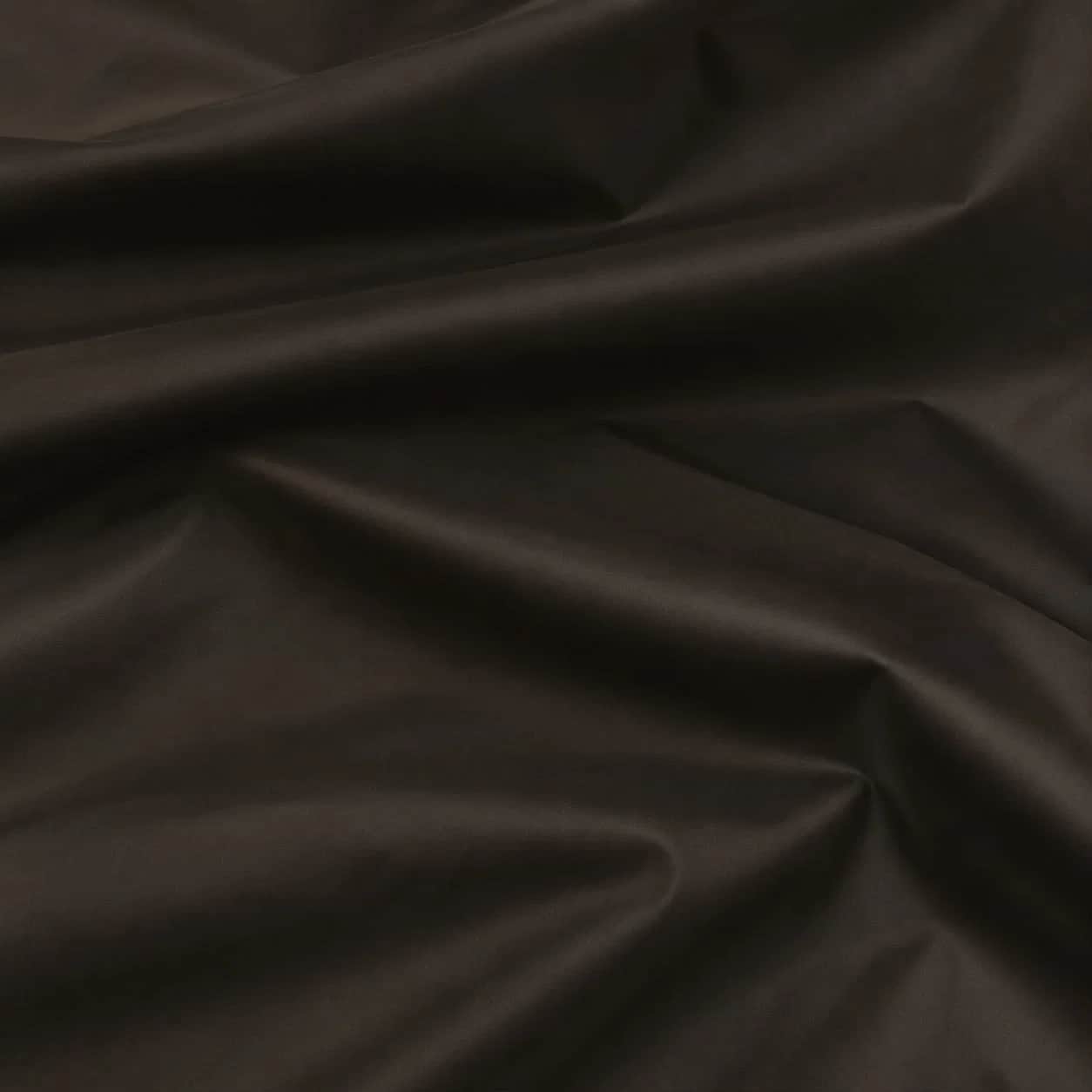
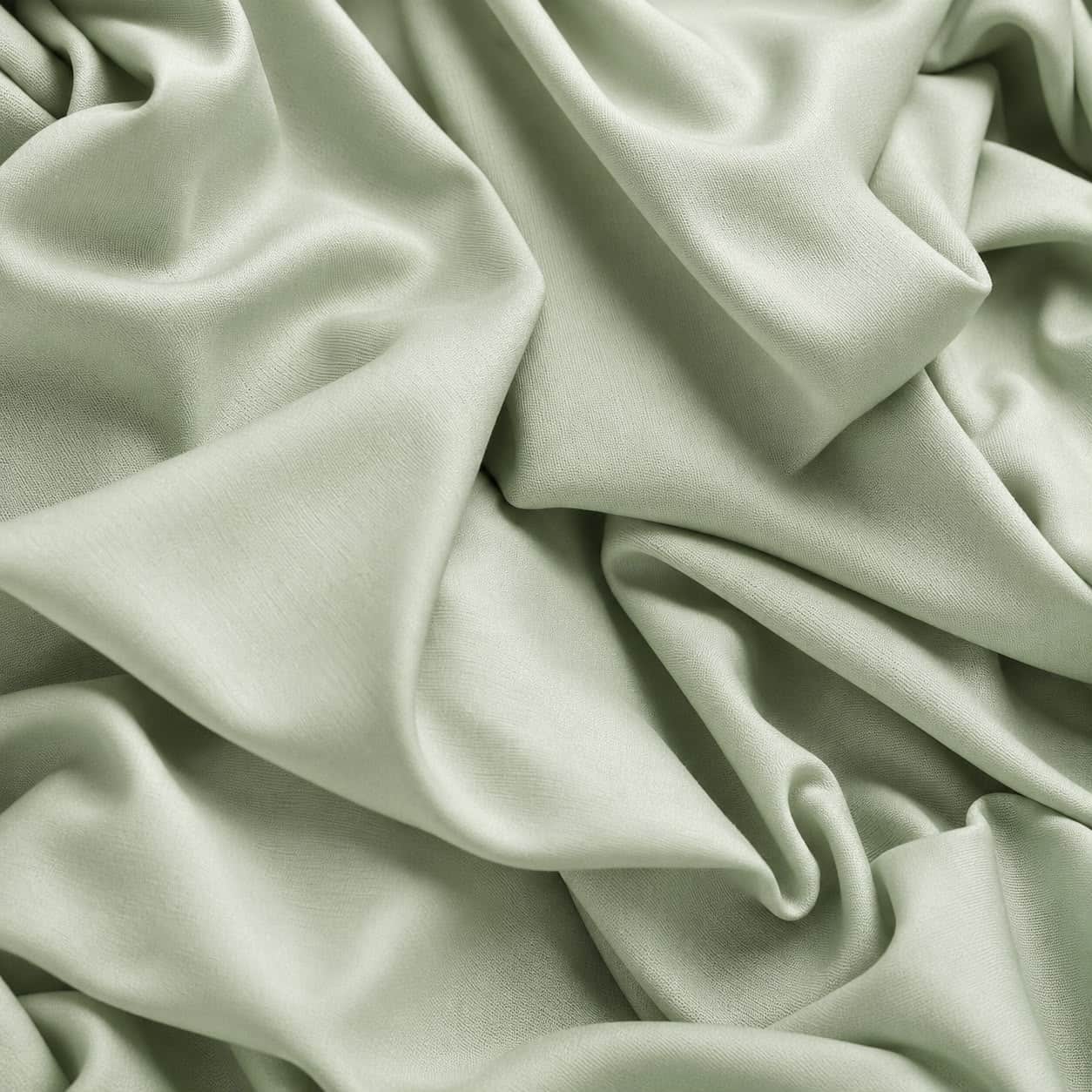
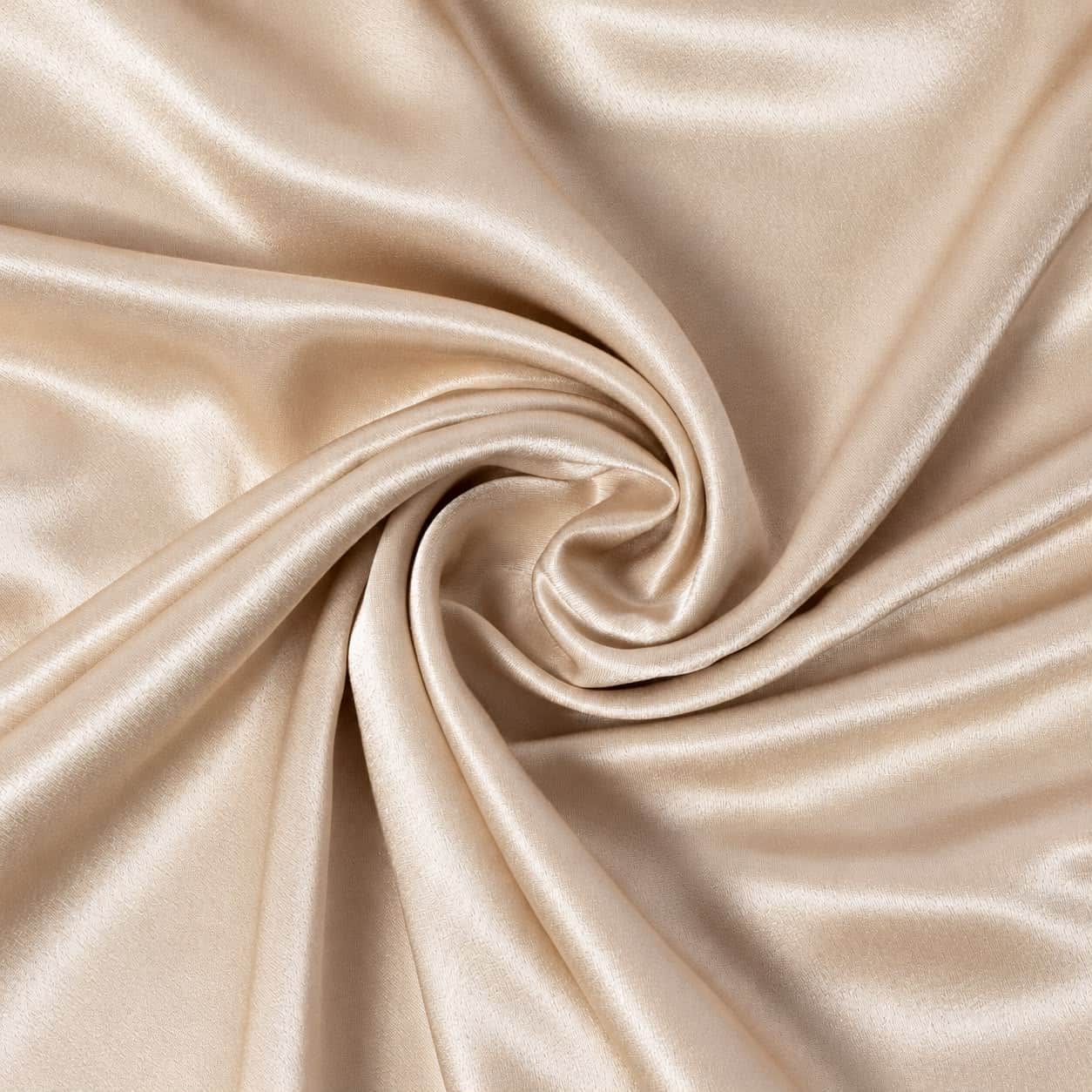
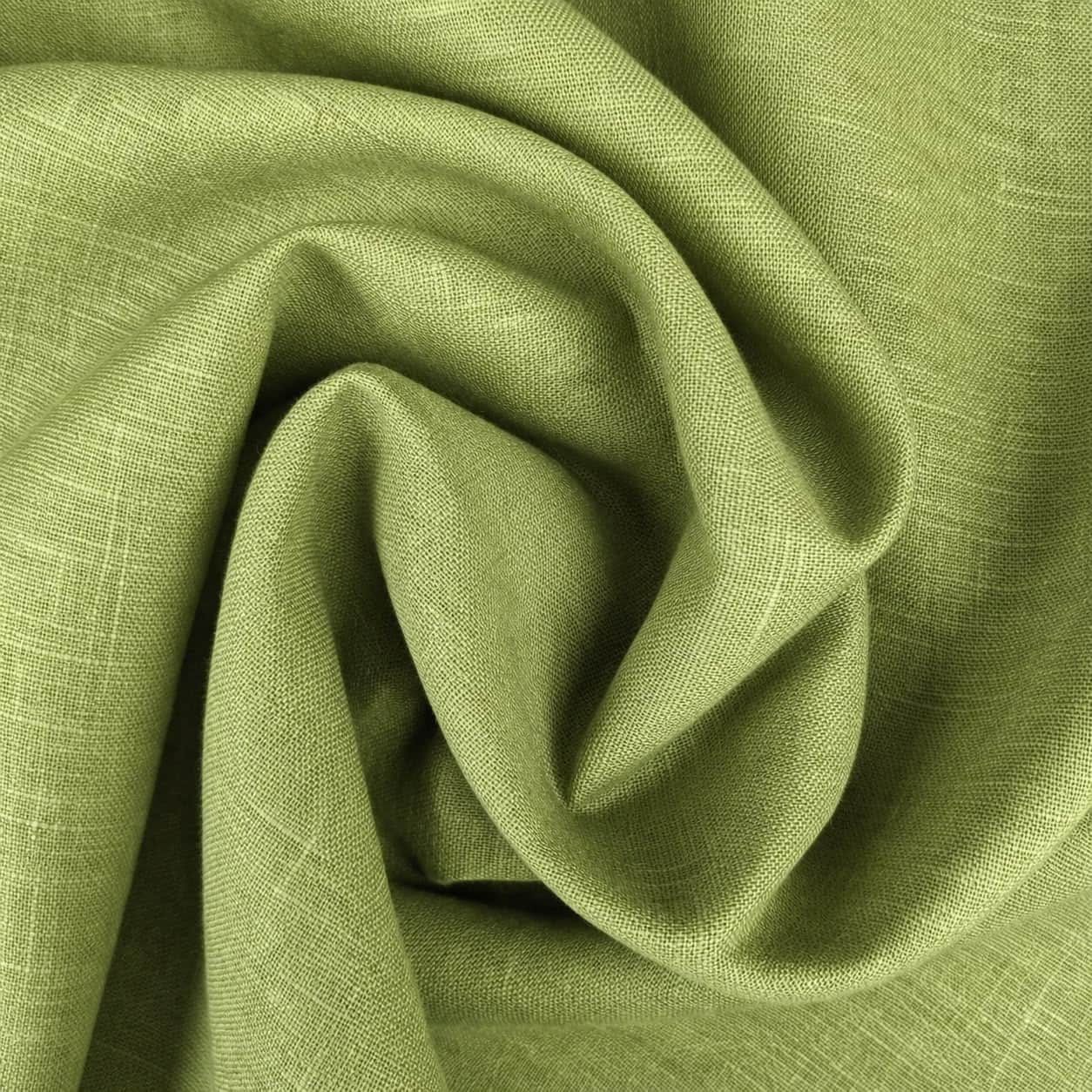
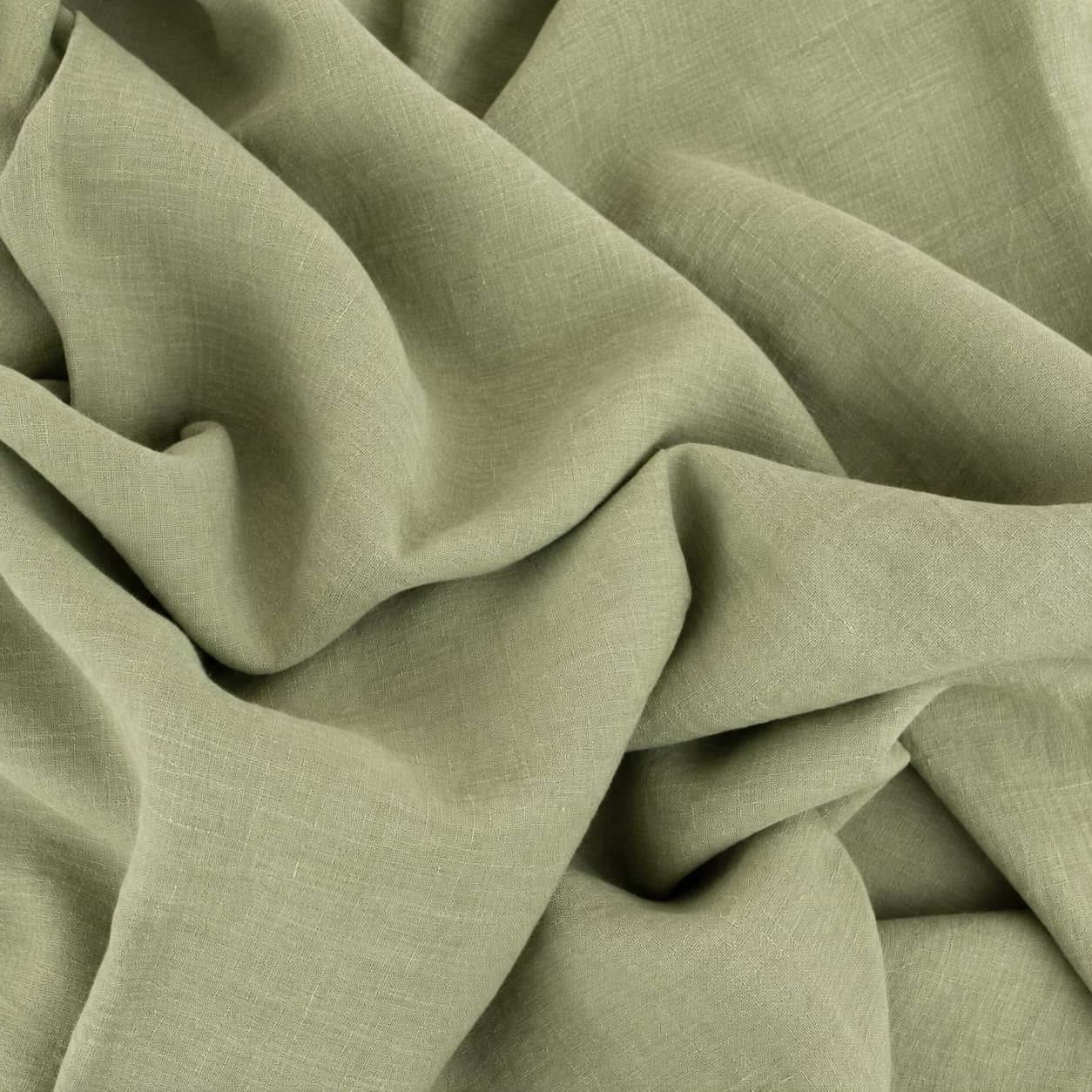
Cargo pants are trousers with storage as the design language. The pocket is not an add-on; it is the product. Military utility became streetwear because a functional detail also creates silhouette, shadow, and attitude.
The Cargo / Utility Pants -- "Cargo pants are trousers with storage as the design language."
Cargo pants come from military field trousers where large leg pockets carried equipment. Workwear, skate, rave, and streetwear adopted the format because it looked useful even when the pockets stayed empty. Contemporary versions range from technical nylon cargos to tailored utility trousers.
Construction logic
The key details are pocket placement, pocket volume, reinforcement, waistband, and hem control. Cargo pockets can collapse, flap, sag, or distort the leg if not engineered. Fabric weight and pocket scale must match.
Commercial logic for creators
For creators, cargo pants are a strong bottom because they carry visible design detail without needing print. Premium versions balance utility with fit discipline. The danger is pocket clutter and excessive bulk.
FAQ
Cargo or utility pants are trousers with functional patch or bellows pockets, usually on the thigh.
Common options include cotton twill, ripstop, nylon, canvas, cotton/elastane, technical blends, snaps, zippers, and drawcords.. Choose based on target price, handfeel, durability, and care requirements.
Focus on reinforced cargo pockets, pocket flaps, waistband, knee shaping, crotch seam, and hem drawcords or cuffs. These details usually determine whether the product feels credible or cheap.
Check rise, thigh ease, pocket position, hem opening, seat allowance, and whether the silhouette is slim or baggy. Fit should be reviewed on the body type and use case the product is designed for, not only on a flat measurement sheet.
The main cost drivers are pocket count, pocket construction, fabric weight, hardware, drawcords, and reinforced seams. Sampling time and rejection risk also increase cost when the fit is sensitive.
Request checks for pocket tear strength, seam strength, fabric abrasion, hardware durability, and post-wash twisting. For performance or workwear products, test under the real use condition rather than only visually.
Watch for sagging pockets, bulky side seams, weak snaps, twisted legs, and pocket flaps curling. These issues should be caught at fit sample, pre-production sample, and bulk inspection stages.
affordable uses basic twill; premium uses ripstop or stretch twill; luxury uses technical fabric and refined hardware.
Include pocket dimensions, placement, closures, rise, inseam, hem finish, fabric weight, and reinforcement map. Add reference photos and tolerance notes where fit or construction is easy to misread.
workwear or bottoms factories with pocket and bartack capacity are best.
Use OEKO-TEX STANDARD 100 as a consumer-safety baseline where possible. Use GOTS for organic cotton, GRS for recycled polyester or nylon, RWS for responsible wool, and leather-specific or chemical compliance where relevant to the material.
wash testing is important because pocket flaps and seams can distort.