Menu Cover
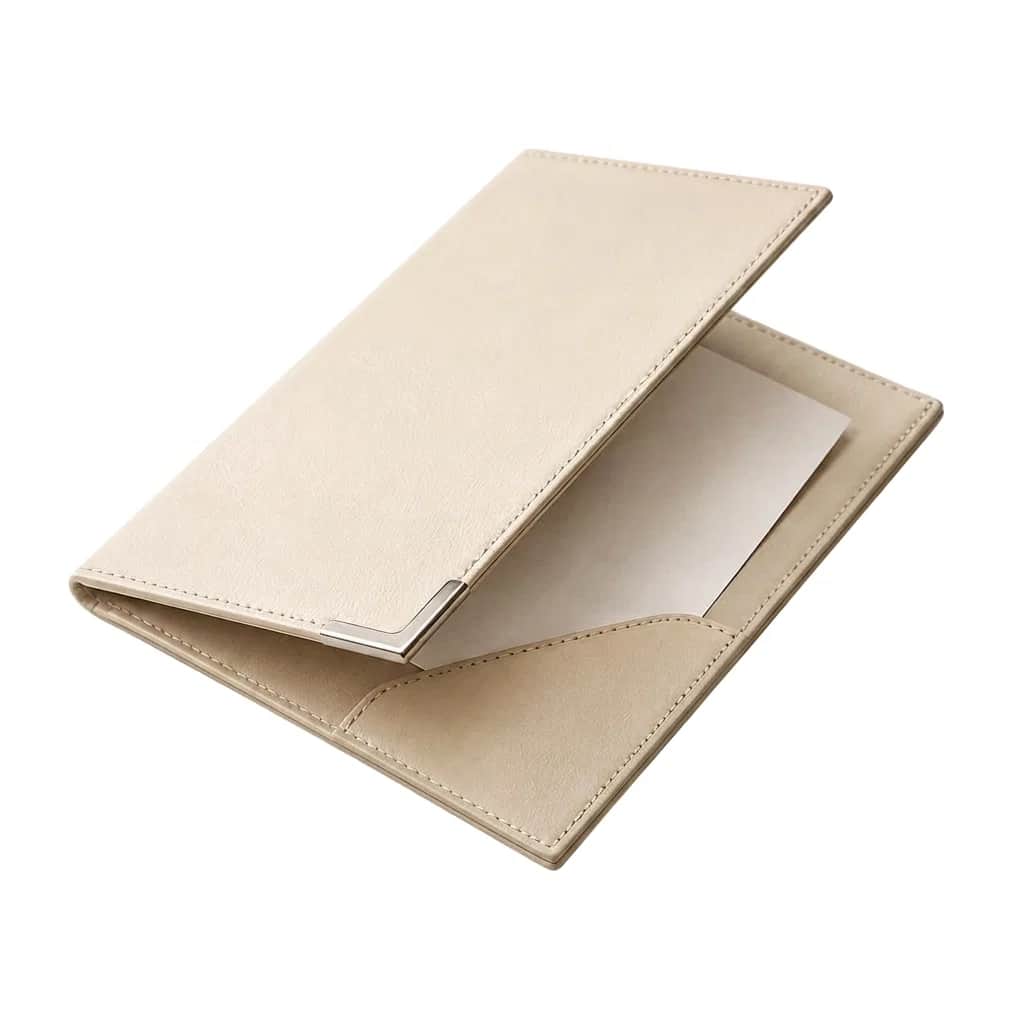
A menu cover, a bill folder, and a table number holder share a job that has nothing to do with what they contain: surviving being picked up, closed, dropped, and wiped down dozens of times a day by different hands. A home version of any of these objects, a folder, a stand, a cover, barely needs to survive a fraction of that handling, which is why the material choice for front-of-house items is driven almost entirely by abrasion and cleaning frequency rather than appearance.
The same factories that produce for houses like Celine and Balenciaga can produce this piece, directly to you
GABI
Make it yours
Material gradeMOQ 50
Colour
Menu Cover
A menu cover, a bill folder, and a table number holder share a job that has nothing to do with what they contain: surviving being picked up, closed, dropped, and wiped down dozens of times a day by different hands. A home version of any of these objects, a folder, a stand, a cover, barely needs to survive a fraction of that handling, which is why the material choice for front-of-house items is driven almost entirely by abrasion and cleaning frequency rather than appearance.
The same factories that produce for houses like Celine and Balenciaga can produce this piece, directly to you
GABI
Make it yours
Material gradeMOQ 50
Colour
A menu cover, a bill folder, and a table number holder share a job that has nothing to do with what they contain: surviving being picked up, closed, dropped, and wiped down dozens of times a day by different hands. A home version of any of these objects, a folder, a stand, a cover, barely needs to survive a fraction of that handling, which is why the material choice for front-of-house items is driven almost entirely by abrasion and cleaning frequency rather than appearance.
Built for Dozens of Hands a Day
Front-of-house items are specified primarily for durability under high-frequency handling, not for how they look sitting still.
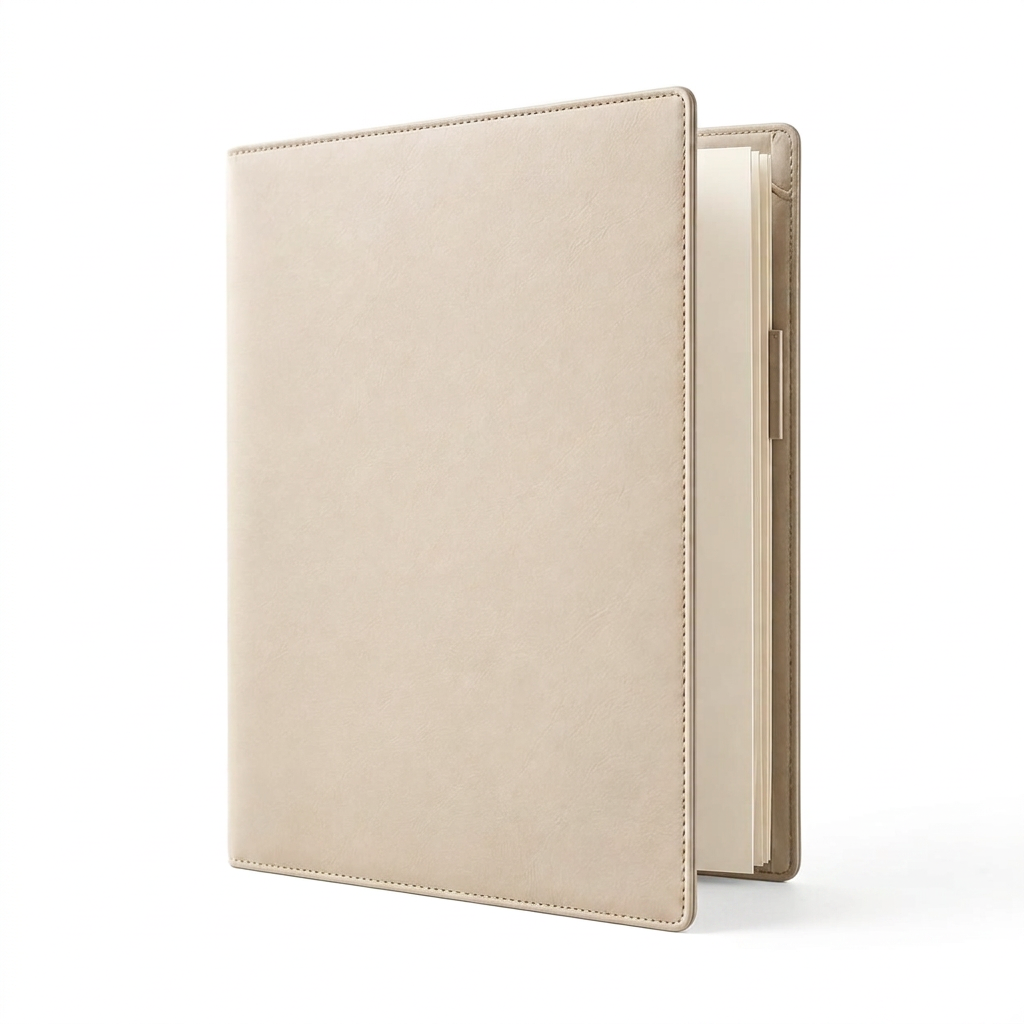
Menu covers in PU or PVC-coated material wipe clean and resist spills; genuine leather looks and feels more premium but needs more careful cleaning and isn't as spill-resistant.
A bill folder can be a simple flat folder or one with an elastic band or card pocket, a small functional difference that affects how servers actually use it during a payment transaction.
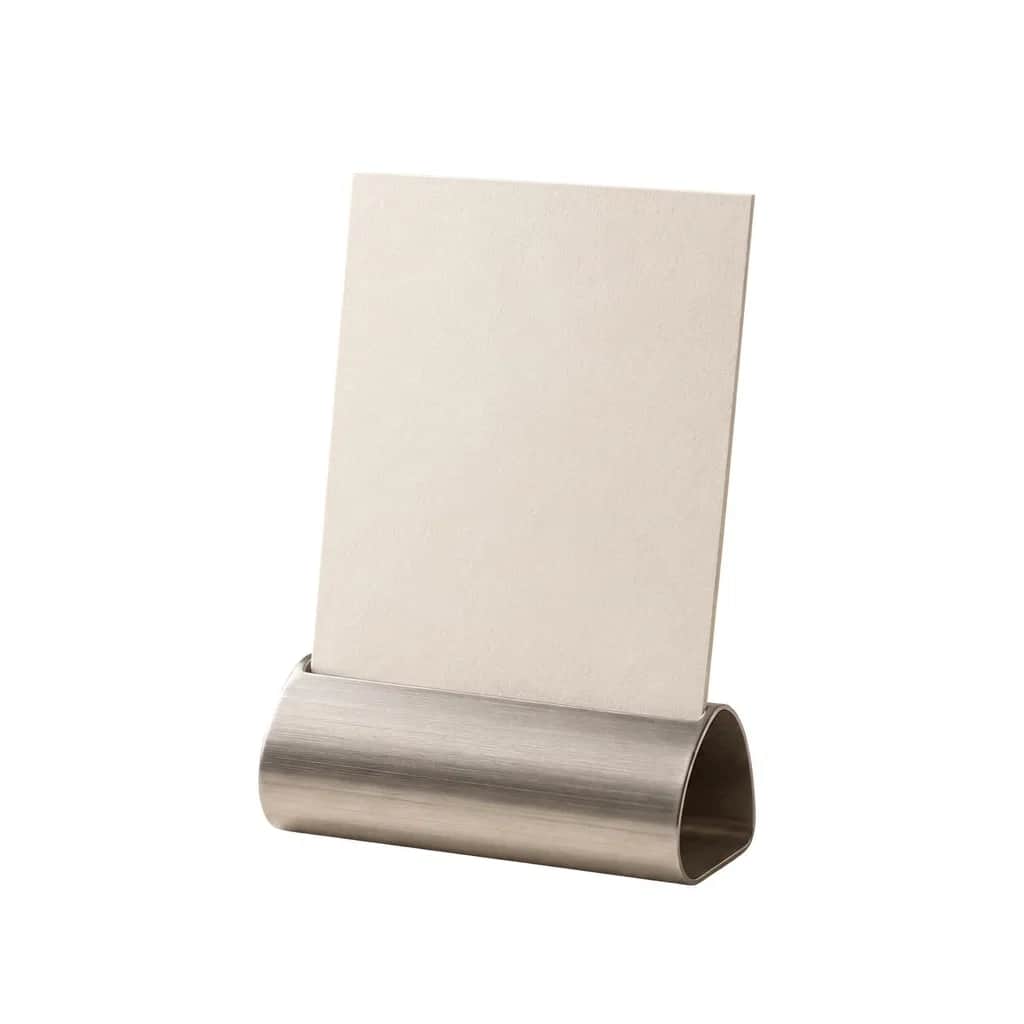
Table number holders typically use a weighted metal or resin base to prevent tipping on an outdoor or uneven table, a detail far more critical here than for an indoor tabletop object.
FAQ
A simple flat folder is the cheapest and most common; adding an elastic band or a card pocket makes it easier for servers to present and return a card during payment, at a modest cost increase.
A PU-coated menu cover (China, 300–500 unit run) lands around $2–4; a bill folder runs $1.50–3; a weighted table number holder runs $3–6 depending on base material.
PU or PVC for wipe-clean durability and lower cost, suited to high-turnover casual dining; leather for a premium look in a fine-dining setting where handling frequency is lower and appearance matters more.
Typically 300–500 units per material and print design, since embossing, coating, and printing setups all carry a fixed cost that needs volume to amortize.
Outdoor and uneven tables risk tipping a lightweight holder, especially in wind; a metal or resin weighted base keeps it stable in a way that isn't necessary for an indoor, flat-surface item.
Ask specifically about abrasion resistance and cleaning-chemical compatibility, since these items are wiped down with commercial cleaners far more often than a comparable home object would be.
These generally fall under HS 4820 (paper/covers) or HS 4202 (cases and covers of leather or coated material) depending on construction. Confirm per SKU based on primary material.