
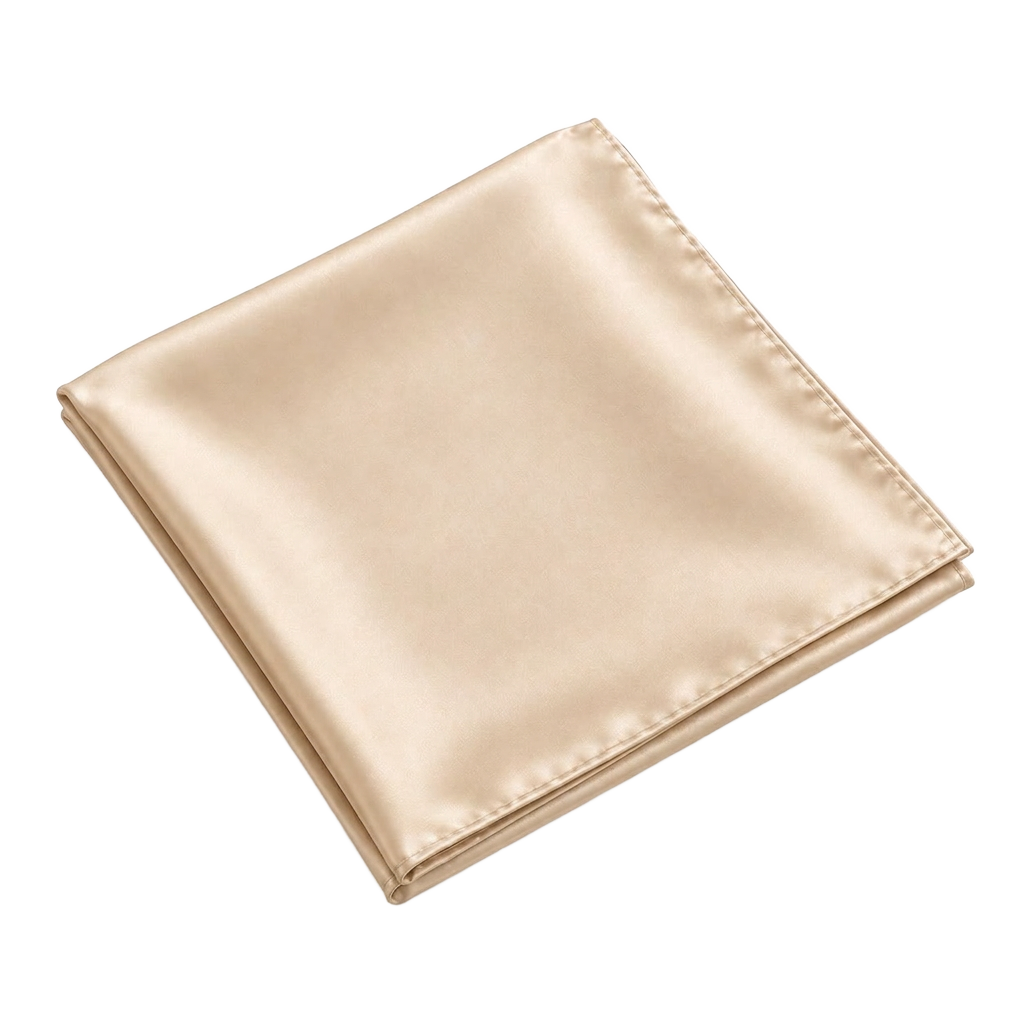
Square Scarf
Roman soldiers wore a cloth called a sudarium — literally a "sweat cloth" — knotted around the neck to wipe their faces in the field, the same place a scarf sits today. For most of the two thousand years between then and now, a scarf's job stayed almost entirely practical: warmth, protection from wind, a place to wipe your hands. It wasn't until the 20th century, when printed silk squares became a signature accessory of Paris fashion houses, that the scarf's job split in two — one branch built for warmth, the other built to be looked at.
The same factories that produce for houses like Celine and Balenciaga can produce this piece, directly to you
GABI
Make it yours
Material gradeMOQ 50
Colour
Square Scarf
Roman soldiers wore a cloth called a sudarium — literally a "sweat cloth" — knotted around the neck to wipe their faces in the field, the same place a scarf sits today. For most of the two thousand years between then and now, a scarf's job stayed almost entirely practical: warmth, protection from wind, a place to wipe your hands. It wasn't until the 20th century, when printed silk squares became a signature accessory of Paris fashion houses, that the scarf's job split in two — one branch built for warmth, the other built to be looked at.
The same factories that produce for houses like Celine and Balenciaga can produce this piece, directly to you
GABI
Make it yours
Material gradeMOQ 50
Colour
Roman soldiers wore a cloth called a sudarium — literally a "sweat cloth" — knotted around the neck to wipe their faces in the field, the same place a scarf sits today. For most of the two thousand years between then and now, a scarf's job stayed almost entirely practical: warmth, protection from wind, a place to wipe your hands. It wasn't until the 20th century, when printed silk squares became a signature accessory of Paris fashion houses, that the scarf's job split in two — one branch built for warmth, the other built to be looked at.
From Sweat Cloth to Silk Square
The scarf's functional Roman origin, and its 20th-century split into a warmth garment and a fashion accessory once printed silk squares became a luxury signature.
Woven scarves use flat loom construction and hold a crisp shape, common for silk and wool challis; knitted scarves stretch and drape, common for chunky wool or acrylic winter styles.
Edge finishing splits into fringed (loose warp threads, sometimes hand-knotted), hemmed (folded and stitched), and rolled-edge (a fine, hand- or machine-rolled hem common on premium silk squares) — each a different cost and hand-feel.
Stadium and supporter scarves knit team colors and text directly into the fabric using jacquard knitting, the same logic as a woven lanyard, so the design survives repeated wear and washing far better than a printed alternative.
FAQ
A knitted acrylic or wool-blend scarf (China, 300–500 unit run) lands around $4–8; a woven silk or fine wool scarf runs $10–20, driven by fiber cost and edge finishing.
Woven for a crisp, structured drape and silk or fine wool styles; knitted for stretch, chunkier texture, and typically lower cost in wool or acrylic winter scarves.
Fringe leaves the loom's warp threads loose, sometimes hand-knotted; a hem folds and stitches the edge for a clean, simple finish; a rolled edge is a fine hand- or machine-rolled hem typical of premium silk squares. Rolled edges cost the most due to the hand-finishing labor involved.
Typically 300–500 units per colorway, since both weaving and knitting require a yarn or dye-lot minimum to run economically.
Team colors and text are knitted directly into the fabric via jacquard knitting rather than printed on afterward, so the design survives years of outdoor wear and repeated washing without fading or cracking the way a printed design would.
Lightweight scarves typically use viscose, modal, or fine wool for drape without bulk; heavier scarves use wool or wool-acrylic blends for warmth. State the weight target (GSM) alongside the fiber, since the same fiber can be woven light or heavy.
Scarves generally fall under HS 6214, with subheadings splitting by fiber content (silk, wool, synthetic, cotton). Confirm per SKU, since duty rates vary meaningfully by fiber.


