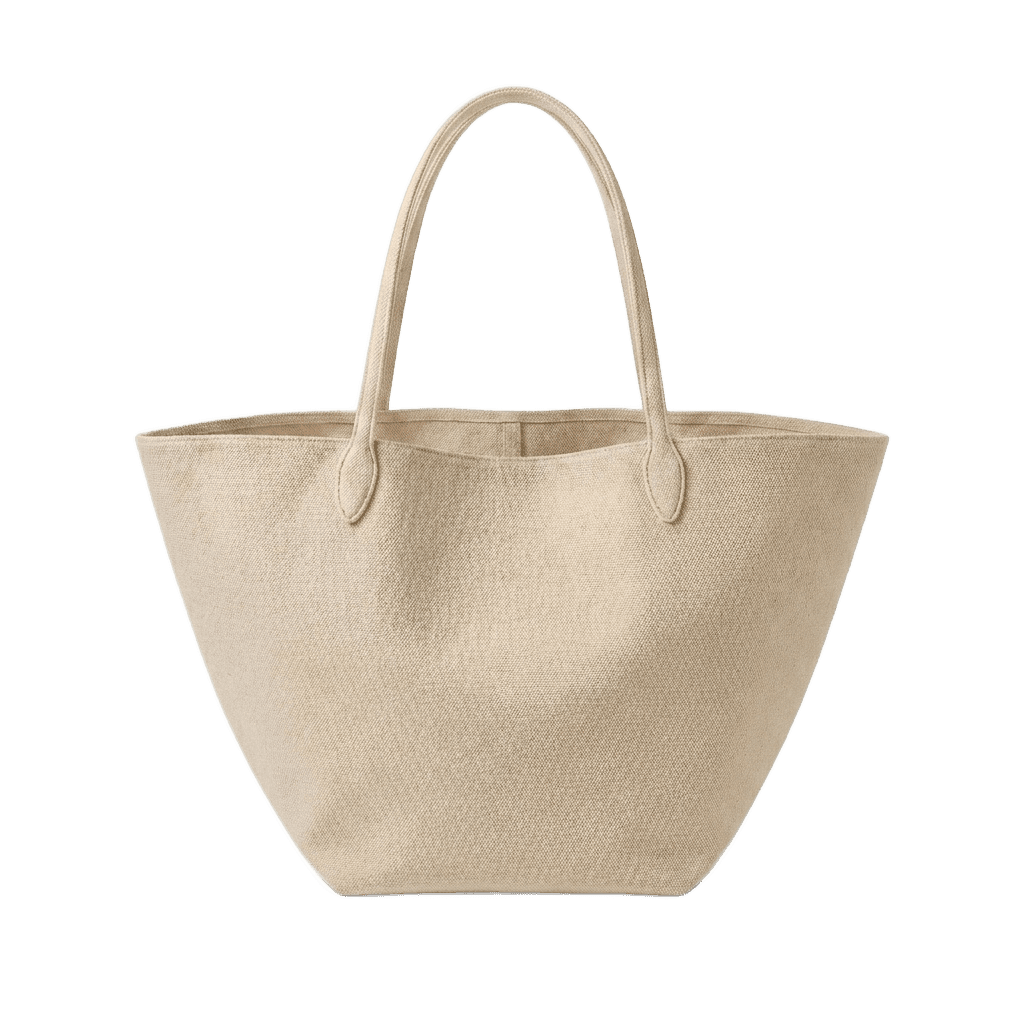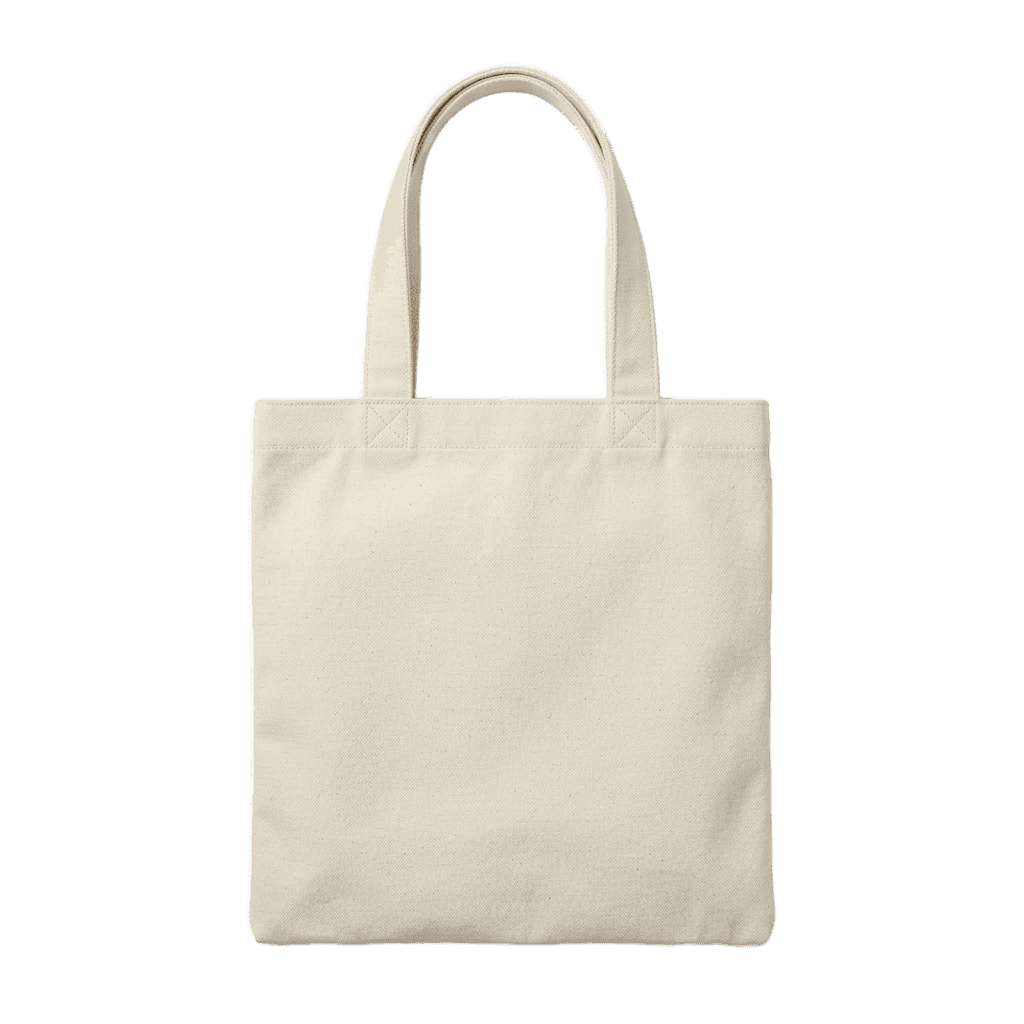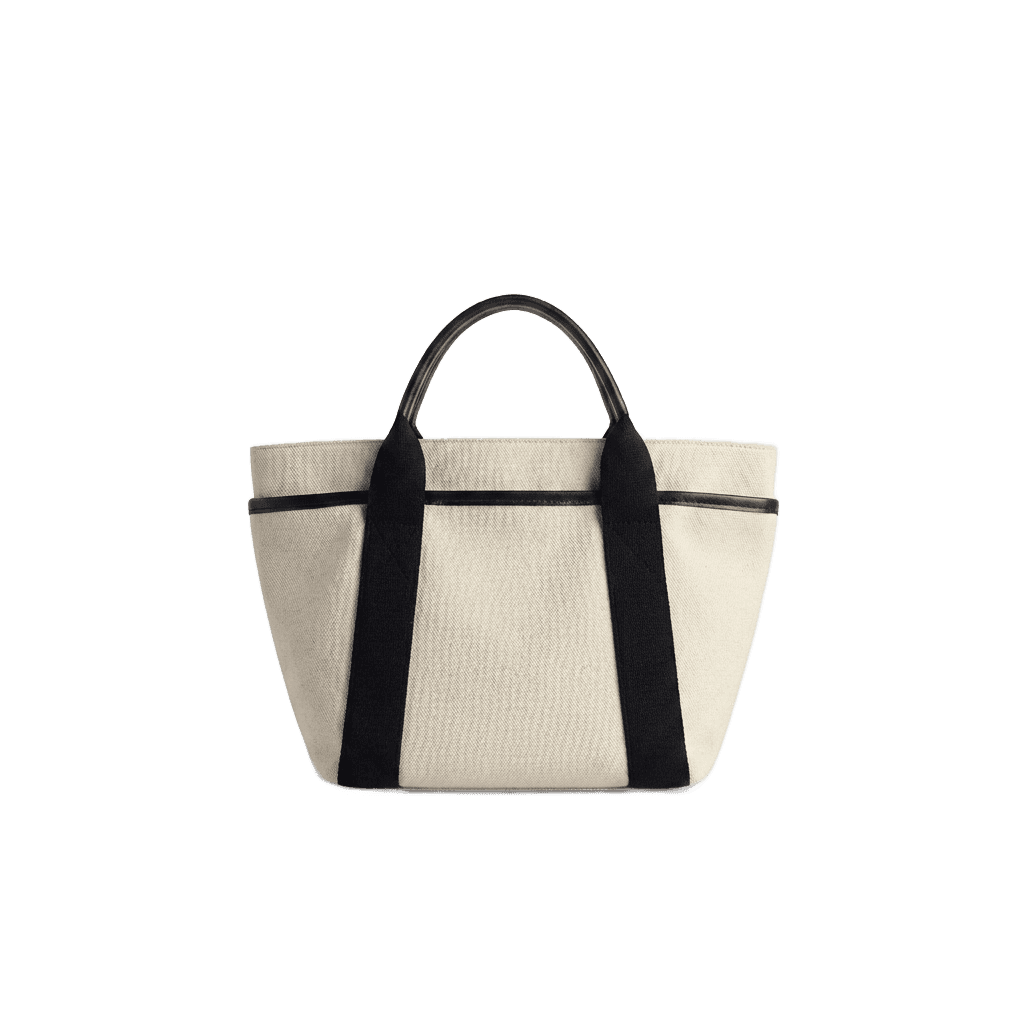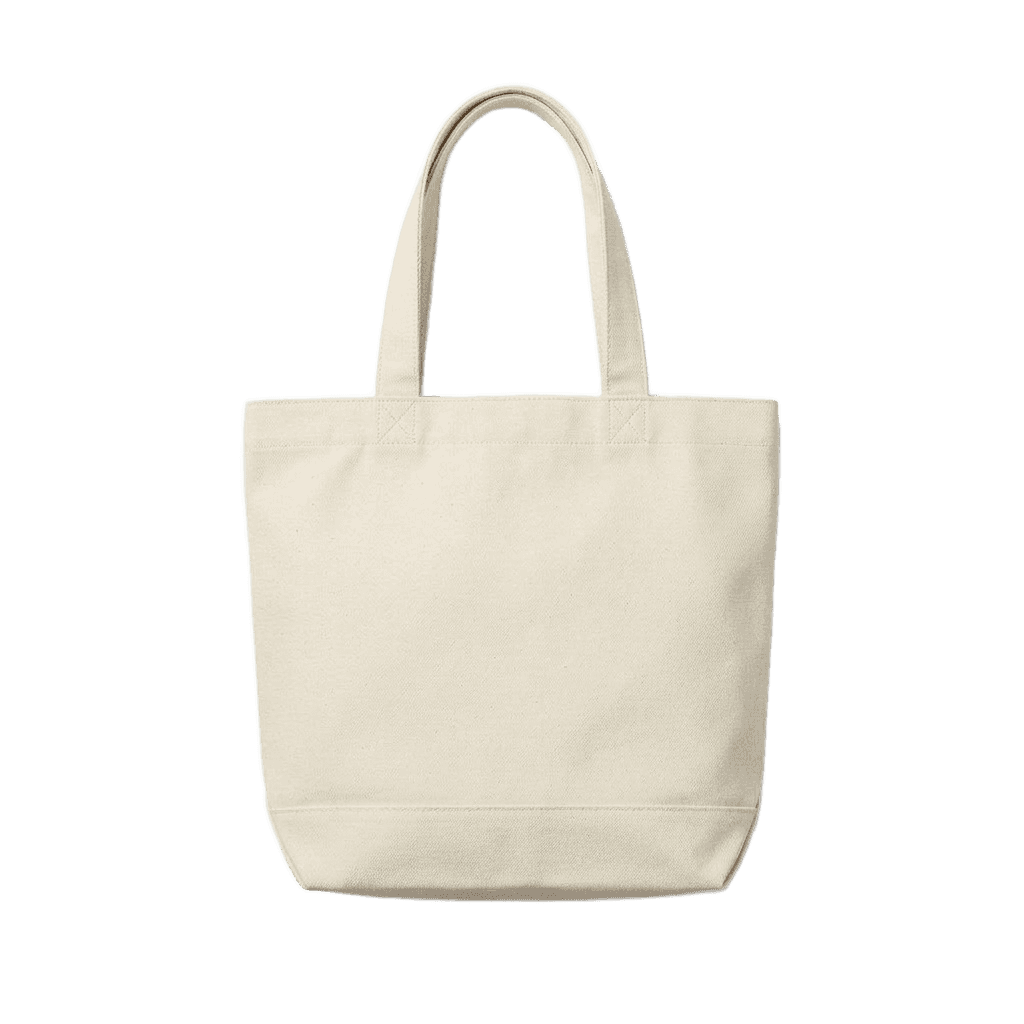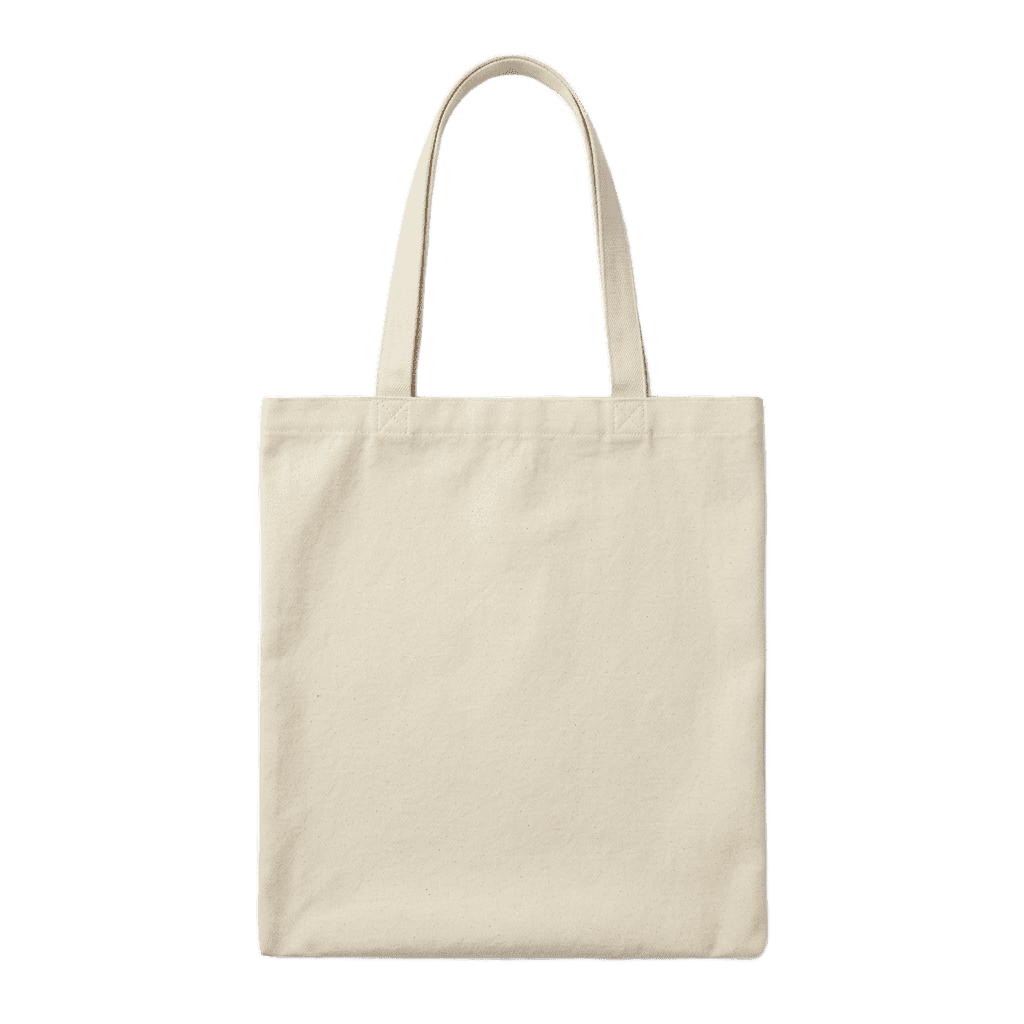
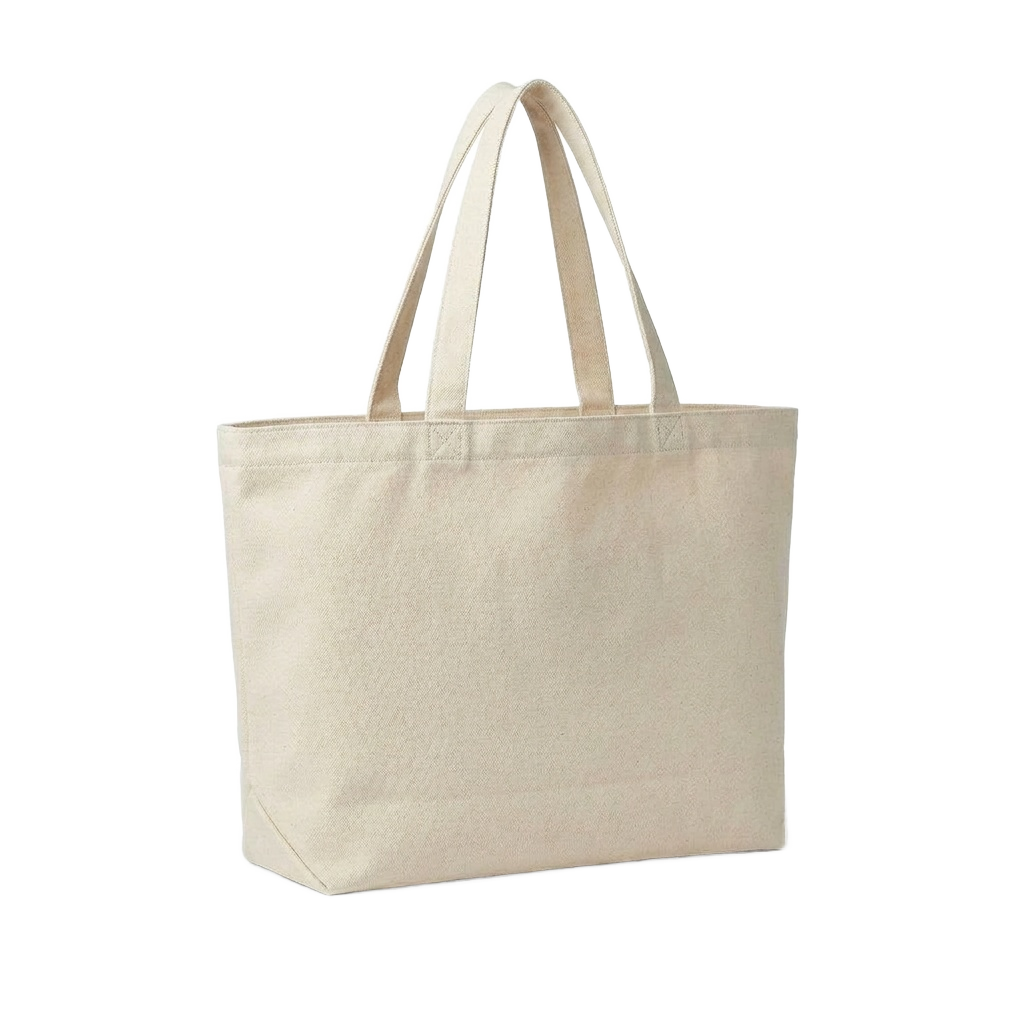
Canvas Flat Tote Bag
The tote is the simplest bag shape in fashion and one of the hardest to make look expensive. Two panels, two handles, one opening: that is the entire premise. The value comes from canvas weight, handle engineering, seam strength, and whether the bag collapses with dignity.
The same factories that produce for houses like Celine and Balenciaga can produce this piece, directly to you
GABI
Make it yours
Material gradeMOQ 300
Colour
Canvas Flat Tote Bag
The tote is the simplest bag shape in fashion and one of the hardest to make look expensive. Two panels, two handles, one opening: that is the entire premise. The value comes from canvas weight, handle engineering, seam strength, and whether the bag collapses with dignity.
The same factories that produce for houses like Celine and Balenciaga can produce this piece, directly to you
GABI
Make it yours
Material gradeMOQ 300
Colour
Fabrics
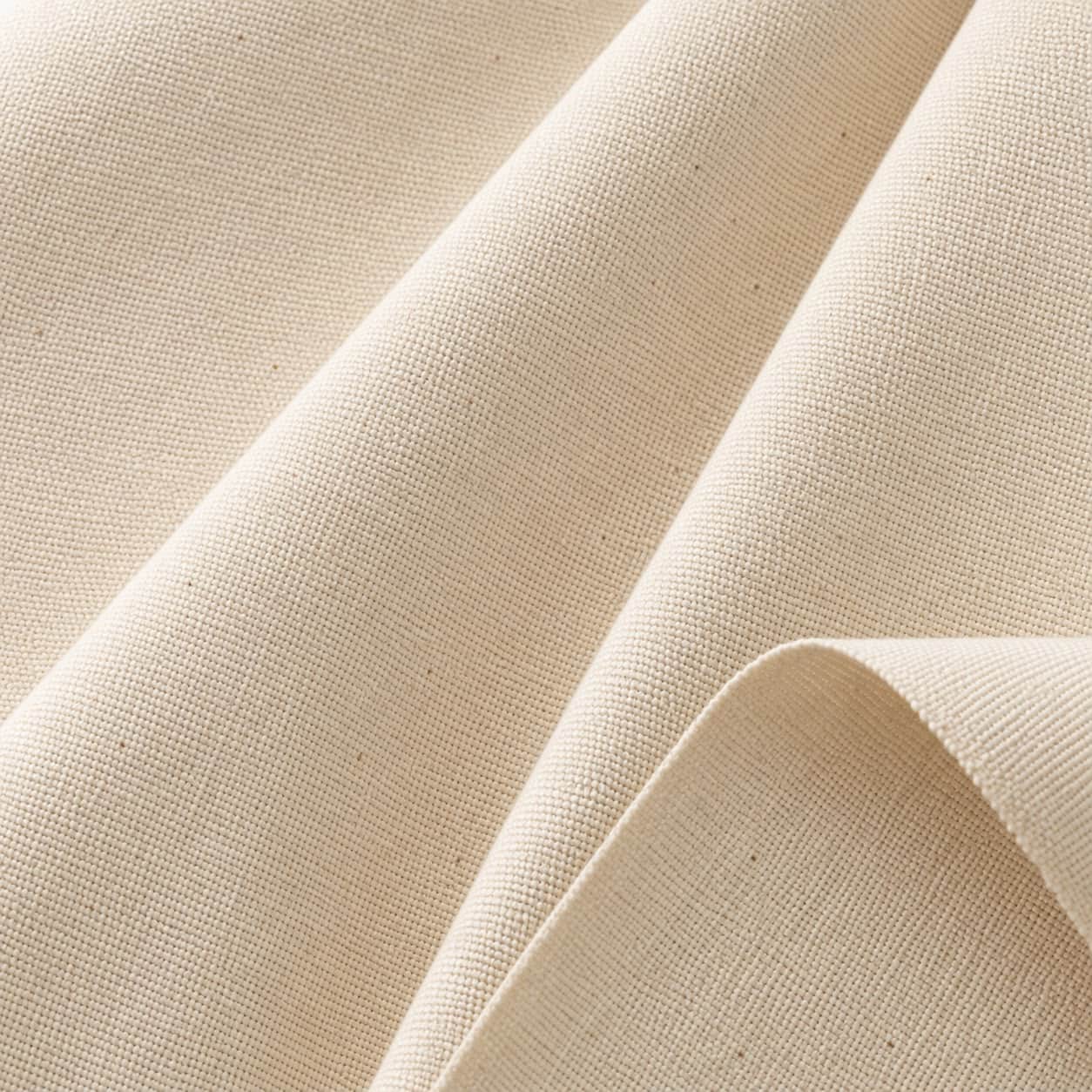

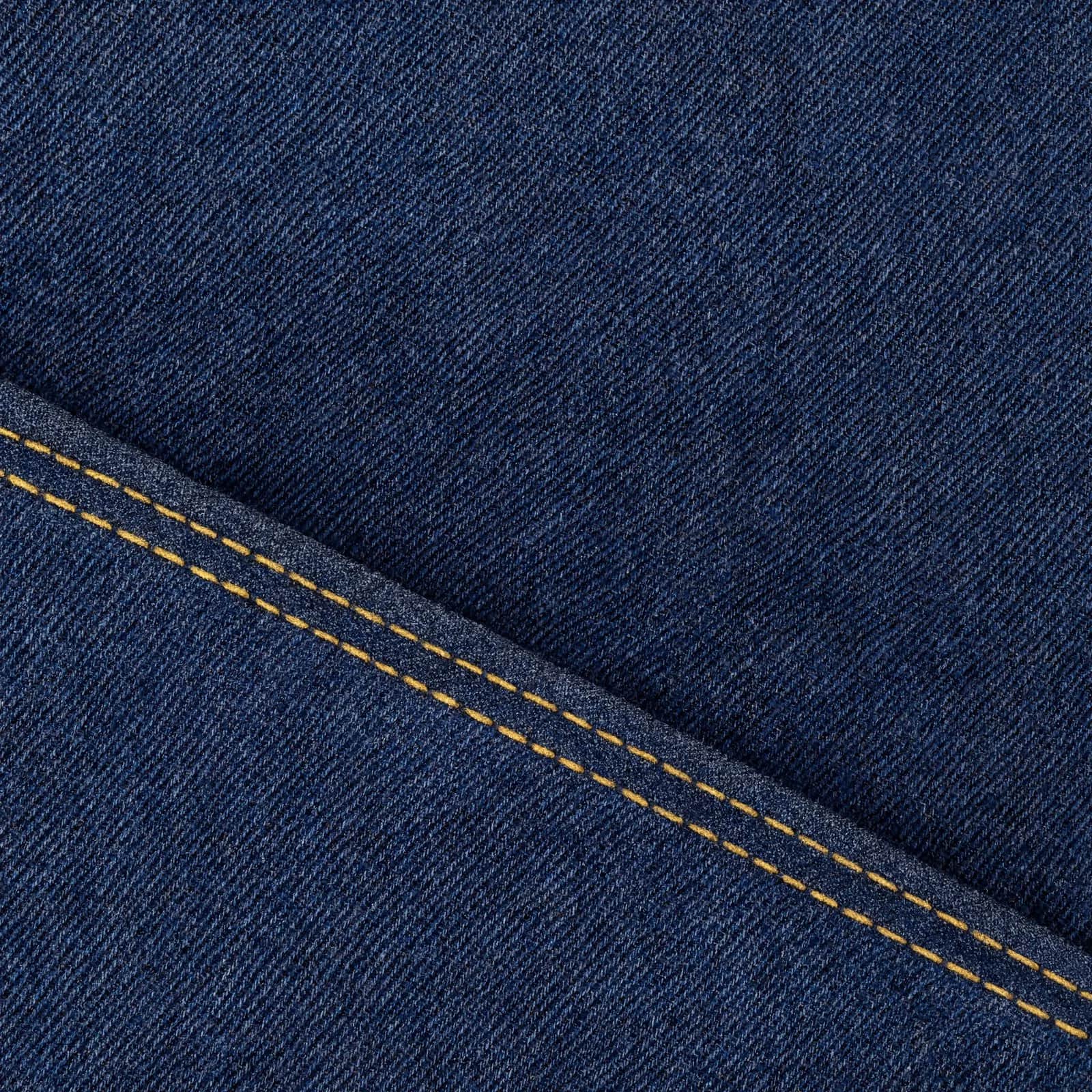
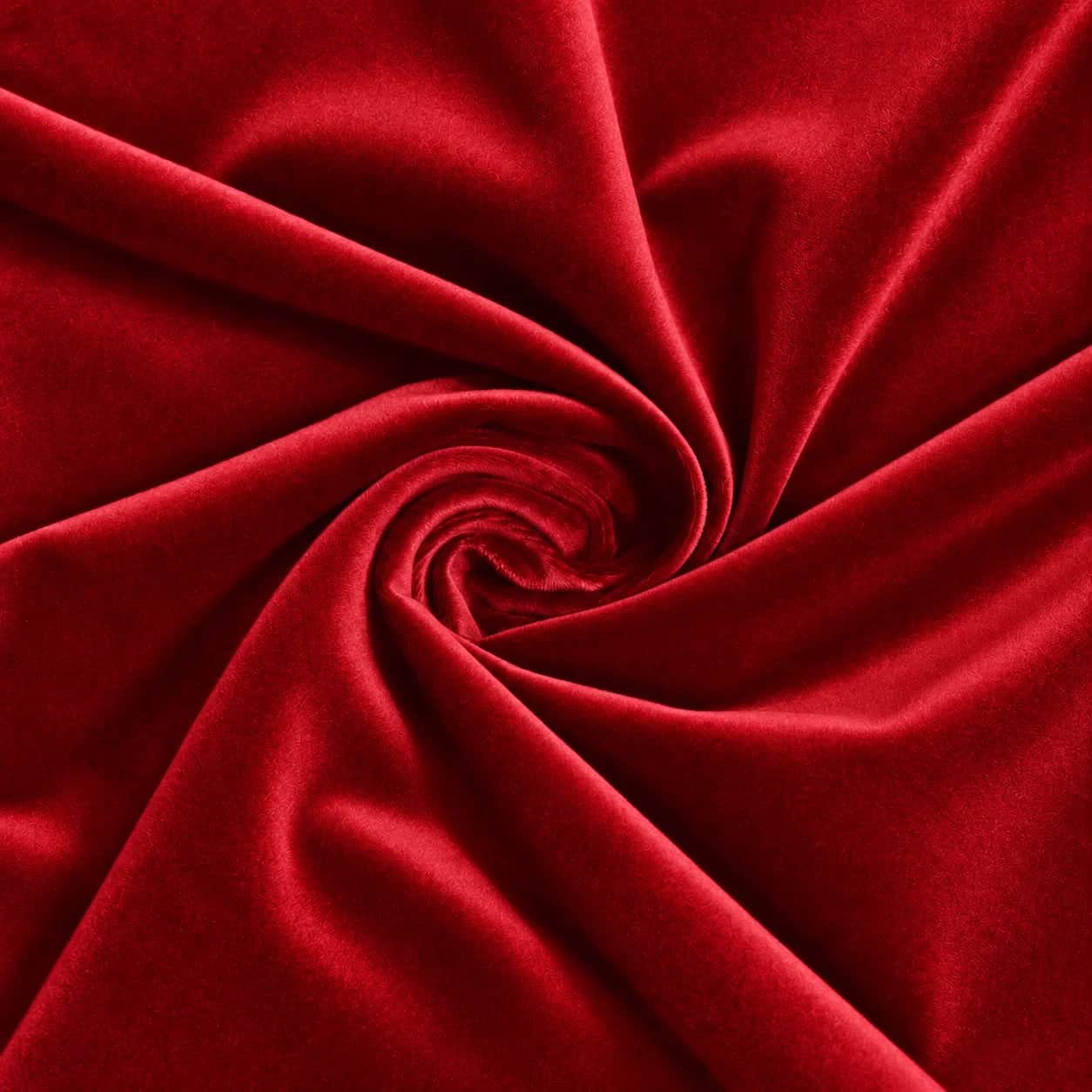
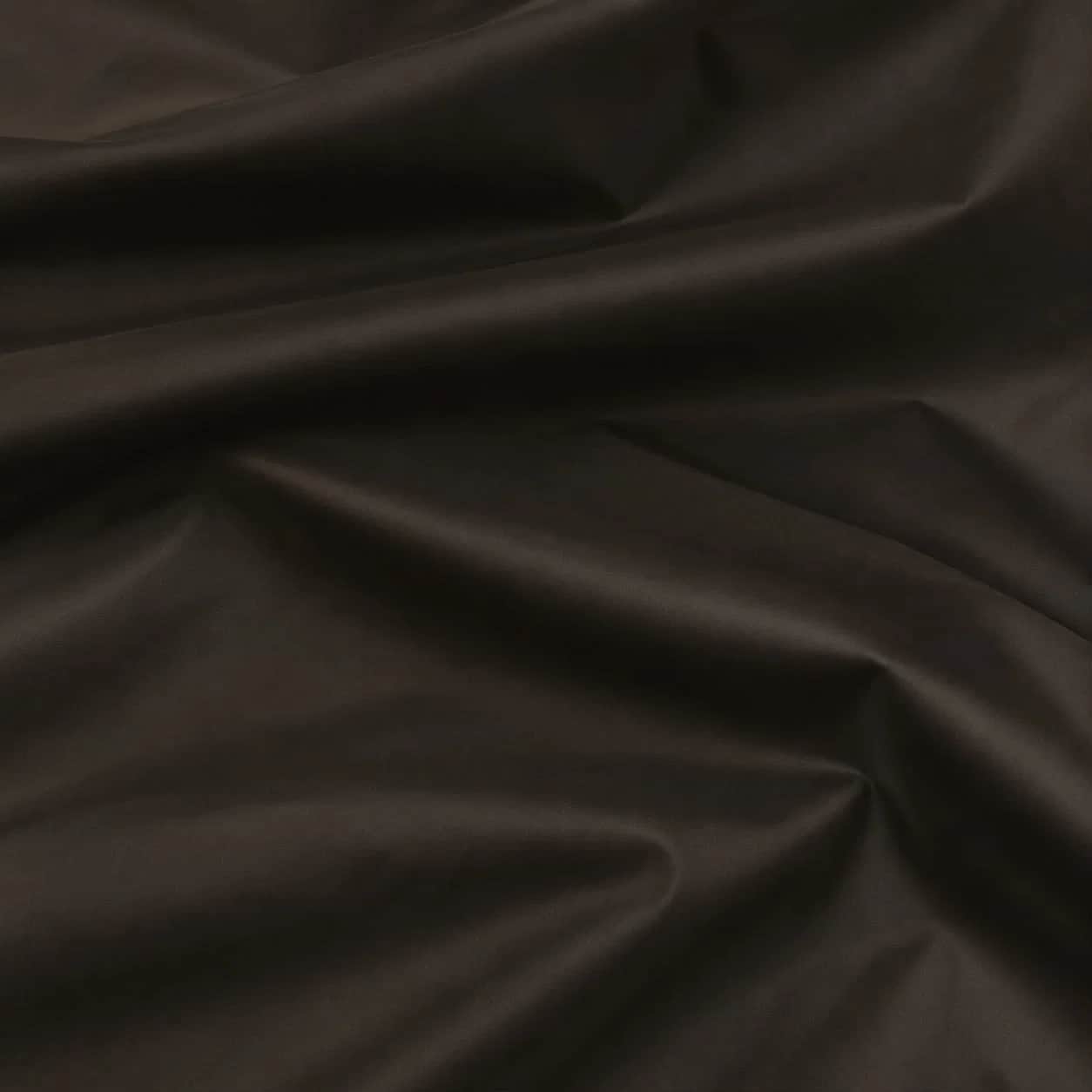
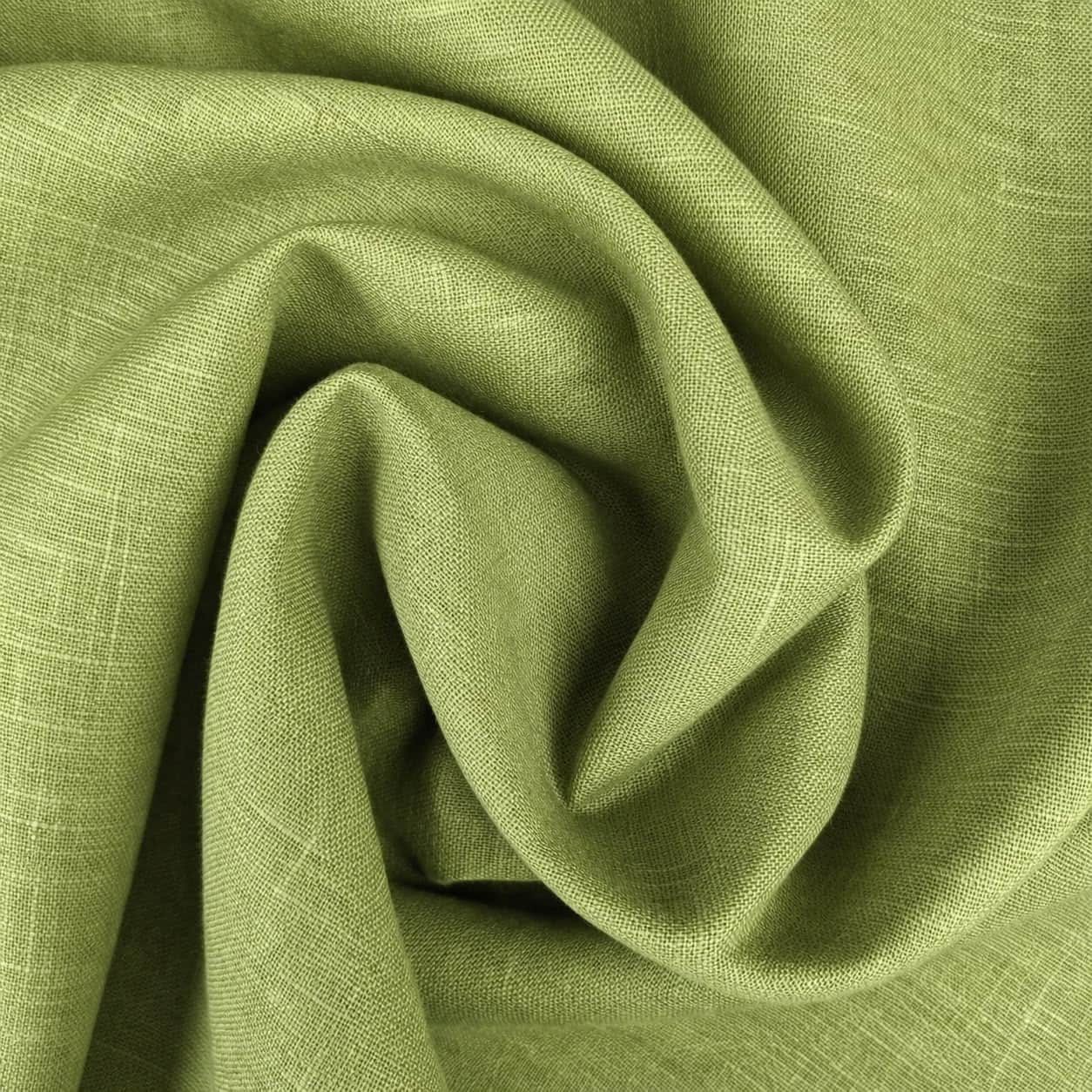
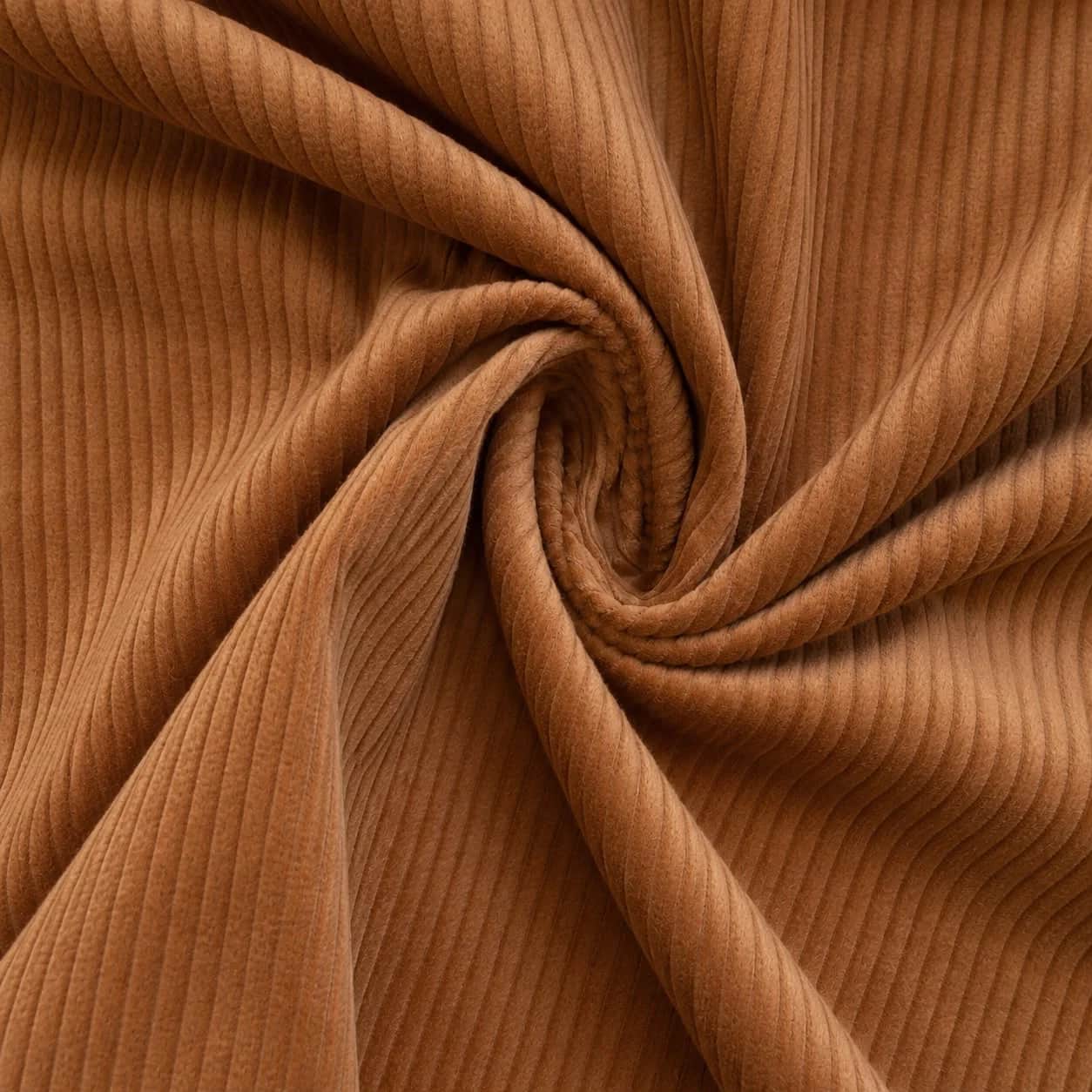
The tote is the simplest bag shape in fashion and one of the hardest to make look expensive. Two panels, two handles, one opening: that is the entire premise. The value comes from canvas weight, handle engineering, seam strength, and whether the bag collapses with dignity.
The Tote Bag -- "The tote is the simplest bag shape in fashion and one of the hardest to make look expensive."
The tote bag's roots are practical carry: market bags, boat bags, book bags, and utility canvas carriers. It became a fashion object because the open rectangle is an ideal surface for material, logo, and proportion. Luxury did not change the format; it changed leather trim, hardware, structure, and branding.
Construction logic
A tote can be flat, boxed, gusseted, bucket-shaped, or structured. The critical points are handle attachment, bottom reinforcement, seam strength, and edge finishing. Canvas totes rely on fabric weight and stitching; leather-trimmed totes rely on reinforcement and hardware quality.
Commercial logic for creators
For creators, the tote is a low-pattern-risk accessory with strong brand visibility. It is also brutally transparent: cheap canvas, weak handles, and poor edge finishing make the product feel promotional. Premium totes win with proportion and durability, not complexity.
FAQ
A tote is an open-top carry bag, usually with two handles and a rectangular, gusseted, or structured body.
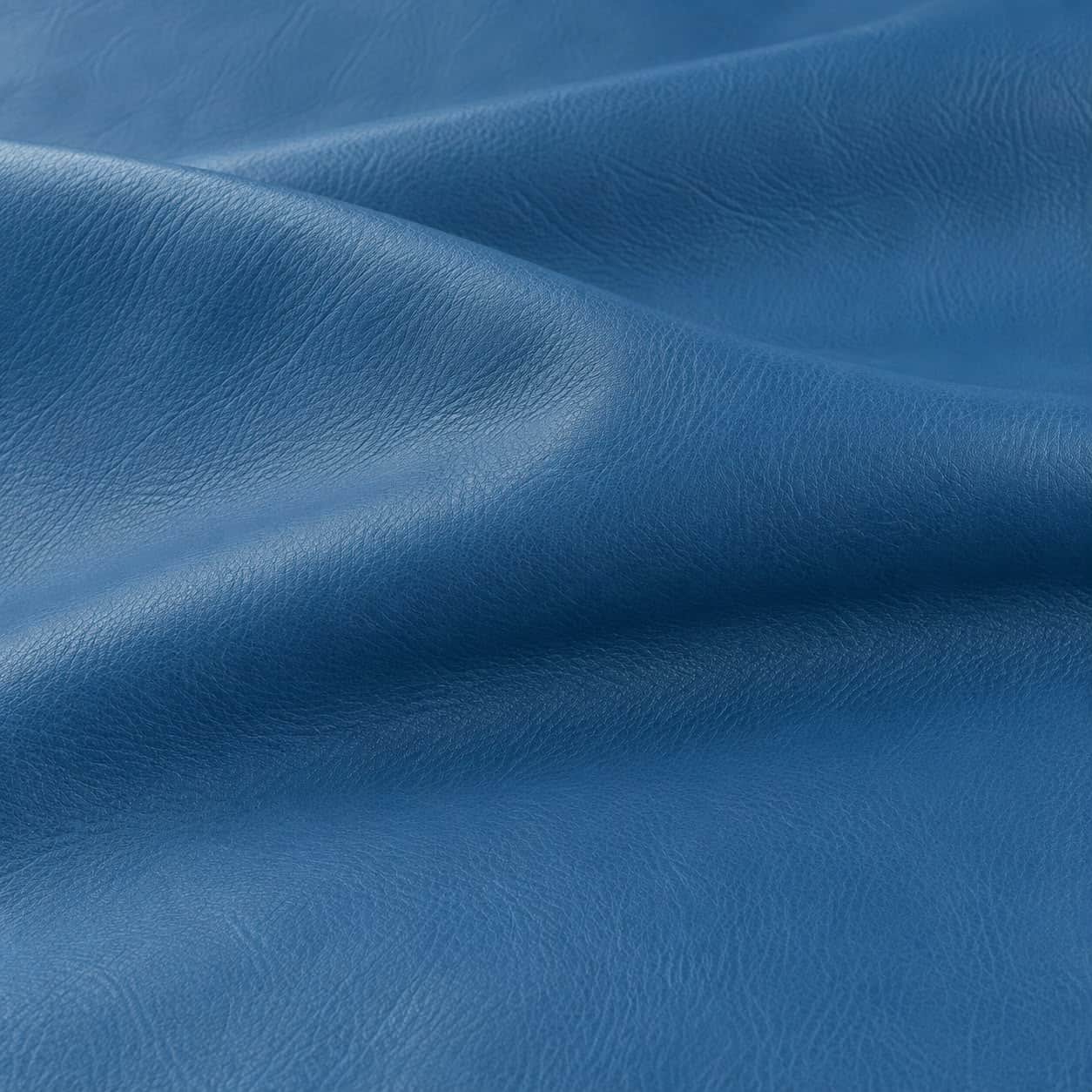
Common options include cotton canvas, duck canvas, nylon canvas, leather, canvas/leather combinations, webbing, and metal hardware.. Choose based on target price, handfeel, durability, and care requirements.
Focus on reinforced handles, boxed corners, bottom panels, lining, top hem, edge binding, and bartacks at stress points. These details usually determine whether the product feels credible or cheap.
Check handle drop, body depth, laptop fit, opening width, and whether the bag is soft, structured, or collapsible. Fit should be reviewed on the body type and use case the product is designed for, not only on a flat measurement sheet.
The main cost drivers are canvas weight, leather trim, lining, hardware, bottom reinforcement, inner pockets, and edge finishing. Sampling time and rejection risk also increase cost when the fit is sensitive.
Request checks for handle pull strength, seam strength, abrasion, colour transfer, and hardware corrosion. For performance or workwear products, test under the real use condition rather than only visually.
Watch for handles tearing out, sagging bottom, weak lining, uneven top edge, and dye transfer from dark canvas or leather. These issues should be caught at fit sample, pre-production sample, and bulk inspection stages.
affordable uses unlined canvas; premium adds lining and reinforced base; luxury adds leather trim, hardware, and structured construction.
Include handle drop, bag dimensions, gusset depth, reinforcement map, pocket layout, material weight, and hardware spec. Add reference photos and tolerance notes where fit or construction is easy to misread.
bag factories with canvas and leather-trim capability are preferred over garment factories.
Use OEKO-TEX STANDARD 100 as a consumer-safety baseline where possible. Use GOTS for organic cotton, GRS for recycled polyester or nylon, RWS for responsible wool, and leather-specific or chemical compliance where relevant to the material.
spot clean canvas, condition leather trims if used, and avoid overloading beyond handle-test limits.