Tracker Holder — Technical
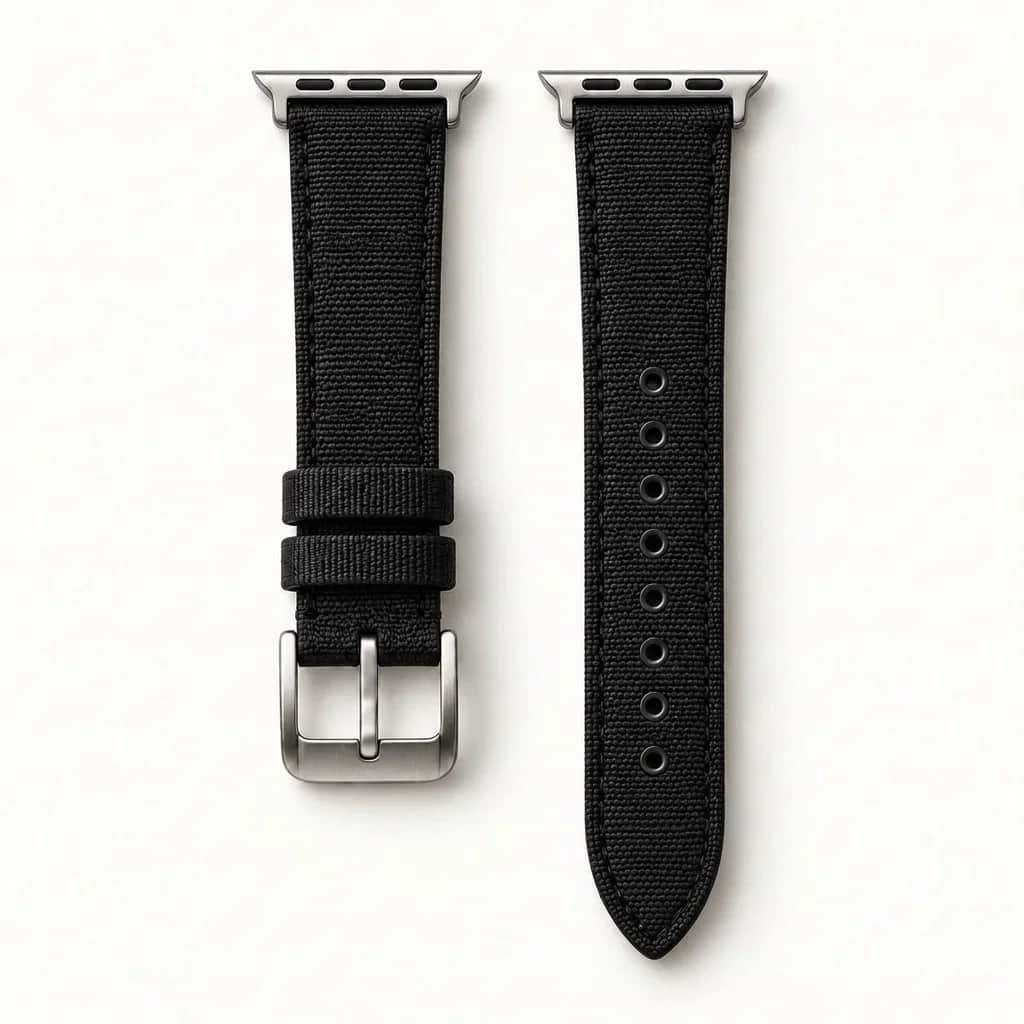
The quick-release spring bar that lets a watch strap pop off in seconds is a much older piece of watchmaking than any smartwatch — but Apple's proprietary lug mechanism for the Apple Watch, introduced in 2015, created something new: a strap market locked to one specific brand's attachment system rather than the universal standard traditional watches had used for decades. Every major smartwatch platform since has followed the same logic, tying strap compatibility to the specific device generation.
The same factories that produce for houses like Celine and Balenciaga can produce this piece, directly to you
GABI
Make it yours
Material gradeMOQ 50
Colour
Tracker Holder — Technical
The quick-release spring bar that lets a watch strap pop off in seconds is a much older piece of watchmaking than any smartwatch — but Apple's proprietary lug mechanism for the Apple Watch, introduced in 2015, created something new: a strap market locked to one specific brand's attachment system rather than the universal standard traditional watches had used for decades. Every major smartwatch platform since has followed the same logic, tying strap compatibility to the specific device generation.
The same factories that produce for houses like Celine and Balenciaga can produce this piece, directly to you
GABI
Make it yours
Material gradeMOQ 50
Colour
The quick-release spring bar that lets a watch strap pop off in seconds is a much older piece of watchmaking than any smartwatch — but Apple's proprietary lug mechanism for the Apple Watch, introduced in 2015, created something new: a strap market locked to one specific brand's attachment system rather than the universal standard traditional watches had used for decades. Every major smartwatch platform since has followed the same logic, tying strap compatibility to the specific device generation.
A Universal Mechanism, Then a Proprietary One
The spring bar predates smartwatches, but device-specific attachment systems broke from that universal standard.
Smartwatch straps are commonly made from nylon, breathable and often woven or braided, chosen for sport and daily-wear comfort rather than the formality of leather or metal traditional watch straps.
Strap width and attachment mechanism must match the exact device model and sometimes generation, unlike a traditional 20mm or 22mm universal lug width used across most conventional watches.
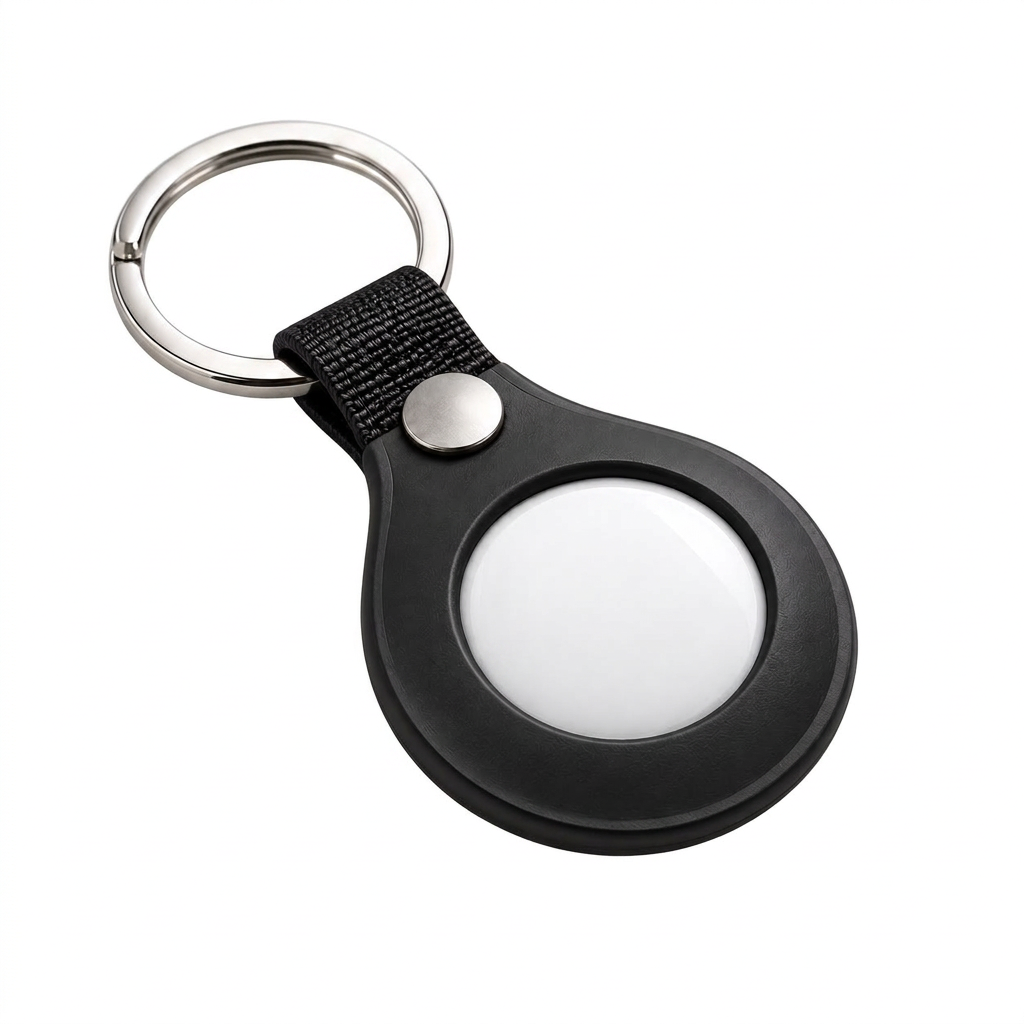
A tracker holder is a clip or strap accessory that holds small standalone trackers (fitness bands, GPS tags) onto a bag, belt, or shoe rather than the wrist, serving an entirely different attachment need than a watch strap.
FAQ
A nylon smartwatch strap (China, 500-unit run) lands around $2–5; a tracker holder runs $2–4 depending on clip mechanism and material.
Nylon for breathability and sport use at a lower cost; leather or silicone are alternatives depending on whether the strap targets formal wear or water-resistant activity use.
Attachment mechanisms and lug widths are often proprietary and can change between device generations, so a strap made for one model or generation may not physically fit another, even from the same brand.
Typically 500–1,000 units per device compatibility and colorway, since the attachment mechanism (buckle or clip) is often sourced or tooled specifically for that device fit.
A smartwatch strap attaches a device to the wrist; a tracker holder clips or straps a small standalone tracker onto a bag, belt, or shoe, an entirely different mounting location and mechanism.
It generally isn't — each smartwatch brand and sometimes each model uses its own proprietary width and attachment system, unlike the universal 20mm/22mm standard common across most traditional watches.
These generally fall under HS 9113 (watch straps and bands) or HS 3926/4202 depending on material and whether classified as a watch accessory or general accessory. Confirm per SKU.