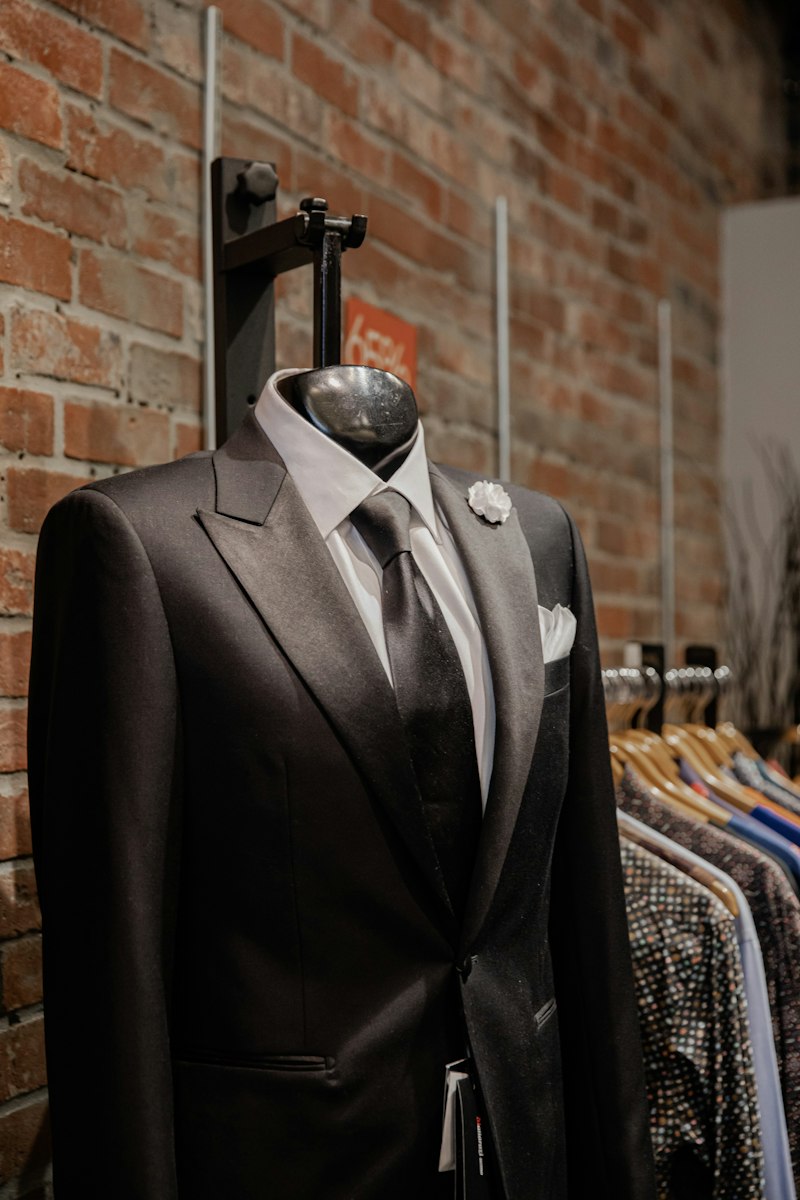
Guide · Tailored
Fused, Half-Canvas, or Full-Canvas? The One Choice That Defines a Blazer's Quality
Construction method — not fabric — is the primary quality variable in a blazer. Here's what each tier actually means, and where the CMT gap comes from.
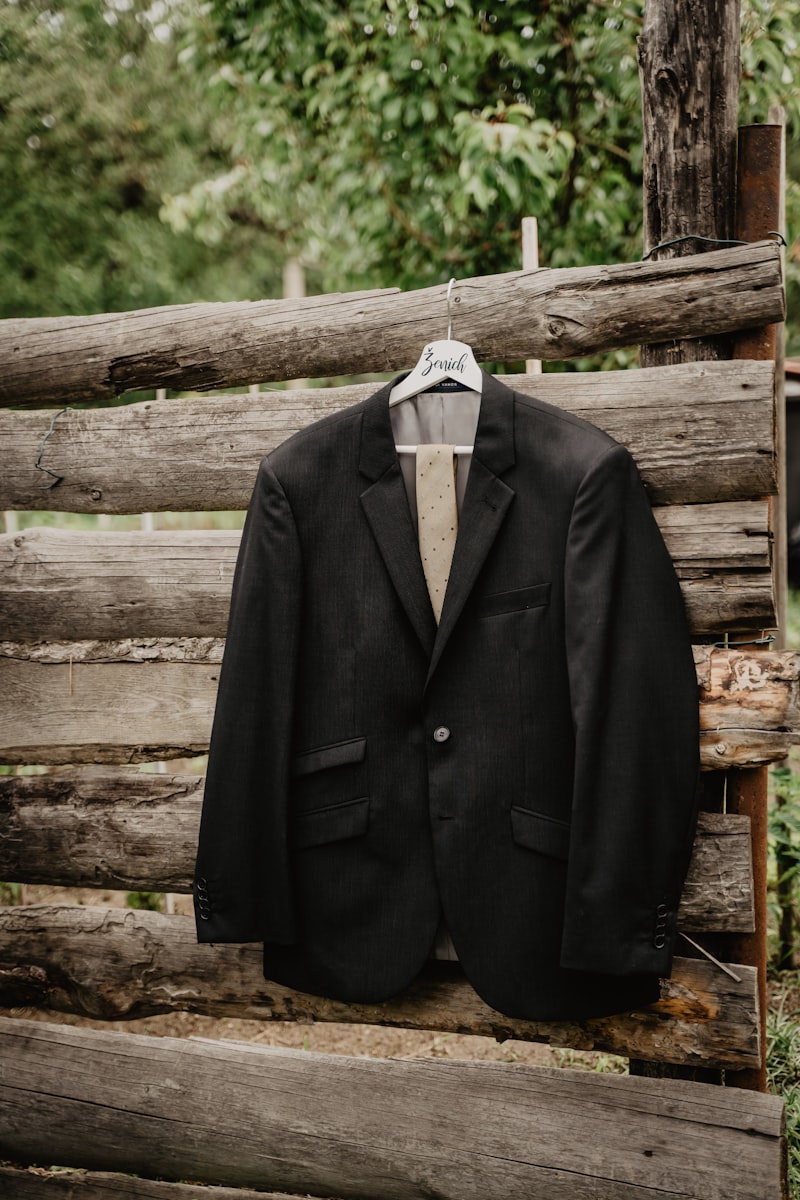
Ask most people what makes one blazer better than another and they'll point to fabric. The real answer is construction — specifically, what's happening inside the front panel and lapel, invisible until you feel the garment move.
A fused blazer, a half-canvas blazer, and a full-canvas blazer are three entirely different products.
The three construction tiers
Fused — machine bond, affordable
Adhesive-bonded interlining, pressed on by machine. Fast, cheap, and accessible for any factory.
Loses structure over time as the adhesive weakens with wear and washing.
Half-canvas — sewn chest piece, premium standard
A natural-fibre canvas chest piece sewn into the jacket front, providing most of full canvas's drape at a fraction of the CMT.
Most contemporary premium blazers at $300–600 retail are built this way.
Full-canvas — hand-built, luxury
The entire front is built from canvas, with the lapel pad-stitched by hand.
Moulds to the wearer over time and can be altered or relined indefinitely — the Savile Row standard.
Why the CMT gap is so wide#
- x1.6–1.8
- Half-canvas vs fused
- x2.5–3.5
- Full-canvas vs fused
Fusing is a machine operation — press, heat, done. Half-canvas requires sewing a chest piece by hand or machine into the jacket front. Full-canvas requires a skilled tailor to pad-stitch the lapel by hand and build the garment from the inside out — a fundamentally different, slower process.
The takeaway#
If you're deciding where to invest, half-canvas is usually the right call: it delivers most of full-canvas's drape and longevity at little more than half the CMT premium — a modest wool/poly half-canvas blazer will outperform a fused blazer in premium wool.
Powered by Sparkit — construction techniques and CMT benchmarks across 13+ material categories.