Guide · Tailored
Why Blazers Bubble After 10 Wears (And How to Stop It)
Interlining bubbling is the characteristic failure mode of fused construction. Here's the root cause, and the exact spec that prevents it.
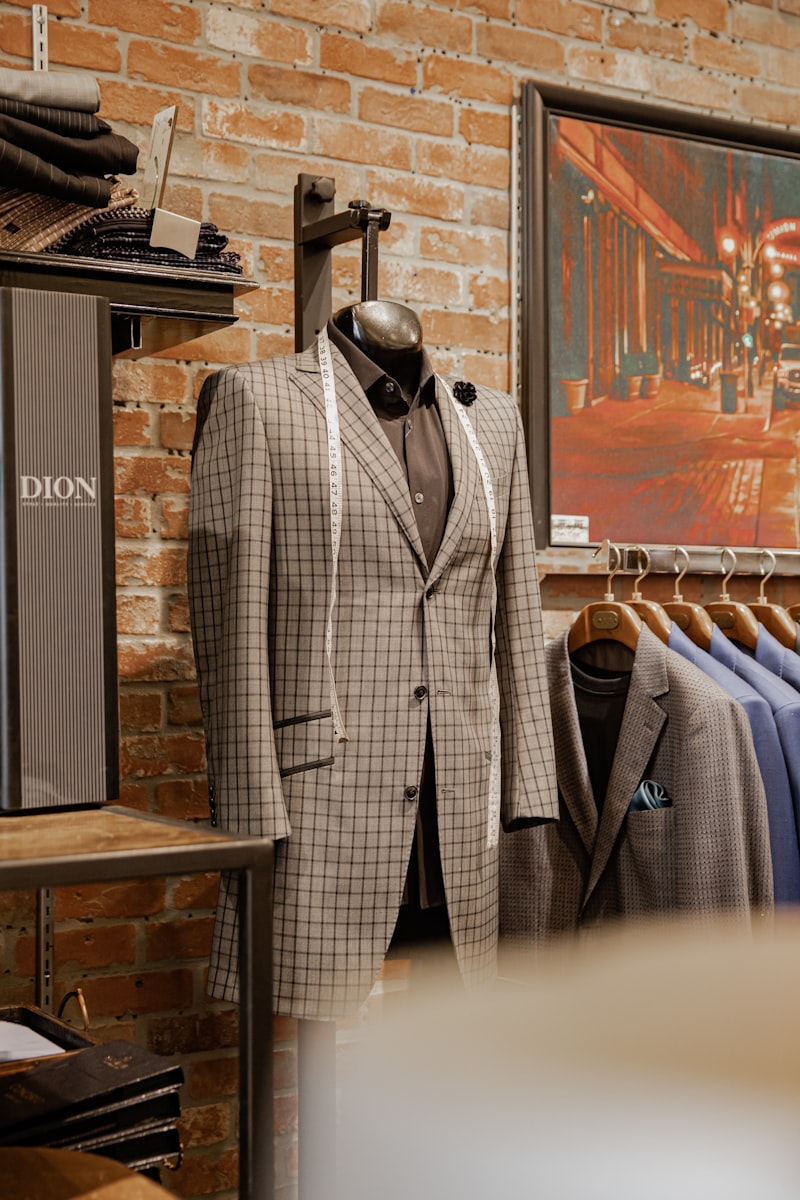
If you've ever seen a blazer's front panel develop odd bubbles or ripples after a handful of wears, you've seen the single most characteristic failure mode of fused construction — and it's almost entirely preventable with the right press spec.
Why it happens#
Fused construction bonds the interlining to the face fabric with heat-activated adhesive. Under-pressed fusing, heat, moisture, and repeated wear all weaken that bond over time. Once it starts failing, it fails unevenly — which is what produces the visible bubbling.
Fuse correctly the first time
Minimum 3-minute fuse press at 150°C under even pressure. Rushed or uneven pressing is the most common root cause.
Test before bulk approval
Run a 20-wash-cycle test on the fused sample. If bubbling shows up at 20 cycles, it will show up in customers' hands within a season.
Use woven fusible interlining
Woven fusible bonds more reliably than non-woven alternatives — specify it explicitly rather than leaving the factory to choose.
A half-canvas blazer cannot bubble. There's no adhesive bond to fail.
The takeaway#
If you're staying with fused construction for cost reasons, treat the press spec and wash test as non-negotiable QC steps, not optional extras — bubbling is a slow-motion failure that shows up in returns and reviews months after launch, which makes it expensive to trace back.
Powered by Sparkit — QC standards and failure-mode intelligence across 13+ material categories.