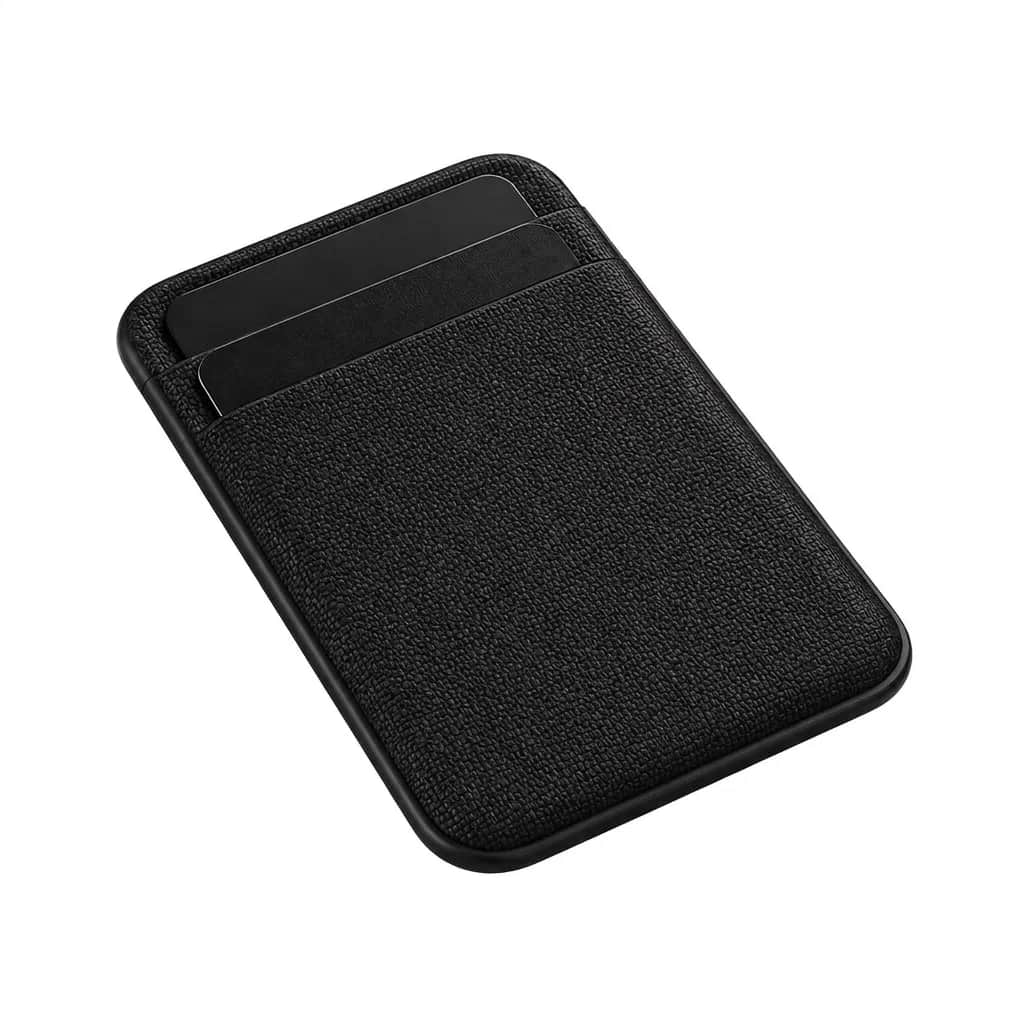
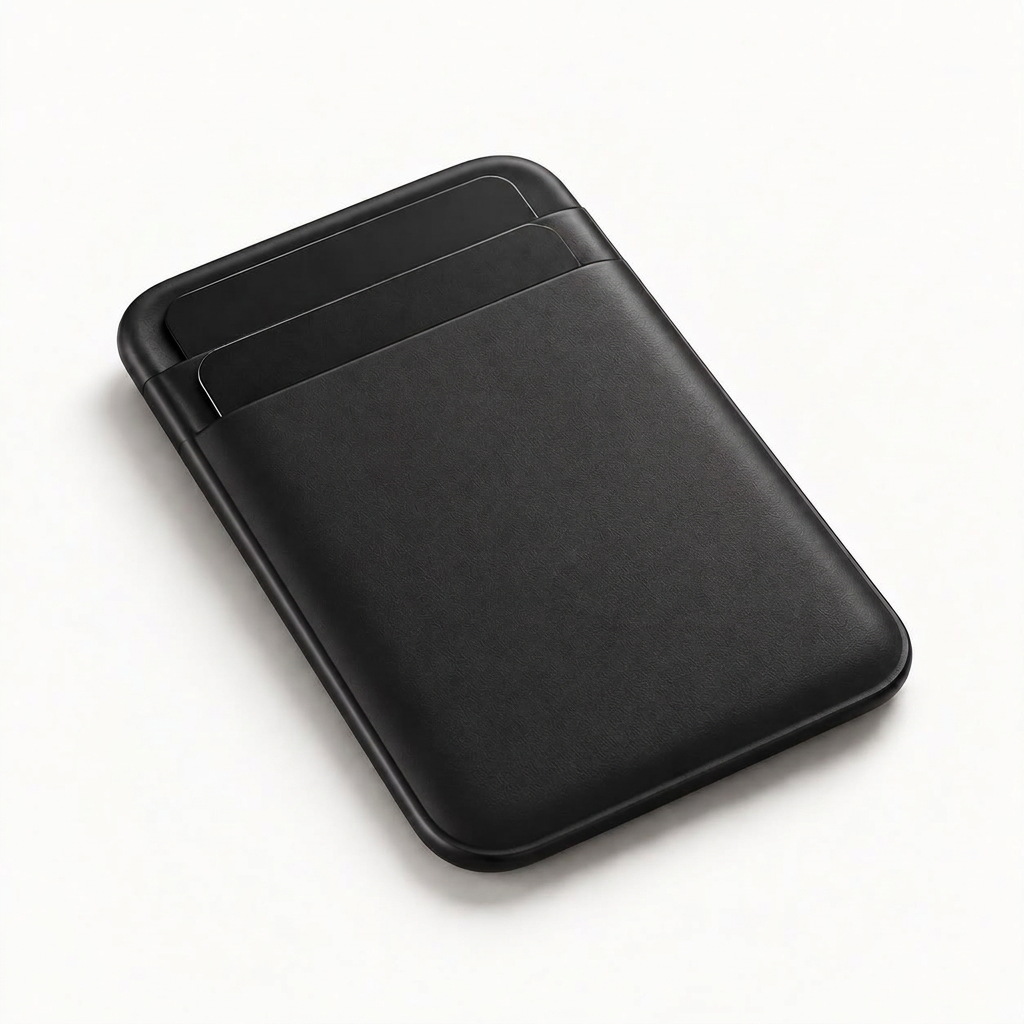
Magnetic Cardholder — Leather
Before 2020, a card holder that attached to a phone was almost always a sticky adhesive pocket, prone to peeling off and leaving residue. Apple's MagSafe standard, a ring of magnets built into the iPhone's back, gave third-party accessory makers a reliable, damage-free way to attach and detach a cardholder for the first time — turning a compromise accessory into a genuinely convenient one almost overnight.
The same factories that produce for houses like Celine and Balenciaga can produce this piece, directly to you
GABI
Make it yours
Material gradeMOQ 50
Colour
Magnetic Cardholder — Leather
Before 2020, a card holder that attached to a phone was almost always a sticky adhesive pocket, prone to peeling off and leaving residue. Apple's MagSafe standard, a ring of magnets built into the iPhone's back, gave third-party accessory makers a reliable, damage-free way to attach and detach a cardholder for the first time — turning a compromise accessory into a genuinely convenient one almost overnight.
The same factories that produce for houses like Celine and Balenciaga can produce this piece, directly to you
GABI
Make it yours
Material gradeMOQ 50
Colour
Before 2020, a card holder that attached to a phone was almost always a sticky adhesive pocket, prone to peeling off and leaving residue. Apple's MagSafe standard, a ring of magnets built into the iPhone's back, gave third-party accessory makers a reliable, damage-free way to attach and detach a cardholder for the first time — turning a compromise accessory into a genuinely convenient one almost overnight.
What MagSafe Solved
The shift from adhesive card pockets to a reliable magnetic attachment standard.
The cardholder's internal magnet array must align precisely with the phone's magnet ring to snap securely; a weak or misaligned magnet is the most common quality failure in this category.
Leather cardholders age and develop character but scuffs show over time; technical (synthetic) versions resist visible wear and are often more water-resistant.
Card capacity and whether an RFID-blocking layer is included both affect thickness and cost, with RFID blocking being a security-conscious buyer's specific ask rather than a universal default.
FAQ
A leather magnetic cardholder (China, 300–500 unit run) lands around $6–12; a technical fabric version runs $4–8, with RFID-blocking adding $1–2 to either.
Leather for a premium look that develops character over time; technical fabric for better wear and water resistance in daily-carry use.
Misaligned magnets cause the cardholder to sit crookedly or detach unexpectedly; factories test alignment by checking snap consistency and holding strength across a sample batch before full production.
Typically 300–500 units per material and colorway, since magnet placement and material cutting both carry setup costs that need volume to be efficient.
It's worth offering as an option or a stated feature for security-conscious buyers, but it's not a universal expectation — confirm whether the target market cares about it before adding the cost.
Two to four slots is typical; each additional slot adds material thickness, which can affect how well the cardholder aligns with the phone's magnet ring, so slot count should be decided alongside magnet placement.
Leather cardholders fall under HS 4202; technical fabric versions fall under HS 4202 or HS 3926 depending on material composition. Confirm per SKU.