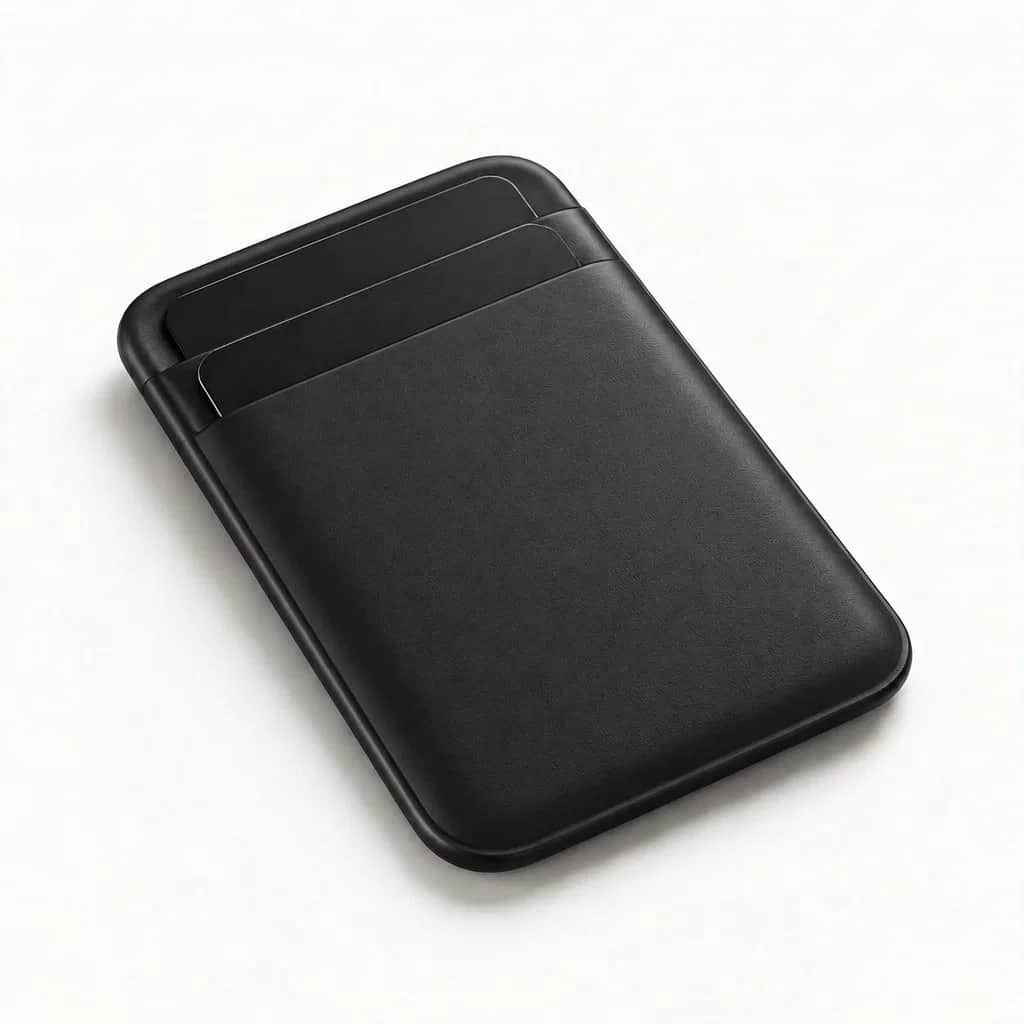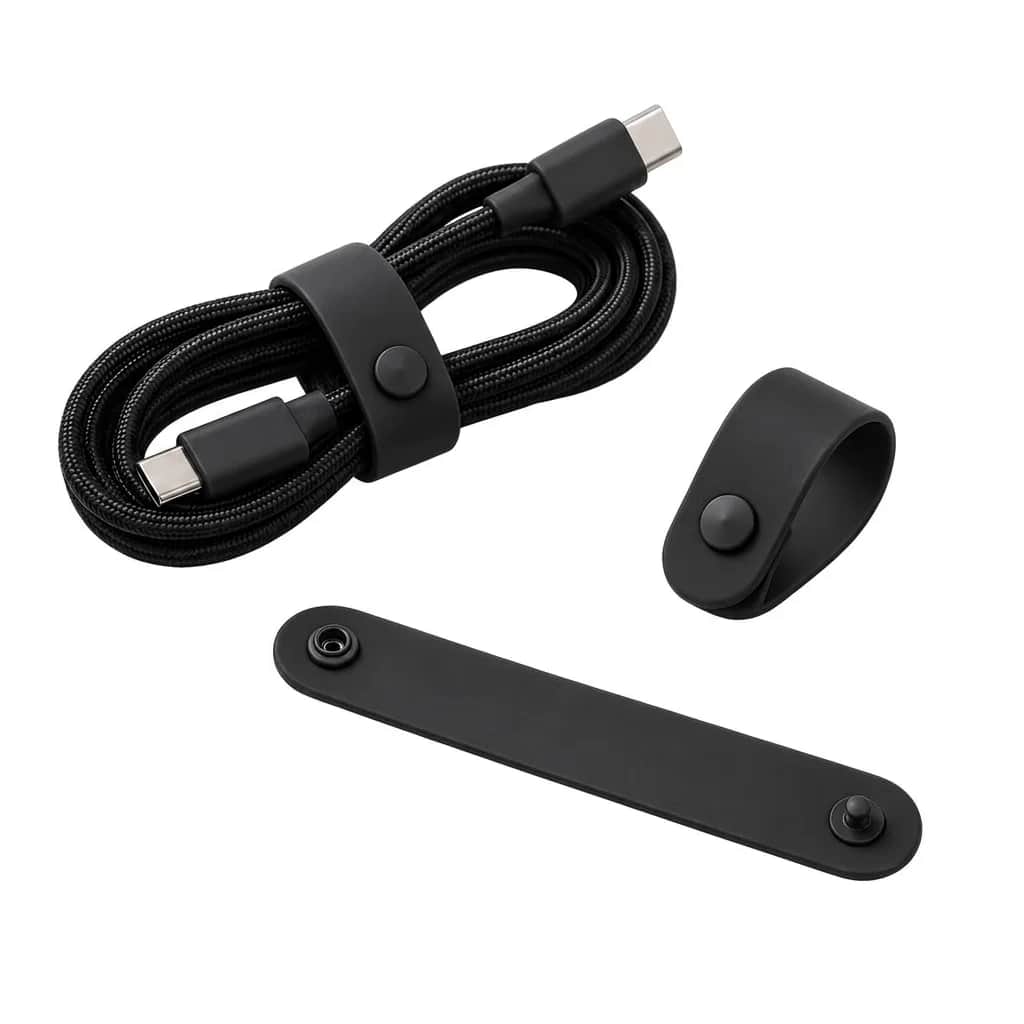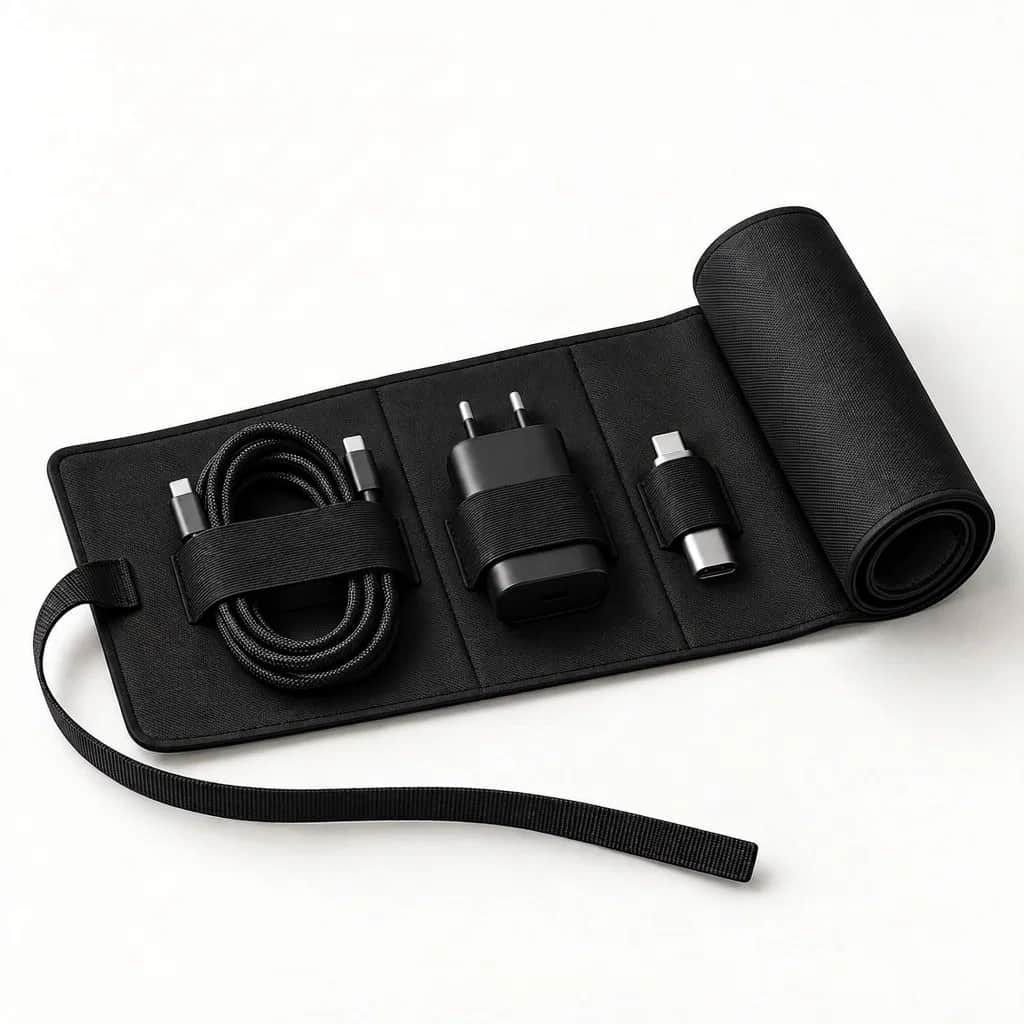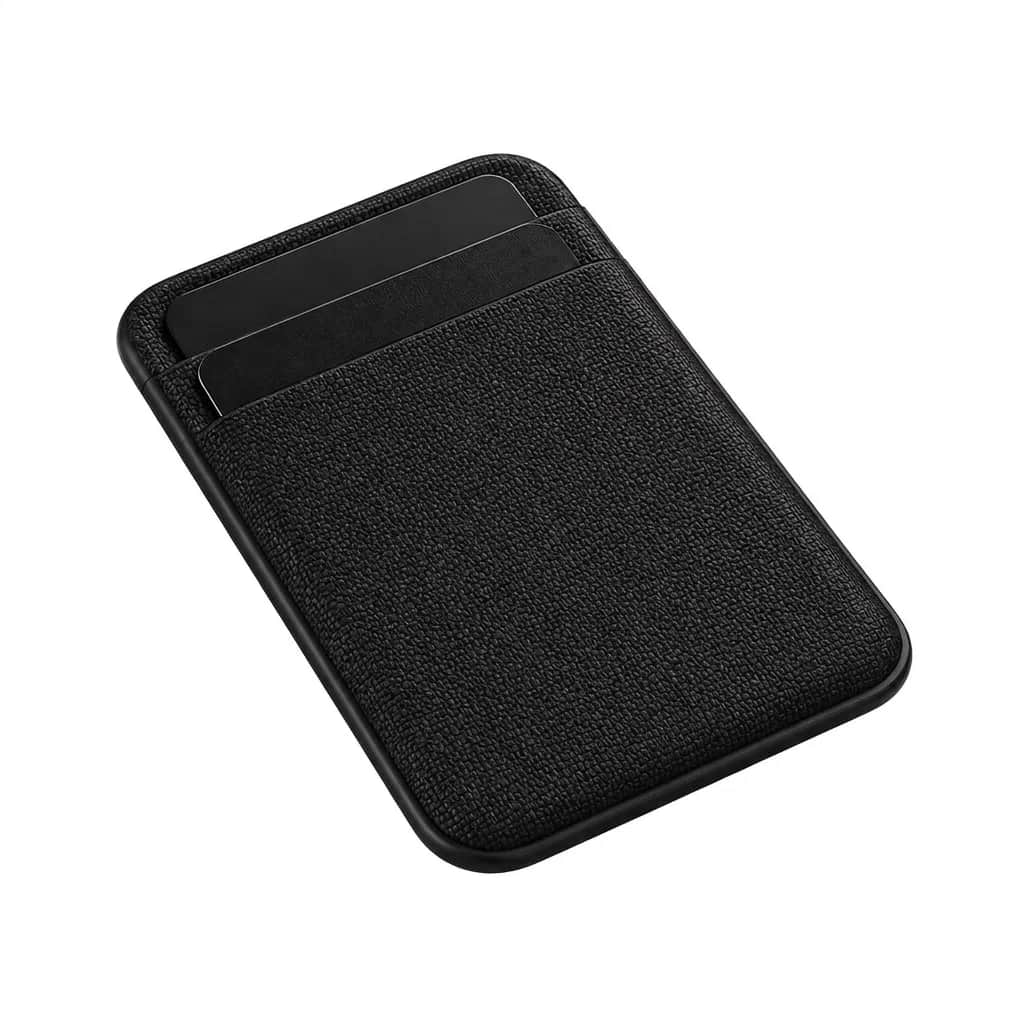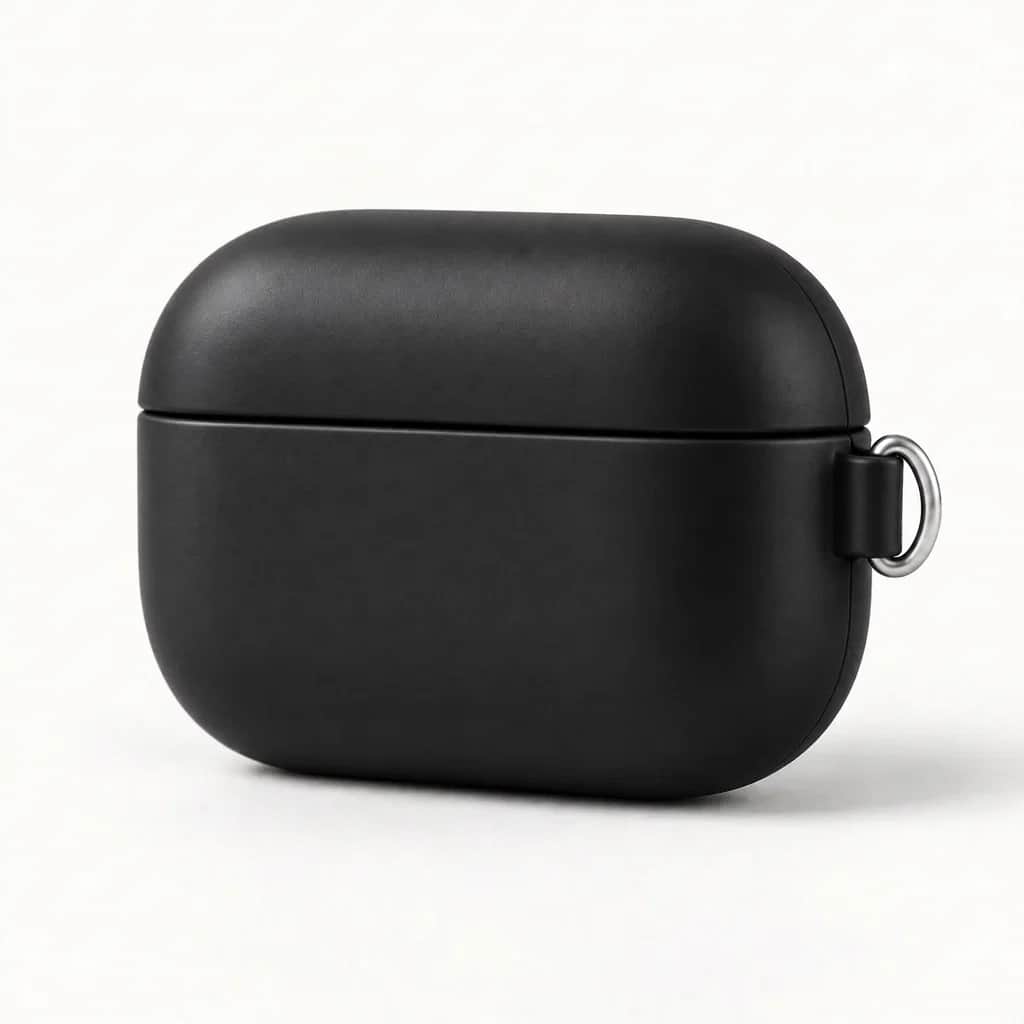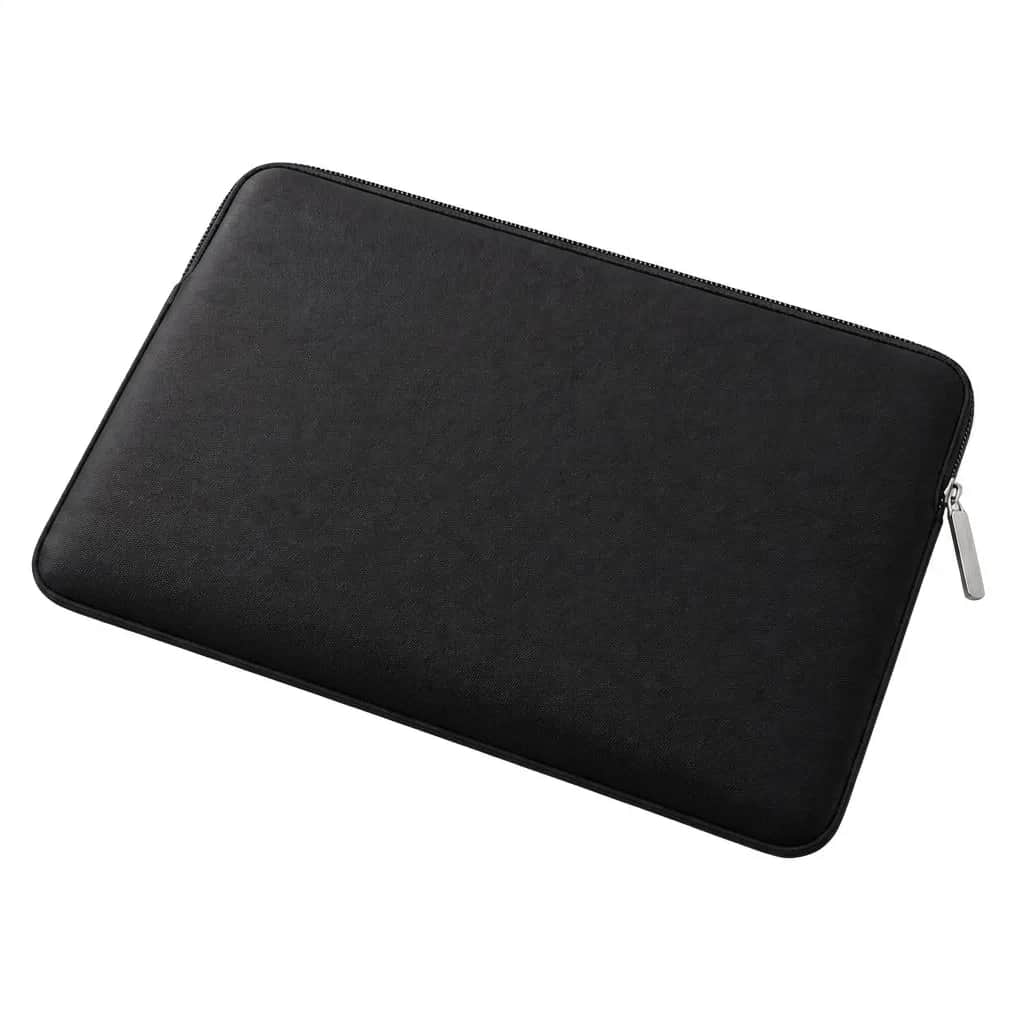
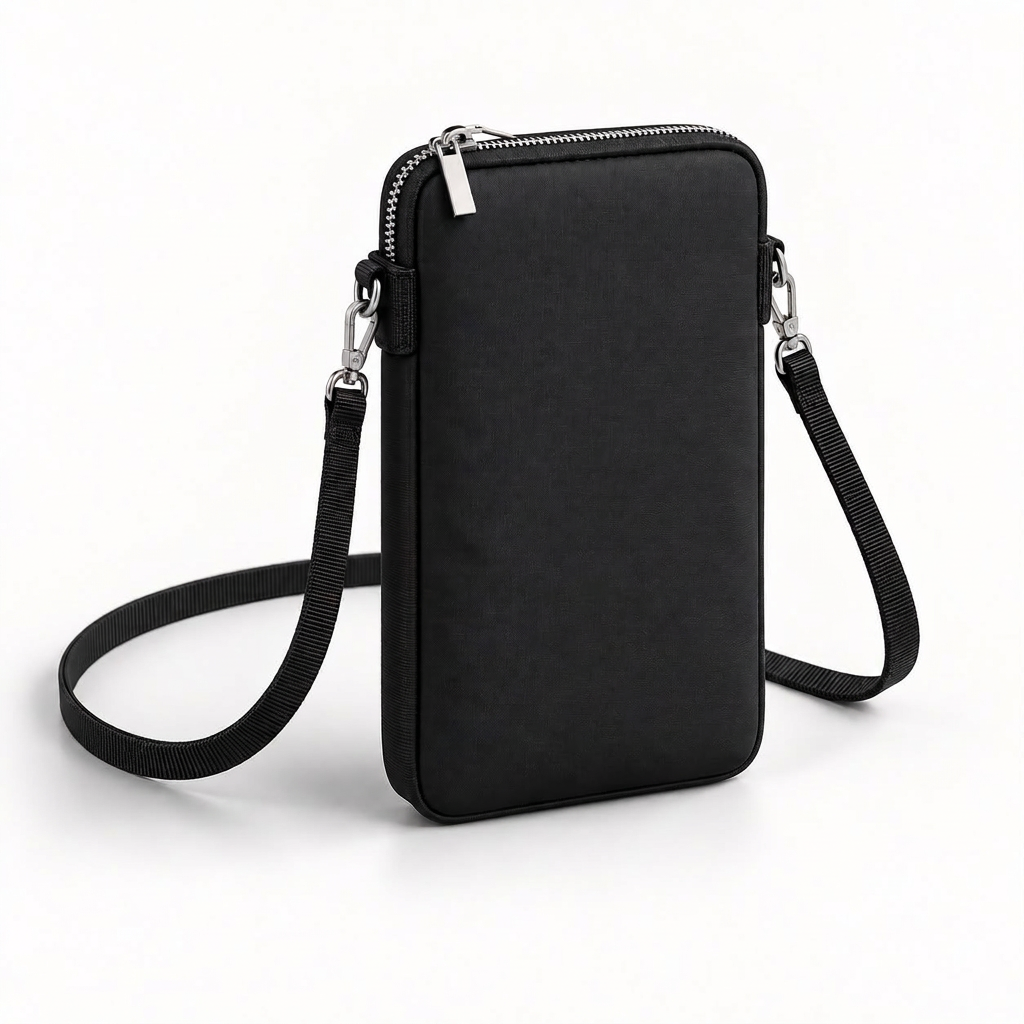
Phone Pouch — Nylon
Phone cases existed for feature phones throughout the 1990s, mostly as a style accessory for a nearly indestructible plastic brick. The 2007 iPhone changed the economics entirely: a full glass front turned a dropped phone into an expensive repair, and the case went from optional accessory to something close to mandatory. Phone stands are a smaller, later addition to the category, driven by video calls and hands-free media consumption becoming a daily habit rather than an occasional one.
The same factories that produce for houses like Celine and Balenciaga can produce this piece, directly to you
GABI
Make it yours
Material gradeMOQ 50
Colour
Phone Pouch — Nylon
Phone cases existed for feature phones throughout the 1990s, mostly as a style accessory for a nearly indestructible plastic brick. The 2007 iPhone changed the economics entirely: a full glass front turned a dropped phone into an expensive repair, and the case went from optional accessory to something close to mandatory. Phone stands are a smaller, later addition to the category, driven by video calls and hands-free media consumption becoming a daily habit rather than an occasional one.
The same factories that produce for houses like Celine and Balenciaga can produce this piece, directly to you
GABI
Make it yours
Material gradeMOQ 50
Colour
Phone cases existed for feature phones throughout the 1990s, mostly as a style accessory for a nearly indestructible plastic brick. The 2007 iPhone changed the economics entirely: a full glass front turned a dropped phone into an expensive repair, and the case went from optional accessory to something close to mandatory. Phone stands are a smaller, later addition to the category, driven by video calls and hands-free media consumption becoming a daily habit rather than an occasional one.
From Style Accessory to Insurance Policy
The iPhone's glass front turned phone protection from optional styling into a near-mandatory purchase.
Leather phone cases split into full-grain (ages and develops a patina, more expensive) and bonded leather (reconstituted leather fiber bonded with polyurethane, cheaper and more uniform but doesn't age the same way).
Nylon pouches use either standard nylon or ballistic nylon, a tighter, more abrasion-resistant weave originally developed for military flak jackets, now common in premium tech pouches.
Phone stands use either an adjustable hinge or friction-fit mechanism for video-call positioning, or a fixed angle for simple desk charging display.
FAQ
A leather phone case (China, 300–500 unit run) lands around $6–12; a nylon pouch runs $3–6; a phone stand runs $2–5 depending on the adjustment mechanism.
Full-grain for a case that develops character and patina over time, at higher cost; bonded leather for a more uniform, lower-cost look that doesn't age the same way.
Ballistic nylon for better abrasion resistance and a more durable, premium feel; standard nylon for a lighter, lower-cost option suited to lighter use.
Typically 300–500 units per device model and colorway, since cases are molded or cut to fit a specific phone model and that tooling needs volume to amortize.
Adjustable for video calls and varied viewing angles; fixed-angle for a simpler, lower-cost desk charging stand where one viewing position is sufficient.
Yes — cases are molded to a specific model's exact dimensions and button/port cutouts, so a new phone release typically requires a new mold rather than adapting an existing one.
Phone cases fall under HS 4202 (leather) or HS 3926 (plastic/nylon) depending on material; stands generally fall under HS 8302 or HS 3926. Confirm per SKU based on primary material.