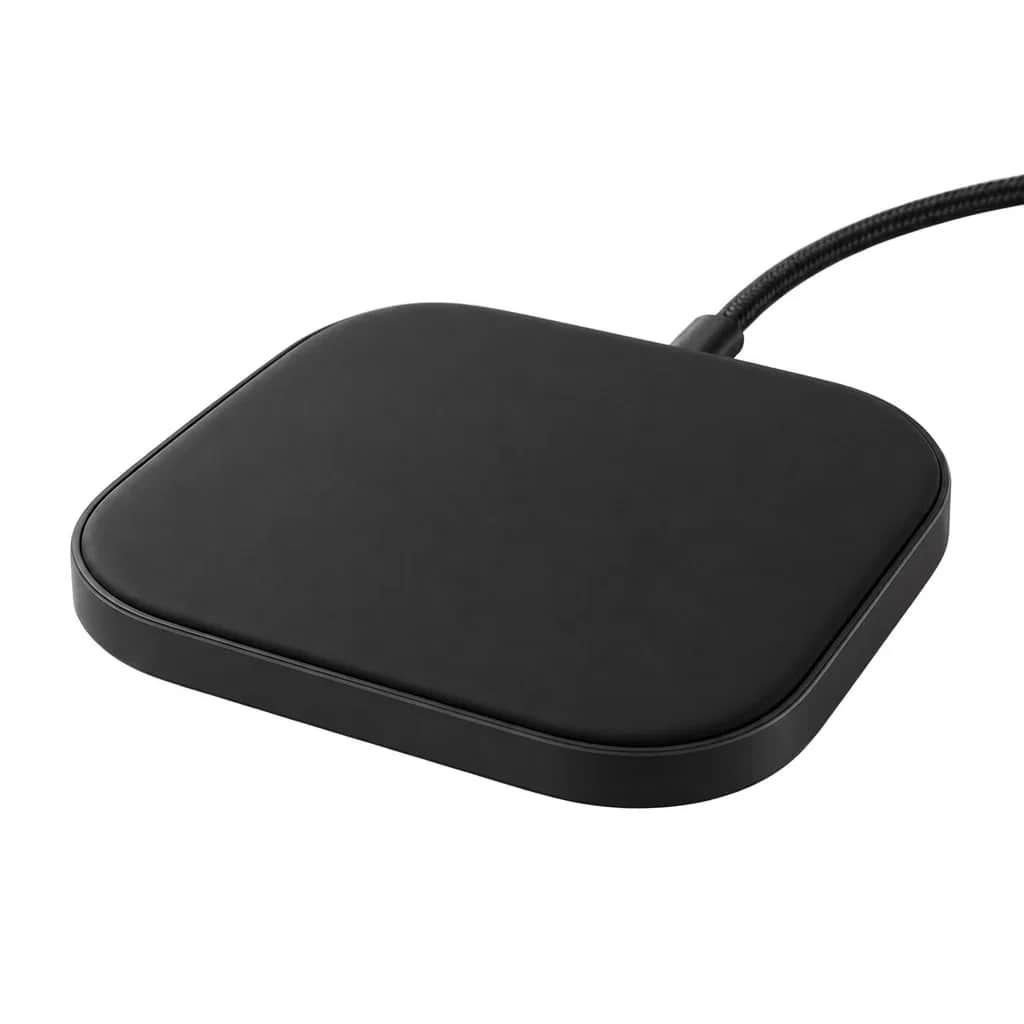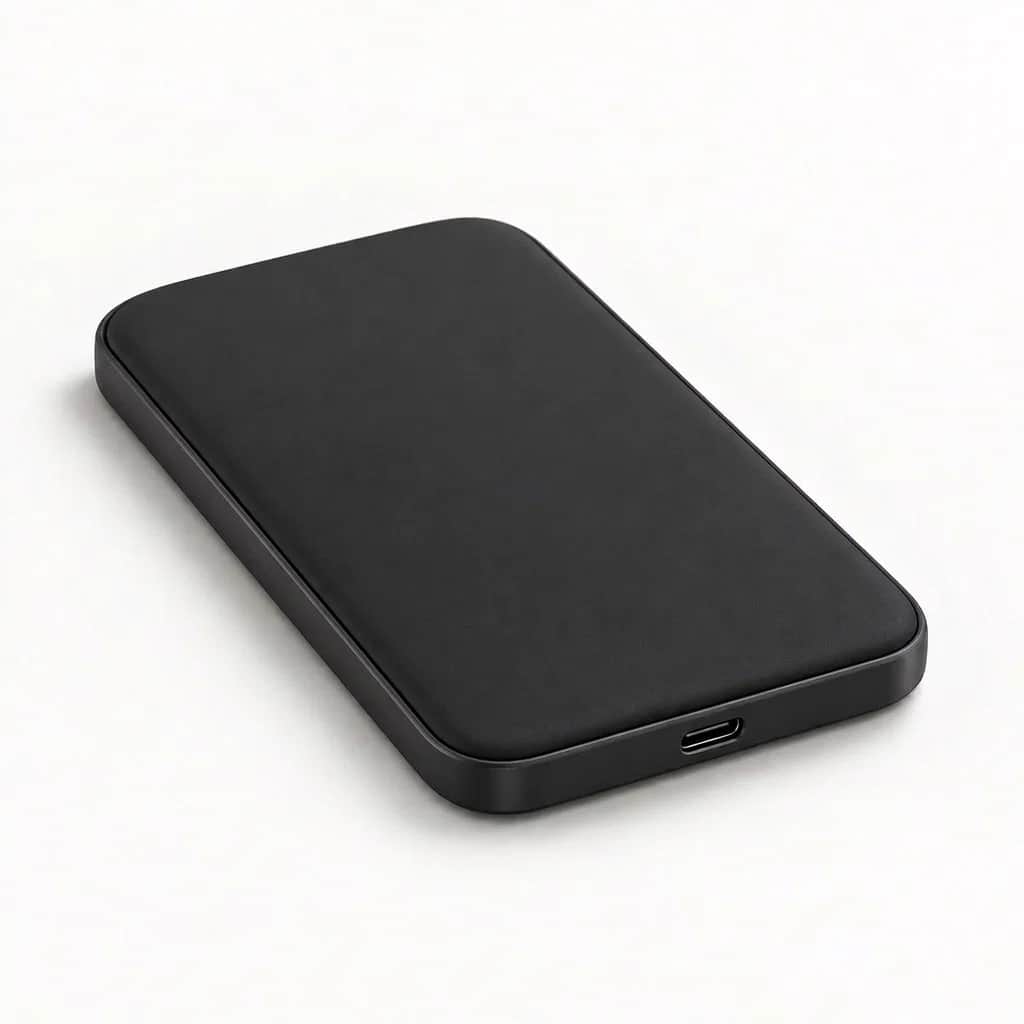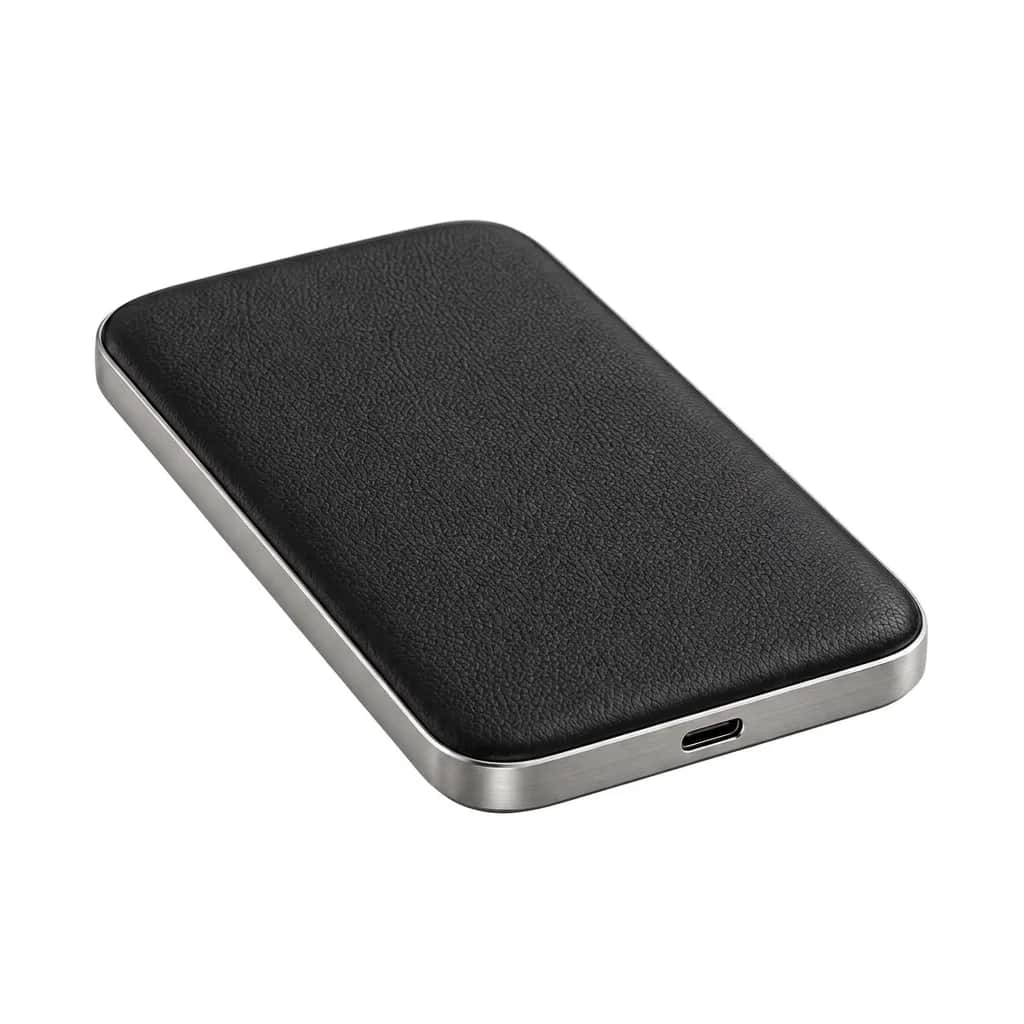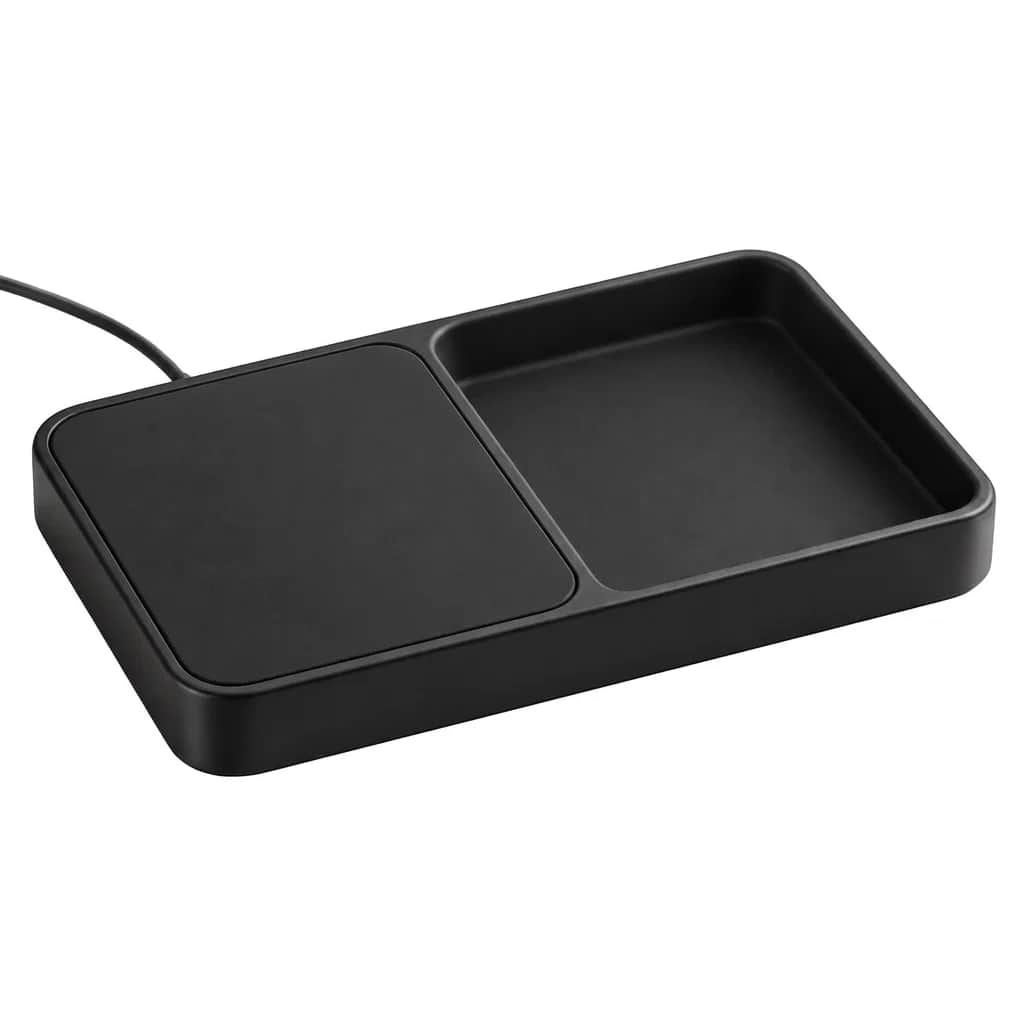
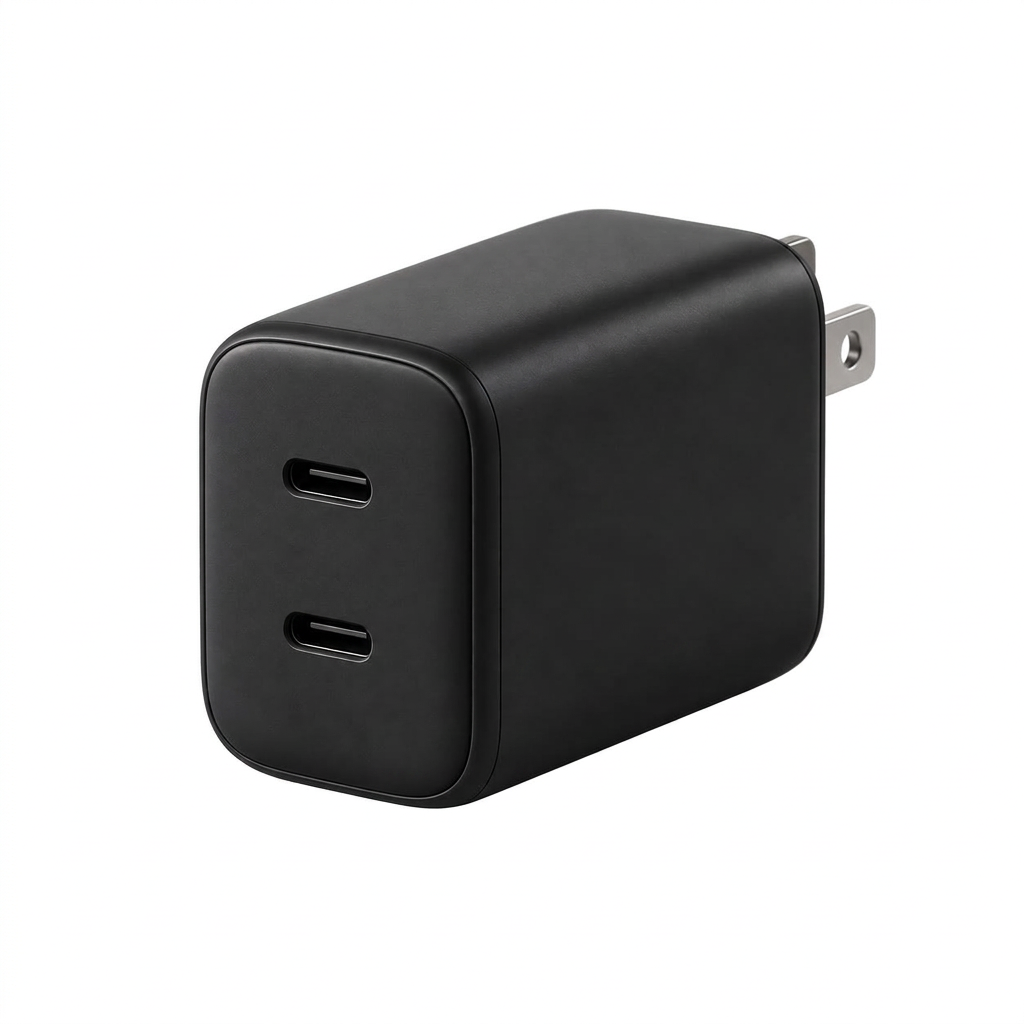
USB-C Wall Charger
There are roughly 15 different electrical plug shapes still in everyday use around the world, a fragmentation that dates back to the early 20th century, when countries and even cities electrified independently, decades before anyone proposed an international standard. A travel adapter kit exists purely to paper over that history — it doesn't convert voltage or protect anything, it just changes the shape of the plug to fit whatever socket happens to be on the wall.
The same factories that produce for houses like Celine and Balenciaga can produce this piece, directly to you
GABI
Make it yours
Material gradeMOQ 50
Colour
USB-C Wall Charger
There are roughly 15 different electrical plug shapes still in everyday use around the world, a fragmentation that dates back to the early 20th century, when countries and even cities electrified independently, decades before anyone proposed an international standard. A travel adapter kit exists purely to paper over that history — it doesn't convert voltage or protect anything, it just changes the shape of the plug to fit whatever socket happens to be on the wall.
The same factories that produce for houses like Celine and Balenciaga can produce this piece, directly to you
GABI
Make it yours
Material gradeMOQ 50
Colour
There are roughly 15 different electrical plug shapes still in everyday use around the world, a fragmentation that dates back to the early 20th century, when countries and even cities electrified independently, decades before anyone proposed an international standard. A travel adapter kit exists purely to paper over that history — it doesn't convert voltage or protect anything, it just changes the shape of the plug to fit whatever socket happens to be on the wall.
Fifteen Plug Shapes, One Explanation: Nobody Agreed First
The global plug-shape fragmentation traces to uncoordinated early electrification, not any modern design failure.
A plug adapter only changes the physical shape to fit a foreign socket; it does not change voltage, which is why using one on a device not rated for the local voltage can damage it. A voltage converter is a separate, heavier device that actually steps voltage up or down.
USB-C wall charger wattage determines both charging speed and which devices it can fast-charge; a charger rated for phone charging may charge a laptop far more slowly than one rated for higher wattage.
Multi-port wall chargers split total wattage across active ports, so the actual speed delivered to each device depends on how many ports are in use simultaneously — a spec that's easy to misread from the total wattage number alone.
FAQ
A basic multi-plug travel adapter kit (China, 500-unit run) lands around $3–6; a single-port USB-C wall charger runs $2–4; a multi-port high-wattage charger runs $6–12.
An adapter only changes the physical plug shape to fit a foreign socket and does not alter voltage; a voltage converter is a separate, heavier device that actually steps voltage up or down, needed for devices not rated for the destination country's voltage.
20W for standard phone fast-charging; 65W or higher for laptop charging capability. State the target device type, since a phone-rated charger will charge a laptop far more slowly.
Typically 500–1,000 units per design, since the internal electronics and safety certification testing both carry fixed costs that need volume to justify.
Total wattage is shared across all active ports, so plugging in multiple devices simultaneously reduces the charging speed each one receives compared to using a single port alone.
Requirements vary by destination country (e.g., UL in the US, CE in the EU, CCC in China) and are mandatory for legal sale — confirm the specific certification needed for each target market before sourcing.
These generally fall under HS 8504 (electrical transformers and static converters). Confirm the specific subheading based on power rating, and note that some markets require additional safety documentation for import.