Cocktail Tool Set
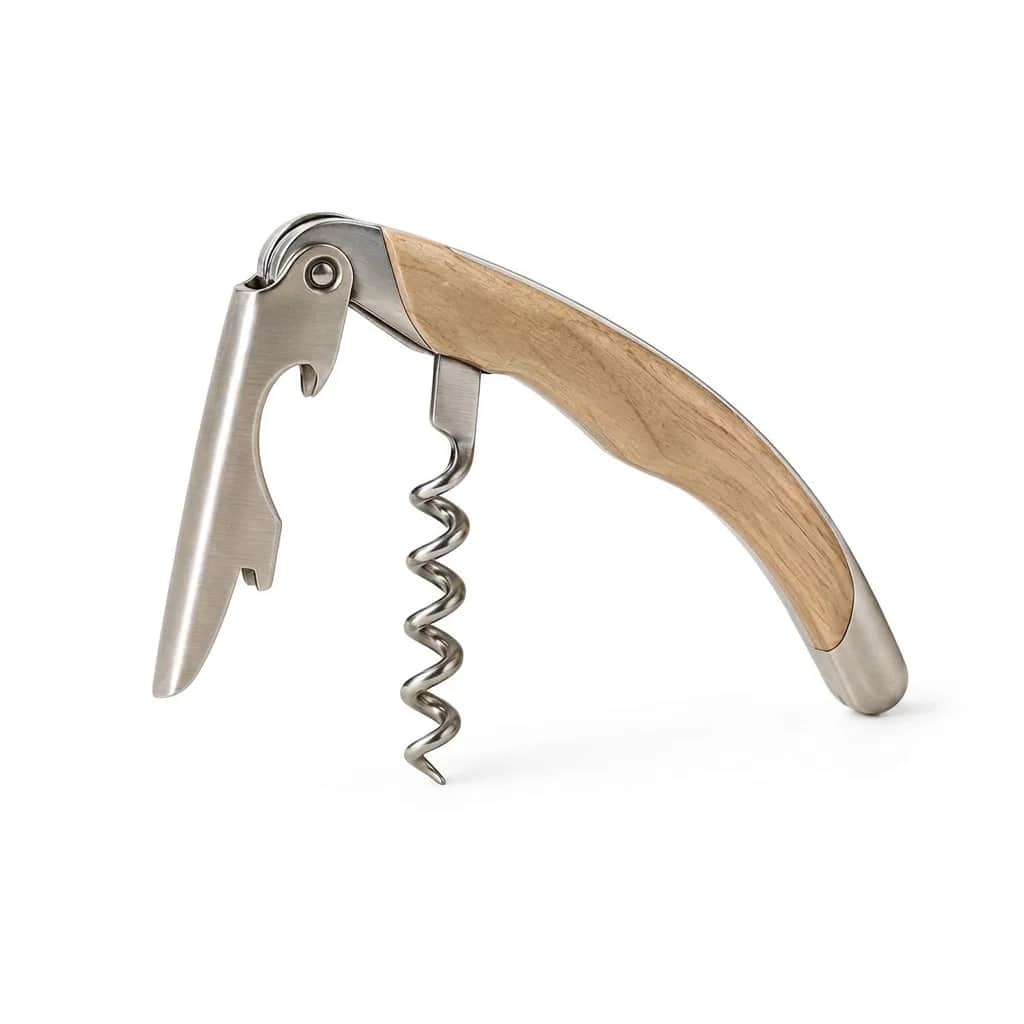
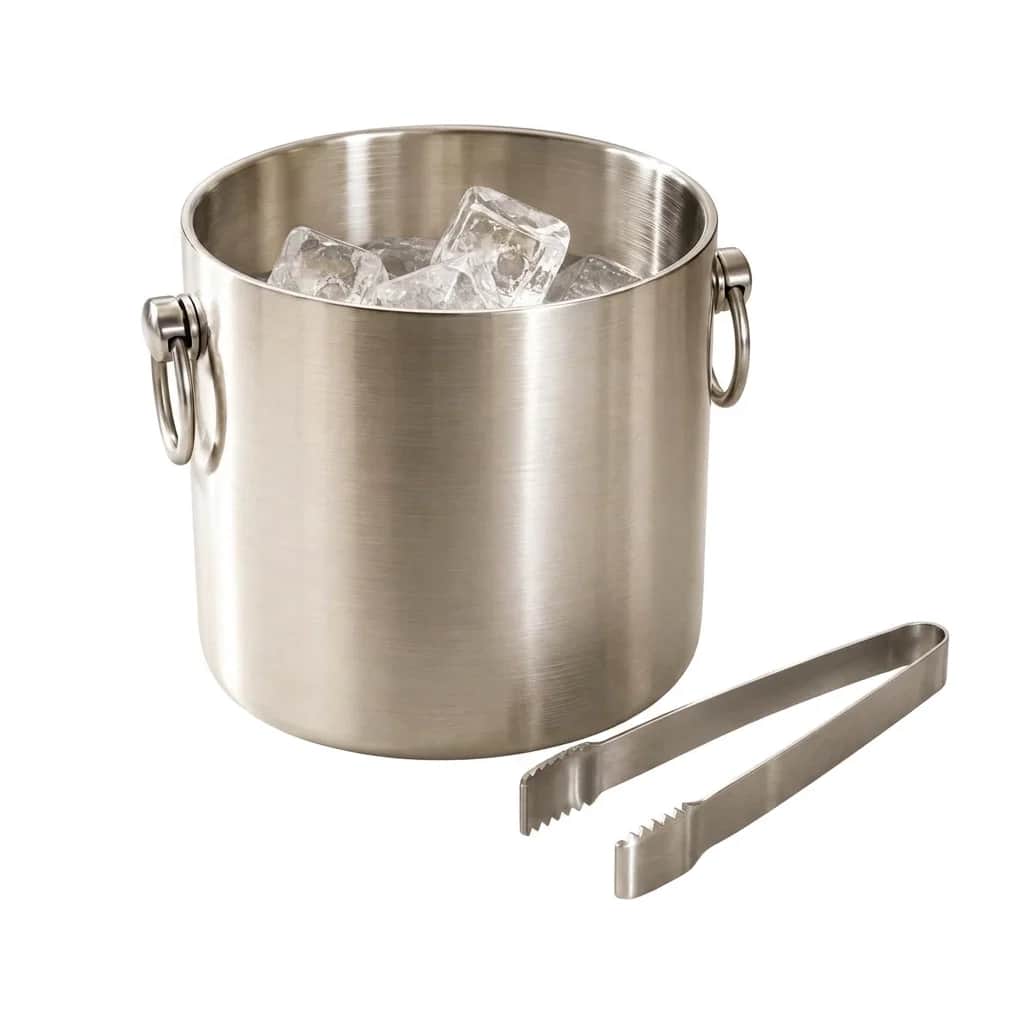
Before mechanical refrigeration, ice was a seasonal commodity cut from frozen lakes and shipped worldwide packed in sawdust — a 19th-century industry that made a Boston businessman known as the "Ice King" one of his era's wealthier exporters. The ice bucket on a bar cart today exists because that entire supply chain, sourcing dependency, became a solved problem the moment mechanical refrigeration made ice reliably available on demand. The waiter's corkscrew sitting next to it has a far more specific origin: German inventor Karl Wienke patented the folding two-step lever design in 1882, and professional wine service still hasn't found a reason to replace it.
The same factories that produce for houses like Celine and Balenciaga can produce this piece, directly to you
GABI
Make it yours
Material gradeMOQ 50
Colour
Cocktail Tool Set
Before mechanical refrigeration, ice was a seasonal commodity cut from frozen lakes and shipped worldwide packed in sawdust — a 19th-century industry that made a Boston businessman known as the "Ice King" one of his era's wealthier exporters. The ice bucket on a bar cart today exists because that entire supply chain, sourcing dependency, became a solved problem the moment mechanical refrigeration made ice reliably available on demand. The waiter's corkscrew sitting next to it has a far more specific origin: German inventor Karl Wienke patented the folding two-step lever design in 1882, and professional wine service still hasn't found a reason to replace it.
The same factories that produce for houses like Celine and Balenciaga can produce this piece, directly to you
GABI
Make it yours
Material gradeMOQ 50
Colour
Before mechanical refrigeration, ice was a seasonal commodity cut from frozen lakes and shipped worldwide packed in sawdust — a 19th-century industry that made a Boston businessman known as the "Ice King" one of his era's wealthier exporters. The ice bucket on a bar cart today exists because that entire supply chain, sourcing dependency, became a solved problem the moment mechanical refrigeration made ice reliably available on demand. The waiter's corkscrew sitting next to it has a far more specific origin: German inventor Karl Wienke patented the folding two-step lever design in 1882, and professional wine service still hasn't found a reason to replace it.
From Frozen Lakes to the Bar Cart
The ice bucket exists because mechanical refrigeration solved a sourcing problem that once supported an entire 19th-century global trade.
A waiter's corkscrew uses a hinged folding lever that provides two-stage leverage to pull a cork with minimal force, a meaningfully different mechanism from a simple screw-only corkscrew, plus a foil-cutter blade as a standard added feature.
Ice buckets use double-wall metal or acrylic construction to slow melt rate, versus a single-wall bucket that requires far more frequent ice replenishment during service.
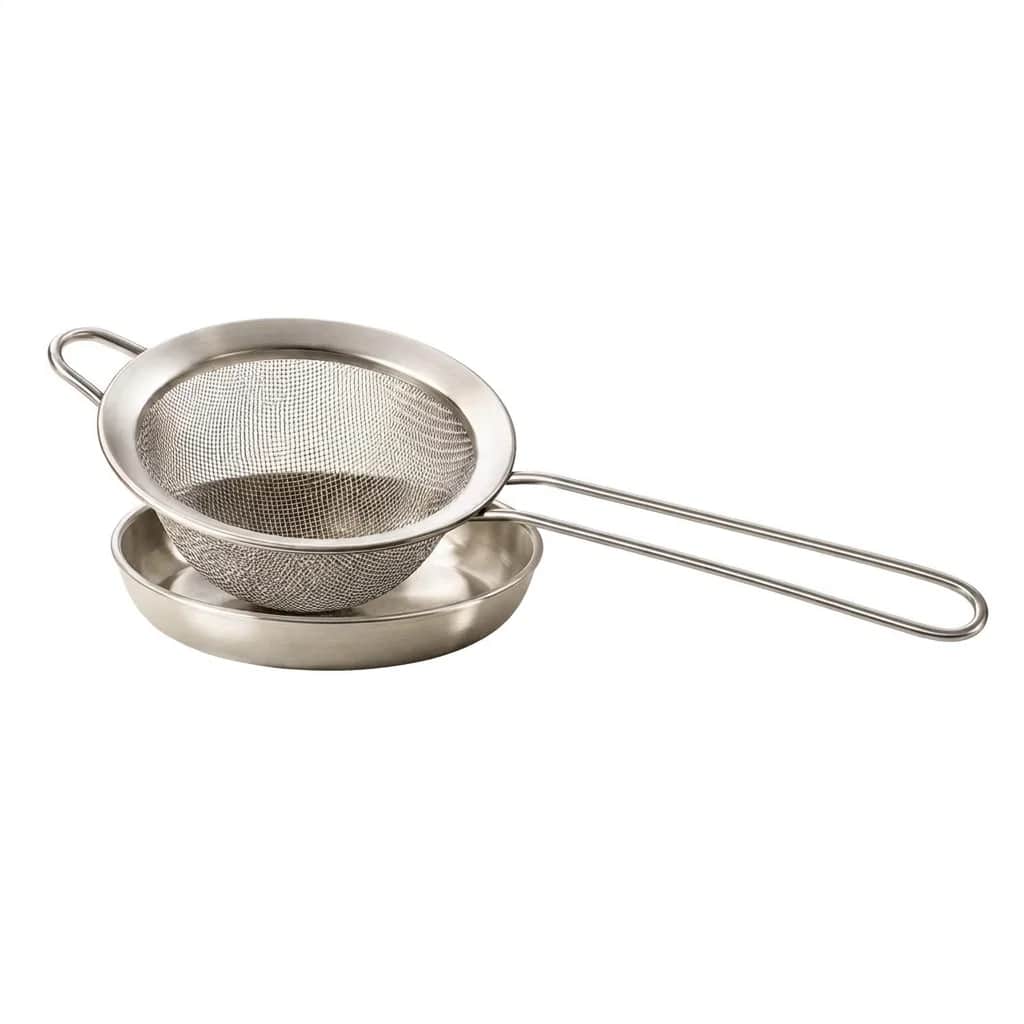
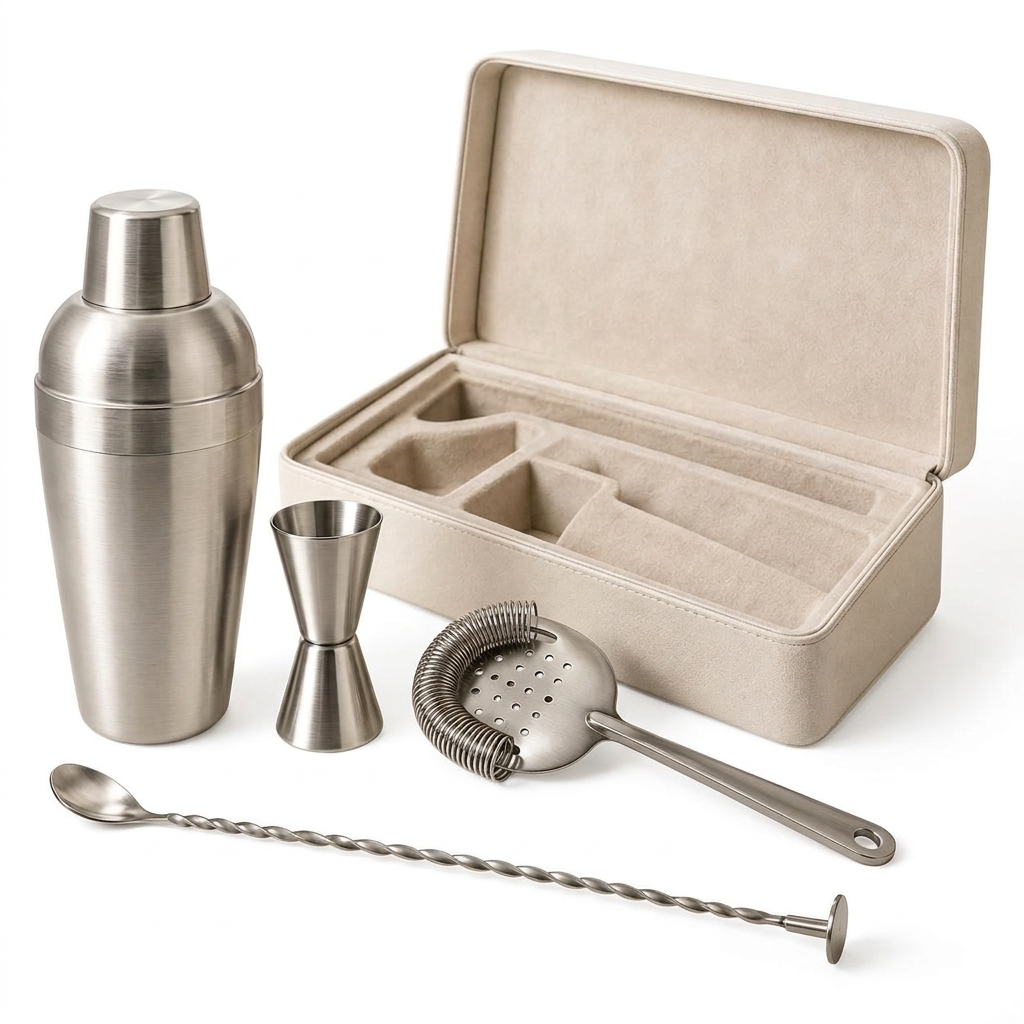
Cocktail tool sets typically bundle a jigger, shaker, strainer, muddler, and bar spoon; the finish, stainless steel versus copper-plated, affects both cost and how premium the set reads visually.
FAQ
A folding waiter's corkscrew (China, 500-unit run) lands around $1.50–3; a double-wall insulated ice bucket runs $6–12; a 5-piece cocktail tool set runs $8–15 in stainless steel, more for copper-plated finishes.
A folding two-step lever mechanism for professional-grade ease of use, or a simpler screw-only design for lower cost; confirm whether a foil-cutter blade should be integrated, as that's a common added feature on the professional format.
Double-wall is worth it for extended bar service where ice needs to last hours without frequent refilling; single-wall is fine for short events or quick turnover where melt rate is less of a concern.
Typically 300–500 units per finish and design, since metal stamping and plating are done in batches that need volume to be cost-effective.
Stainless steel is more durable and lower cost; copper-plated finishes look more premium and are popular for gifting or display, but the plating can wear with heavy use and needs occasional re-polishing.
A standard set includes a jigger, shaker, strainer, muddler, and bar spoon; components can be swapped or a set can be built smaller or larger, but each swap affects the overall unit cost and packaging design.
Corkscrews and cocktail tools generally fall under HS 8205 (hand tools) or HS 7323 (metal household articles) depending on classification; ice buckets typically fall under HS 7323 as well. Confirm per SKU based on primary material and function.