Coffee / Tea Canister
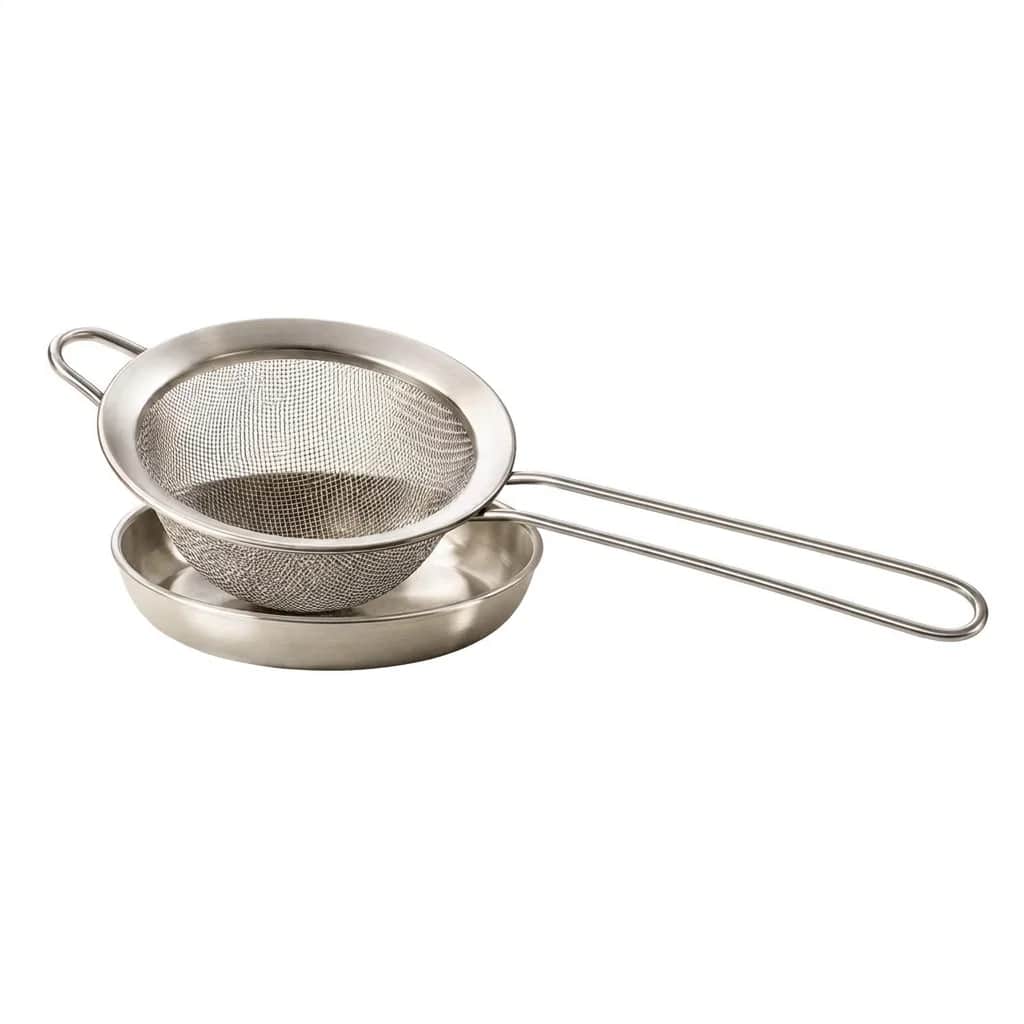
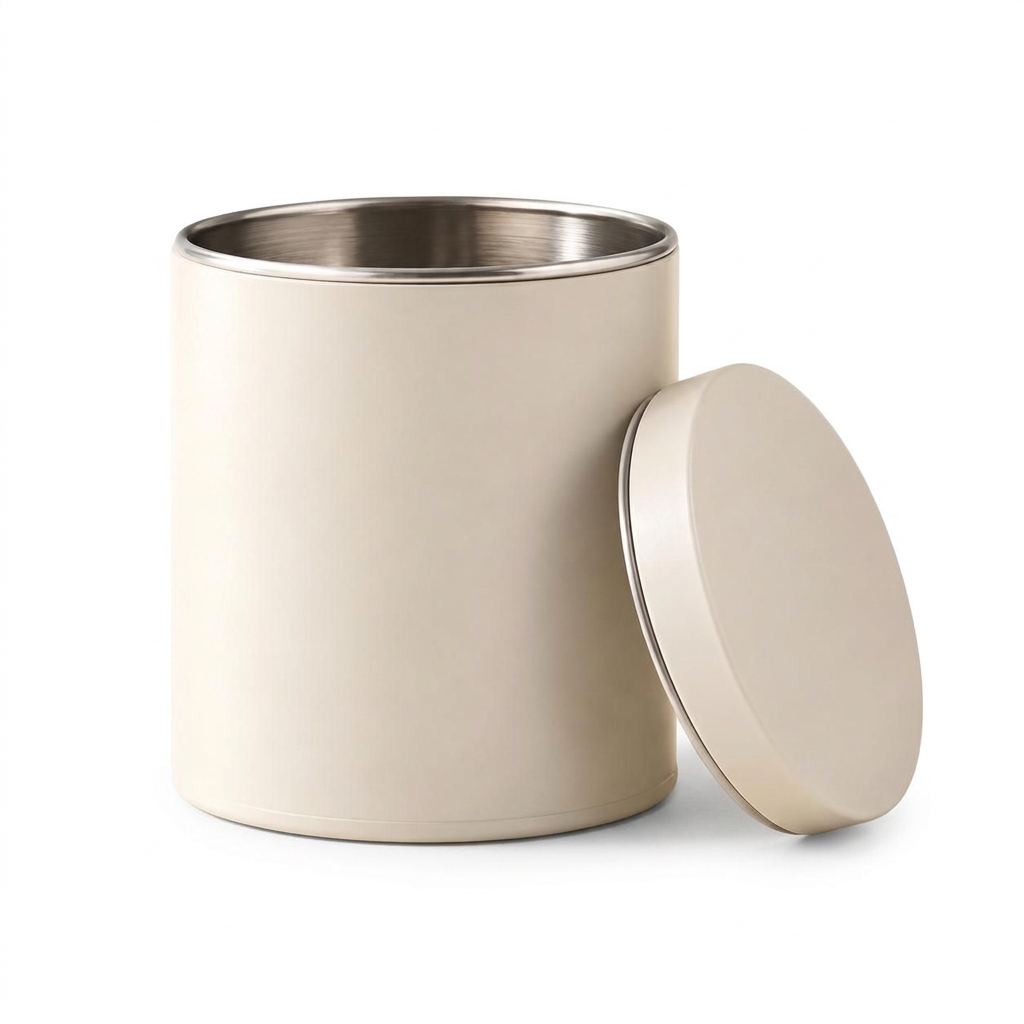
Victorian tea service treated the strainer as seriously as the teapot itself — a silver tea strainer with its own matching drip bowl was a standard fixture of a proper table, not an afterthought tool. The airtight coffee canister sitting next to it in a kitchen today solves a completely different, much more recently understood problem: coffee begins losing aroma compounds to oxidation within minutes of grinding, a fact that only became a marketed selling point once specialty coffee culture made freshness a competitive claim in the 1990s and 2000s.
The same factories that produce for houses like Celine and Balenciaga can produce this piece, directly to you
GABI
Make it yours
Material gradeMOQ 50
Colour
Coffee / Tea Canister
Victorian tea service treated the strainer as seriously as the teapot itself — a silver tea strainer with its own matching drip bowl was a standard fixture of a proper table, not an afterthought tool. The airtight coffee canister sitting next to it in a kitchen today solves a completely different, much more recently understood problem: coffee begins losing aroma compounds to oxidation within minutes of grinding, a fact that only became a marketed selling point once specialty coffee culture made freshness a competitive claim in the 1990s and 2000s.
The same factories that produce for houses like Celine and Balenciaga can produce this piece, directly to you
GABI
Make it yours
Material gradeMOQ 50
Colour
Victorian tea service treated the strainer as seriously as the teapot itself — a silver tea strainer with its own matching drip bowl was a standard fixture of a proper table, not an afterthought tool. The airtight coffee canister sitting next to it in a kitchen today solves a completely different, much more recently understood problem: coffee begins losing aroma compounds to oxidation within minutes of grinding, a fact that only became a marketed selling point once specialty coffee culture made freshness a competitive claim in the 1990s and 2000s.
A Silver Strainer and a Modern Freshness Problem
Victorian tea service treated the strainer as a formal table object, while coffee freshness as a marketed spec is a much more recent development.
Airtight canisters use a rubber or silicone gasket seal, sometimes with a one-way valve that lets built-up CO2 escape from fresh-roasted beans without letting outside air in — a feature that matters more for whole-bean storage than pre-ground coffee.
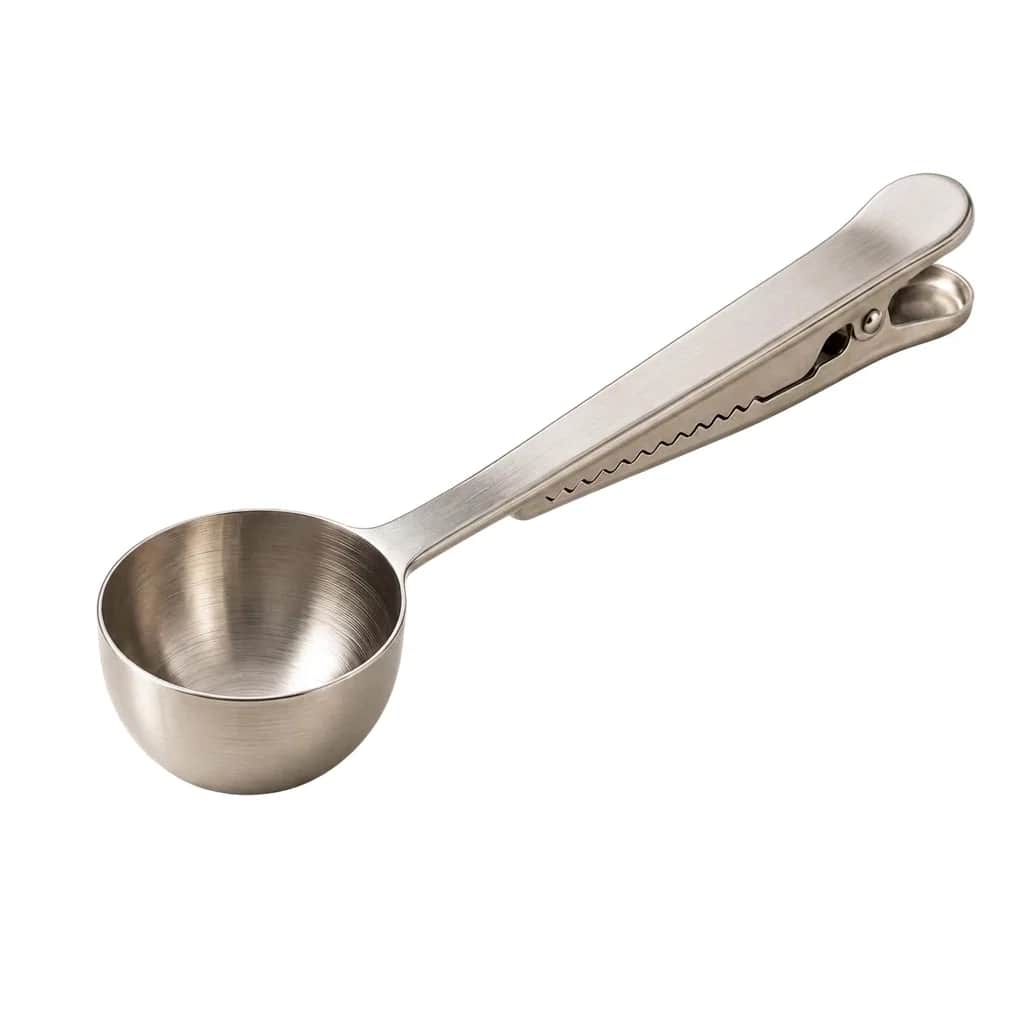
A coffee scoop calibrated to a standard tablespoon-equivalent volume addresses one of the most common causes of poorly brewed coffee at a consumer level: inconsistent scooping.
Tea strainer mesh size determines how much fine tea dust passes through versus gets caught, a genuine functional difference between a cheap coarse strainer and a fine one suited to delicate loose-leaf teas.
FAQ
An airtight coffee canister with a one-way valve (China, 300–500 unit run) lands around $4–8; a basic coffee scoop runs $0.80–1.50; a tea strainer runs $1.50–3 depending on mesh material.
It matters most for whole-bean coffee sold or gifted soon after roasting, since fresh beans release CO2 for days after roasting; pre-ground or long-shelf coffee benefits less from the valve specifically.
Glass for visibility of contents at a lower cost; ceramic for a more premium, opaque look that also blocks light (relevant for tea); stainless steel for the best light-blocking and durability, at a higher cost.
Typically 300–500 units per design and material, since metal forming, glass molding, or ceramic firing all carry setup costs that need volume to be efficient.
A fine mesh for delicate loose-leaf teas prone to producing dust, and a coarser mesh for larger-leaf or herbal blends where a finer mesh isn't necessary and would slow water flow too much.
Inconsistent scooping is one of the most common causes of poorly brewed coffee, since brew strength depends heavily on the coffee-to-water ratio; a calibrated scoop removes that variability for the end user.
Metal canisters and scoops generally fall under HS 7323; strainers may fall under the same code or HS 8210 depending on mechanism complexity. Confirm per SKU based on material and function.