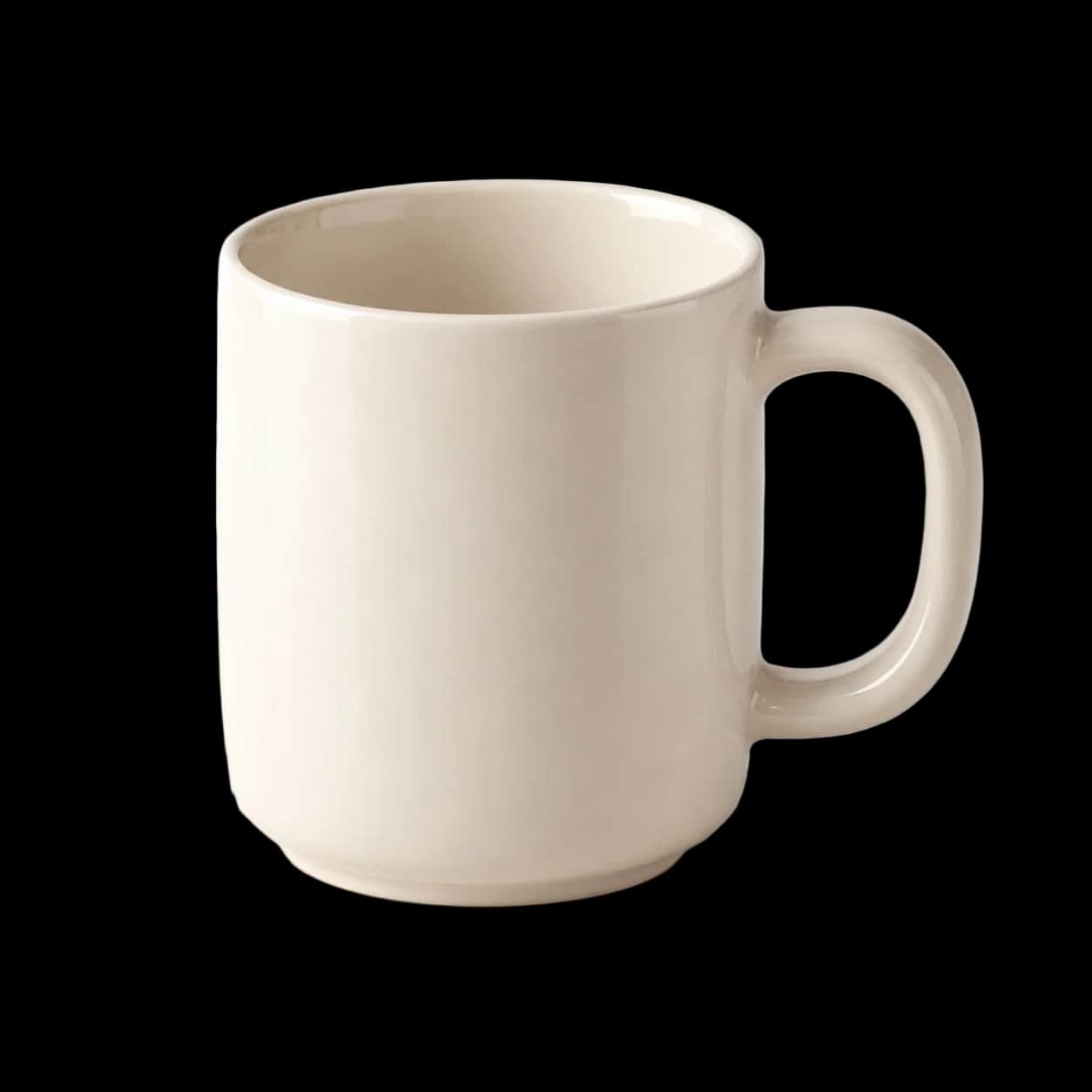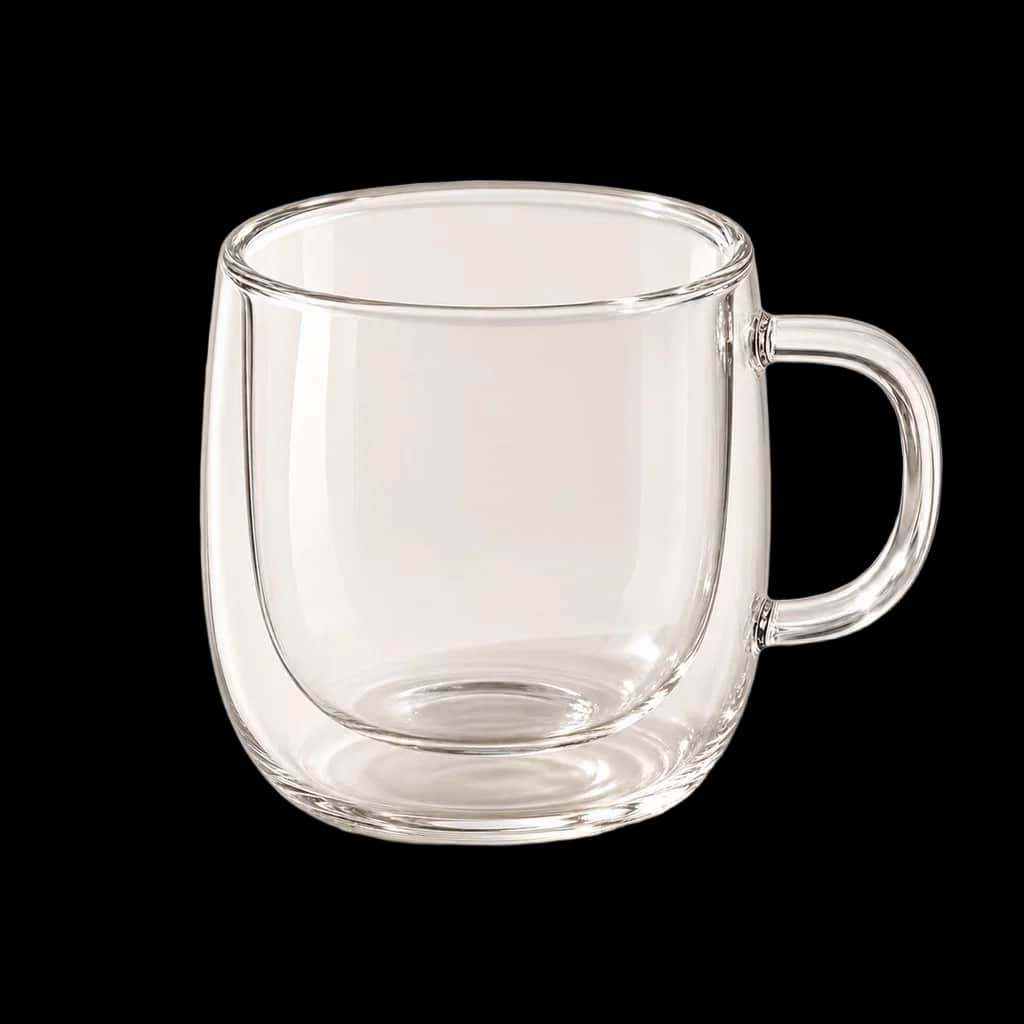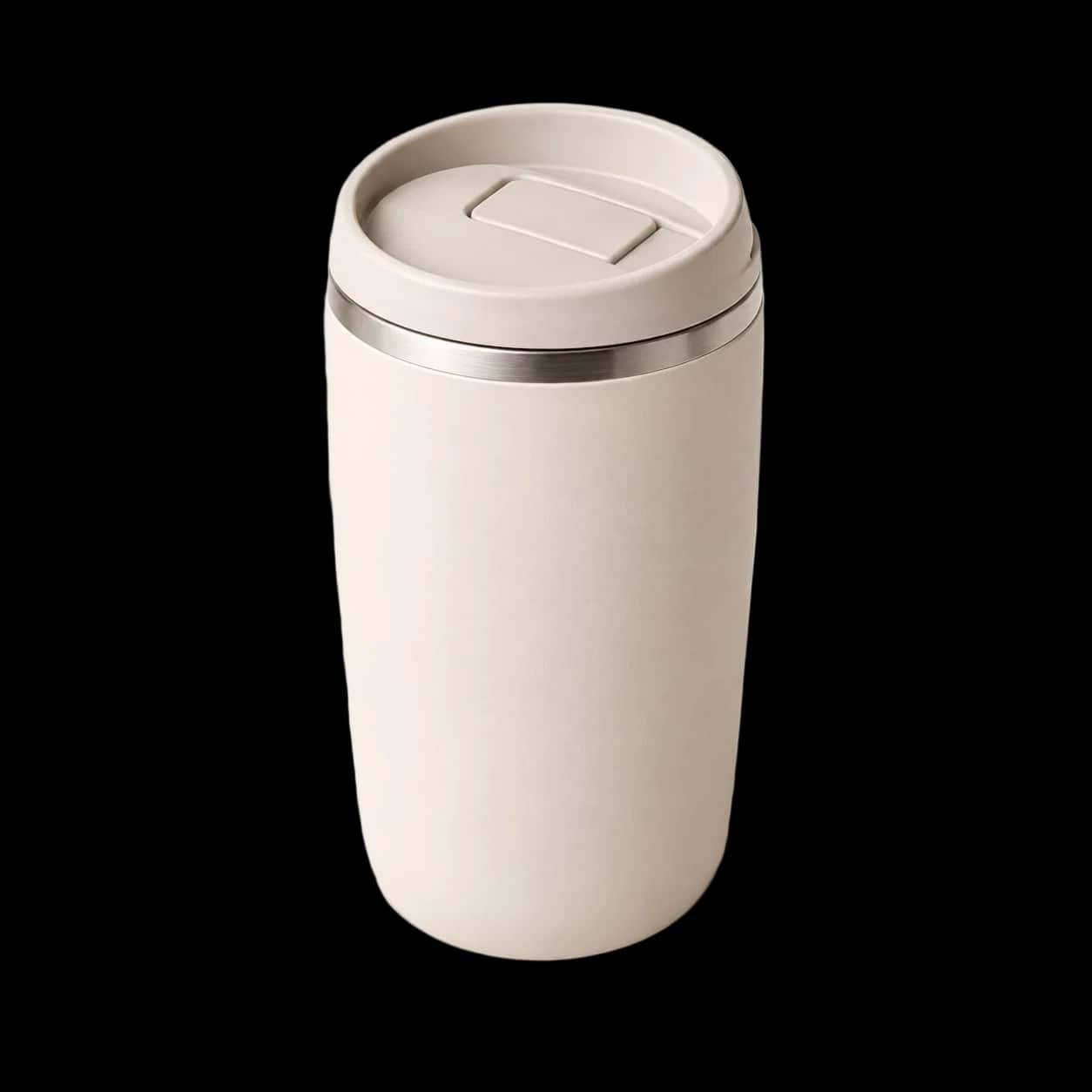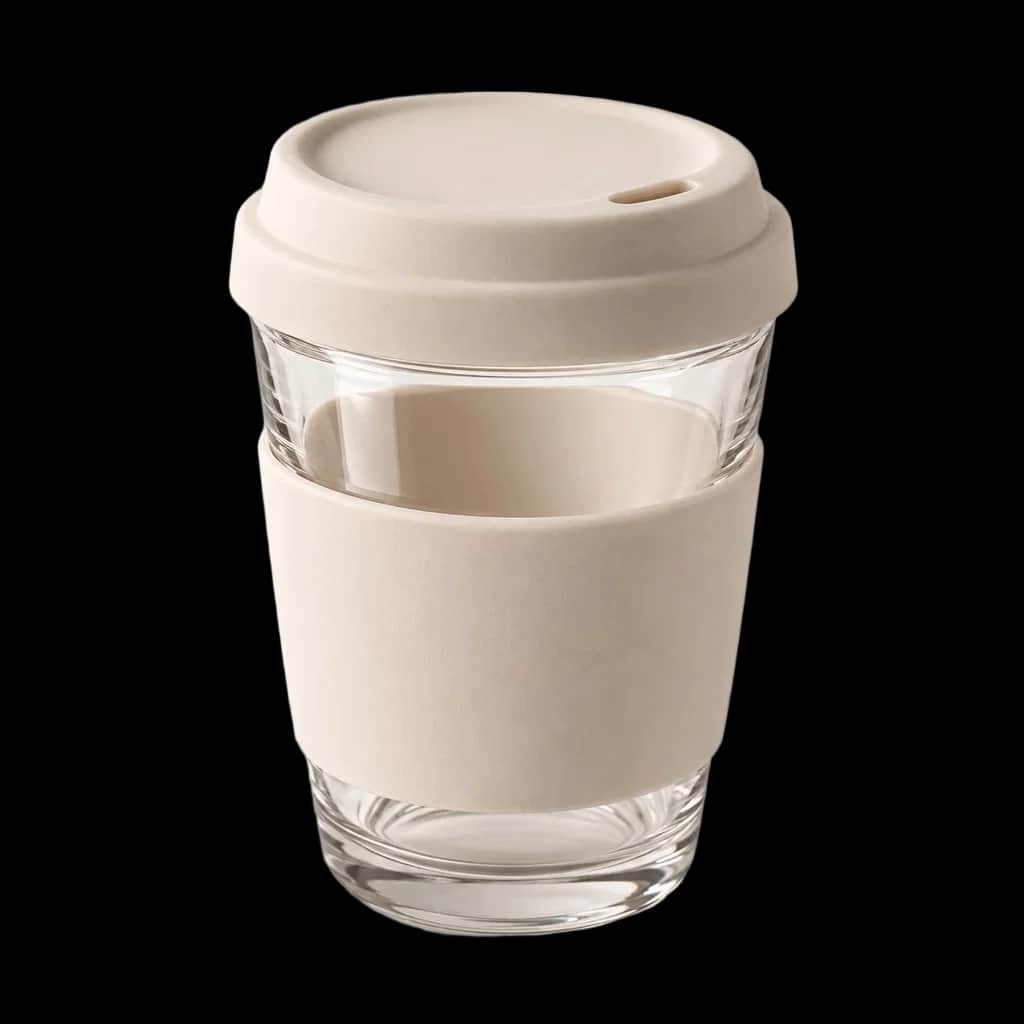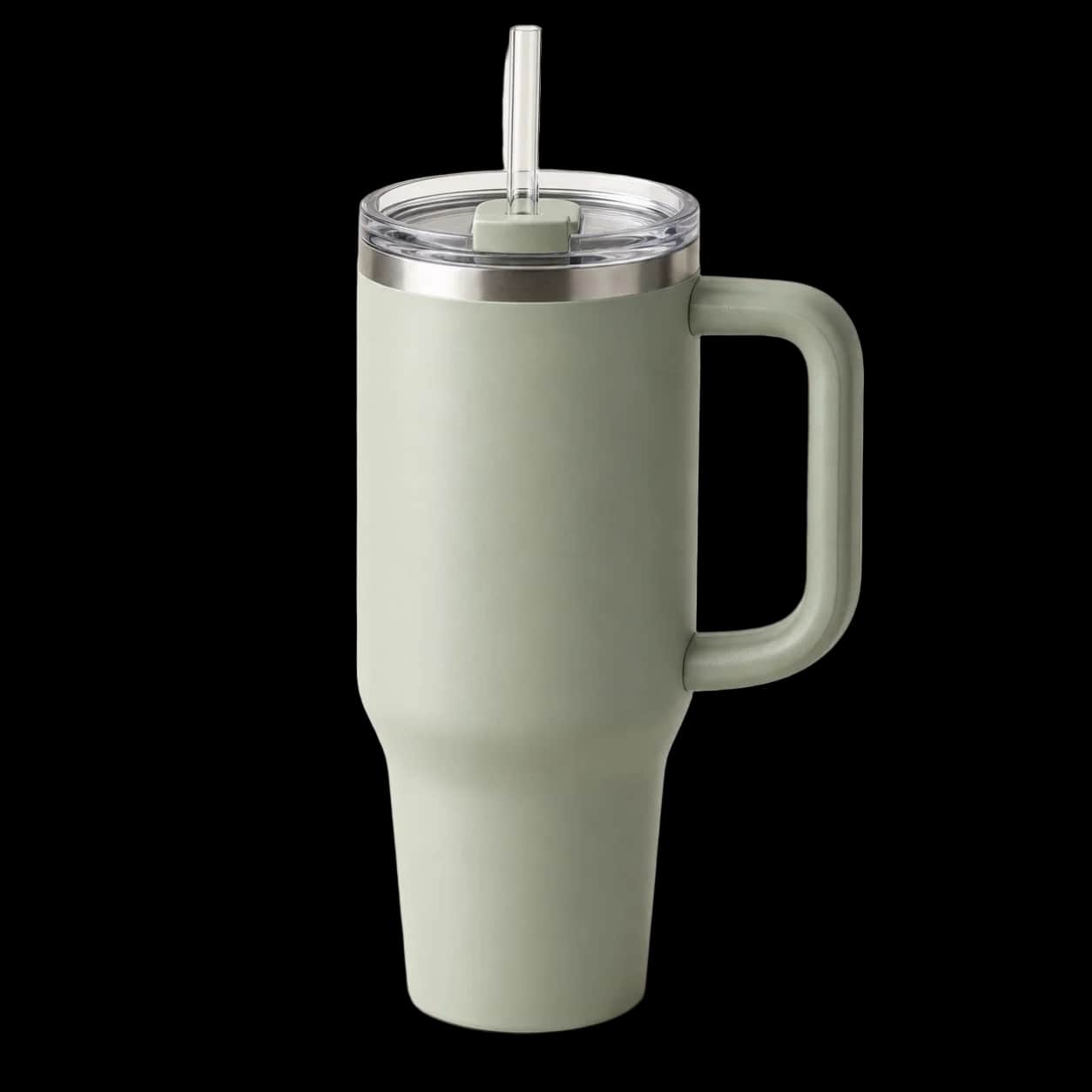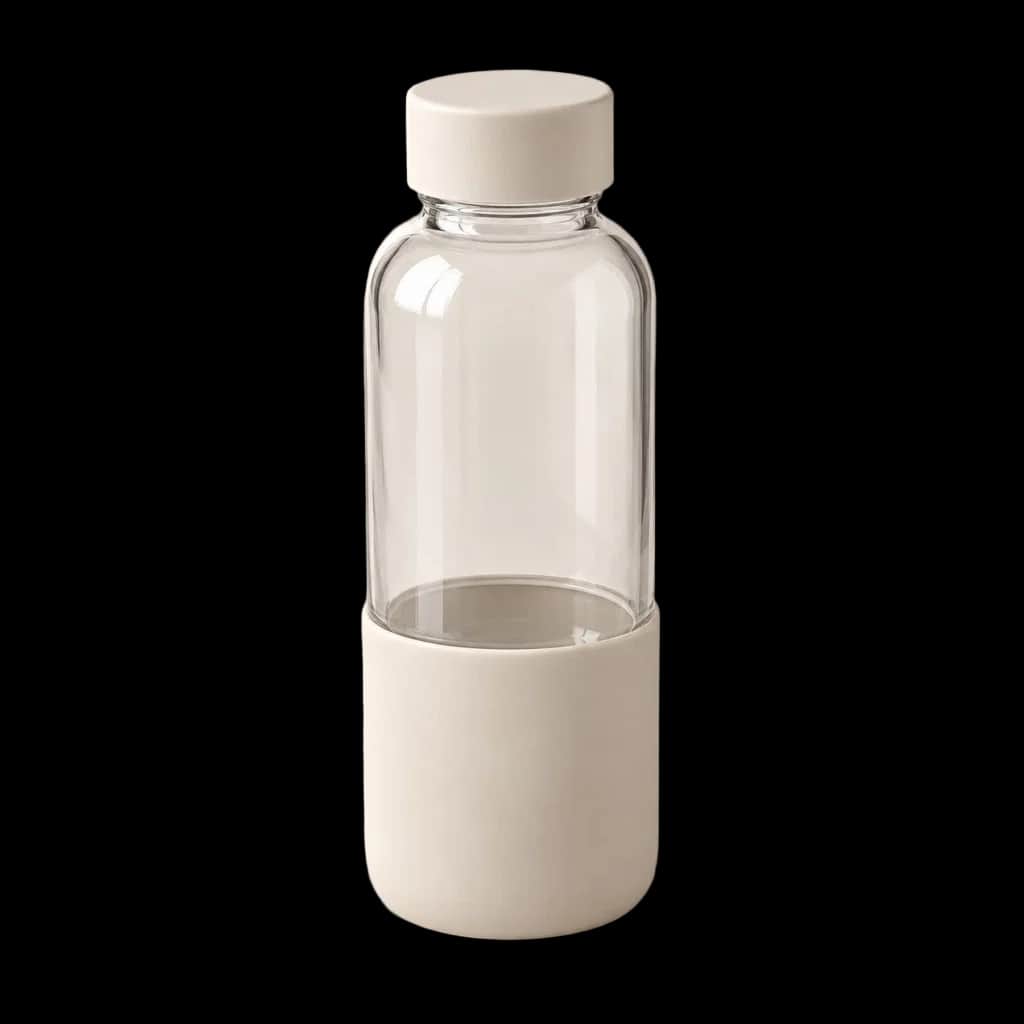
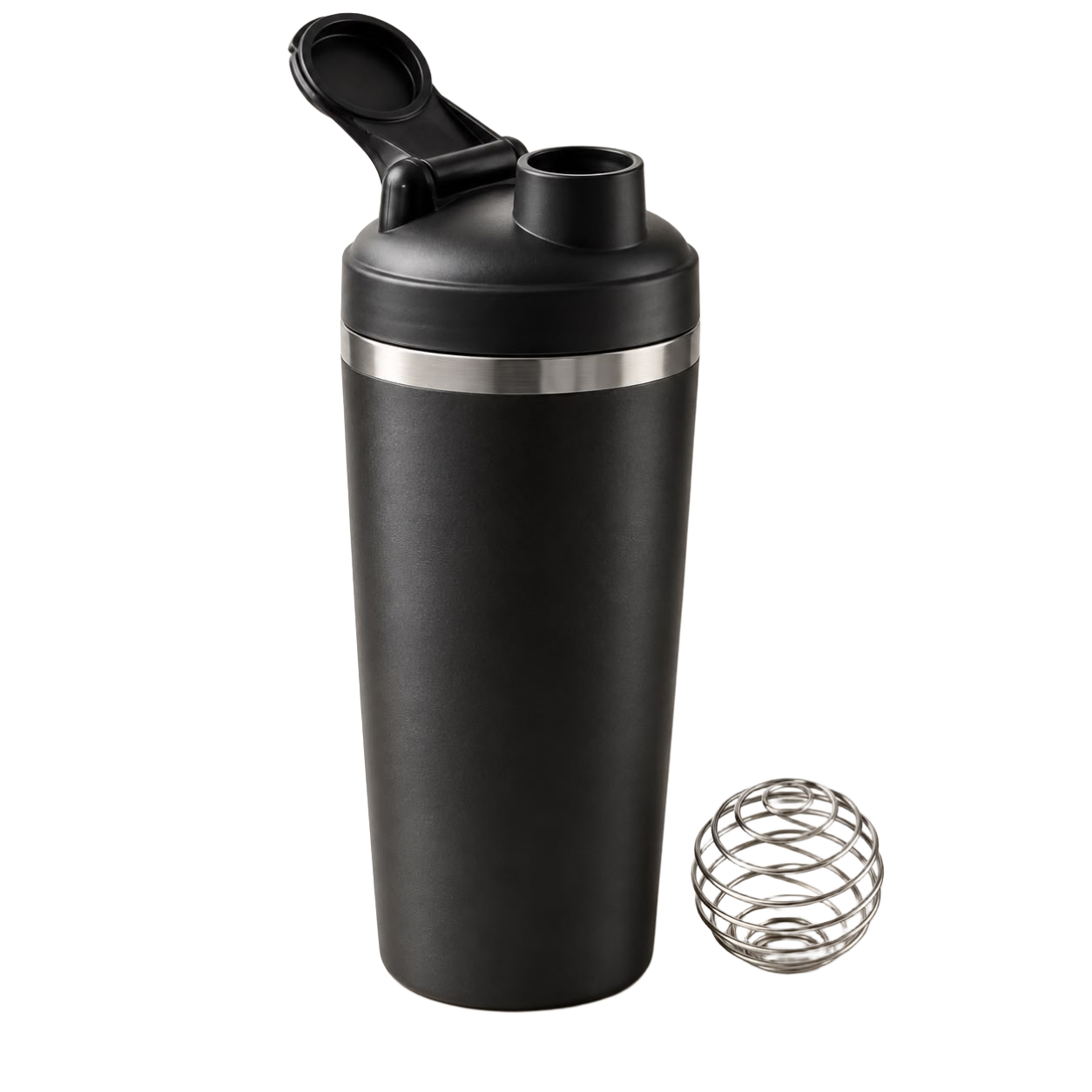
Stainless-Steel Protein Shaker
The vacuum flask was invented in 1892 by physicist James Dewar for keeping laboratory gases at stable temperatures, not for coffee. Commercialized as the Thermos two years later, the same double-wall vacuum principle sat mostly in workmen's lunchboxes for a century before a 2010s social-media wave turned the insulated tumbler into one of the most-recognized consumer objects of the decade, powered by the same vacuum flask design a certain outdoor-gear brand had been quietly making since 1913.
The same factories that produce for houses like Celine and Balenciaga can produce this piece, directly to you
GABI
Make it yours
Colour
Stainless-Steel Protein Shaker
The vacuum flask was invented in 1892 by physicist James Dewar for keeping laboratory gases at stable temperatures, not for coffee. Commercialized as the Thermos two years later, the same double-wall vacuum principle sat mostly in workmen's lunchboxes for a century before a 2010s social-media wave turned the insulated tumbler into one of the most-recognized consumer objects of the decade, powered by the same vacuum flask design a certain outdoor-gear brand had been quietly making since 1913.
The same factories that produce for houses like Celine and Balenciaga can produce this piece, directly to you
GABI
Make it yours
Colour
The vacuum flask was invented in 1892 by physicist James Dewar for keeping laboratory gases at stable temperatures, not for coffee. Commercialized as the Thermos two years later, the same double-wall vacuum principle sat mostly in workmen's lunchboxes for a century before a 2010s social-media wave turned the insulated tumbler into one of the most-recognized consumer objects of the decade, powered by the same vacuum flask design a certain outdoor-gear brand had been quietly making since 1913.
A Lab Instrument Becomes a Lunchbox Staple
The vacuum flask's 1892 scientific origin and its long, slow path to becoming a mainstream consumer object.
Vacuum insulation uses double-wall stainless steel with the air pumped out between the layers, a true vacuum rather than a simple air gap, which is why it dramatically outperforms basic double-wall plastic or glass.
Collapsible travel cups use a silicone body that folds flat for storage, trading insulation performance for pack size, aimed at travel and hiking use where space matters more than heat retention.
A protein shaker uses a wire or mesh agitator ball inside a single-wall bottle, relying on shaking motion rather than insulation — mixing, not temperature retention, is the design goal.
FAQ
A double-wall vacuum-insulated tumbler (China, 300–500 unit run) lands around $4–8; a collapsible silicone travel cup runs $2–4; a protein shaker runs $1.50–3, since it doesn't require vacuum insulation.
Vacuum insulation removes the air between the steel walls entirely, since air conducts heat far better than a vacuum does; simple double-wall construction (common in plastic or glass) just traps air, which insulates less effectively.
Typically 300–500 units per size and finish, since stainless steel forming and vacuum-sealing both carry setup costs that need volume to justify.
Collapsible cups are worth it when pack size matters more than insulation performance, like travel or hiking gear; for everyday desk or car use where insulation and structural rigidity matter more, a standard rigid tumbler is the better choice.
A wire or mesh ball agitates the contents as the bottle is shaken, breaking up powder clumps; stainless steel wire balls are standard and durable, while some lower-cost versions use plastic mesh, which wears out faster.
A screw lid is the cheapest and most leak-resistant; a flip lid adds convenience but a moving part that can fail over time; a straw lid adds a straw channel and typically costs more due to the extra components and seals required.
Vacuum-insulated stainless steel drinkware generally falls under HS 9617 (vacuum flasks and vessels); non-insulated tumblers and shakers fall under HS 3924 (plastic) or HS 7323 (metal) depending on material. Confirm per SKU.