Bottled Water
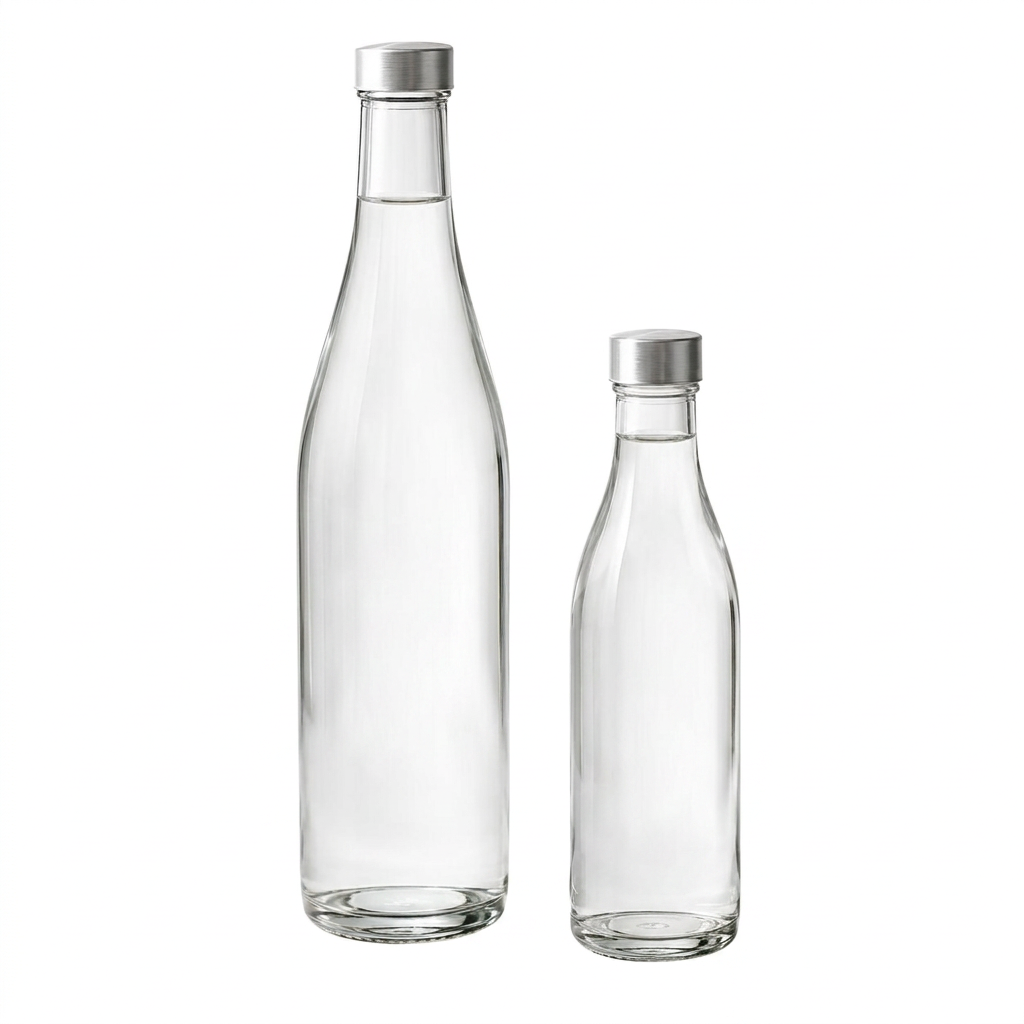
"Extra-virgin" on an olive oil label isn't a marketing phrase — it's a specific legal grade, requiring free acidity below 0.8% and a sensory panel confirming no detectable defects, standards formalized by the International Olive Council. Bottled water became a comparably branded, premium product much more recently: Perrier's aggressive American marketing campaign in the late 1970s was what first convinced a mass market that water itself, not just what came in it, could be a status purchase.
The same factories that produce for houses like Celine and Balenciaga can produce this piece, directly to you
GABI
Make it yours
Material gradeMOQ 50
Colour
Bottled Water
"Extra-virgin" on an olive oil label isn't a marketing phrase — it's a specific legal grade, requiring free acidity below 0.8% and a sensory panel confirming no detectable defects, standards formalized by the International Olive Council. Bottled water became a comparably branded, premium product much more recently: Perrier's aggressive American marketing campaign in the late 1970s was what first convinced a mass market that water itself, not just what came in it, could be a status purchase.
The same factories that produce for houses like Celine and Balenciaga can produce this piece, directly to you
GABI
Make it yours
Material gradeMOQ 50
Colour
"Extra-virgin" on an olive oil label isn't a marketing phrase — it's a specific legal grade, requiring free acidity below 0.8% and a sensory panel confirming no detectable defects, standards formalized by the International Olive Council. Bottled water became a comparably branded, premium product much more recently: Perrier's aggressive American marketing campaign in the late 1970s was what first convinced a mass market that water itself, not just what came in it, could be a status purchase.
A Legal Grade and a Marketing Campaign
Extra-virgin olive oil is a formally regulated product spec, while premium bottled water status is almost entirely brand-driven, two very different paths to the same gifting shelf.
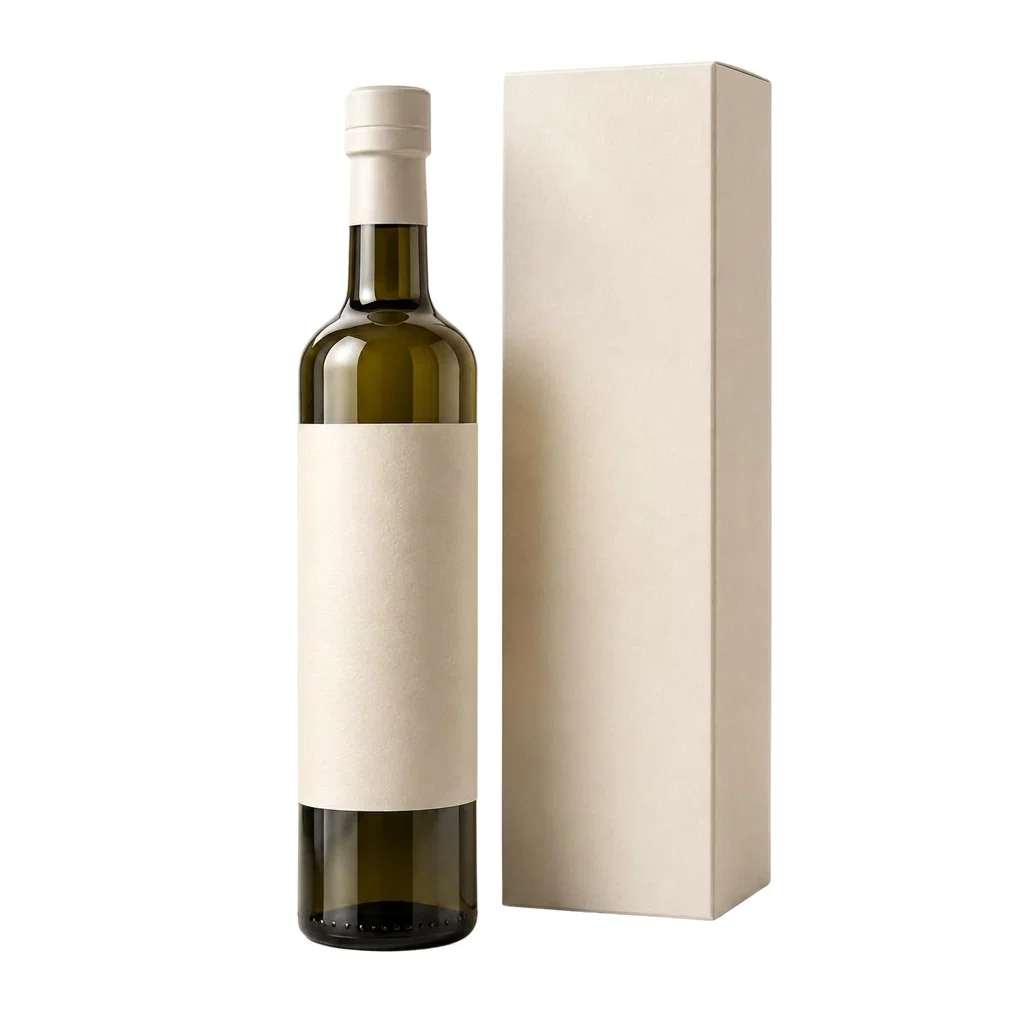
Dark glass protects olive oil from light degradation, a real chemical shelf-life factor rather than just an aesthetic choice; clear glass or plastic lets light break down the oil's flavor compounds faster.
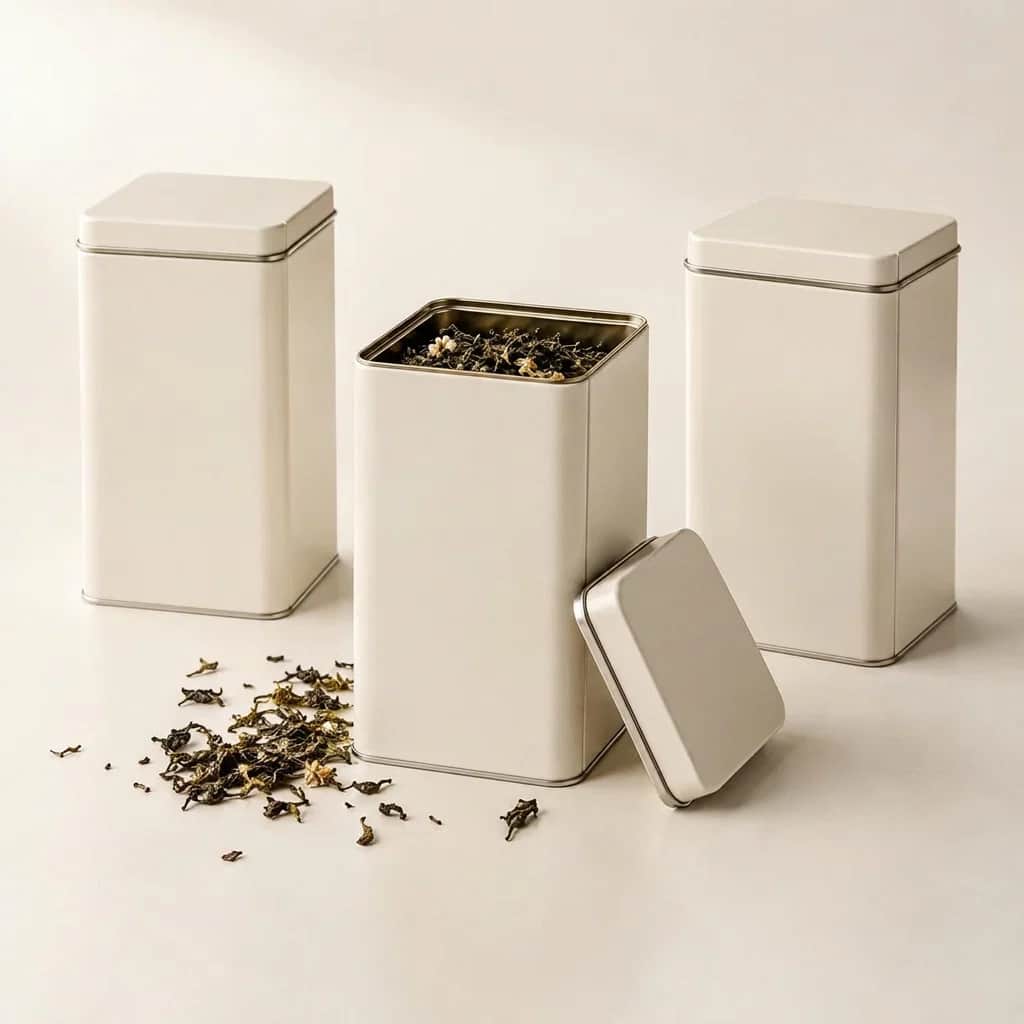
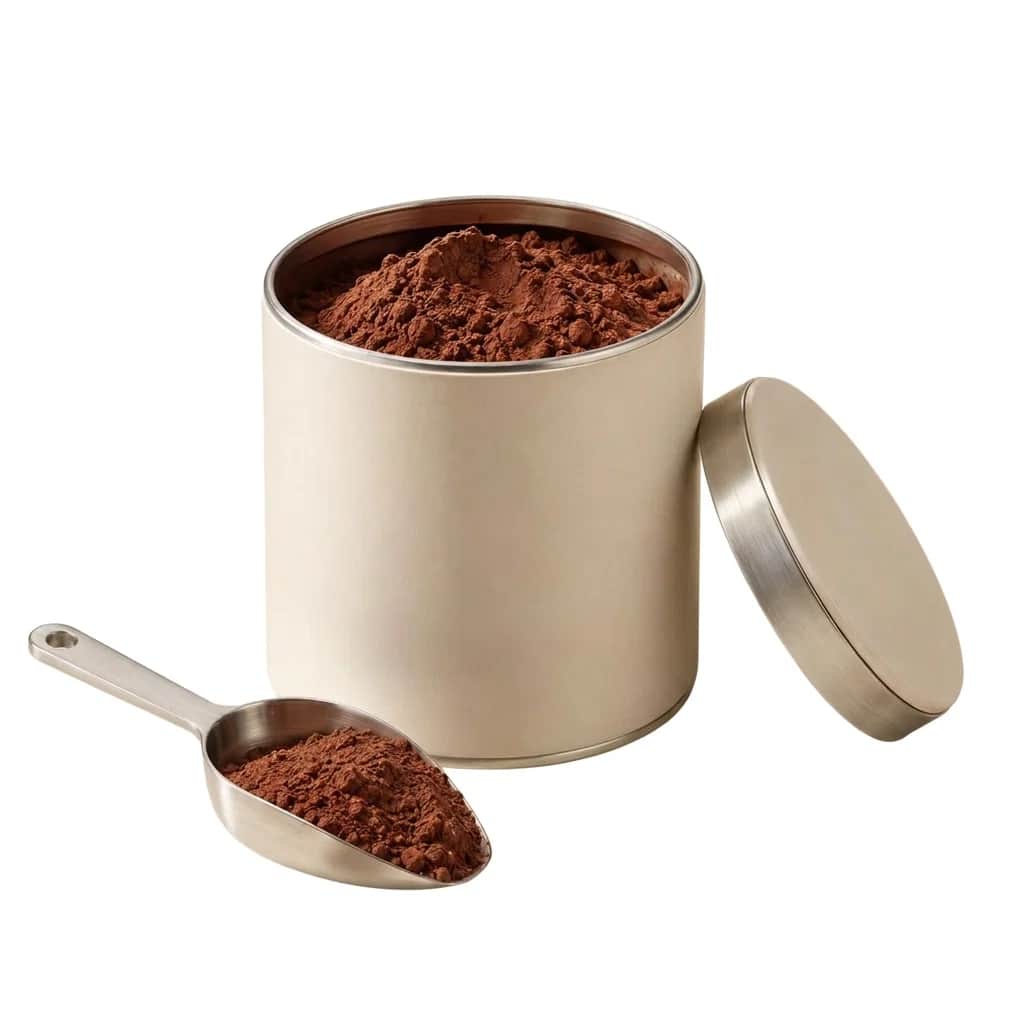
Loose-leaf tea freshness and aroma retention depend on airtight, light-blocking packaging similar to coffee, and the format, tins, pouches, or sachets, affects both shelf life and how premium the presentation feels.
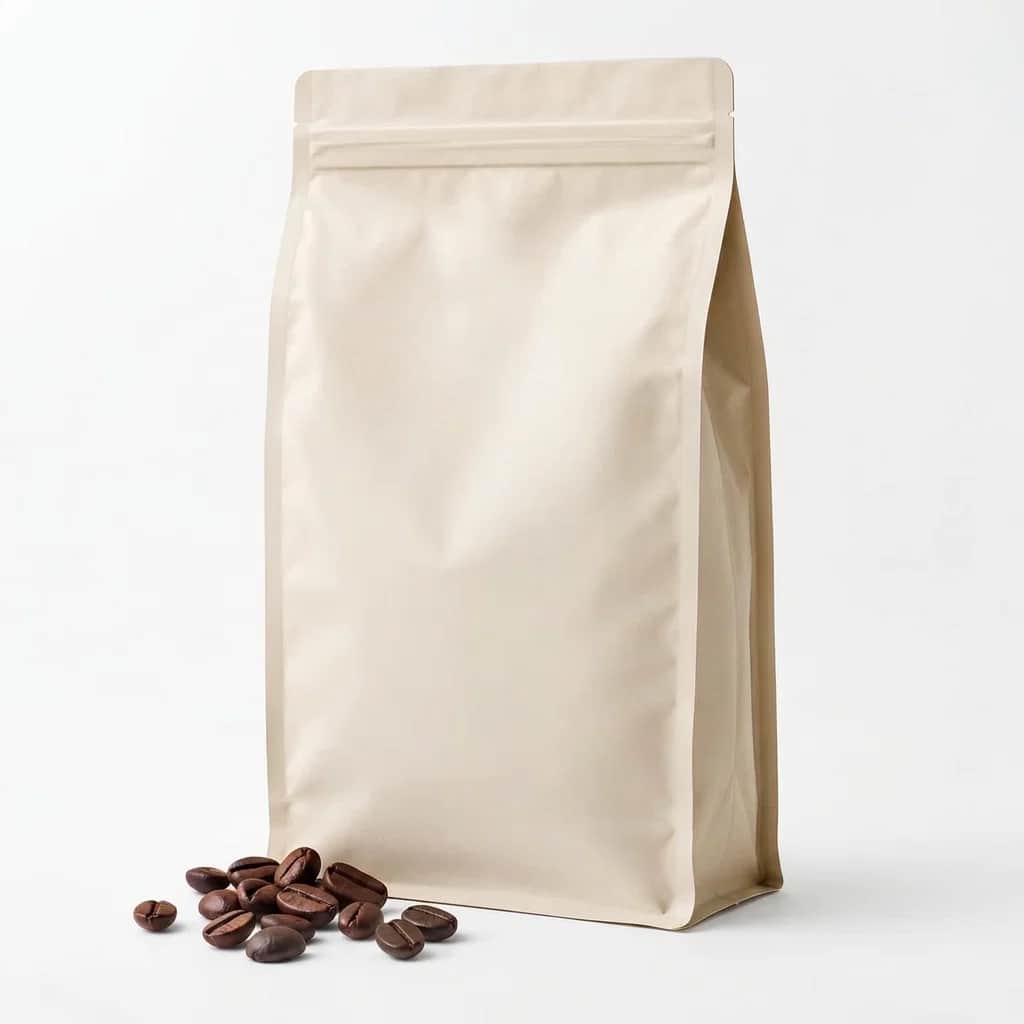
Whole bean versus ground coffee affects shelf life (whole bean stays fresh far longer) and the packaging needed, since a one-way degassing valve matters more for whole beans shipped soon after roasting.
FAQ
Branded bottled water (500-unit run) lands around $1–2 per unit; a bottle of extra-virgin olive oil in dark glass with custom labeling runs $4–8; a loose-leaf tea collection runs $6–14 depending on tin or pouch format and number of varieties.
Light exposure accelerates the breakdown of the oil's flavor compounds, so dark (typically green or amber) glass genuinely extends shelf life and flavor quality compared to clear glass or plastic.
It's a legal grade based on free acidity below 0.8% and passing sensory panel testing for defects, set by the International Olive Council. Sourcing an authentic extra-virgin product requires documentation from the producer confirming this grading, not just a label claim.
Typically 300–500 units per label design, though the food or beverage product itself often carries its own separate minimum from the producer, which frequently becomes the limiting factor rather than the packaging.
Whole bean stays fresh significantly longer and benefits more from a one-way degassing valve if gifted soon after roasting; ground coffee has a shorter freshness window and is more sensitive to storage time, so gifting timelines matter more.
Airtight, light-blocking packaging, a metal tin or a foil-lined pouch, preserves aroma best; a clear or loosely sealed container lets tea lose flavor and aroma noticeably faster.
Olive oil falls under HS 1509; coffee under HS 0901; tea under HS 0902; bottled water under HS 2201. Each product has its own chapter — confirm per SKU rather than treating this as one category.