Beret
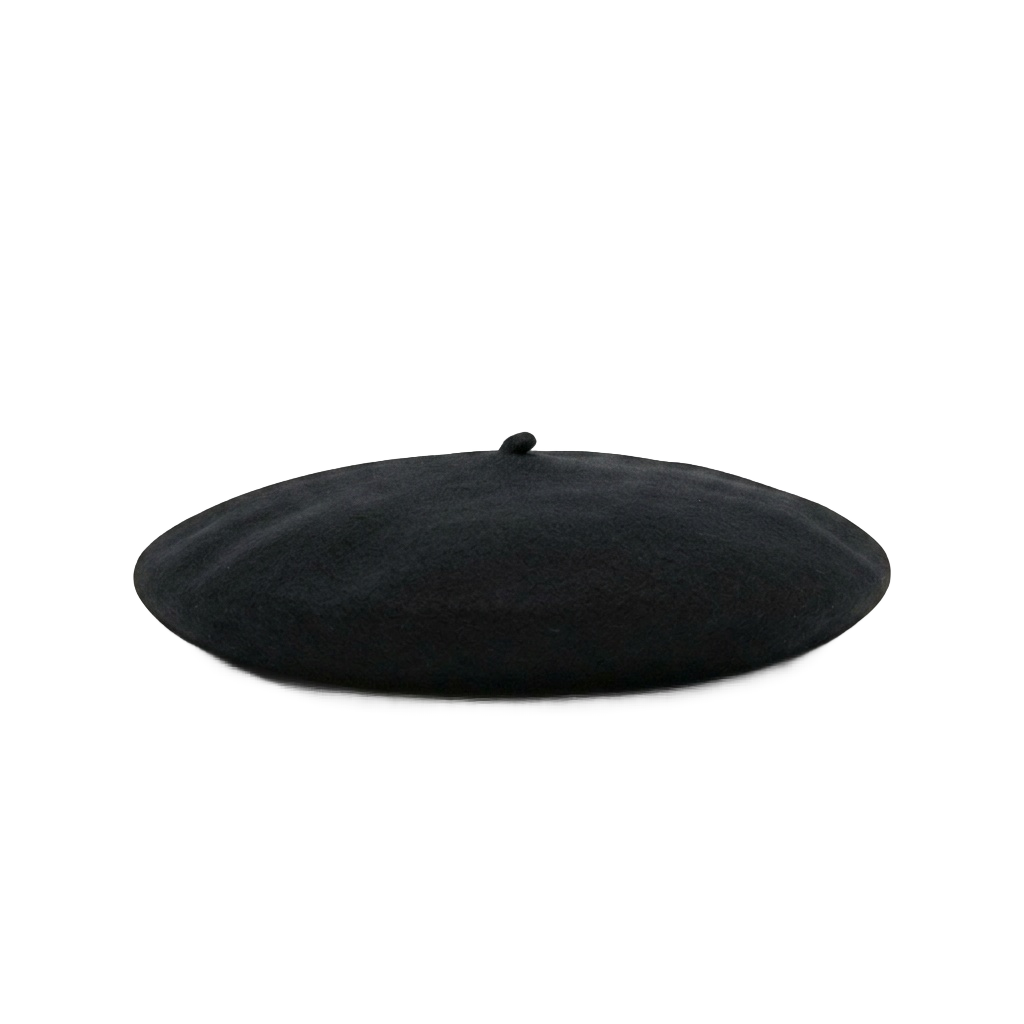
The beret is a flat circle with more cultural baggage than most jackets. Military units, artists, students, revolutionaries, and French-girl styling all claimed the same soft wool disc. The pattern is simple; the felt, diameter, and stiffness decide whether it looks iconic or like costume.
The same factories that produce for houses like Celine and Balenciaga can produce this piece, directly to you
GABI
Make it yours
Material gradeMOQ 50
Colour
Beret
The beret is a flat circle with more cultural baggage than most jackets. Military units, artists, students, revolutionaries, and French-girl styling all claimed the same soft wool disc. The pattern is simple; the felt, diameter, and stiffness decide whether it looks iconic or like costume.
The same factories that produce for houses like Celine and Balenciaga can produce this piece, directly to you
GABI
Make it yours
Material gradeMOQ 50
Colour
Fabrics
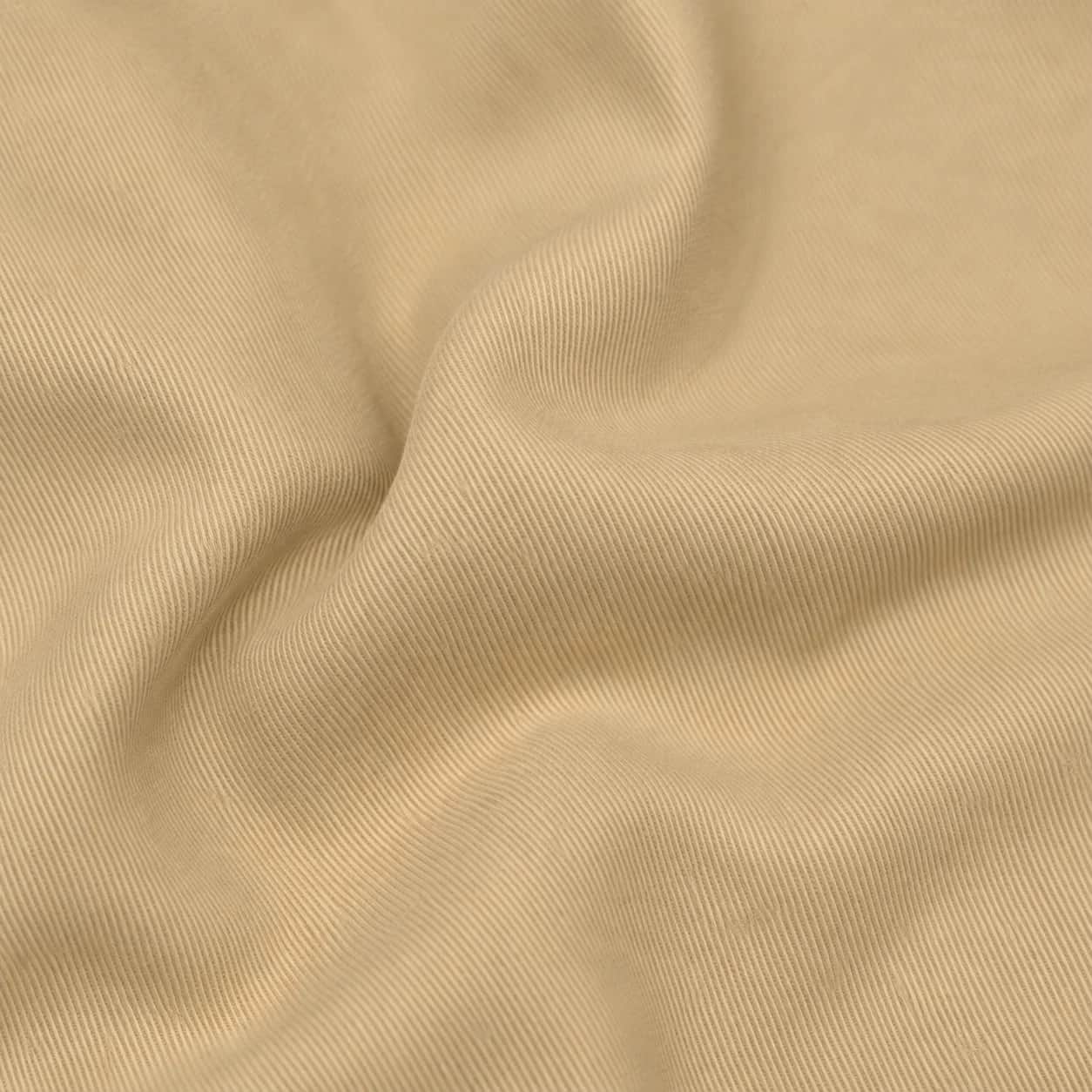
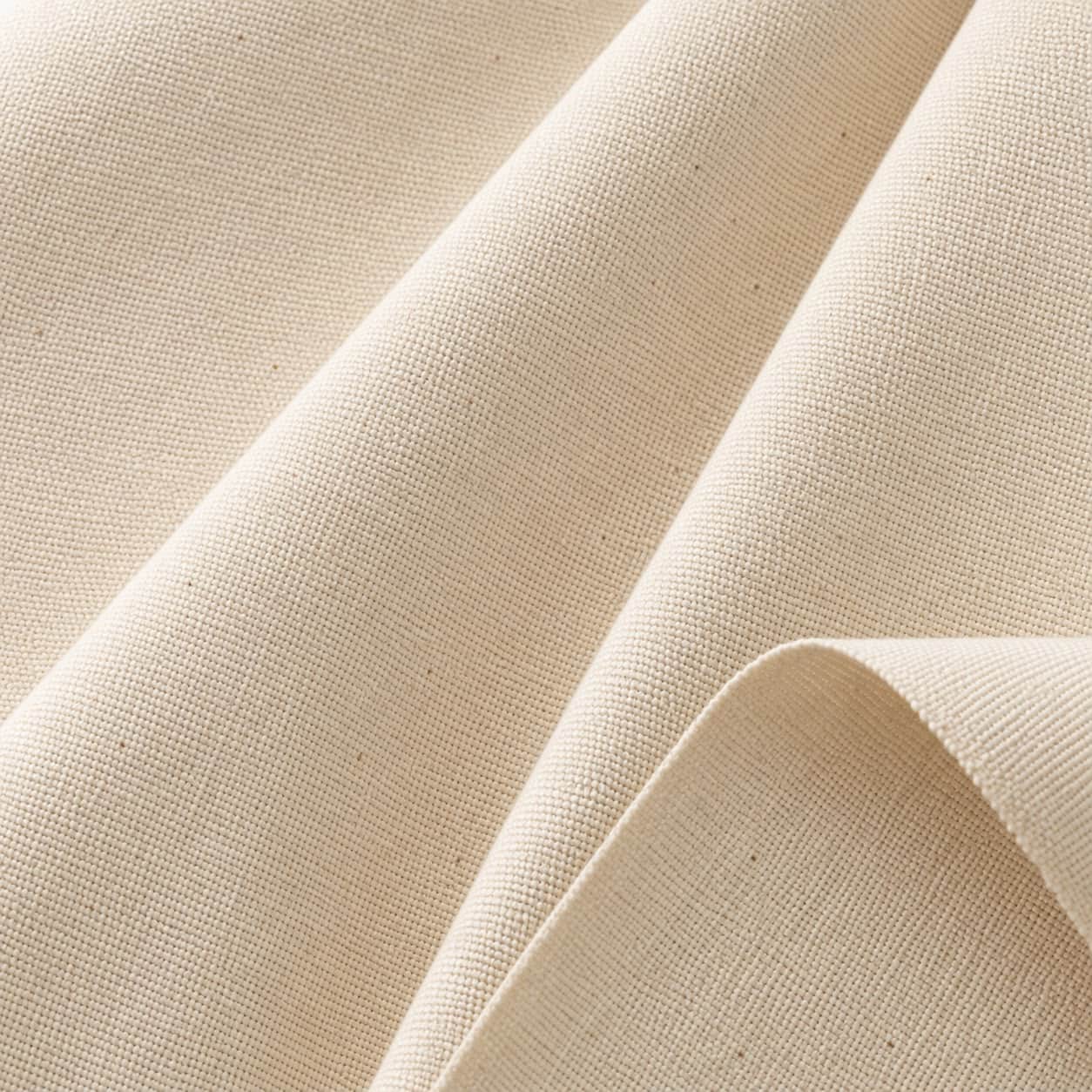
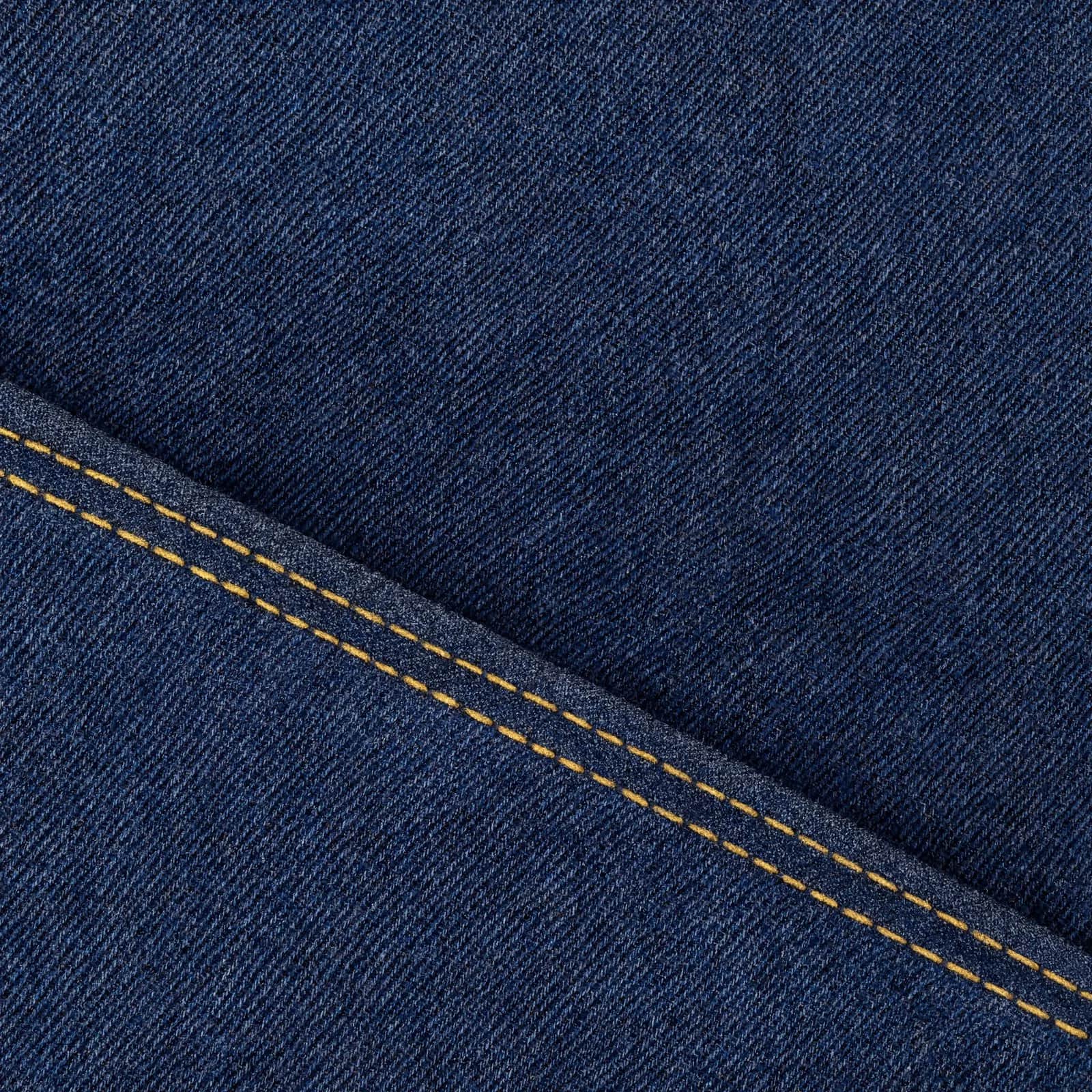
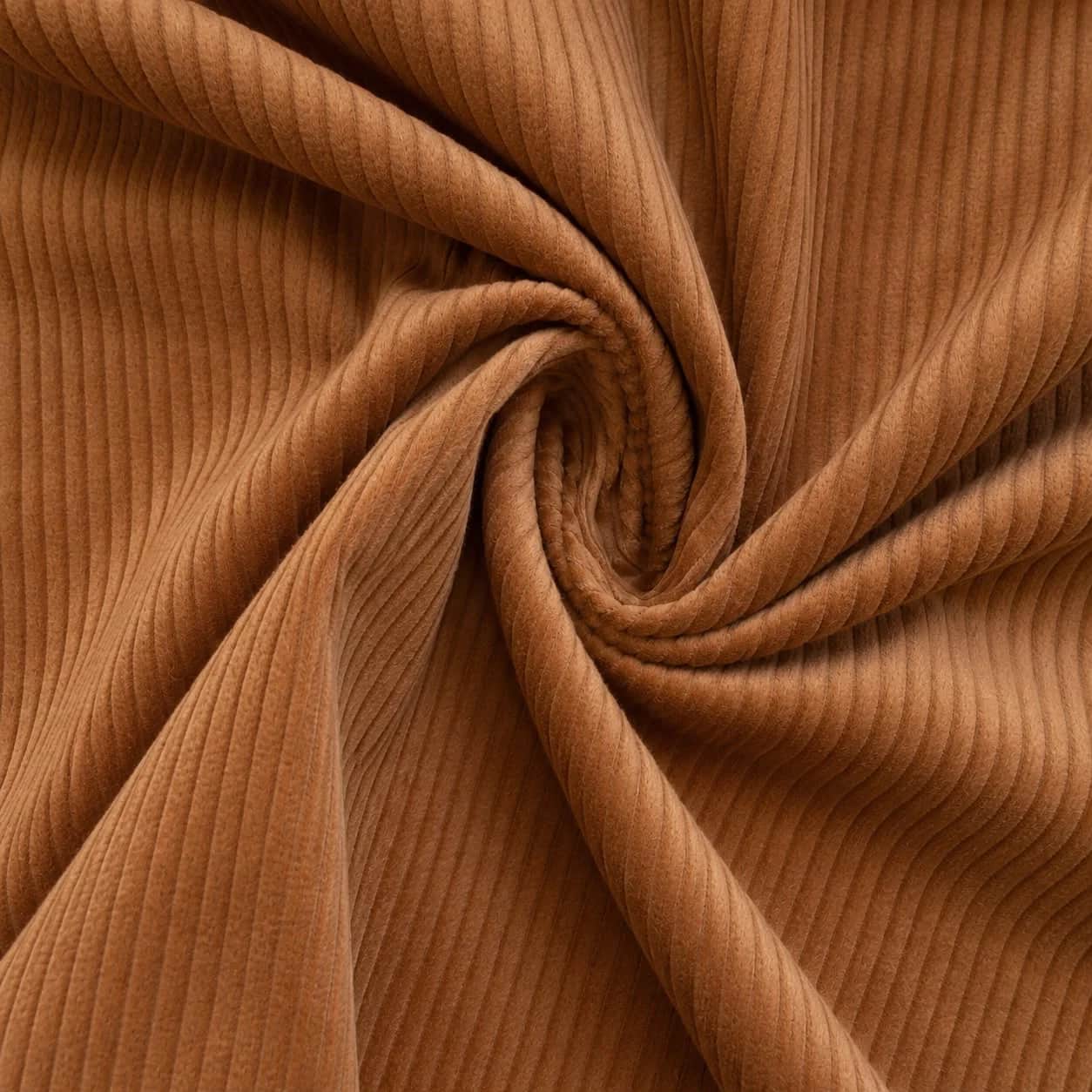

The beret is a flat circle with more cultural baggage than most jackets. Military units, artists, students, revolutionaries, and French-girl styling all claimed the same soft wool disc. The pattern is simple; the felt, diameter, and stiffness decide whether it looks iconic or like costume.
The Beret -- "The beret is a flat circle with more cultural baggage than most jackets."
Berets developed as practical wool headwear in European pastoral and military contexts, then became a cultural symbol across art, politics, and fashion. The shape's power comes from its neutrality: it can read classic, rebellious, academic, or romantic depending on styling and material.
Construction logic
Most berets are knitted then felted, or cut-and-sewn from wool felt. The key variables are diameter, head opening, stiffness, and the small stem or top detail. A beret must hold enough shape to drape without collapsing into a pancake.
Commercial logic for creators
For creators, the beret is a compact accessory with strong styling value. It works in wool, leather, knit, or embellished versions, but the classic felted wool version is the benchmark. Quality is judged by handfeel and how the disc sits on the head.
FAQ
A beret is a soft, round, flat-crowned hat with a fitted head opening and a flexible drape.
Common options include felted wool, wool blends, leather, cotton knit, cashmere blends, and optional lining.. Choose based on target price, handfeel, durability, and care requirements.
Focus on felt density, headband opening, crown diameter, top stem, edge finish, and optional lining. These details usually determine whether the product feels credible or cheap.
Check head opening, crown diameter, drape preference, stiffness, and whether it is worn tilted or centered. Fit should be reviewed on the body type and use case the product is designed for, not only on a flat measurement sheet.
The main cost drivers are wool quality, felting process, lining, embellishment, and shaping consistency. Sampling time and rejection risk also increase cost when the fit is sensitive.
Request checks for felt density, pilling, shape recovery, edge firmness, and colourfastness. For performance or workwear products, test under the real use condition rather than only visually.
Watch for floppy weak felt, tight opening, uneven disc shape, pilling, and colour bleeding. These issues should be caught at fit sample, pre-production sample, and bulk inspection stages.
affordable uses wool blends; premium uses dense wool felt; luxury uses fine wool, cashmere, leather, or embellishment.
Include diameter, opening size, felt weight, edge finish, lining, and top detail. Add reference photos and tolerance notes where fit or construction is easy to misread.
millinery or knit-felting accessory factories are best.
Use OEKO-TEX STANDARD 100 as a consumer-safety baseline where possible. Use GOTS for organic cotton, GRS for recycled polyester or nylon, RWS for responsible wool, and leather-specific or chemical compliance where relevant to the material.
spot clean and store flat; steam can refresh shape but heavy washing may distort it.