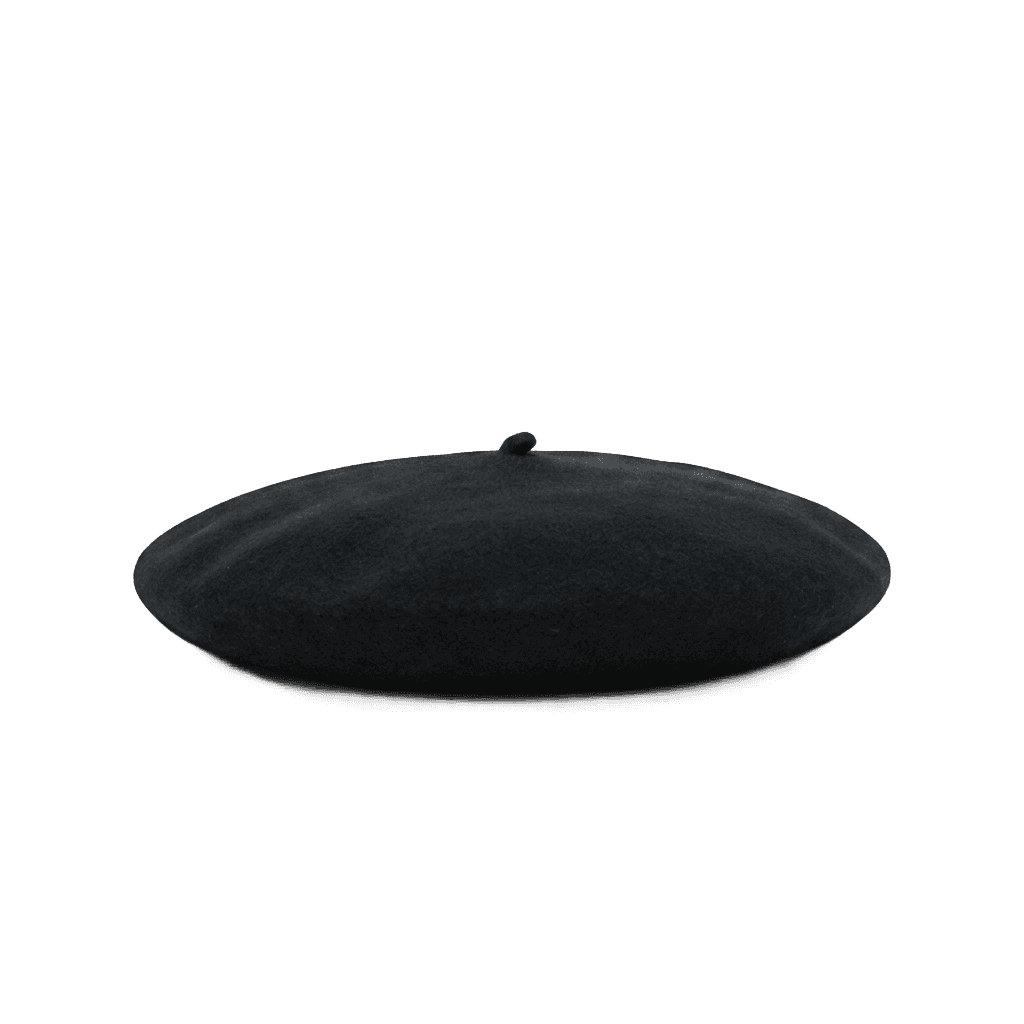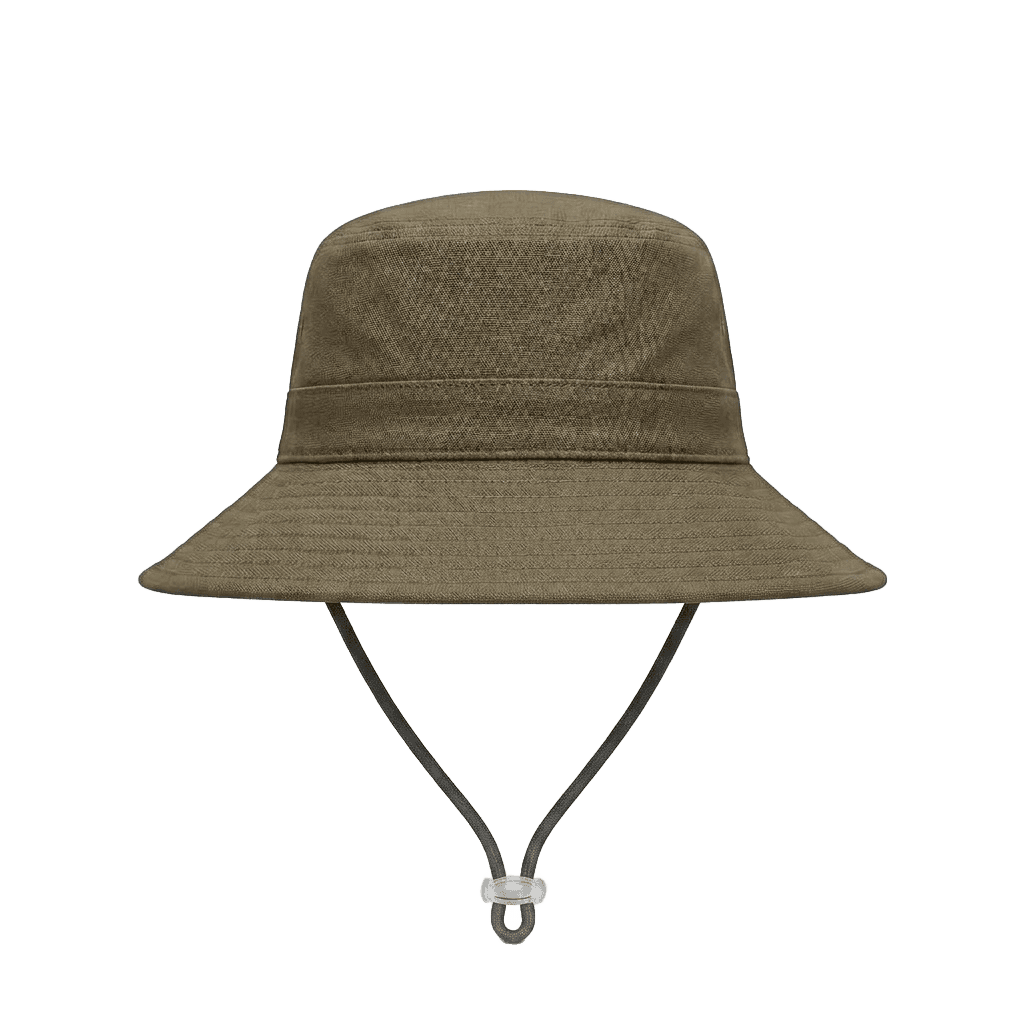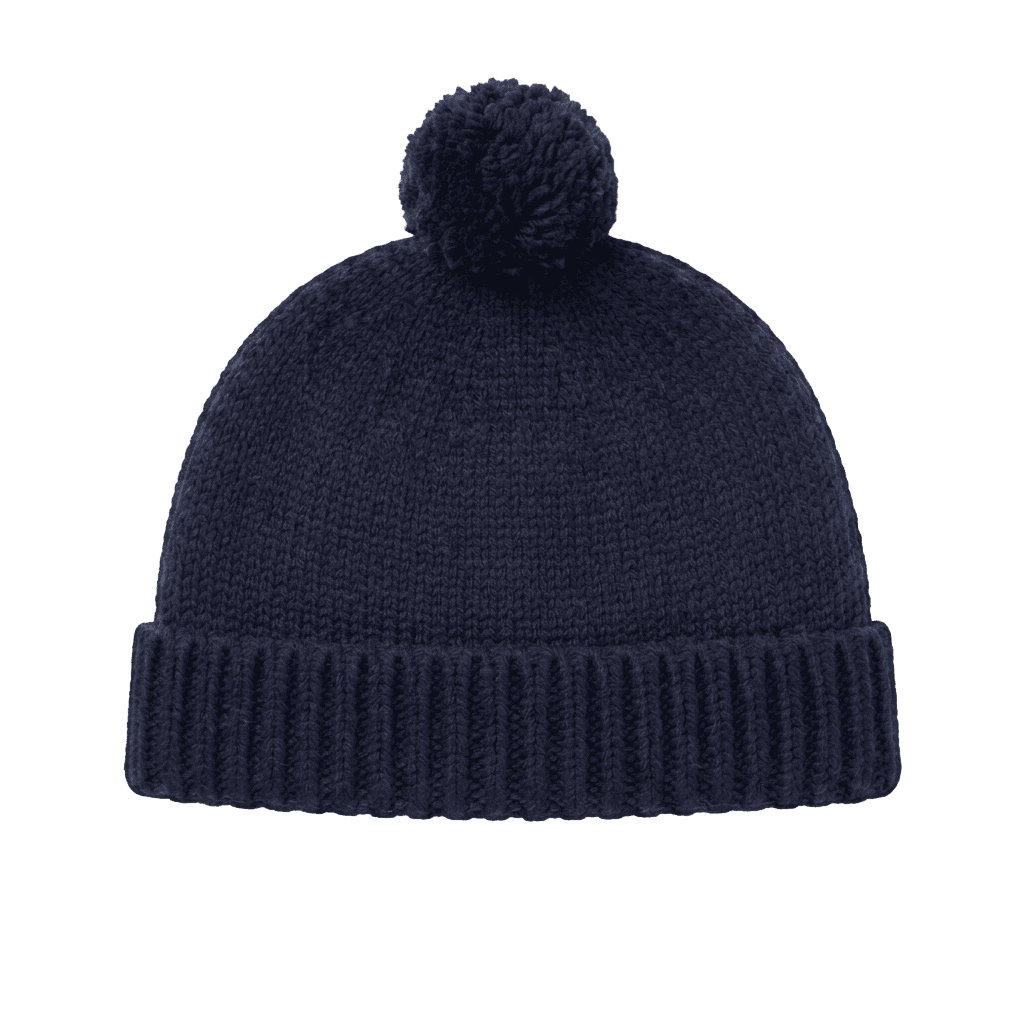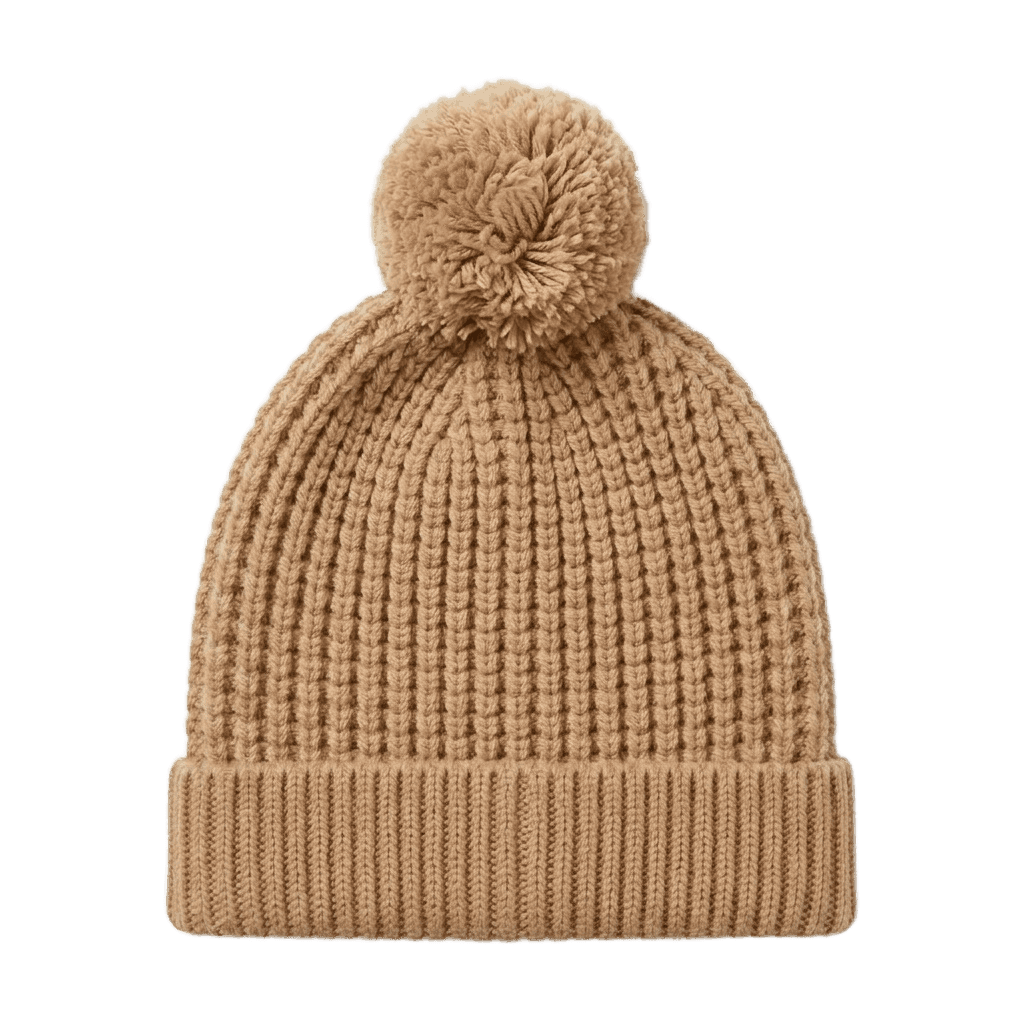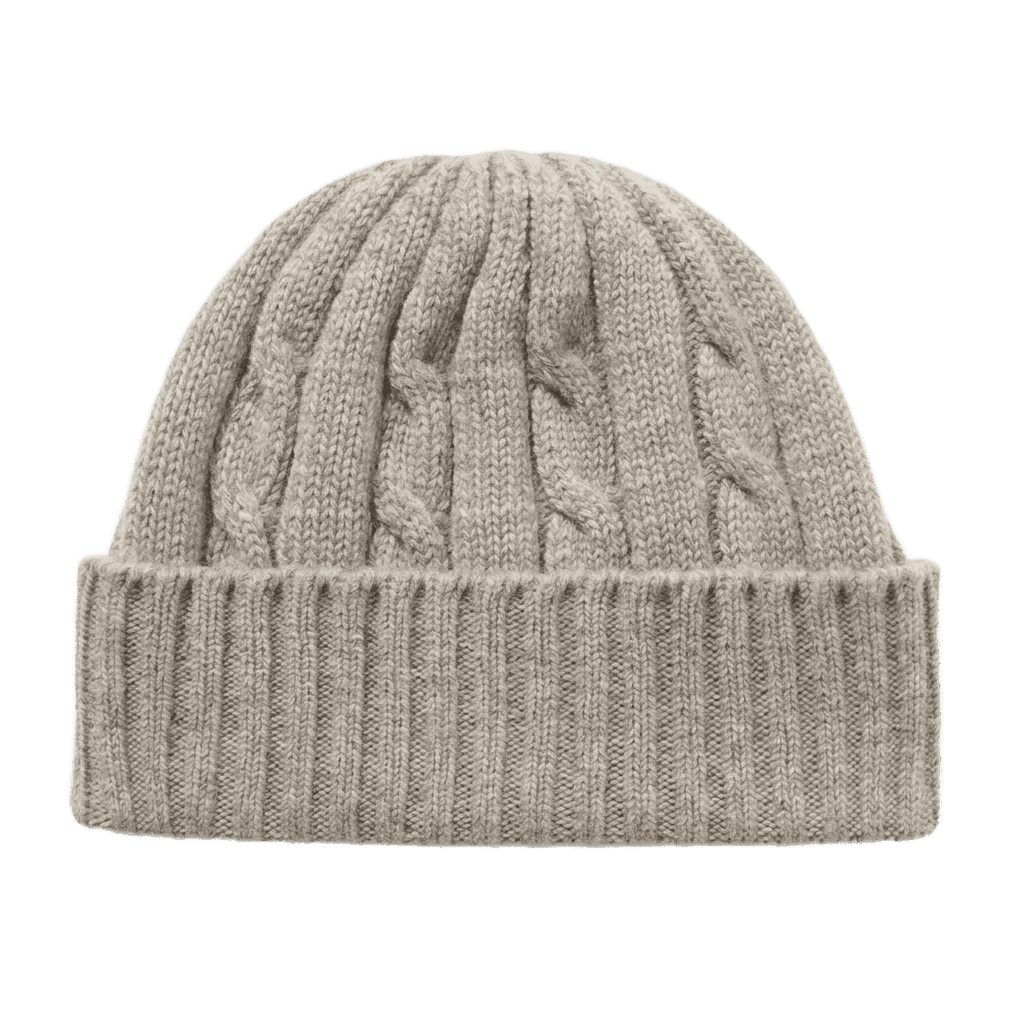
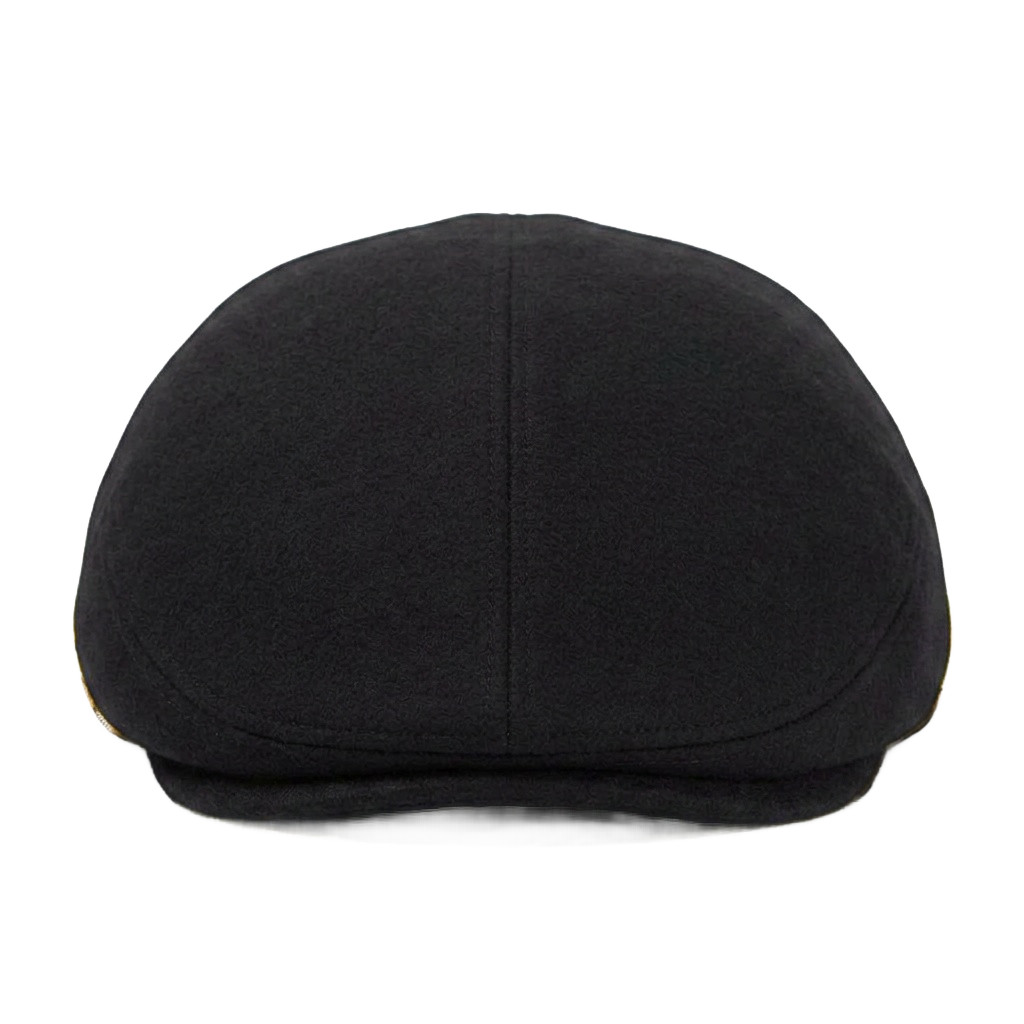
Flat cap / newsboy cap
The flat cap is tailoring reduced to a small curved crown and a short brim. It carries a century of working-class, sporting, and heritage dressing in one accessory. Unlike a baseball cap, it cannot hide behind a logo; the shape and cloth do the storytelling.
The same factories that produce for houses like Celine and Balenciaga can produce this piece, directly to you
GABI
Make it yours
Material gradeMOQ 50
Colour
Flat cap / newsboy cap
The flat cap is tailoring reduced to a small curved crown and a short brim. It carries a century of working-class, sporting, and heritage dressing in one accessory. Unlike a baseball cap, it cannot hide behind a logo; the shape and cloth do the storytelling.
The same factories that produce for houses like Celine and Balenciaga can produce this piece, directly to you
GABI
Make it yours
Material gradeMOQ 50
Colour
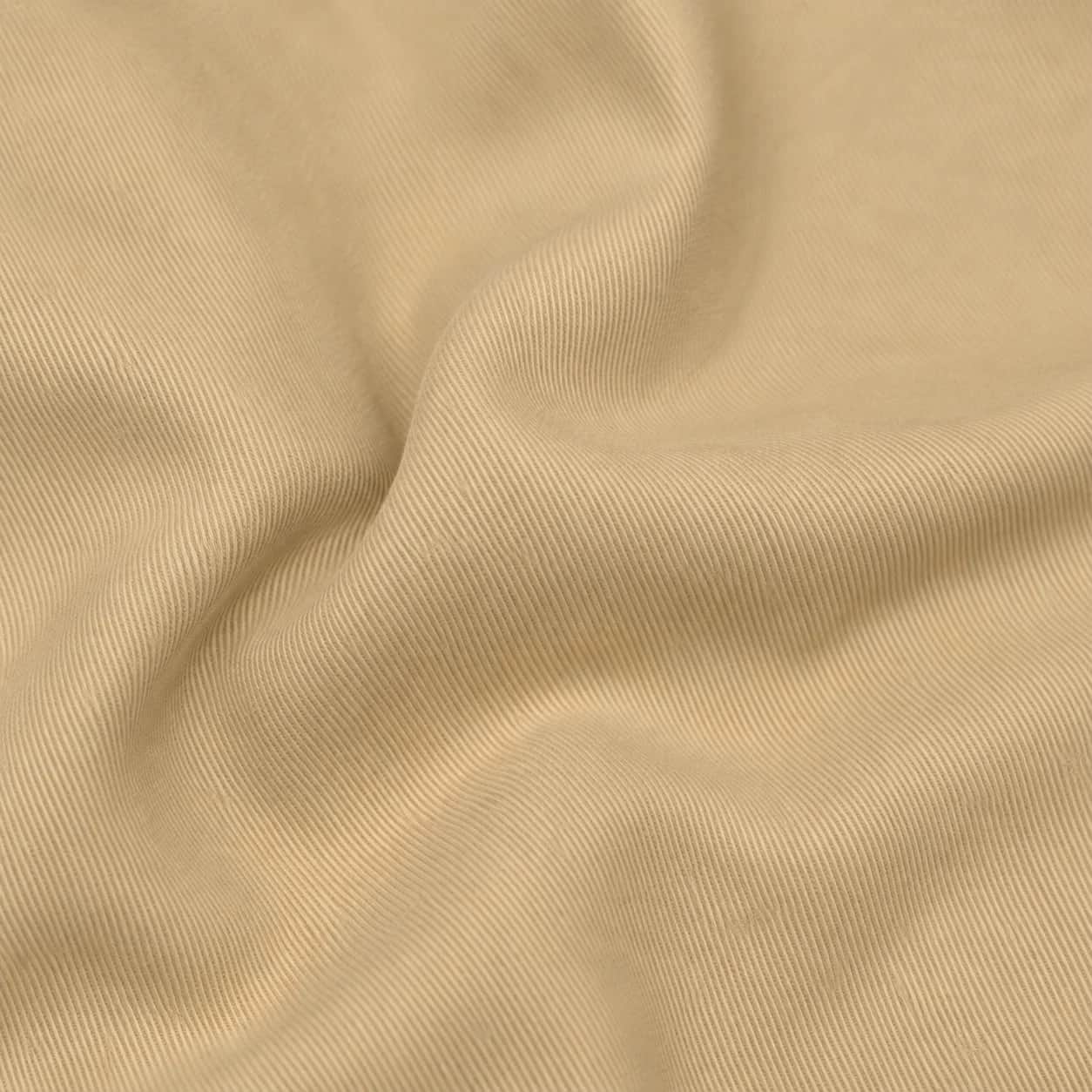
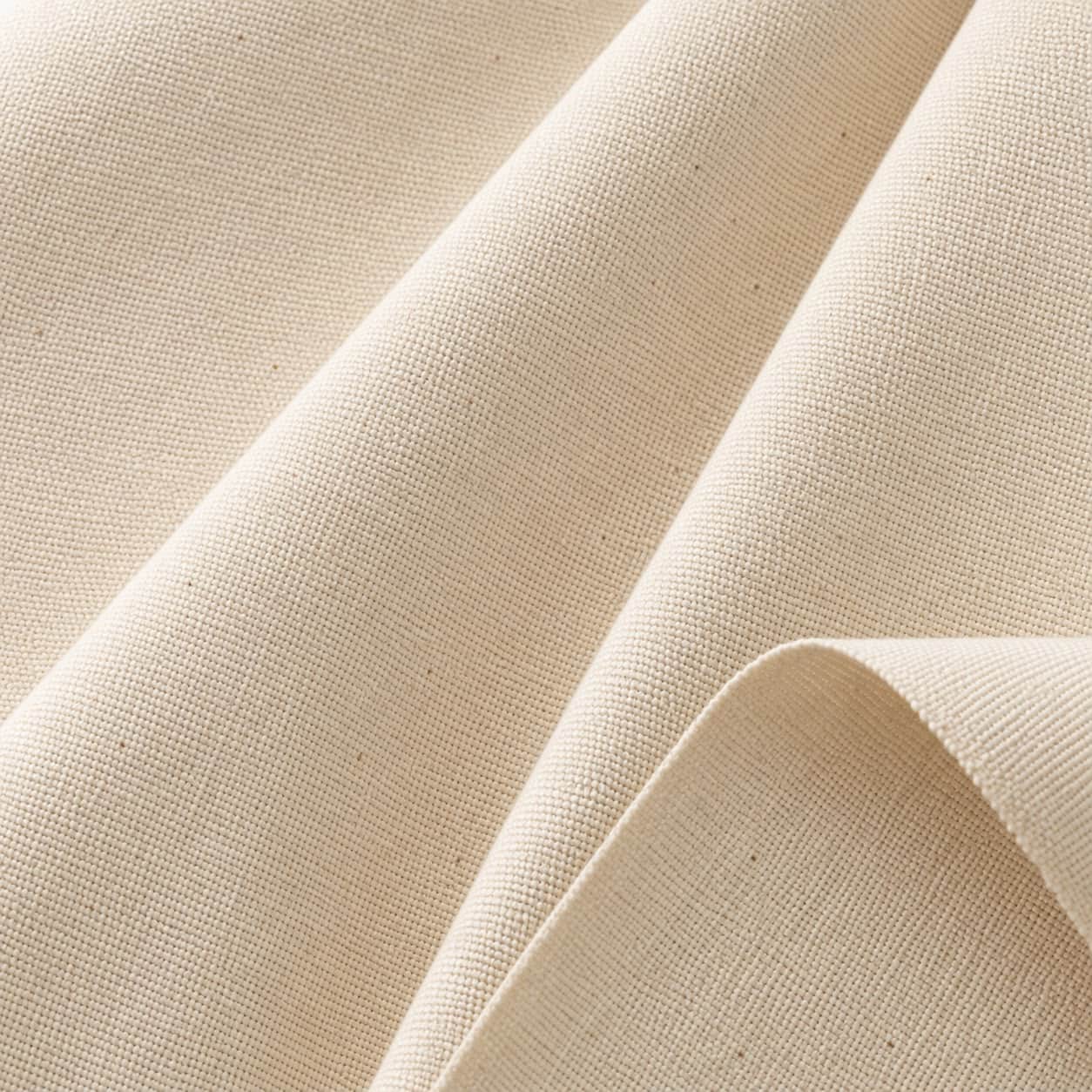
Fabrics
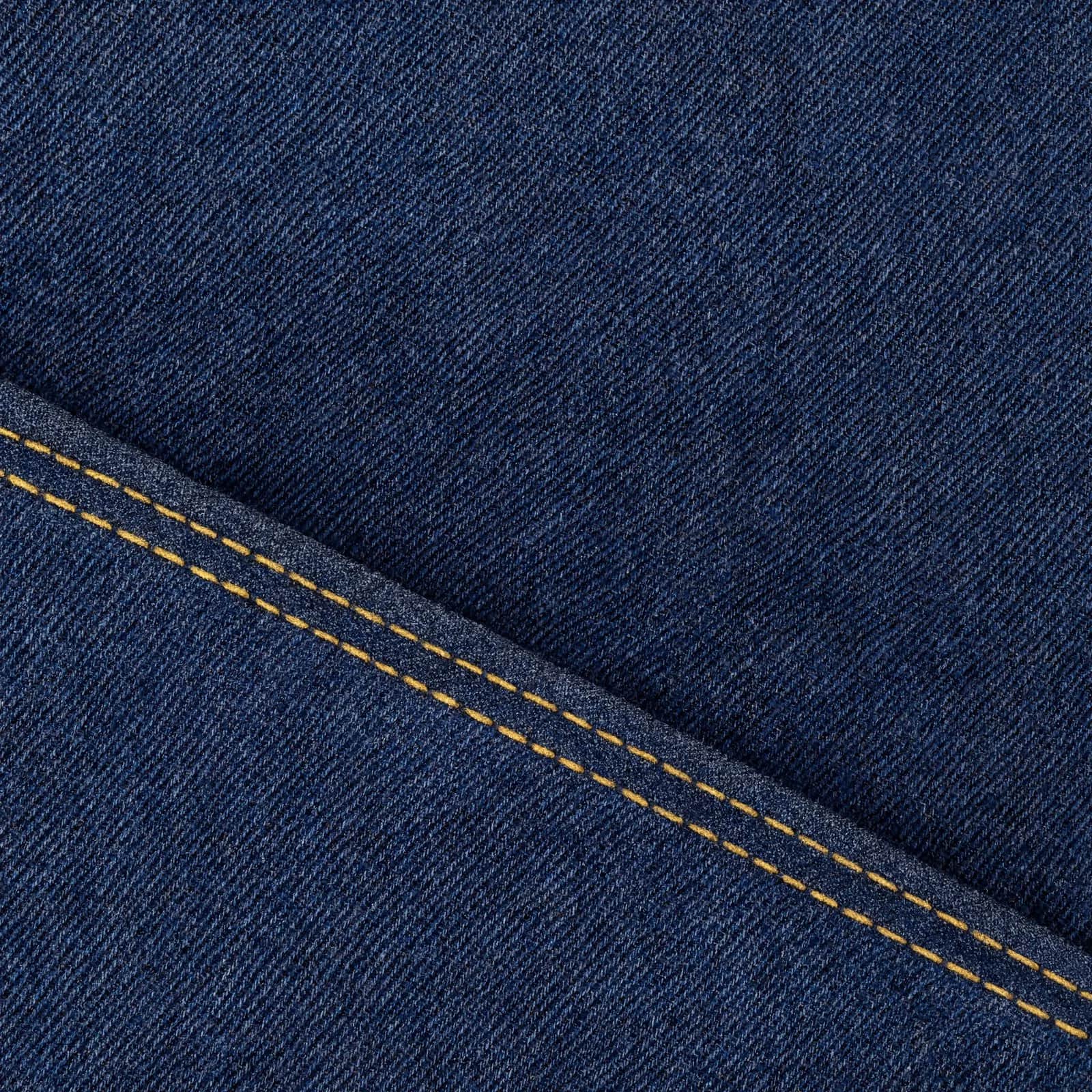
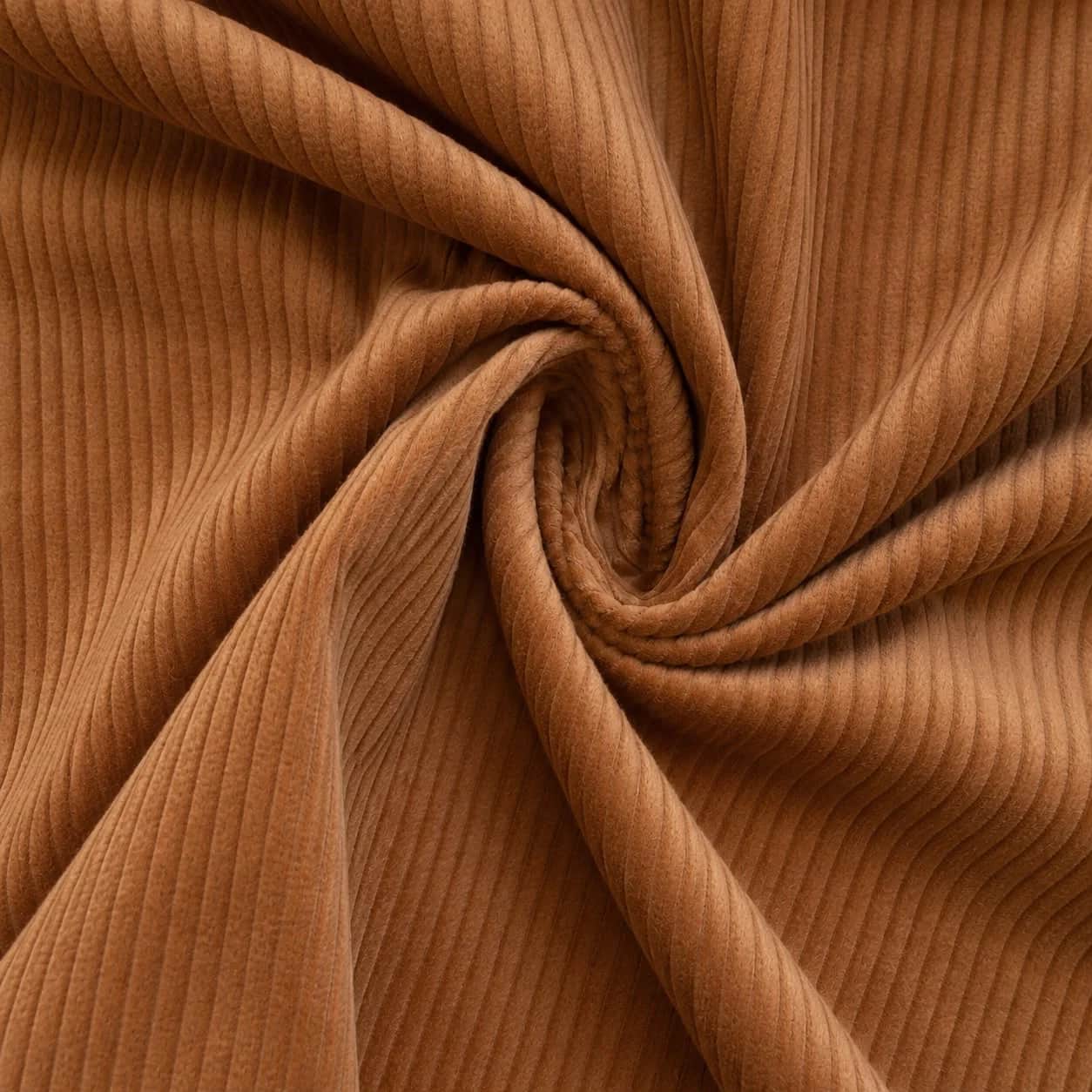

The flat cap is tailoring reduced to a small curved crown and a short brim. It carries a century of working-class, sporting, and heritage dressing in one accessory. Unlike a baseball cap, it cannot hide behind a logo; the shape and cloth do the storytelling.
The Flat Cap / Newsboy Cap -- "The flat cap is tailoring reduced to a small curved crown and a short brim."
Flat caps and newsboy caps became common across Britain, Ireland, Europe, and North America as practical wool caps for workers, drivers, golfers, and newspaper sellers. The flat cap is sleeker and closer to the head; the newsboy cap is fuller with panelled volume. Fashion keeps returning to both because they carry instant heritage.
Construction logic
The product is built from shaped panels, a short brim, lining, and often a button or crown join. Fabric choice defines the mood: tweed, wool flannel, corduroy, linen, and cotton all change seasonality. Precise panel shape matters because small asymmetries are visible on the head.
Commercial logic for creators
For creators, the flat cap is a niche accessory but a strong heritage signal. It works best with outerwear, tailoring, wool coats, and vintage-inspired capsules. Premium versions rely on fabric provenance, lining, and clean brim construction.
FAQ
A flat cap or newsboy cap is a soft structured cap with a short brim and a low or panelled crown.
Common options include wool tweed, wool flannel, corduroy, linen, cotton twill, leather trims, and cotton lining.. Choose based on target price, handfeel, durability, and care requirements.
Focus on panel cutting, brim shaping, lining, sweatband, top button, and clean crown joining. These details usually determine whether the product feels credible or cheap.
Check head circumference, crown volume, brim length, lining comfort, and seasonal fabric weight. Fit should be reviewed on the body type and use case the product is designed for, not only on a flat measurement sheet.
The main cost drivers are wool fabric, lining, panel count, brim reinforcement, sweatband quality, and hand finishing. Sampling time and rejection risk also increase cost when the fit is sensitive.
Request checks for symmetry, brim curve, lining attachment, fabric pilling, and sweatband durability. For performance or workwear products, test under the real use condition rather than only visually.
Watch for twisted crown, uneven brim, puckered panels, itchy lining, and poor size grading. These issues should be caught at fit sample, pre-production sample, and bulk inspection stages.
affordable uses cotton or polyester blends; premium uses wool tweed or corduroy; luxury uses heritage wool and refined lining.
Include cap size, panel count, brim length, crown height, lining material, and sweatband spec. Add reference photos and tolerance notes where fit or construction is easy to misread.
headwear factories with soft-cap patterning are preferred.
Use OEKO-TEX STANDARD 100 as a consumer-safety baseline where possible. Use GOTS for organic cotton, GRS for recycled polyester or nylon, RWS for responsible wool, and leather-specific or chemical compliance where relevant to the material.
spot cleaning is safest; wool caps can distort under aggressive washing.