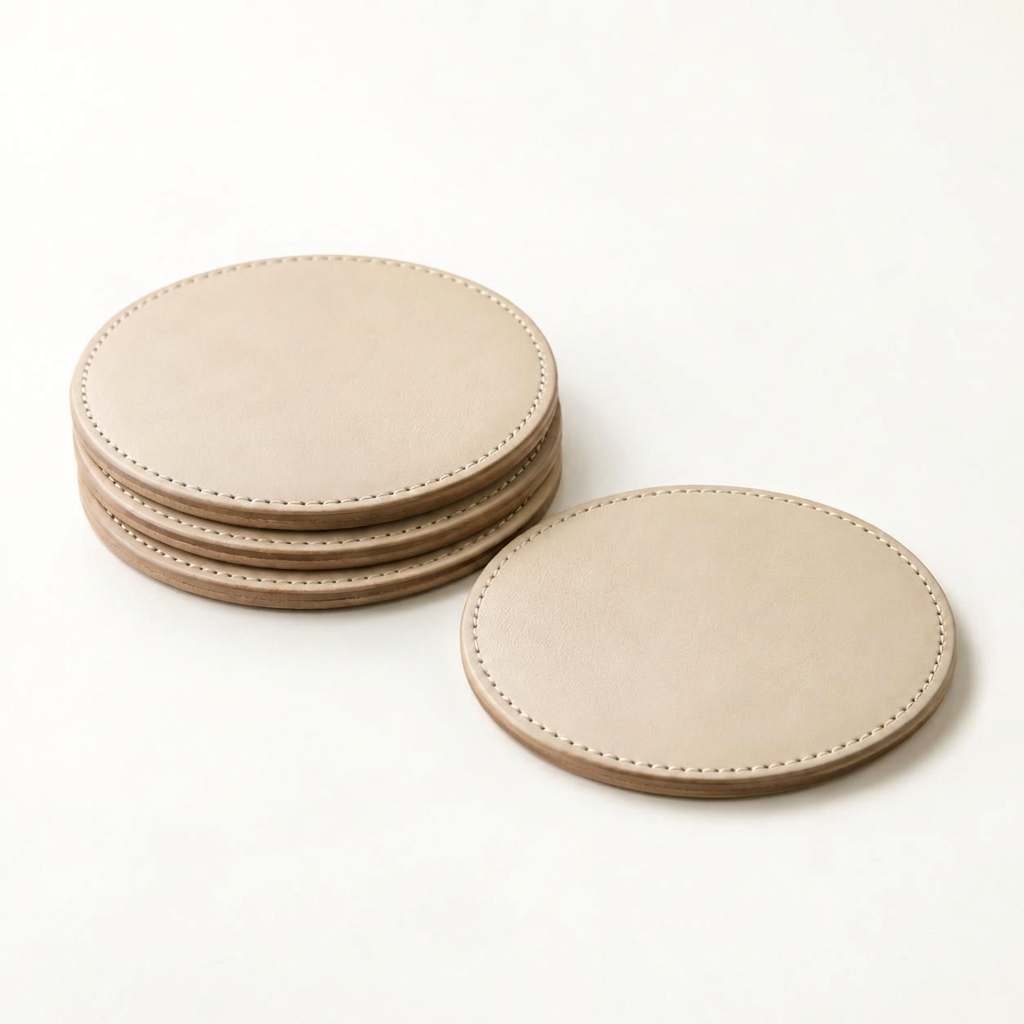
Coaster Set
The word "coaster" originally meant a small wheeled or felt-bottomed tray used to slide a decanter along an 18th-century English dining table without lifting and re-placing it, sparing the polished wood from both heat and repeated handling. The single-glass coaster is a much later, smaller-scale descendant of that same impulse: protect the table surface from a wet or hot vessel with a purpose-built, replaceable buffer rather than the table itself.
The same factories that produce for houses like Celine and Balenciaga can produce this piece, directly to you
GABI
Make it yours
Material gradeMOQ 50
Colour
Coaster Set
The word "coaster" originally meant a small wheeled or felt-bottomed tray used to slide a decanter along an 18th-century English dining table without lifting and re-placing it, sparing the polished wood from both heat and repeated handling. The single-glass coaster is a much later, smaller-scale descendant of that same impulse: protect the table surface from a wet or hot vessel with a purpose-built, replaceable buffer rather than the table itself.
The same factories that produce for houses like Celine and Balenciaga can produce this piece, directly to you
GABI
Make it yours
Material gradeMOQ 50
Colour
The word "coaster" originally meant a small wheeled or felt-bottomed tray used to slide a decanter along an 18th-century English dining table without lifting and re-placing it, sparing the polished wood from both heat and repeated handling. The single-glass coaster is a much later, smaller-scale descendant of that same impulse: protect the table surface from a wet or hot vessel with a purpose-built, replaceable buffer rather than the table itself.
From Sliding Decanters to a Single Glass
The coaster's original meaning as a decanter-sliding tray, shrunk down to protect a single glass.
Cork or absorbent stone coasters manage moisture well but wear faster; non-porous materials like acrylic, metal, or coated wood wipe clean instantly and hold up better to constant restaurant turnover.
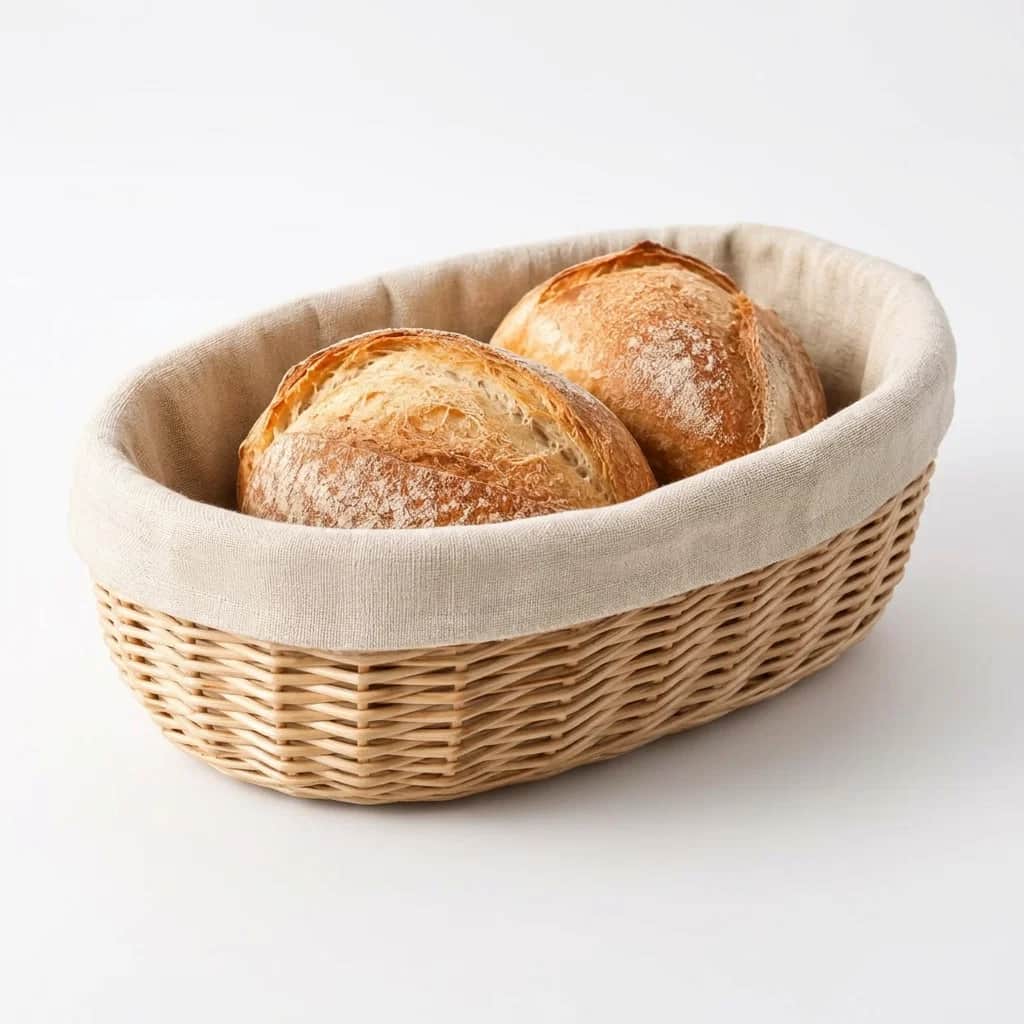
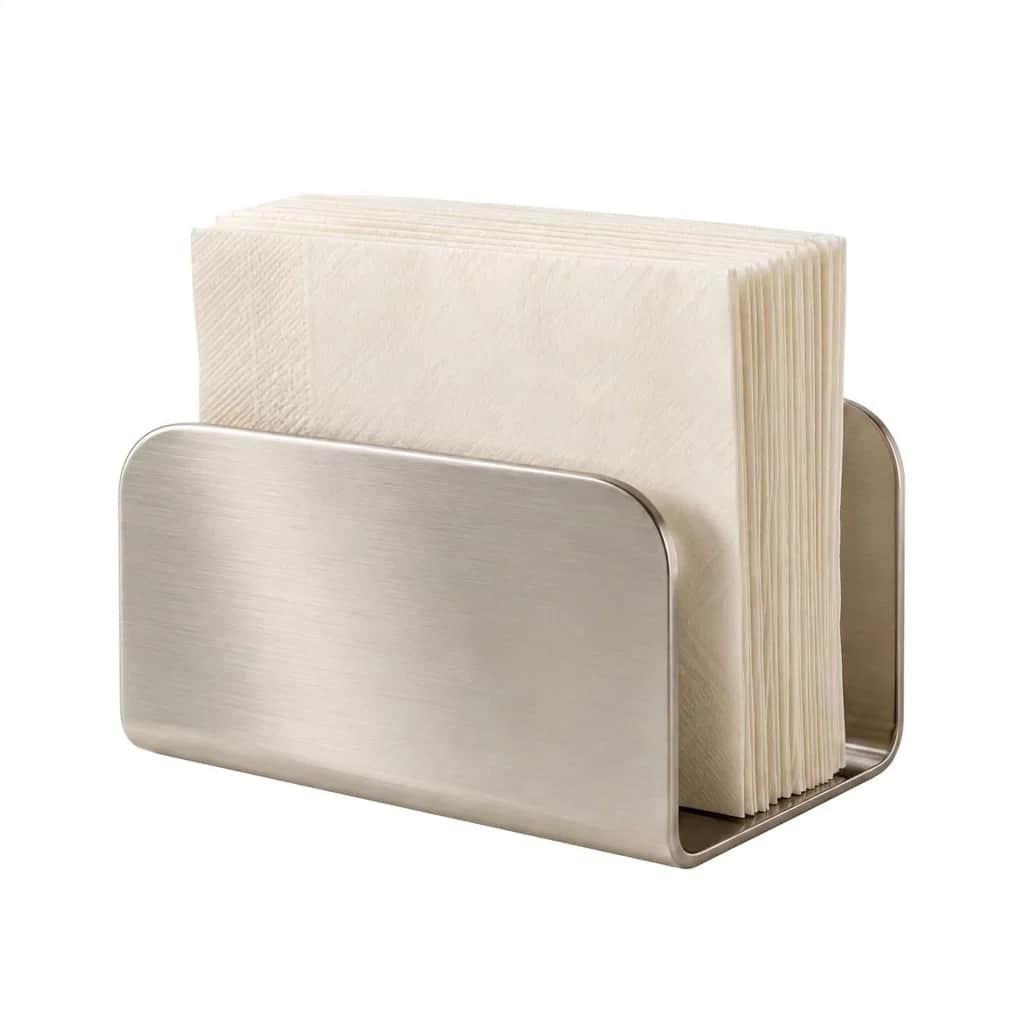
Bread baskets and napkin holders are typically wire, wicker, or wood; wire allows better airflow, keeping bread from steaming and going soft, while wicker and wood read as warmer but need more careful cleaning between uses.
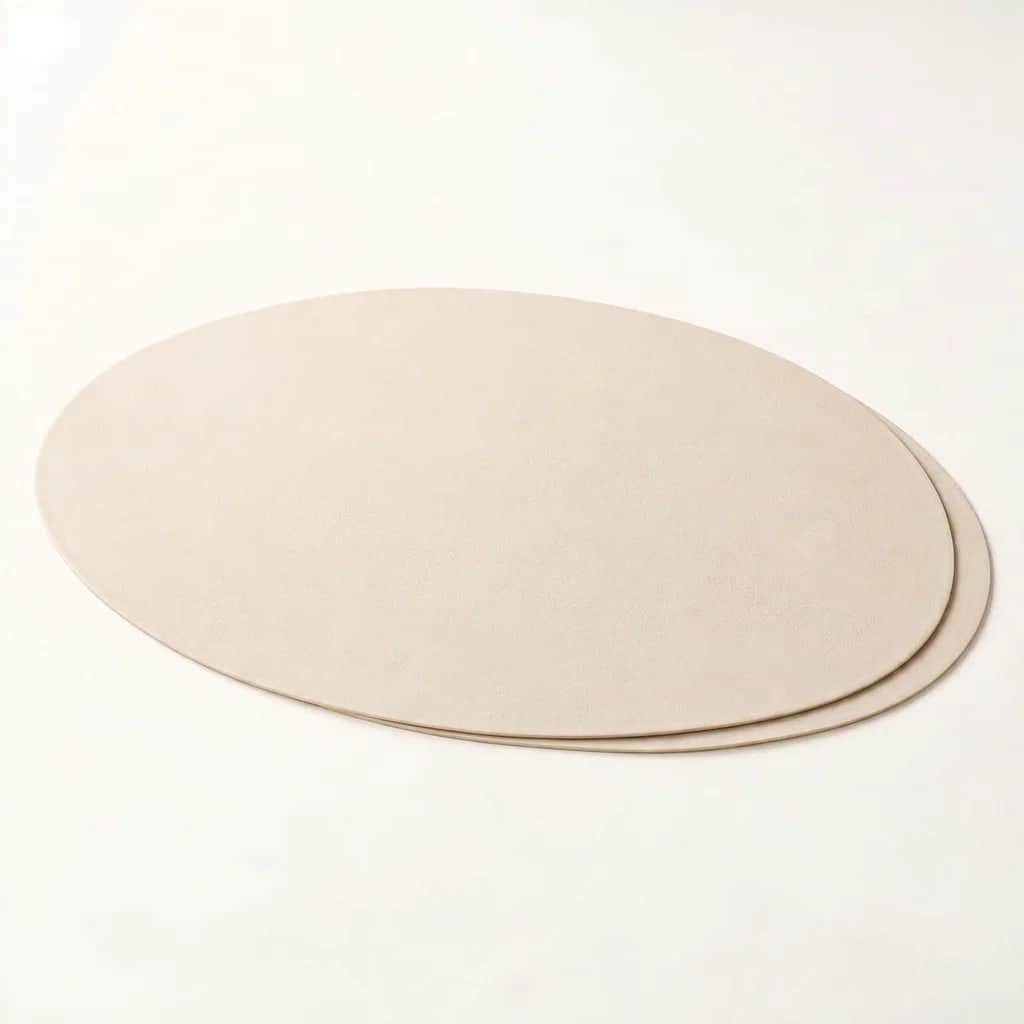
Wipe-clean placemats use a laminated or vinyl-coated surface over a printed or plain base, chosen specifically for the ability to sanitize between covers in a way a fabric placemat can't.
FAQ
A coaster set of four (China, 500-unit run) lands around $2–4; a wire bread basket runs $3–6; a wipe-clean placemat runs $1.50–3 per piece.
Non-porous materials like acrylic, metal, or coated wood for restaurants and high-turnover settings, since they wipe clean instantly; cork or absorbent stone for lower-frequency home or gift use where moisture absorption matters more than wipe-down speed.
Wire for the best airflow, keeping bread from steaming and softening; wicker or wood for a warmer visual presentation, at the cost of more careful cleaning requirements between uses.
Typically 300–500 units per material and design, since metal wireforming, wood cutting, or laminate printing all carry setup costs that need volume to be efficient.
A laminated or vinyl-coated surface over the printed or plain base allows sanitizing wipe-downs between restaurant covers; a fabric placemat can't be sanitized the same way and is better suited to lower-frequency home use.
Ask specifically about resistance to commercial dishwashing and cleaning chemicals, since these items are handled and cleaned far more frequently than home equivalents.
Coasters and placemats generally fall under HS 4823 (paper/cork) or HS 3924 (plastic) depending on material; bread baskets fall under HS 4602 (wickerwork) or HS 7323 (metal). Confirm per SKU based on primary material.