Materials · Cotton · Fiber Basics
What Is Cotton, Really?
Cotton fiber is, botanically speaking, a seed's survival mechanism. Here's what makes it soft, breathable, and biodegradable — and why not all cotton is the same grade.
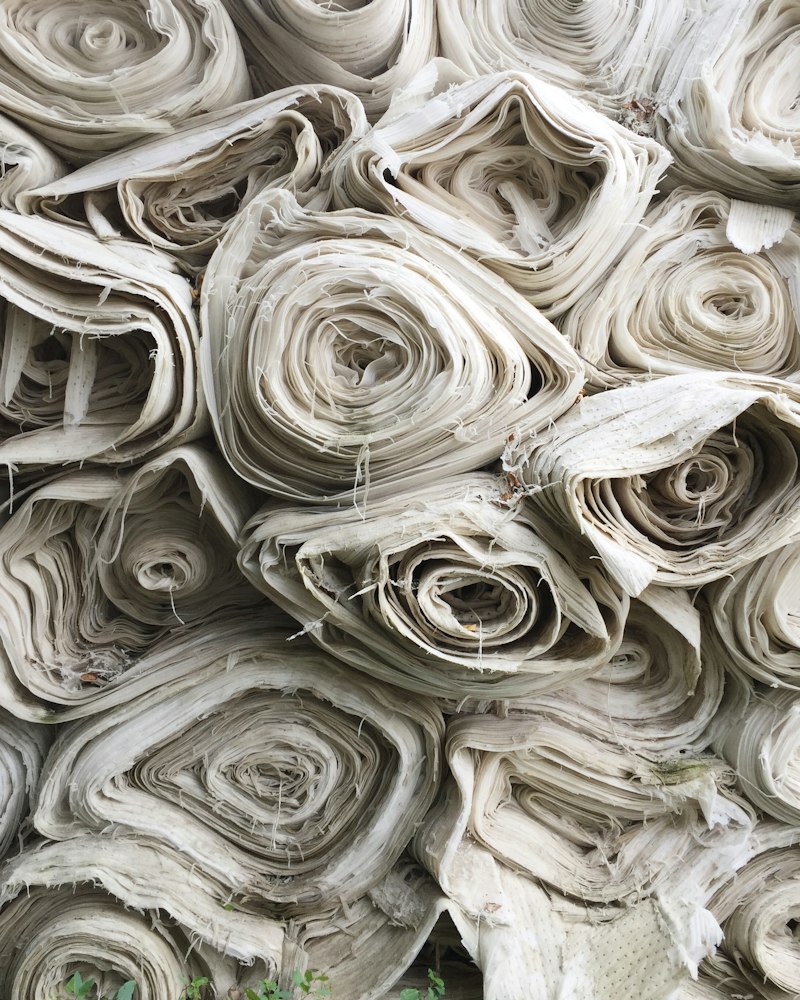
What you're wearing is, botanically speaking, a seed's survival mechanism.
The Basics
A Seed's Coat, Not a Plant Stem#
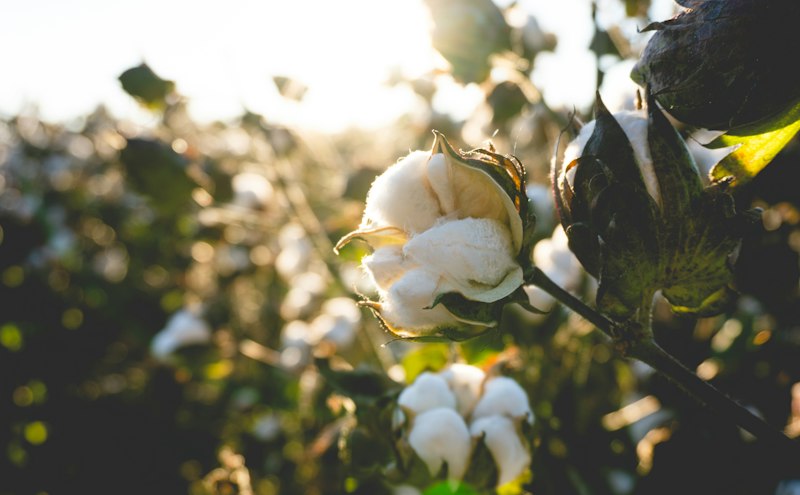
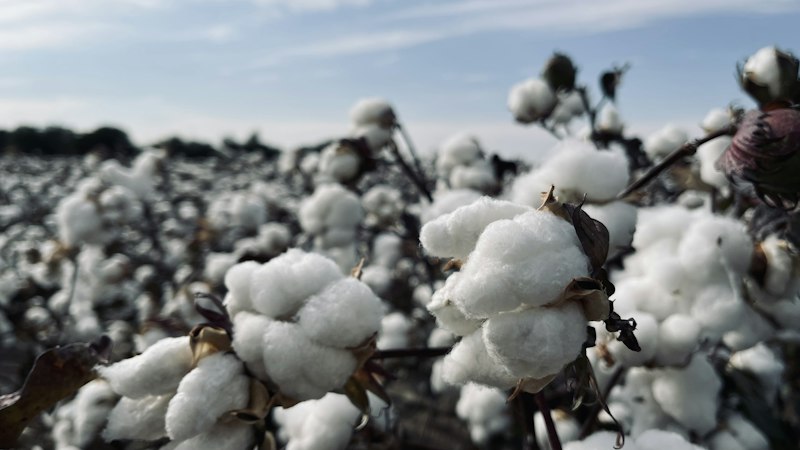
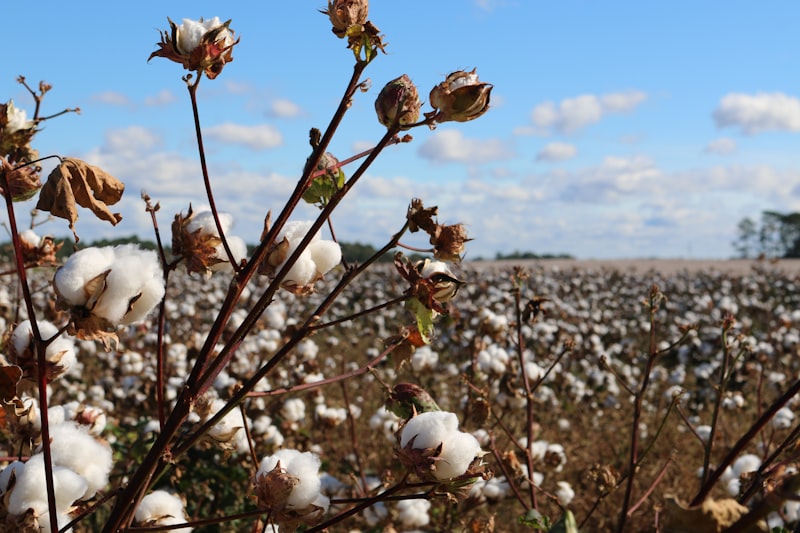
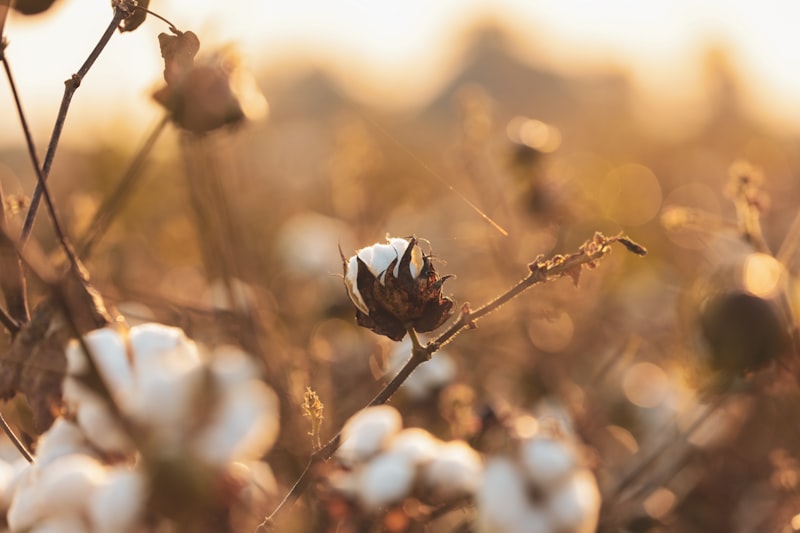
Cotton fiber is the seed hair of the Gossypium plant — a fluffy protective coating that surrounds the seeds and helps disperse them in the wind. The fiber is roughly 90% cellulose, which gives it its characteristic softness, breathability, and ability to absorb moisture. The remaining 10% is water, waxes, proteins, and inorganic salts.
Properties
What the Numbers Actually Mean#
Cotton fiber runs 22–38mm in length, absorbs 7–8% of its weight in moisture (which is why it feels breathable), and is actually stronger wet than dry. It withstands heat up to about 150°C before yellowing, takes dye exceptionally well, and fully biodegrades in 1–5 months when untreated. Its one weak point: it pills relatively easily under friction.
- 22–38mm
- Fiber Length
- 7–8%
- Moisture Regain
- 1–5 mo
- Biodegrades In
Grades
Not All Cotton Is Equal#
The industry sorts cotton into three grades by fiber length: short-staple (under 25mm) is the standard commercial grade used in most volume production; long-staple (25–35mm, like Pima) spins into finer yarn with a softer hand, used in premium shirting; and extra-long staple (over 35mm, like Supima or Egyptian Giza) is the finest grade, reserved for luxury fabrics. Longer fiber means finer, stronger yarn — it's the single biggest factor separating a budget T-shirt from a luxury one.
Next in the Series
Cotton Fabric Types Explained
Cotton Master Reference
Return to: Cotton Master