Materials · Cotton · Sustainability
Cotton's Water Problem
Cotton uses just 2.5% of global farmland but consumes staggering amounts of water and 16% of the world's insecticides. Here's the real environmental math — and what's being done about it.
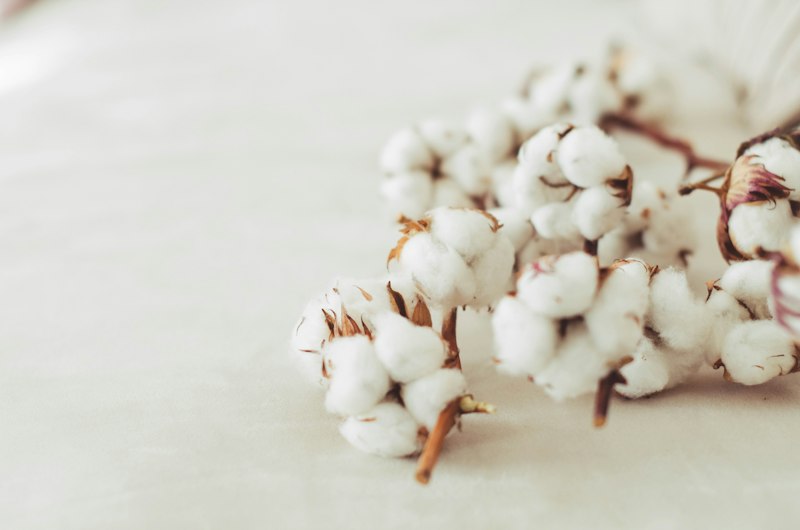
A single conventional T-shirt takes about 2,700 litres of water to produce. A pair of jeans: around 10,000.
The Water Cost
One of the Thirstiest Crops on the Planet#
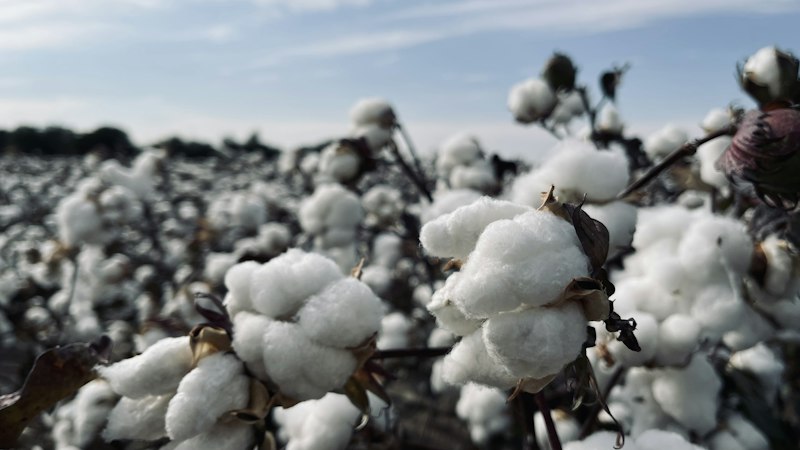
Cotton occupies just 2.5% of global farmland, yet requires 10,000–20,000 litres of water per kilogram of fiber depending on farming method and irrigation. Multiplied across the industry, that adds up fast.
The Aral Sea#
The clearest case study: once the world's fourth-largest lake, the Aral Sea was essentially drained between the 1960s and 1990s to irrigate Soviet cotton fields. What was once a 68,000 square-kilometre body of water is now mostly desert — fishing villages today sit 150 kilometres from where the shoreline used to be.
- 2,700 L
- Water / T-Shirt
- ~10,000 L
- Water / Jeans
- 68,000 km²
- Aral Sea, Then
Beyond Water
Pesticides and Pollution#
Conventional cotton uses roughly 16% of all insecticides and 7% of all herbicides applied globally — on just 2.5% of farmland. Downstream, textile dyeing and finishing accounts for approximately 20% of all industrial water pollution worldwide.
It Doesn't Have to Stay This Way#
Different farming approaches target different parts of this footprint: organic cotton removes synthetic pesticides entirely, recycled cotton skips new farming altogether, and regenerative cotton can cut water use by 30–50% while actively restoring soil carbon.
Next in the Series
Regenerative vs Organic vs Recycled Cotton
Cotton Master Reference
Return to: Cotton Master