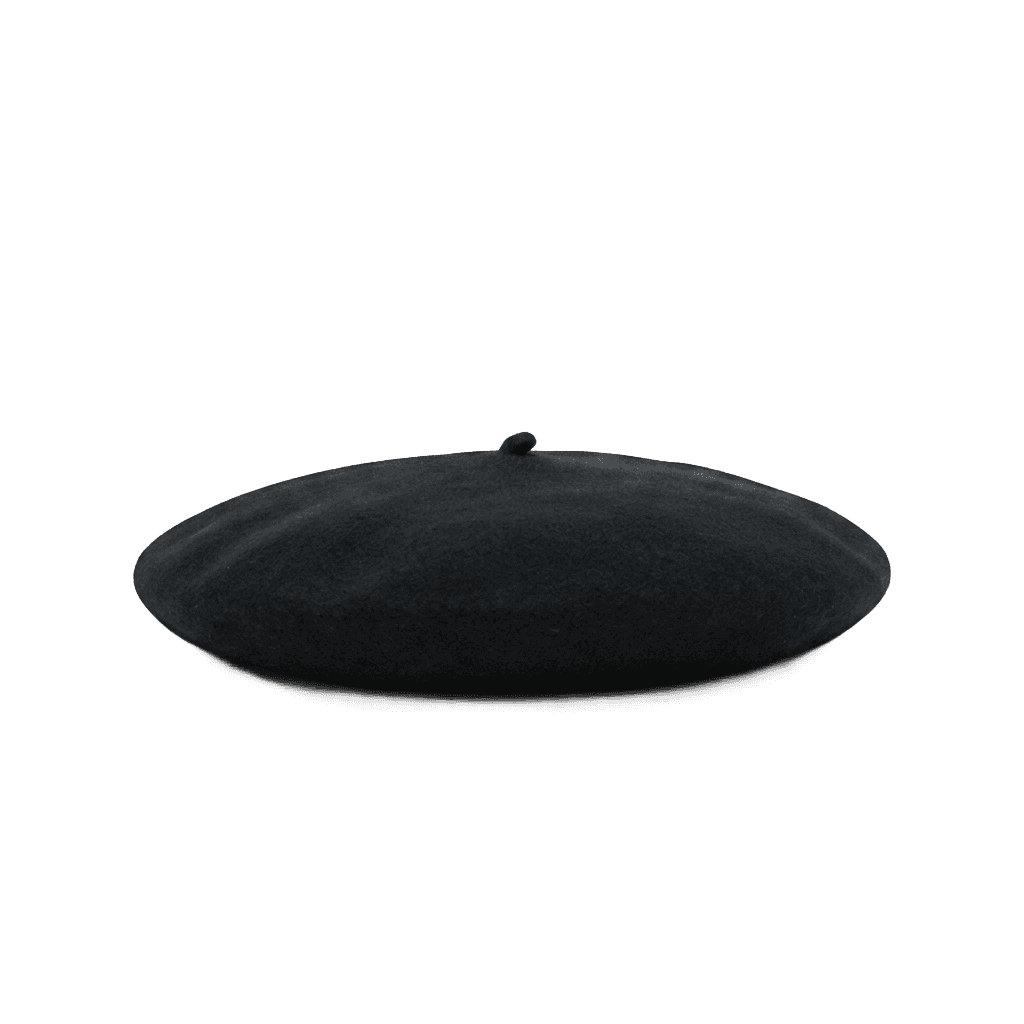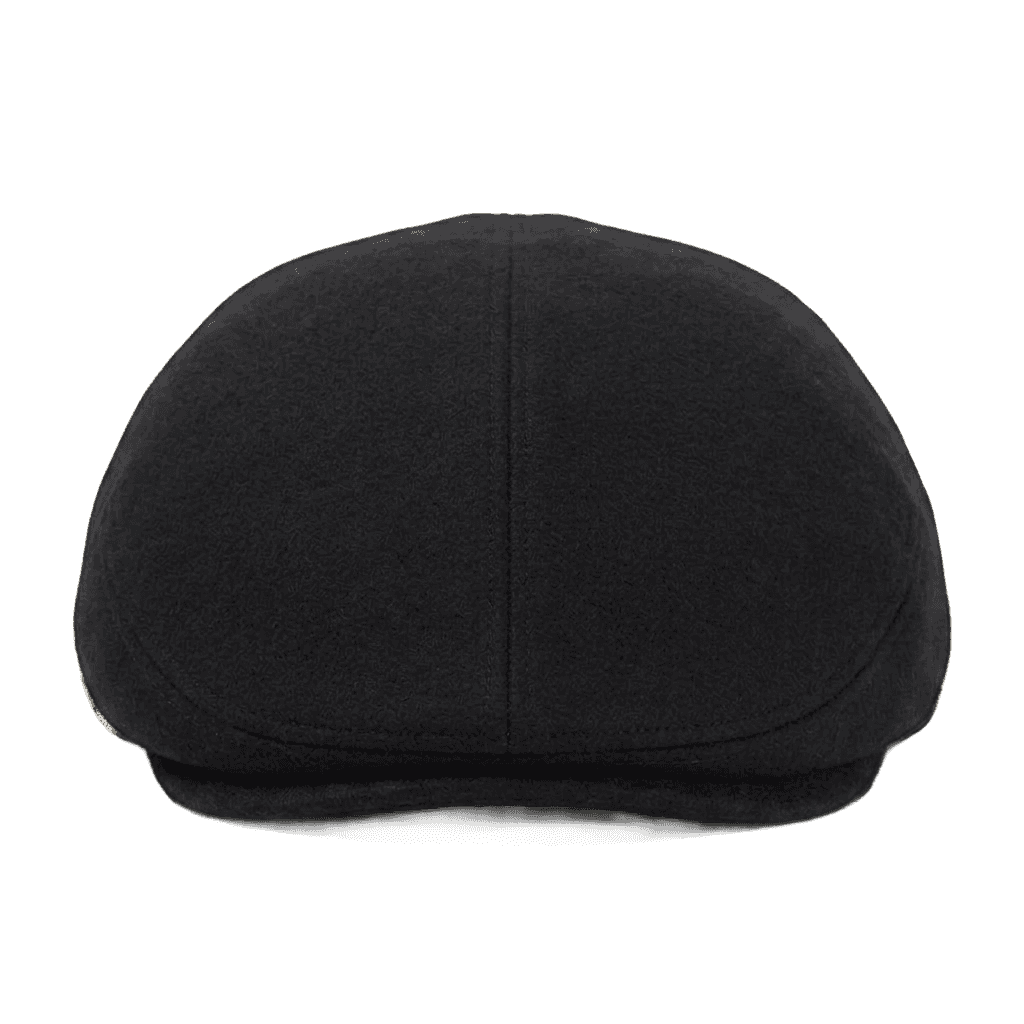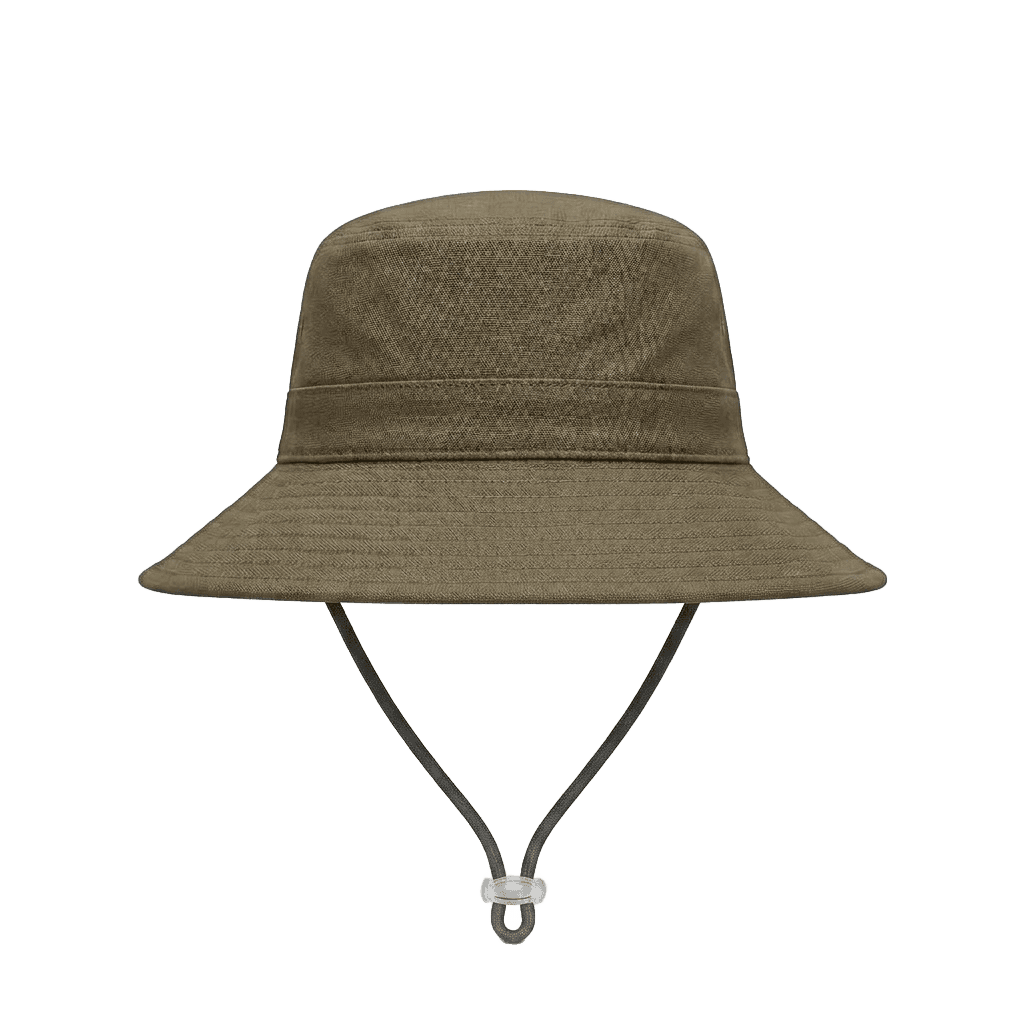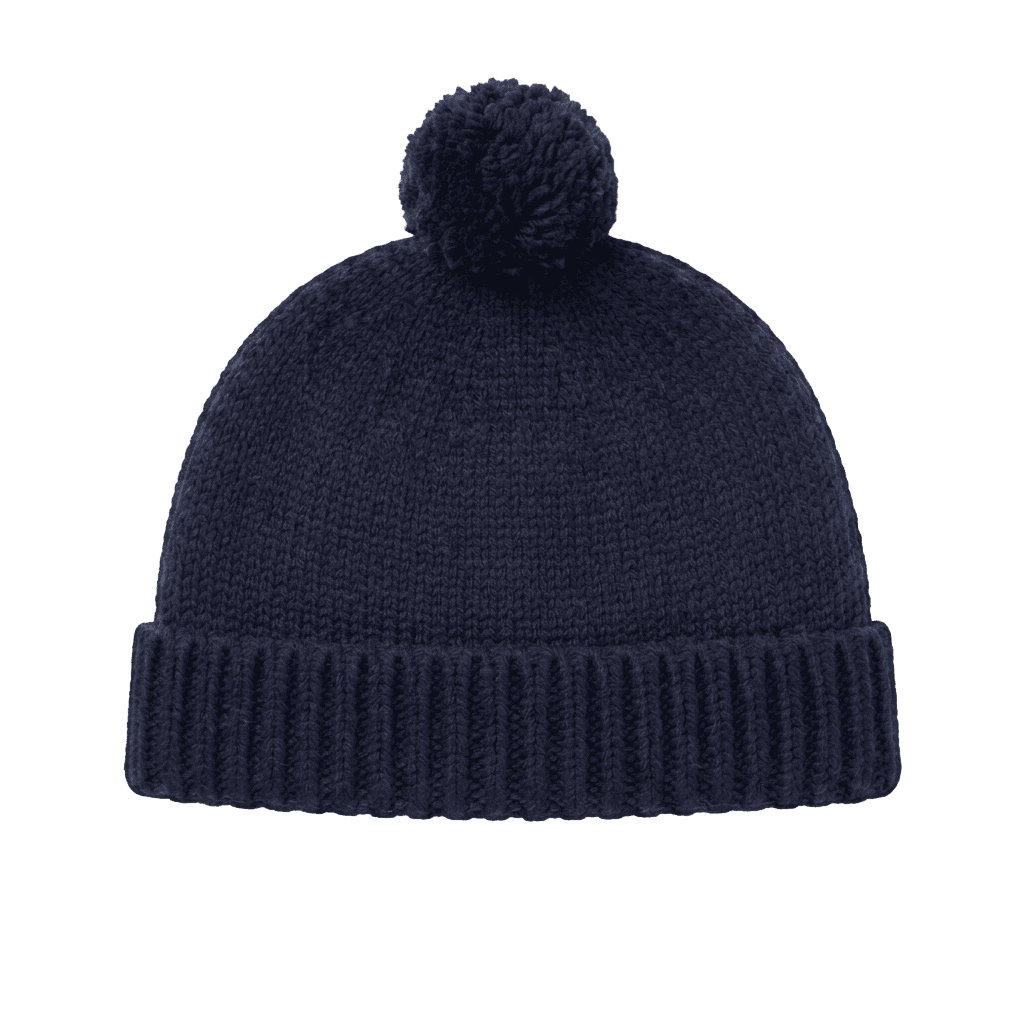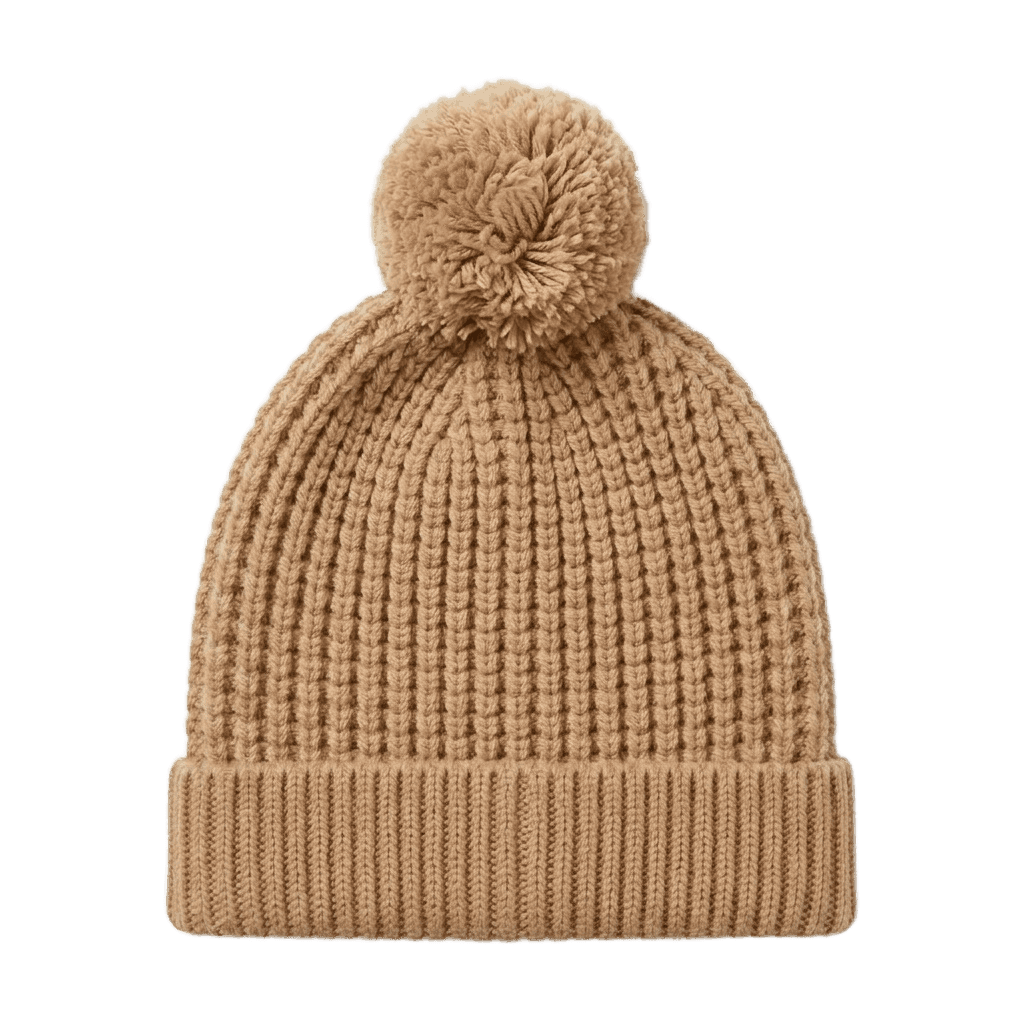
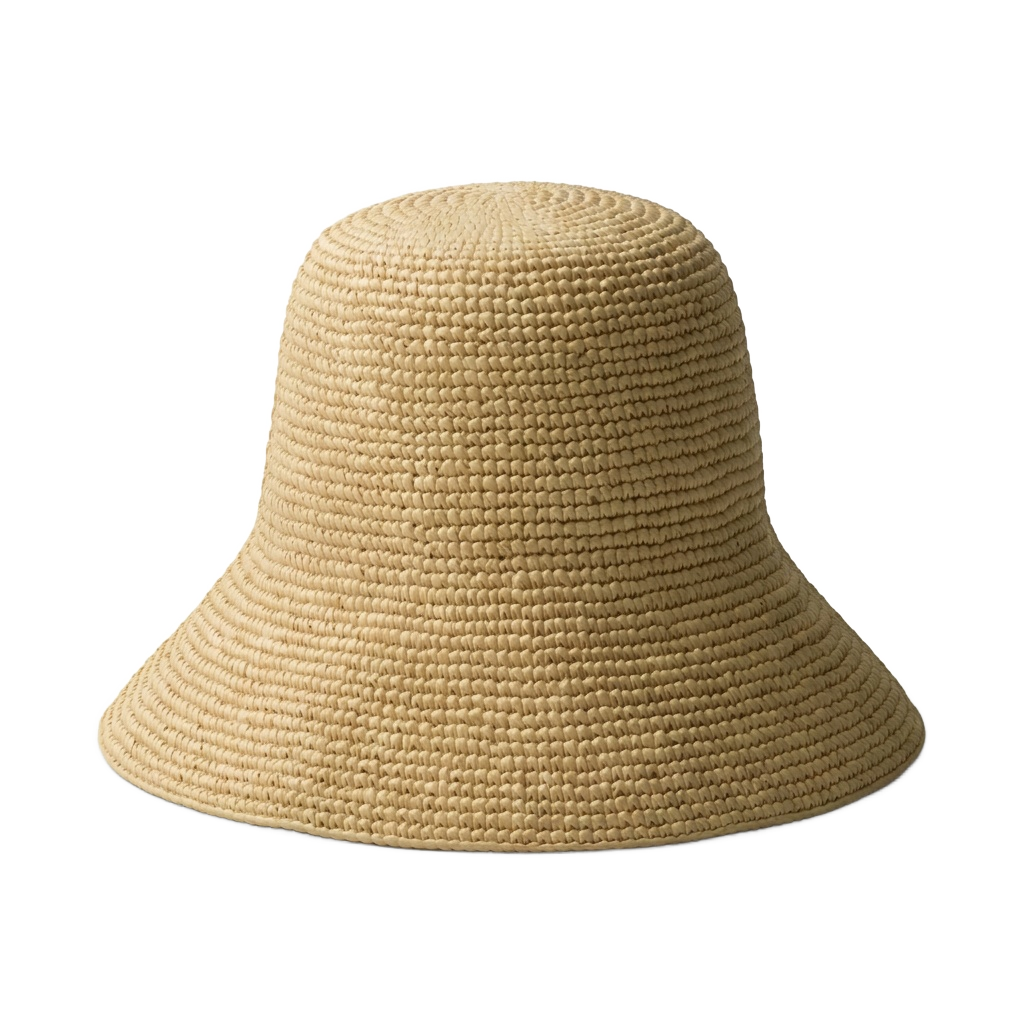
Cloche hat
The cloche is the hat that made the 1920s silhouette visible from a block away. It sits low, frames the face, and turns felt into architecture. Its commercial problem is also its appeal: it is specific, feminine, and impossible to mistake for a generic hat.
The same factories that produce for houses like Celine and Balenciaga can produce this piece, directly to you
GABI
Make it yours
Material gradeMOQ 50
Colour
Cloche hat
The cloche is the hat that made the 1920s silhouette visible from a block away. It sits low, frames the face, and turns felt into architecture. Its commercial problem is also its appeal: it is specific, feminine, and impossible to mistake for a generic hat.
The same factories that produce for houses like Celine and Balenciaga can produce this piece, directly to you
GABI
Make it yours
Material gradeMOQ 50
Colour
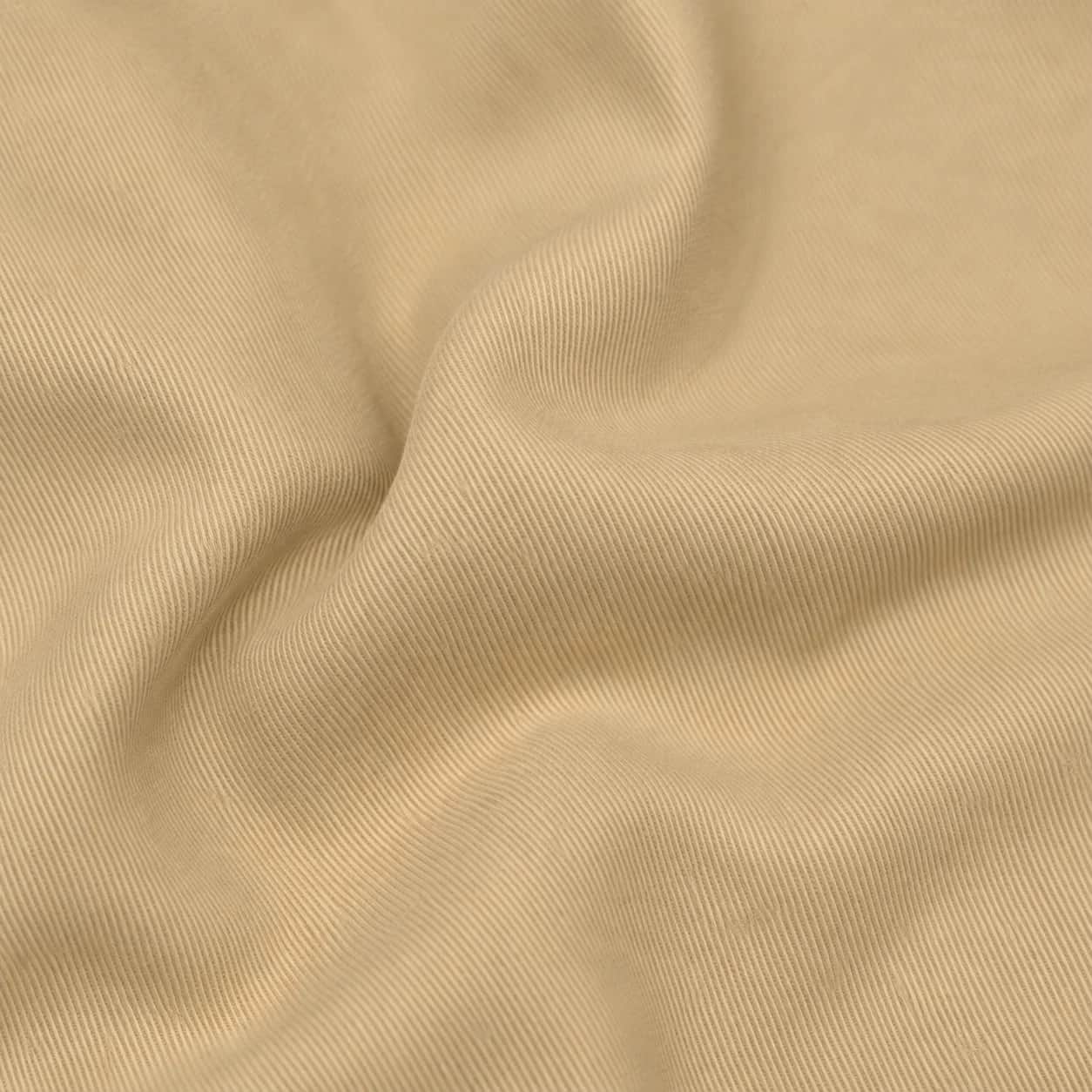
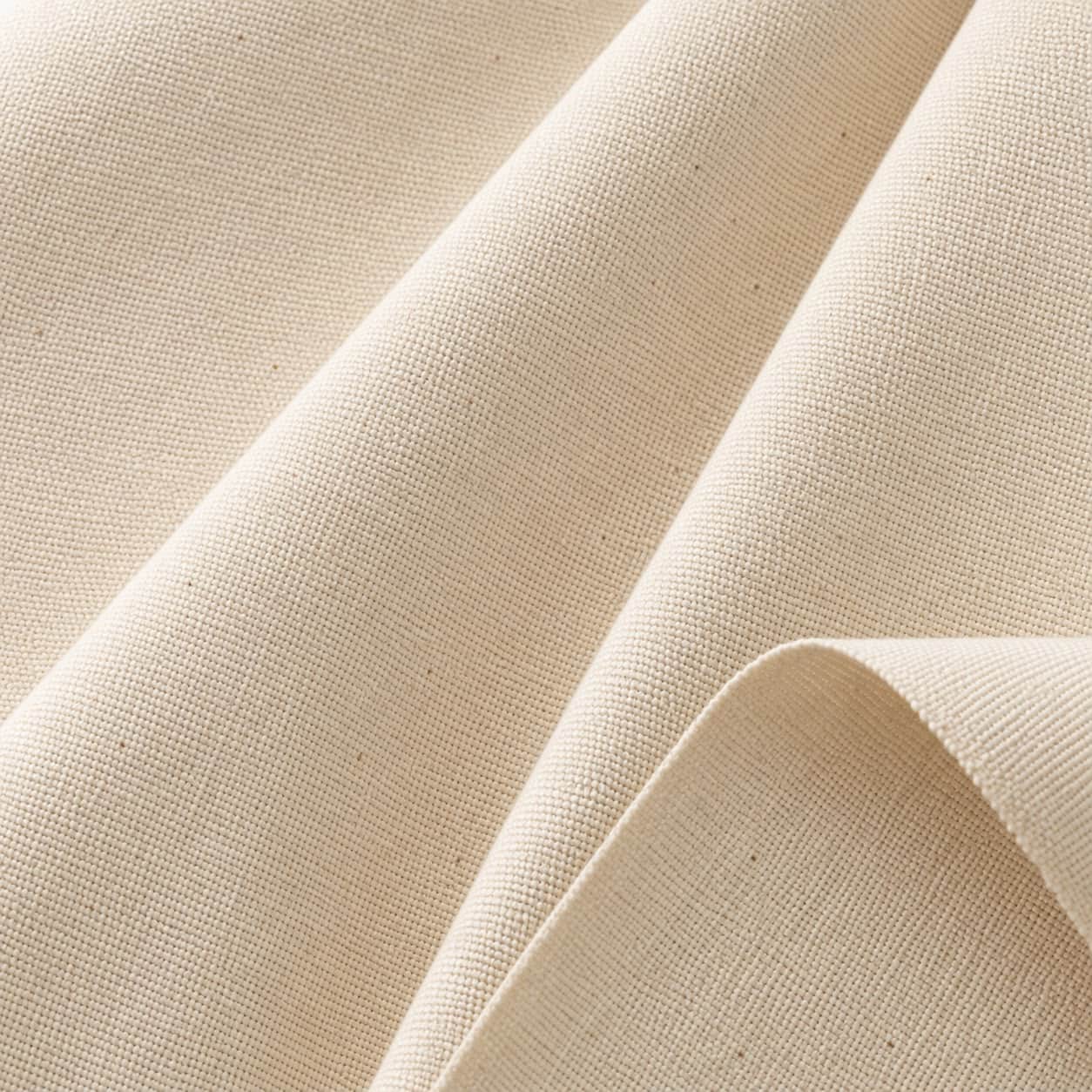
Fabrics
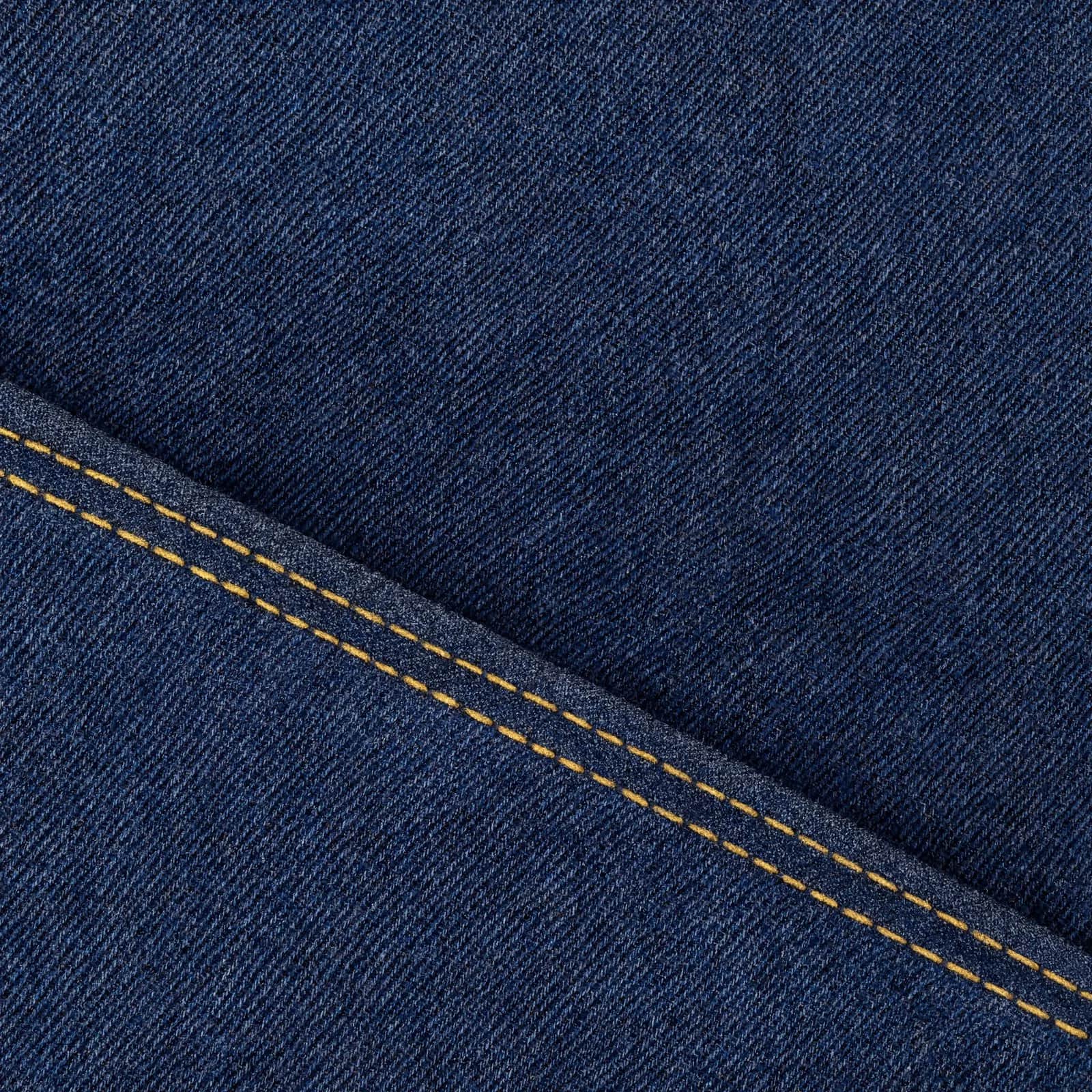
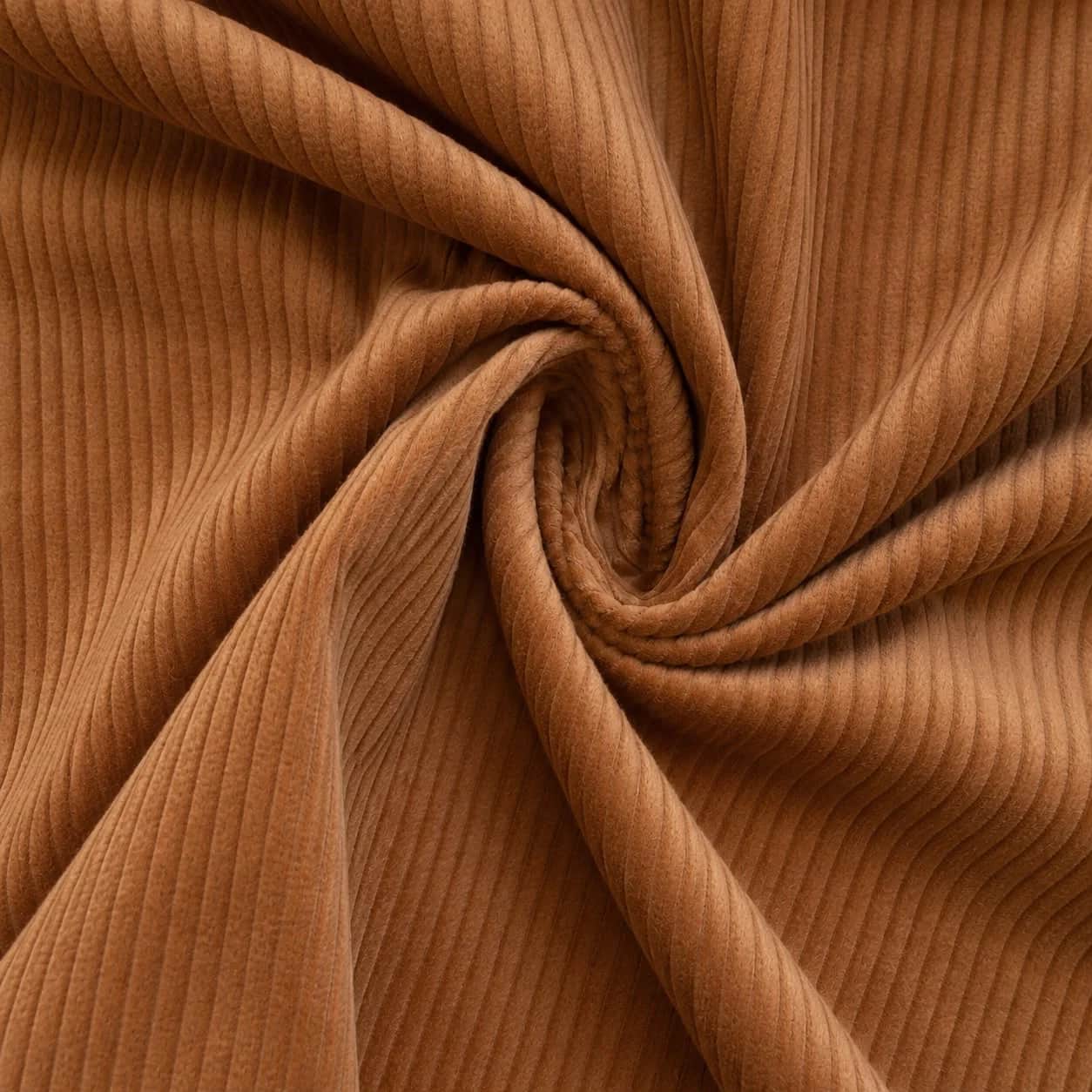

The cloche is the hat that made the 1920s silhouette visible from a block away. It sits low, frames the face, and turns felt into architecture. Its commercial problem is also its appeal: it is specific, feminine, and impossible to mistake for a generic hat.
The Cloche Hat -- "The cloche is the hat that made the 1920s silhouette visible from a block away."
The cloche became associated with 1920s fashion, bobbed hair, and modern urban dressing. Its bell-like shape hugged the head and framed the face, matching the clean lines of the decade's dresses and coats. The form has reappeared whenever designers want instant Art Deco or vintage refinement.
Construction logic
A cloche is usually blocked from wool felt or sewn from shaped panels. The crown depth, brim angle, and trim placement decide the entire expression. Because it sits low on the head, sizing and internal band comfort matter more than in many fashion hats.
Commercial logic for creators
For creators, the cloche is a statement accessory rather than a volume basic. It works best in winter, occasion, or heritage-inspired collections. Premium value comes from felt quality, blocking, and restrained trim.
FAQ
A cloche is a close-fitting bell-shaped hat, usually made from felt or structured fabric.
Common options include wool felt, rabbit felt, boiled wool, structured fabric, grosgrain ribbon, and decorative trims.. Choose based on target price, handfeel, durability, and care requirements.
Focus on blocking or panel shaping, brim angle, internal band, crown depth, and trim placement. These details usually determine whether the product feels credible or cheap.
Check head circumference, crown depth, ear clearance, brim angle, and comfort of the internal band. Fit should be reviewed on the body type and use case the product is designed for, not only on a flat measurement sheet.
The main cost drivers are felt quality, blocking process, hand shaping, lining, and trim details. Sampling time and rejection risk also increase cost when the fit is sensitive.
Request checks for shape retention, felt density, brim symmetry, trim attachment, and internal band finish. For performance or workwear products, test under the real use condition rather than only visually.
Watch for warped brim, shallow crown, uneven blocking, loose trim, and uncomfortable banding. These issues should be caught at fit sample, pre-production sample, and bulk inspection stages.
affordable uses wool-blend felt; premium uses better wool felt and clean blocking; luxury uses fine felt and hand finishing.
Include block shape, crown depth, brim width, size range, trim placement, and internal band spec. Add reference photos and tolerance notes where fit or construction is easy to misread.
millinery or structured headwear factories are ideal.
Use OEKO-TEX STANDARD 100 as a consumer-safety baseline where possible. Use GOTS for organic cotton, GRS for recycled polyester or nylon, RWS for responsible wool, and leather-specific or chemical compliance where relevant to the material.
protect from heavy rain and store on a form or stuffed crown to preserve shape.