Knitted Ear-Warmer Headband
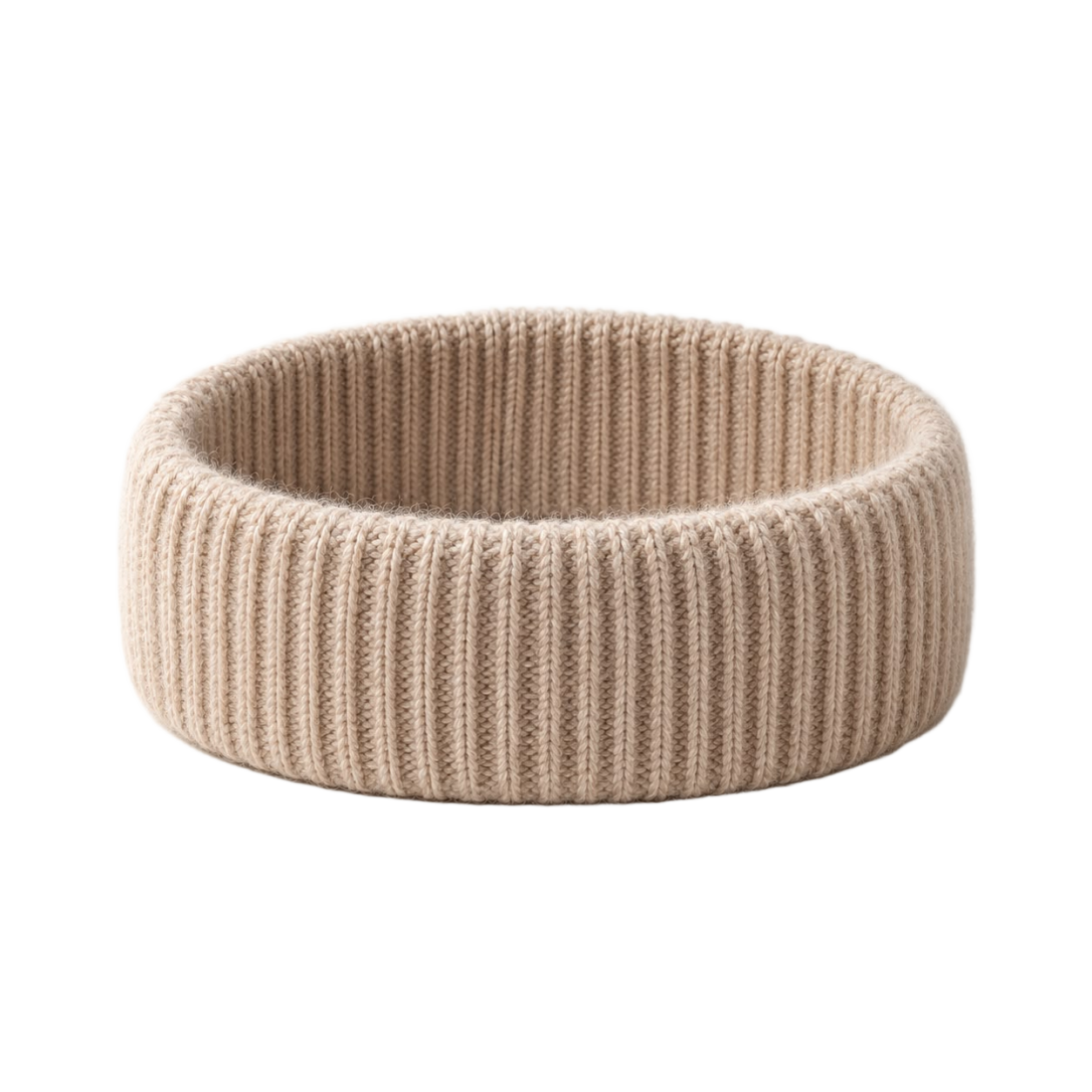
A knit ear warmer skips the crown of the head entirely, covering only the ears and forehead — a deliberate omission that beanies don't make. That gap exists because ear warmers grew up alongside the running boom of the 1970s, when joggers needed ear protection in cold weather without the overheating a full wool beanie caused during exercise. The same logic now covers sports headbands worn for sweat control rather than warmth at all — the shape stayed, but the job split again.
The same factories that produce for houses like Celine and Balenciaga can produce this piece, directly to you
GABI
Make it yours
Material gradeMOQ 50
Colour
Knitted Ear-Warmer Headband
A knit ear warmer skips the crown of the head entirely, covering only the ears and forehead — a deliberate omission that beanies don't make. That gap exists because ear warmers grew up alongside the running boom of the 1970s, when joggers needed ear protection in cold weather without the overheating a full wool beanie caused during exercise. The same logic now covers sports headbands worn for sweat control rather than warmth at all — the shape stayed, but the job split again.
The same factories that produce for houses like Celine and Balenciaga can produce this piece, directly to you
GABI
Make it yours
Material gradeMOQ 50
Colour
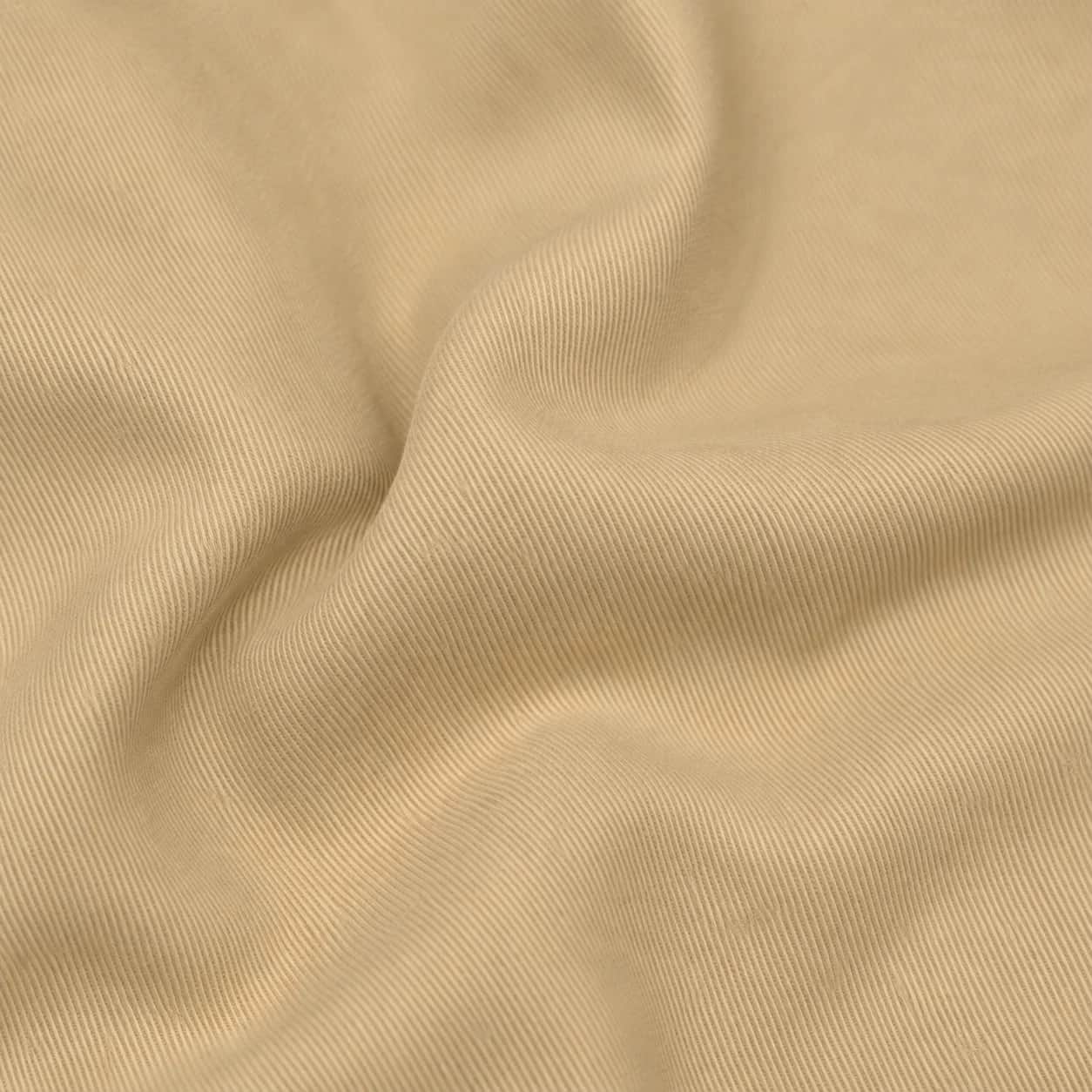
Fabrics
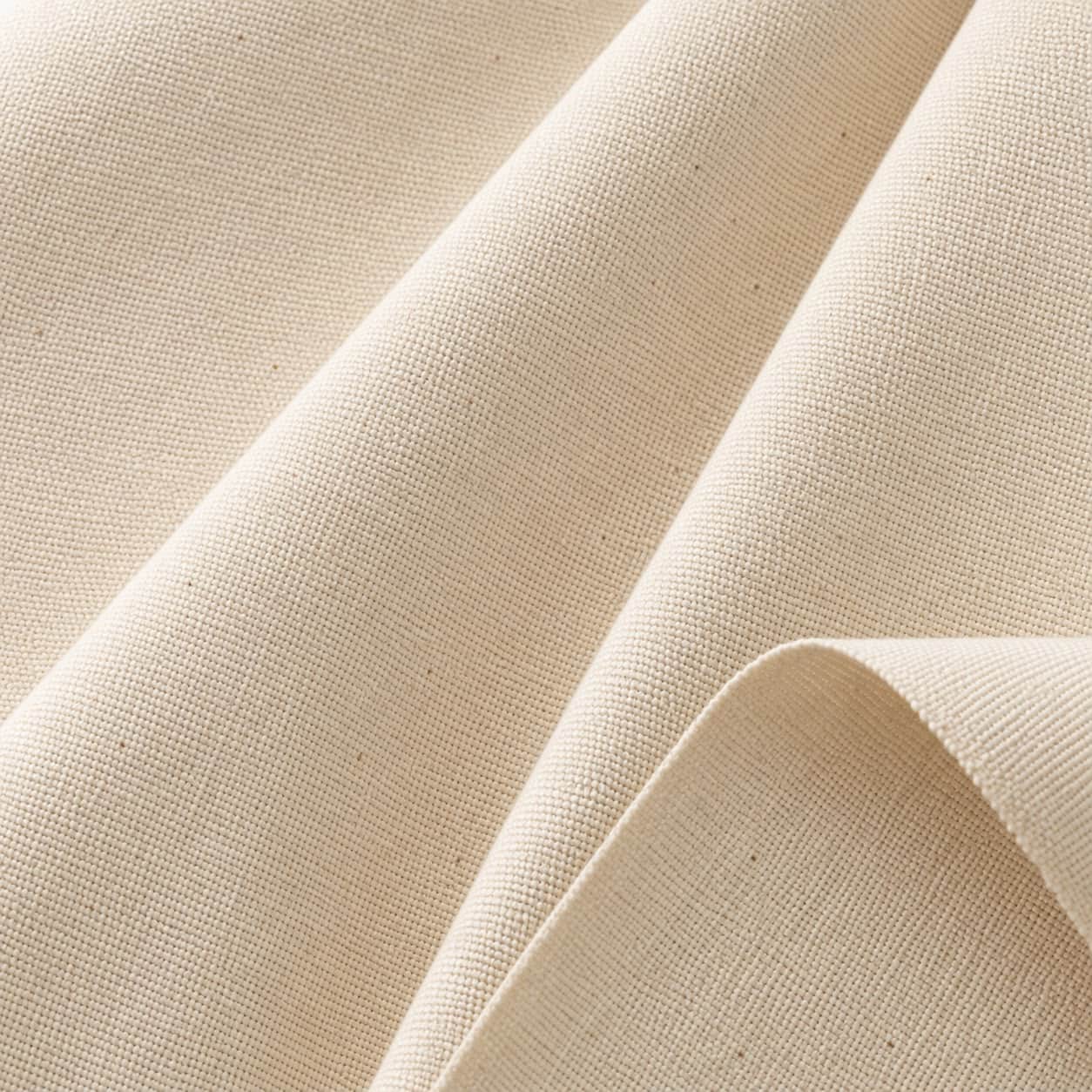
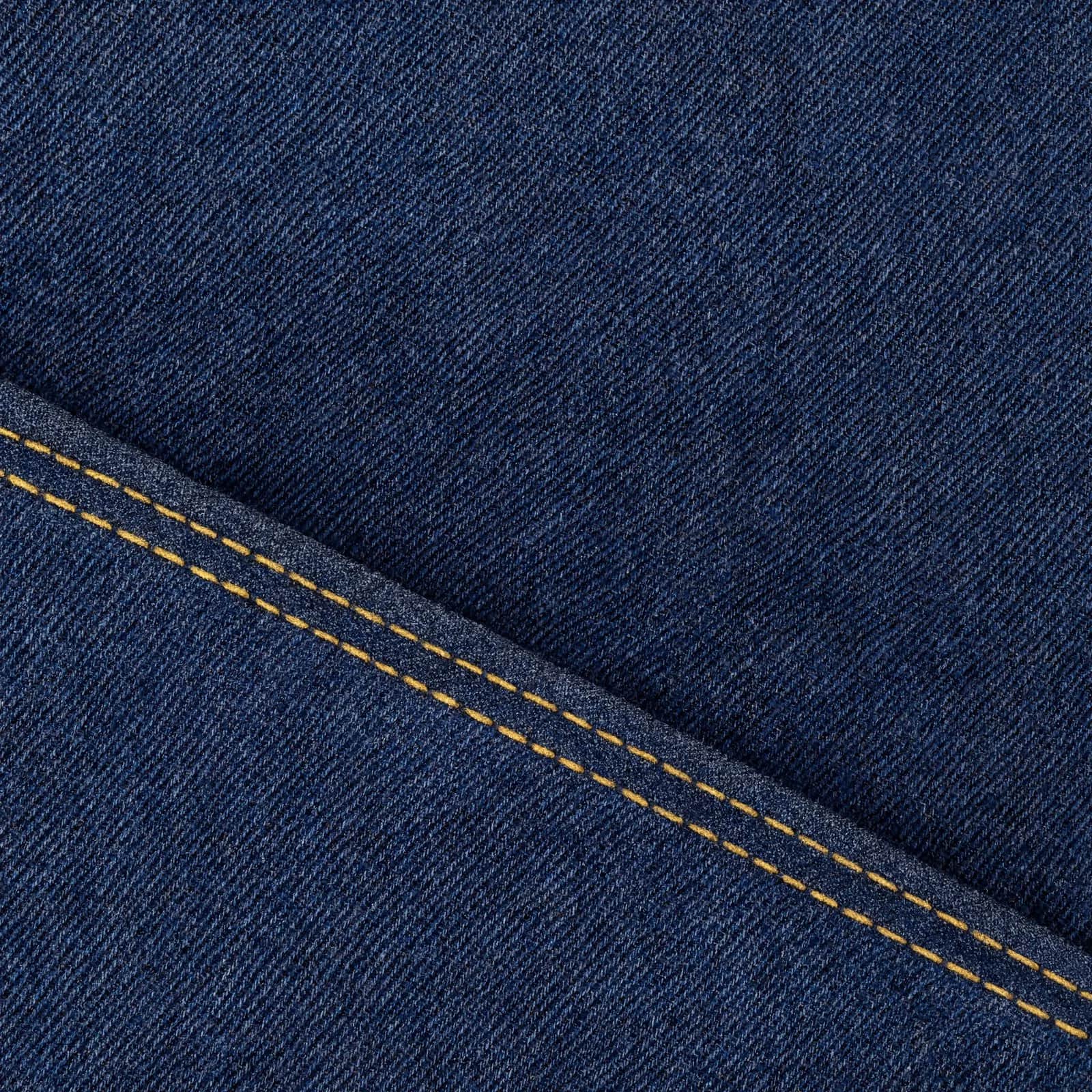
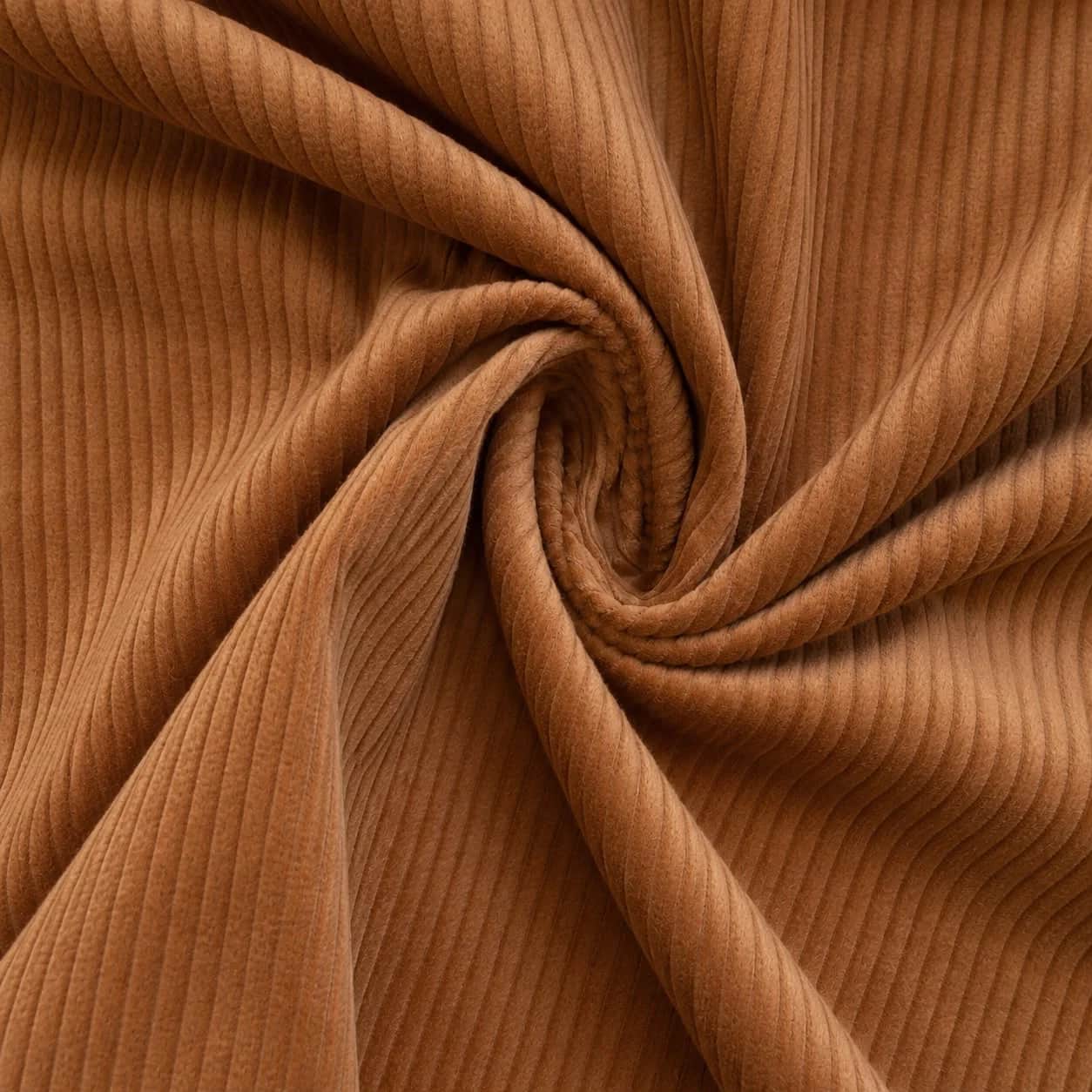

A knit ear warmer skips the crown of the head entirely, covering only the ears and forehead — a deliberate omission that beanies don't make. That gap exists because ear warmers grew up alongside the running boom of the 1970s, when joggers needed ear protection in cold weather without the overheating a full wool beanie caused during exercise. The same logic now covers sports headbands worn for sweat control rather than warmth at all — the shape stayed, but the job split again.
The Gap That Beanies Don't Have
The 1970s running-boom origin of the ear warmer's deliberately incomplete head coverage.
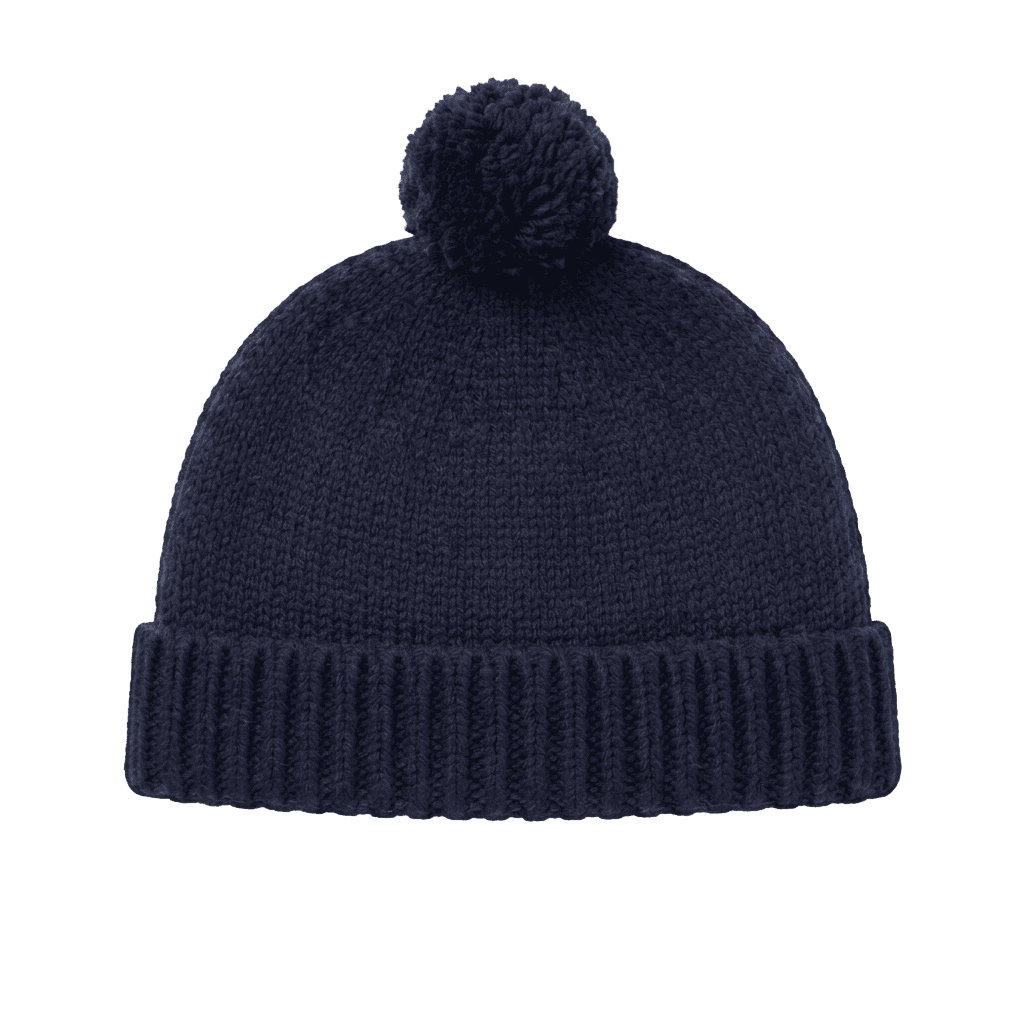
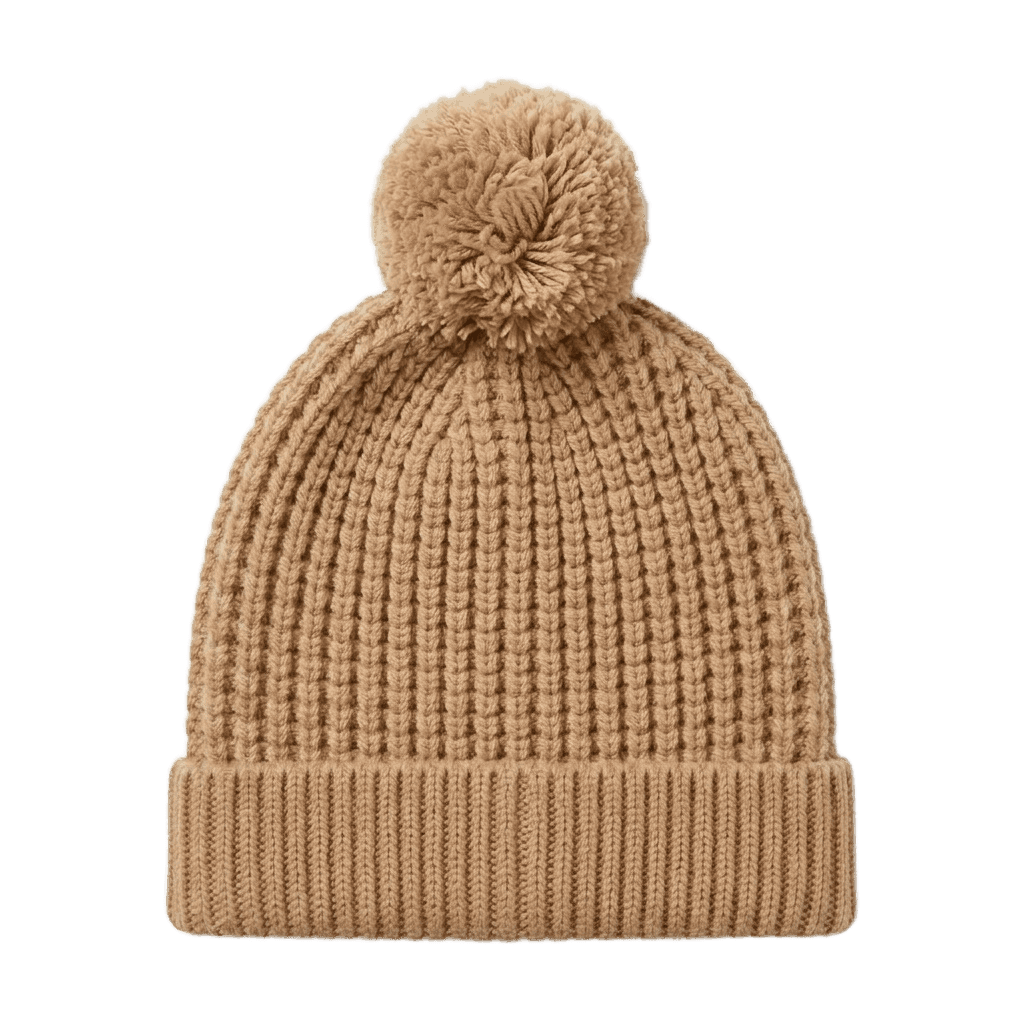
Knit ear warmers and cuffed beanies use the same circular or flatbed knitting machines as socks and hats; the cuffed style rolls the brim back on itself, doubling the fabric for warmth and a clean edge without needing a separate hem.
Sports headbands are typically a stretch knit, a spandex-polyester blend, sewn into a simple loop rather than knit-shaped, focused on moisture absorption at the brow rather than ear coverage or warmth.
Stretch-knit construction lets all three items use a one-size-fits-most approach, avoiding the sizing grading a fitted garment would otherwise require.
FAQ
A basic knit ear warmer or headband (China, 300–500 unit run) lands around $2–4; a cuffed knit beanie runs $3–6, driven by the extra yarn used in the doubled rolled brim.
A cuffed beanie is knit as a full head-covering tube with the brim rolled back on itself for a doubled edge; a headband or ear warmer is a shorter knit band covering only the ears and forehead, using meaningfully less yarn.
A sports headband should specify a spandex-polyester stretch knit for moisture absorption and stay-put fit during activity; a knit ear warmer is typically wool or acrylic, prioritizing warmth over moisture management.
Typically 300–500 units per style and colorway, since knitting machines need a changeover for each pattern and yarn color.
Yes, modestly — it uses extra yarn to double the fabric at the edge rather than simply binding off, but it avoids a separate hemming step, so the net cost increase is smaller than the material difference alone would suggest.
Stretch-knit construction generally allows a genuine one-size-fits-most approach for headbands and ear warmers; beanies sometimes offer two sizes (standard and oversized/slouchy) since head circumference variation matters more for a full crown-covering style.
Knitted headwear generally falls under HS 6117 (other made-up knitted accessories) for headbands, or HS 6505 for beanies and hats specifically. Confirm per SKU, since the coverage area (partial vs. full head) affects classification.