Panama Hat
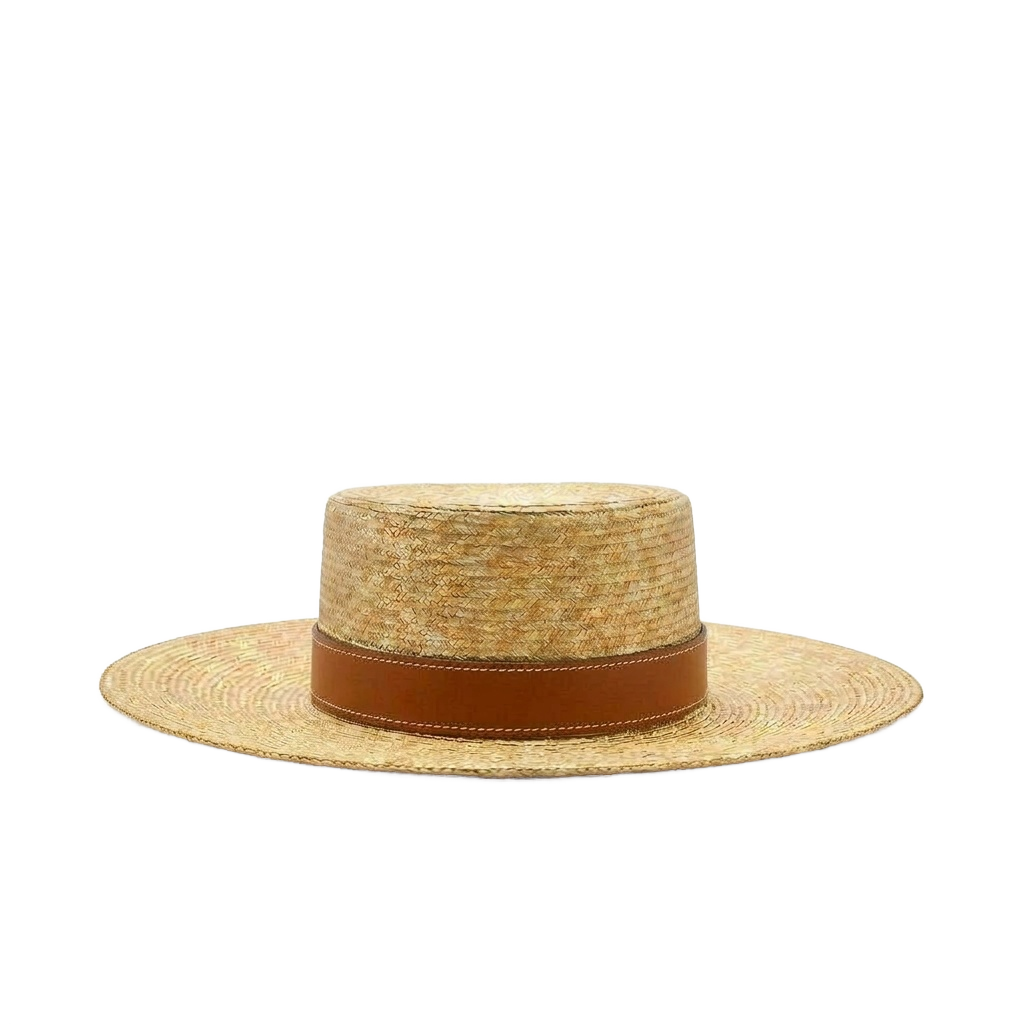
The Panama hat is not from Panama. It has never been made in Panama. It is made in Montecristi, Ecuador -- a single village of around 300 weavers who produce the finest toquilla palm hats in the world. The best Montecristi hats take three months to weave. They can be rolled into a cylinder and pass through a ring. They have been made the same way since the 1600s. Theodore Roosevelt wore one when he visited the Panama Canal construction in 1906. Photographs circulated globally. The world called it a Panama hat. The Ecuadorian weavers are still making them. Still three months. Still by hand. The brand has been misattributed for 120 years. That is a manufacturing story. That is also a content story.
The same factories that produce for houses like Celine and Balenciaga can produce this piece, directly to you
GABI
Make it yours
Material gradeMOQ 50
Colour
Panama Hat
The Panama hat is not from Panama. It has never been made in Panama. It is made in Montecristi, Ecuador -- a single village of around 300 weavers who produce the finest toquilla palm hats in the world. The best Montecristi hats take three months to weave. They can be rolled into a cylinder and pass through a ring. They have been made the same way since the 1600s. Theodore Roosevelt wore one when he visited the Panama Canal construction in 1906. Photographs circulated globally. The world called it a Panama hat. The Ecuadorian weavers are still making them. Still three months. Still by hand. The brand has been misattributed for 120 years. That is a manufacturing story. That is also a content story.
The same factories that produce for houses like Celine and Balenciaga can produce this piece, directly to you
GABI
Make it yours
Material gradeMOQ 50
Colour
Fabrics
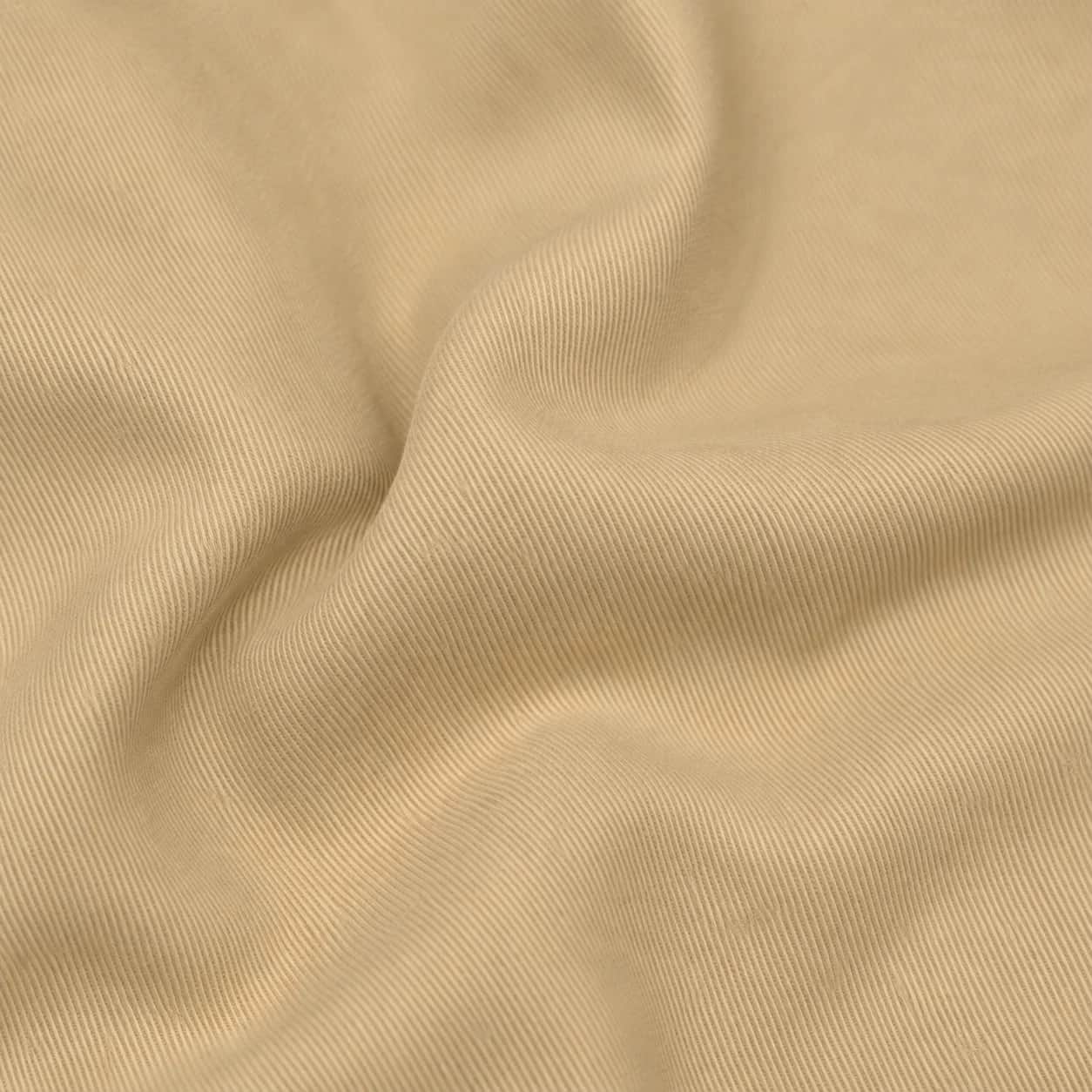
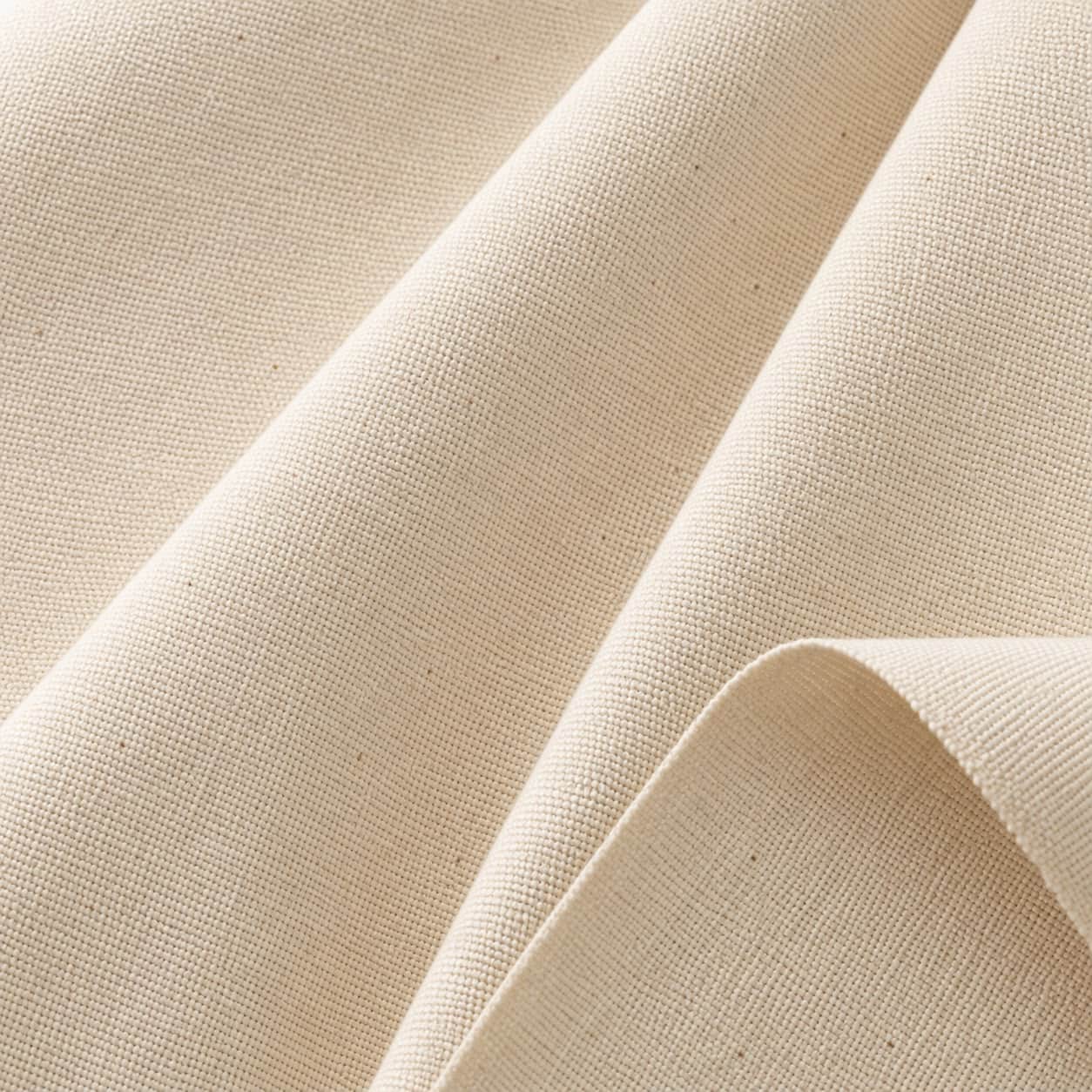
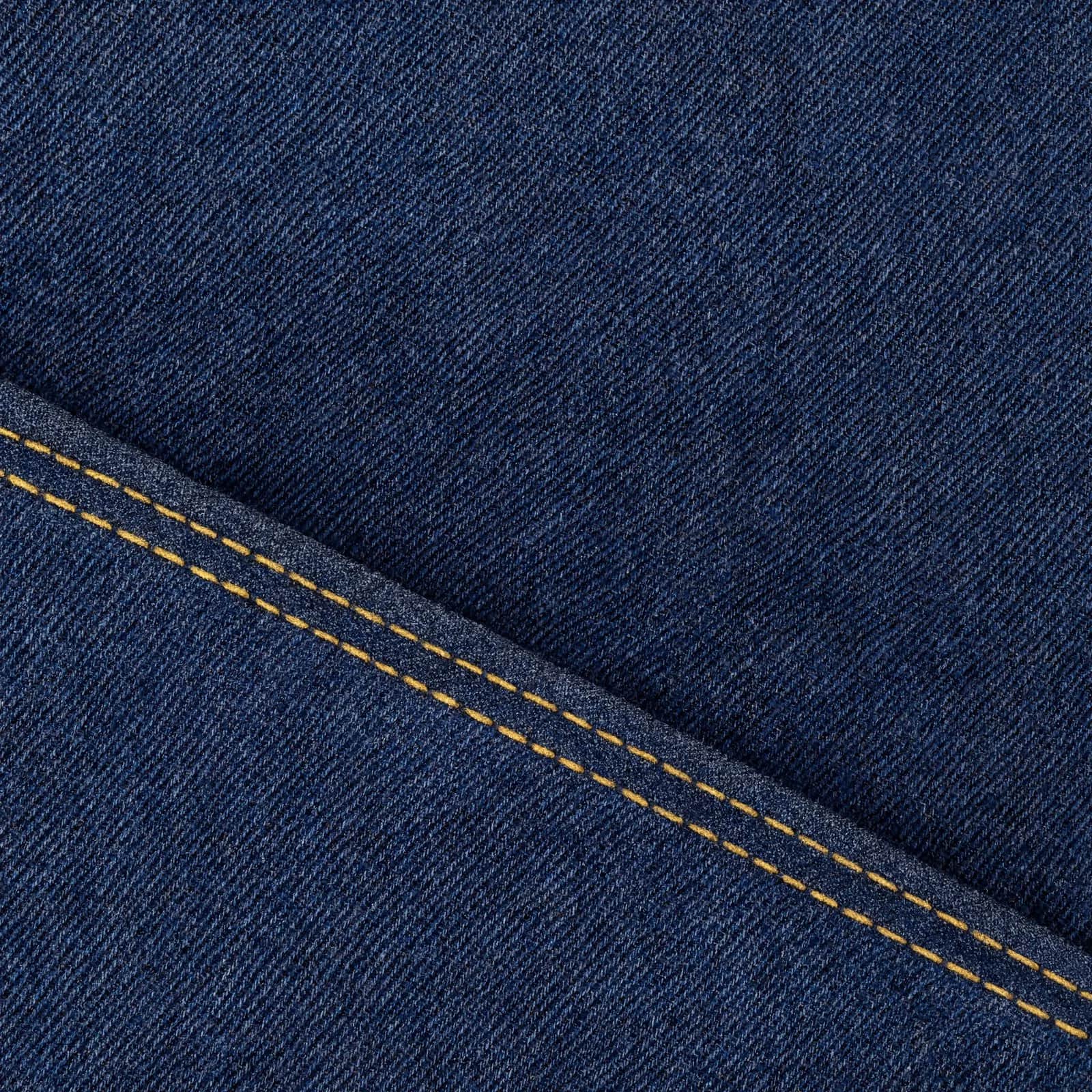
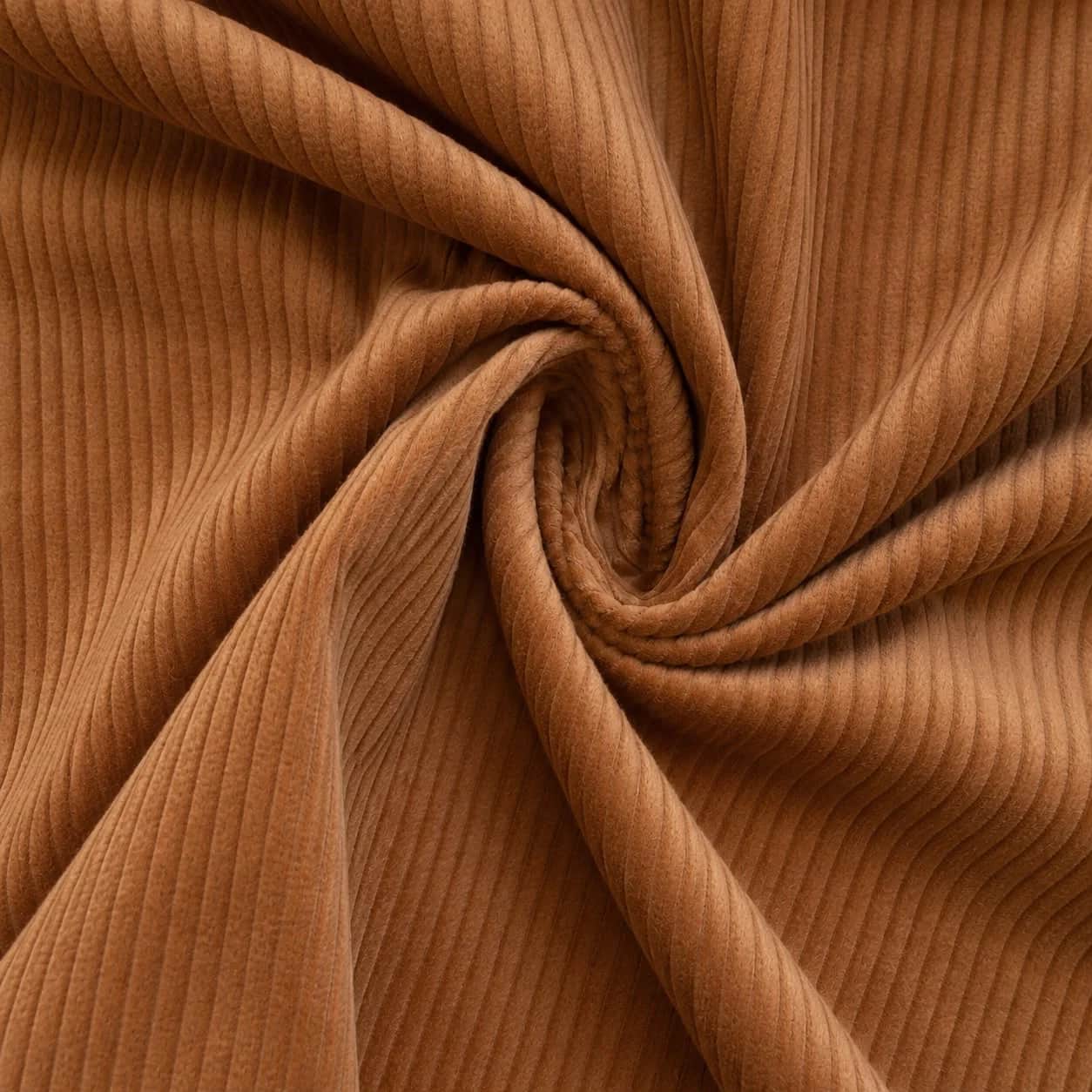

The Panama hat is not from Panama. It has never been made in Panama. It is made in Montecristi, Ecuador -- a single village of around 300 weavers who produce the finest toquilla palm hats in the world. The best Montecristi hats take three months to weave. They can be rolled into a cylinder and pass through a ring. They have been made the same way since the 1600s. Theodore Roosevelt wore one when he visited the Panama Canal construction in 1906. Photographs circulated globally. The world called it a Panama hat. The Ecuadorian weavers are still making them. Still three months. Still by hand. The brand has been misattributed for 120 years. That is a manufacturing story. That is also a content story.
The Wide-Brim Hat: Sun, Status, and the Two Factory Routes
The wide-brim hat is the primary sun-protection headwear category across all global markets -- and simultaneously one of fashion's most recurring luxury objects. Yves Saint Laurent's 1977 safari collection, Jacquemus's Le Chapeau Bambino, and the classic Panama hat all operate from the same construction principle: a wide, firm brim that casts shadow and communicates abundance of leisure.
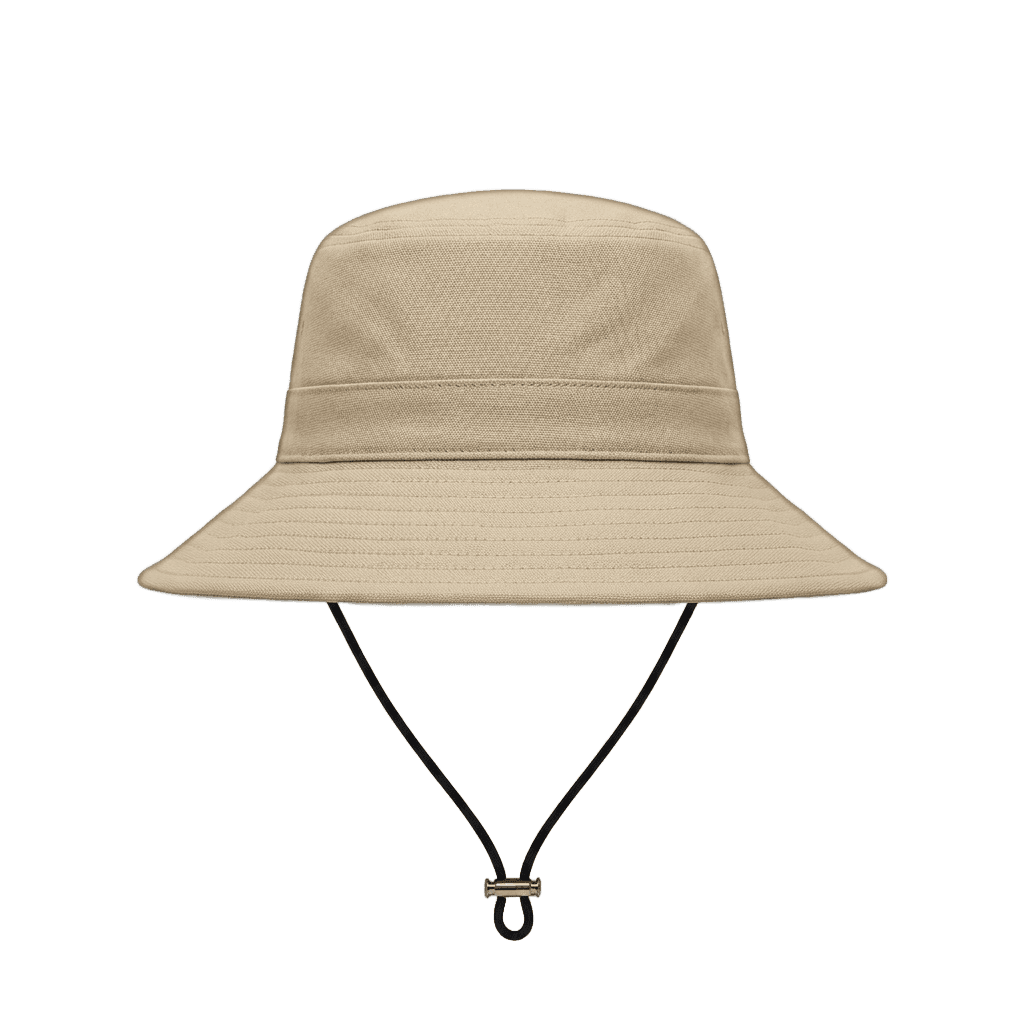
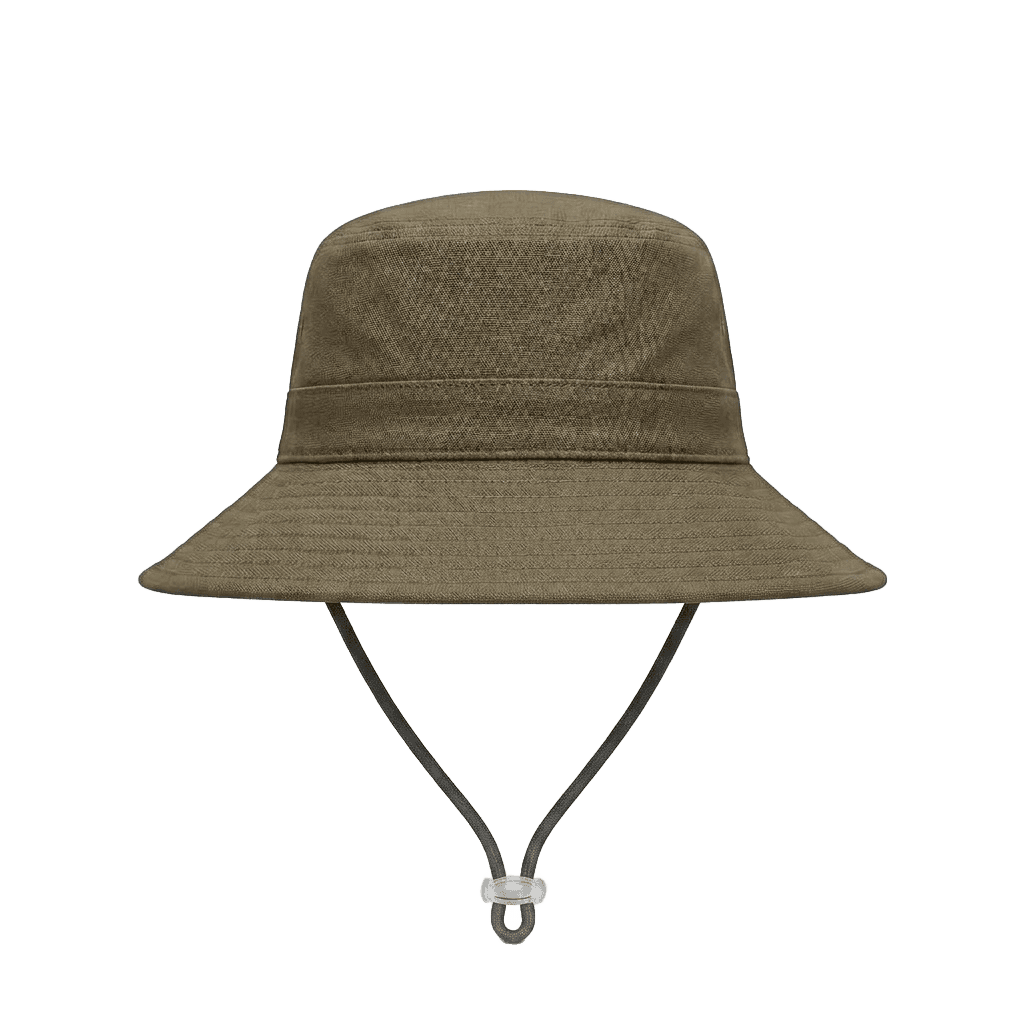
The safari hat deserves specific treatment. Originating in British colonial military and hunting expeditions of the late 19th and early 20th centuries, the safari hat became a global workwear and outdoor category. The modern cotton canvas safari hat -- khaki or olive twill, structured brim (70-90mm), ventilation eyelets, adjustable chin strap -- is made at a headwear factory, not a millinery. It is the most accessible wide-brim construction for an independent creator: simple panels, no blocking required, strong outdoor and adventure positioning, and high social media visibility.
The straw hat category is distinct. Natural straw -- toyo, papyrus, toquilla palm, wheat straw, raffia -- is woven into a flat braid that is then blocked or sewn into a hat shape. This requires a straw hat specialist. Production is concentrated in China for accessible commercial straw, Ecuador for genuine Panama provenance, Italy for premium straw, and Mexico and Morocco for raffia and palm. If a creator wants a genuine Panama story, Ecuador is the only correct answer.
The packable wide-brim hat -- UPF-rated nylon or cotton, crushable brim with wire or flexible stiffener, stuff-sack packaging -- is one of the fastest-growing DTC headwear categories, driven by travel and sun-awareness trends. Brands like Lack of Color, Brixton, and Janessa Leone have built significant businesses on the wide-brim category specifically.
FAQ
Sewn: panels of fabric cut and stitched together, brim interlining inserted by sewing machine. Made at a cap factory. Cotton, linen, nylon. Blocked: the hat is formed by stretching material (straw braid, felt, fabric) over a wooden or metal hat block using steam and pressure. Made at a millinery or straw specialist factory. These require completely different equipment and different factory briefs.
The safari hat, bush hat, and wide-brim sun hat are all sewn wide-brim constructions. The safari hat specifically refers to the khaki or olive cotton twill version with chin strap and ventilation eyelets -- military and colonial heritage aesthetic. The bush hat is the Australian military equivalent, often with a turned-up brim on one side. The cotton sun hat is a softer, more fashion-forward version with a floppy brim and no chin strap.
No. A Panama hat is a toquilla palm hat woven by hand in Ecuador. Calling a China-made straw hat a Panama hat is a false origin claim and potentially a trade standards violation in the EU and UK. Correct claim: natural straw hat, toyo straw sun hat, blocked straw hat. If you want genuine Panama provenance, source from an Ecuadorian supplier.
UPF (Ultraviolet Protection Factor) 50+ means the fabric blocks 98% or more of UV radiation. To claim UPF 50+, the fabric must be independently tested under a recognised standard such as AS/NZS 4399 or AATCC TM183. Obtain a test report from the fabric supplier or an independent lab. UPF adds strong commercial value for sun hats, wide-brims, and safari hats. Do not claim UPF without a valid test report.
China straw hat factory: 200-500 units for synthetic straw. Ecuador: 50-200 units for genuine toquilla, but lead times are longer and pricing is higher. For a creator's first straw hat, 200 units at a China straw factory using synthetic toyo straw is the correct starting point. Use this to prove the product, then consider a genuine natural straw run at higher volumes.
A safari hat should go to a cap or headwear factory with wide-brim tooling, not a millinery. The same factory that makes baseball caps and bucket hats can usually make a safari hat if they have wide-brim experience. Ask to see wide-brim cap samples from their range before committing. China is the primary source; Portugal works for Made in Europe positioning.
A packable wide-brim hat requires a flexible or wired brim that can be rolled or folded without permanent deformation. Standard construction: nylon or lightweight cotton outer, wire brim insert (0.8-1.2mm coated wire at brim edge), and no rigid interlining. Packable means the hat can be rolled into a stuff sack without creasing. Straw and rigid-brim constructions are not packable. Specify wire gauge and a brim recovery test: roll brim, release, and require it to return flat within 30 seconds.