
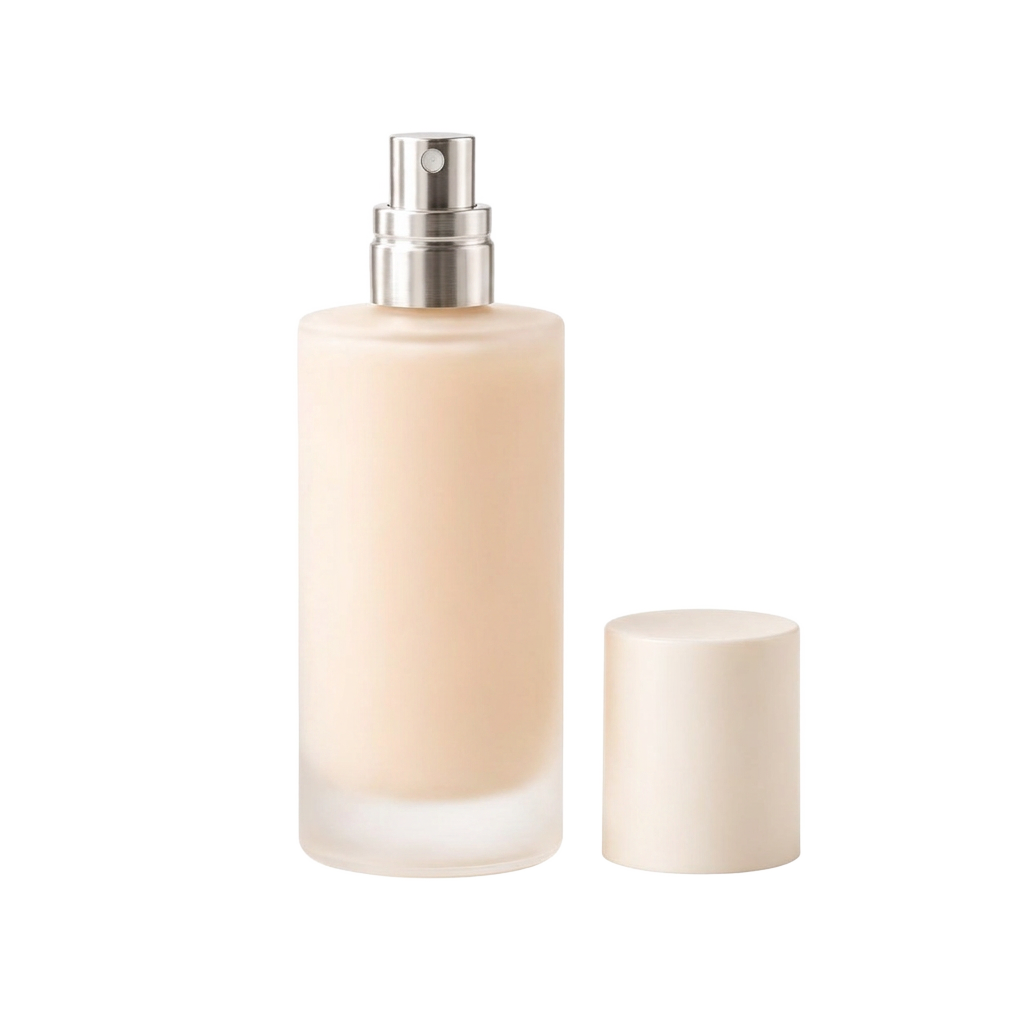
Room Fragrance Spray
A reed diffuser works on the same physical principle as a plant drawing water up through its roots: capillary action pulls scented oil through the porous channels of a reed stick, where it evaporates continuously without ever needing a flame. The format is barely three decades old, commercialized in the 1990s as a flameless, refillable alternative to candles for spaces where an open flame wasn't practical — hotel bathrooms, spa reception areas, anywhere fragrance needed to run unattended for weeks.
The same factories that produce for houses like Celine and Balenciaga can produce this piece, directly to you
GABI
Make it yours
Material gradeMOQ 50
Colour
Room Fragrance Spray
A reed diffuser works on the same physical principle as a plant drawing water up through its roots: capillary action pulls scented oil through the porous channels of a reed stick, where it evaporates continuously without ever needing a flame. The format is barely three decades old, commercialized in the 1990s as a flameless, refillable alternative to candles for spaces where an open flame wasn't practical — hotel bathrooms, spa reception areas, anywhere fragrance needed to run unattended for weeks.
The same factories that produce for houses like Celine and Balenciaga can produce this piece, directly to you
GABI
Make it yours
Material gradeMOQ 50
Colour
A reed diffuser works on the same physical principle as a plant drawing water up through its roots: capillary action pulls scented oil through the porous channels of a reed stick, where it evaporates continuously without ever needing a flame. The format is barely three decades old, commercialized in the 1990s as a flameless, refillable alternative to candles for spaces where an open flame wasn't practical — hotel bathrooms, spa reception areas, anywhere fragrance needed to run unattended for weeks.
Capillary Action, Bottled
The same physical mechanism a plant uses to draw water upward pulls scented oil through a reed stick for continuous, flame-free evaporation.
Rattan reed is more porous and gives a stronger fragrance throw but costs more and varies batch to batch; synthetic fiber reed is cheaper and more consistent, common in larger hospitality fragrance programs.
Fragrance oil is diluted in a carrier before bottling — commonly DPG (dipropylene glycol), an odorless carrier that slows evaporation for a longer-lasting diffuser, while higher-end diffusers sometimes use alcohol-based carriers for a lighter, less oily scent throw.
A room fragrance spray delivers scent on demand (an aerosol or pump mist, useful for turndown service) rather than the slow, continuous release of a diffuser or candle — a genuinely different use case, not just a different format of the same product.
FAQ
A standard reed diffuser with synthetic reeds (China, 300–500 unit run) lands around $3–6; rattan-reed versions run $5–9; a room fragrance spray runs $2–4; a combined gift set (diffuser plus candle or spray) runs $10–18 depending on components.
Rattan is more porous and gives a stronger scent throw but costs more and varies in porosity batch to batch; synthetic fiber is cheaper and delivers more consistent performance, which is why larger hospitality programs often standardize on it.
DPG (dipropylene glycol) is the standard, odorless carrier that slows evaporation for a longer-lasting diffuser; alcohol-based carriers give a lighter, less oily scent throw but evaporate faster, shortening the diffuser's usable life.
No — a spray delivers fragrance on demand for an immediate effect, useful for turndown service or quick refresh, while a diffuser or candle provides slow, continuous ambient scenting. They serve different moments in a guest experience, not the same one at different price points.
Typically 300–500 units per scent and format combination, since fragrance blending is done in batches and bottling or vessel-filling lines need a minimum run to be efficient.
Yes — some carrier oils and most alcohol-based sprays are classified as flammable liquids for freight purposes, which can require different shipping documentation and method than a standard candle or diffuser oil. Confirm the carrier type early, since it affects logistics cost and lead time.
Reed diffusers and fragrance oils generally fall under HS 3307; aerosol or pump sprays may fall under a different subheading depending on propellant type. Confirm per SKU, as carrier and delivery format both affect classification.


