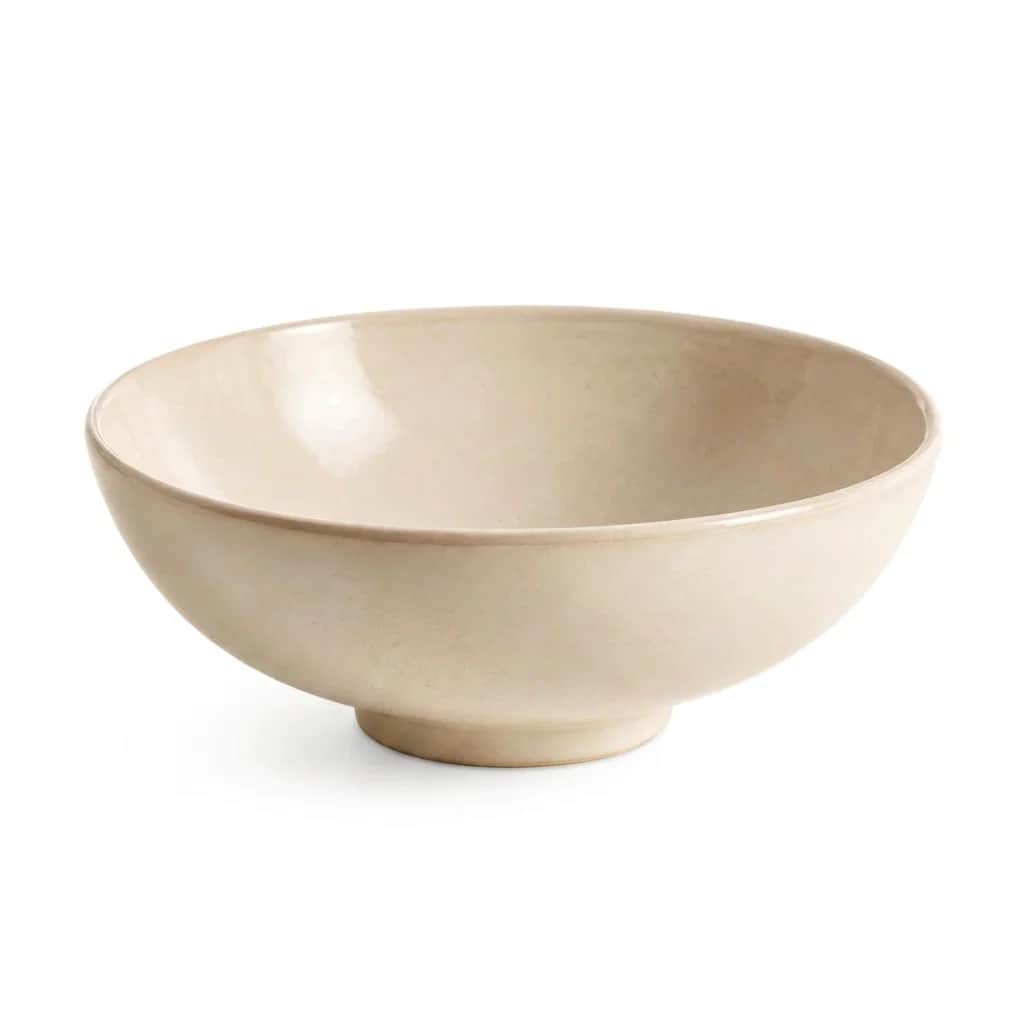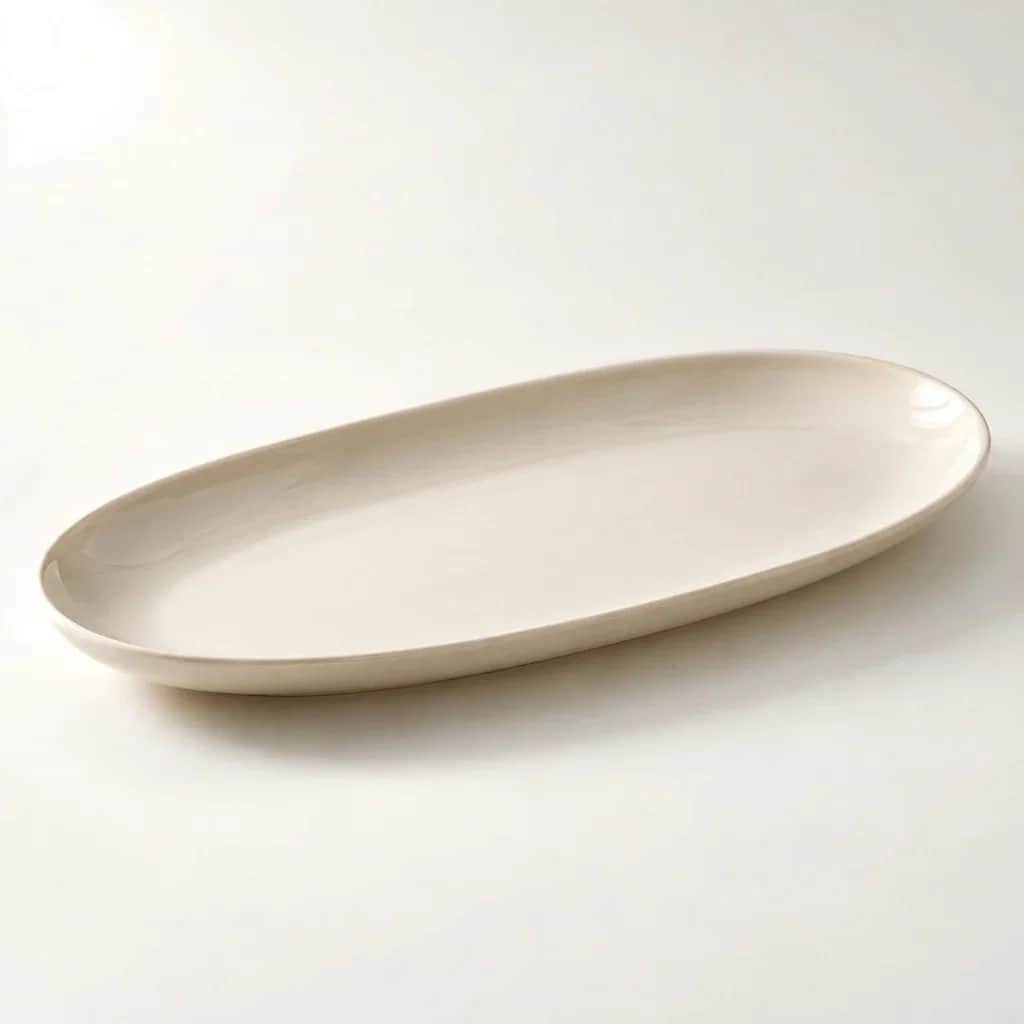
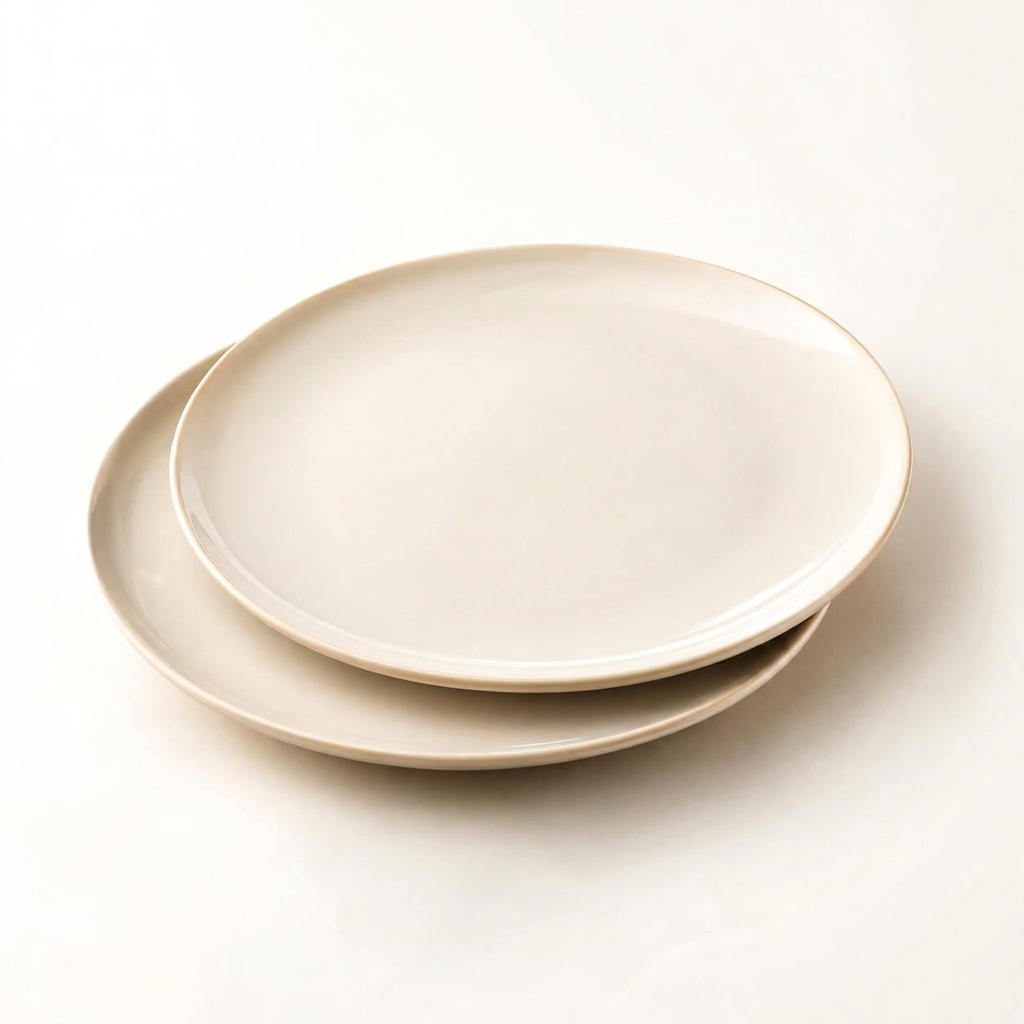
Dinner Plate
Bone china, translucent, glowing white porcelain that's still considered the top grade of English dinnerware, gets its name and its strength from an ingredient that sounds more like a butcher's byproduct than a luxury material: actual bone ash, mixed into the clay body by Josiah Spode in the late 18th century specifically to solve a durability problem regular porcelain couldn't. The formula worked so well it's barely changed since.
The same factories that produce for houses like Celine and Balenciaga can produce this piece, directly to you
GABI
Make it yours
Material gradeMOQ 50
Colour
Dinner Plate
Bone china, translucent, glowing white porcelain that's still considered the top grade of English dinnerware, gets its name and its strength from an ingredient that sounds more like a butcher's byproduct than a luxury material: actual bone ash, mixed into the clay body by Josiah Spode in the late 18th century specifically to solve a durability problem regular porcelain couldn't. The formula worked so well it's barely changed since.
The same factories that produce for houses like Celine and Balenciaga can produce this piece, directly to you
GABI
Make it yours
Material gradeMOQ 50
Colour
Bone china, translucent, glowing white porcelain that's still considered the top grade of English dinnerware, gets its name and its strength from an ingredient that sounds more like a butcher's byproduct than a luxury material: actual bone ash, mixed into the clay body by Josiah Spode in the late 18th century specifically to solve a durability problem regular porcelain couldn't. The formula worked so well it's barely changed since.
An Odd Ingredient That Solved a Durability Problem
Josiah Spode's addition of bone ash to porcelain's clay body created a stronger, more translucent material that remains the top dinnerware grade today.
Stoneware is thicker and more chip-resistant at a lower cost, suited to everyday and commercial use; porcelain is thinner and more refined but more fragile; bone china is the most translucent and durable of the three despite its delicate appearance.
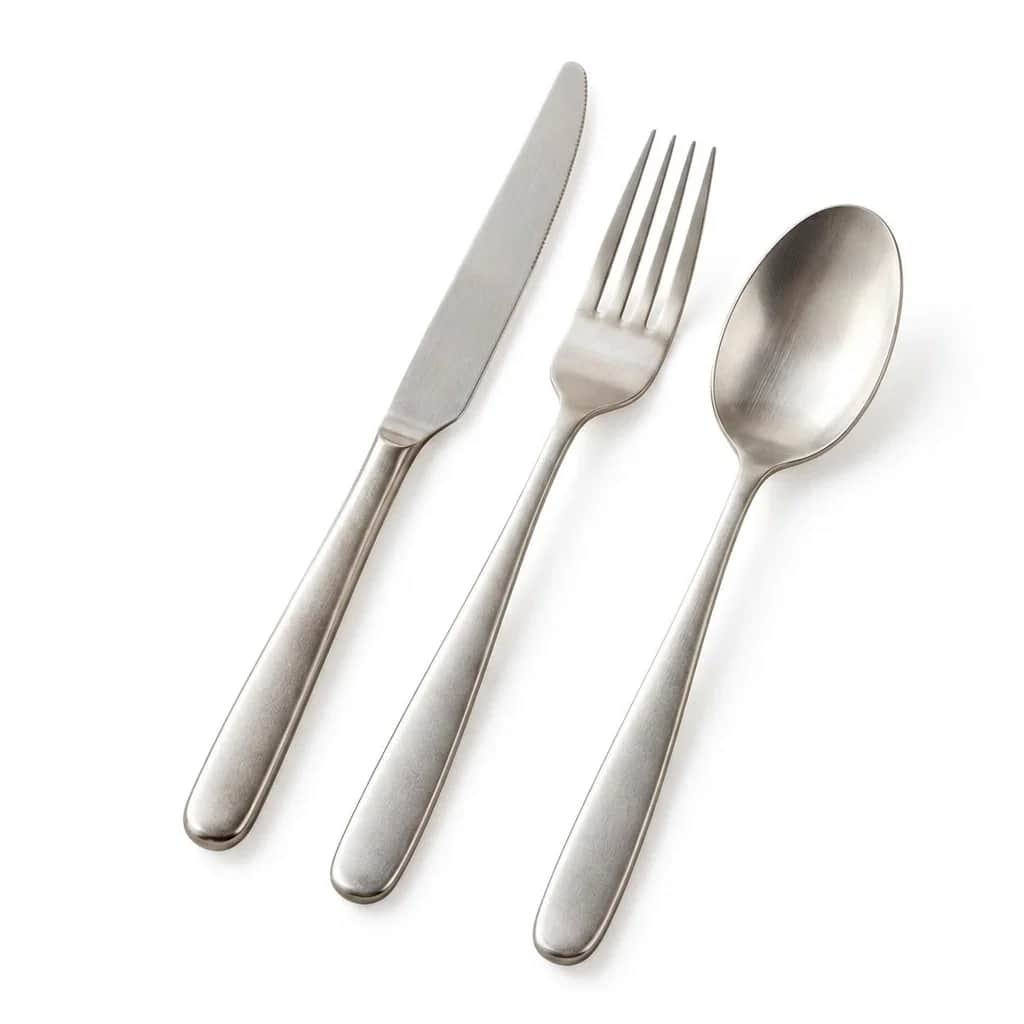
Cutlery steel grade is specified by a number like 18/10, referring to chromium and nickel content, which determines both corrosion resistance and the weight and feel of the piece.
Restaurant and hospitality dinnerware is specified for chip resistance and stackability, often with a reinforced rolled edge, far more than home dinnerware, since it's stacked and handled at a much higher frequency.
FAQ
A stoneware dinner plate or bowl (China, 500-unit run) lands around $2–4; porcelain runs $4–7; bone china runs $8–15. A basic 18/10 stainless cutlery set runs $6–12 per setting.
Stoneware for everyday durability and lower cost, especially in commercial settings; porcelain for a more refined home or hospitality look at moderate cost; bone china for the most premium, translucent presentation at the highest cost and fragility.
The numbers refer to the percentage of chromium and nickel in the stainless steel alloy; higher numbers generally mean better corrosion resistance and a heavier, higher-quality feel. Specify the grade explicitly, since "stainless steel cutlery" alone doesn't guarantee quality.
Typically 300–500 units per piece and glaze color, since ceramic firing is done in kiln batches that need a minimum run to be efficient.
Ask about chip resistance at the rim and stackability under repeated handling, since commercial dinnerware is stacked and moved far more often than home dinnerware and needs a reinforced edge to hold up.
Yes — glazes must be certified food-safe and lead-free for the target market; confirm this certification explicitly, as glaze composition varies by manufacturer and market requirements differ by country.
Ceramic dinnerware falls under HS 6911 (porcelain/bone china) or HS 6912 (other ceramic); stainless steel cutlery falls under HS 8215. Confirm per SKU, since ceramic grade affects the specific subheading.