Serving Platter
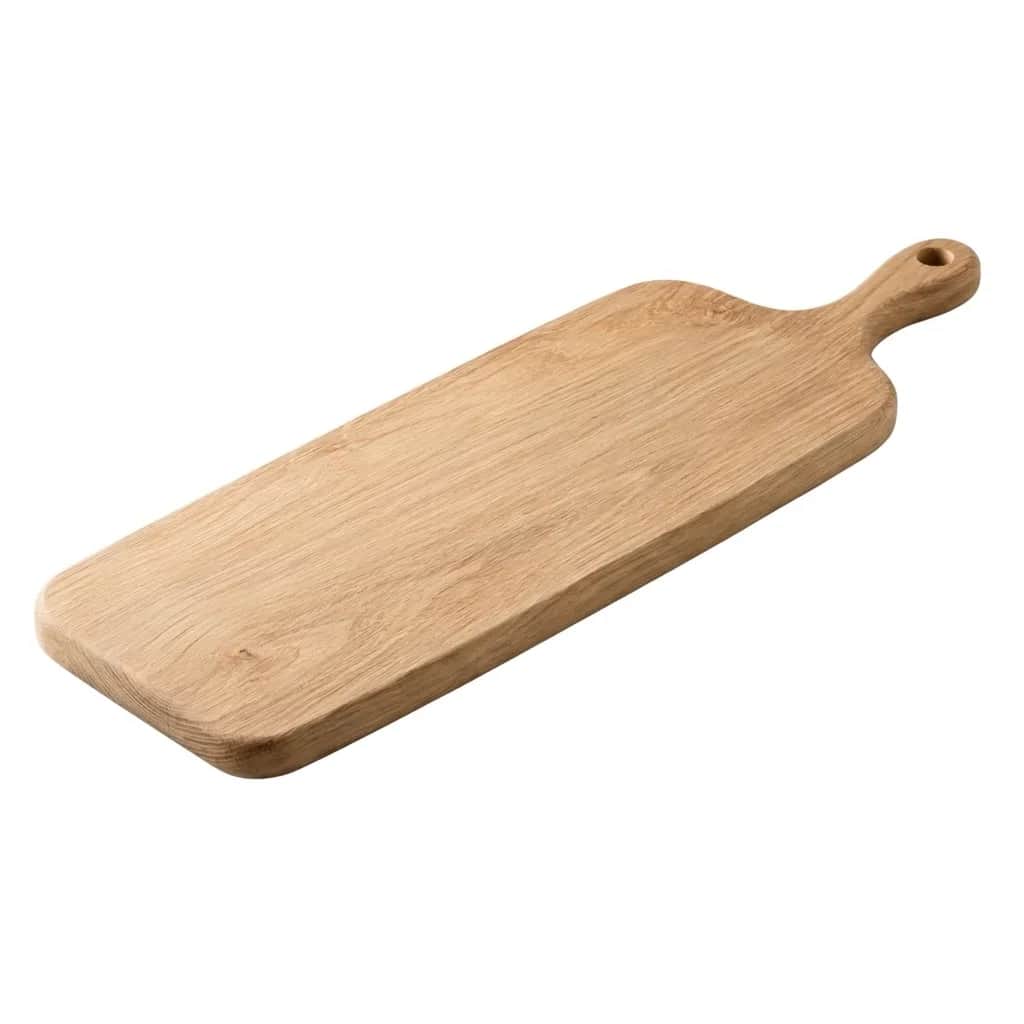
A wooden serving board and a kitchen cutting board are the same object with different jobs assigned to them; nothing about the wood construction distinguishes a board meant for the table from one meant for the counter. What changed is presentation expectations: the specific idea of bringing a wide, styled board of food directly to a table, the modern charcuterie or grazing board, is largely a 2010s social-media-driven convention, even though the boards themselves could have existed a century earlier.
The same factories that produce for houses like Celine and Balenciaga can produce this piece, directly to you
GABI
Make it yours
Material gradeMOQ 50
Colour
Serving Platter
A wooden serving board and a kitchen cutting board are the same object with different jobs assigned to them; nothing about the wood construction distinguishes a board meant for the table from one meant for the counter. What changed is presentation expectations: the specific idea of bringing a wide, styled board of food directly to a table, the modern charcuterie or grazing board, is largely a 2010s social-media-driven convention, even though the boards themselves could have existed a century earlier.
The same factories that produce for houses like Celine and Balenciaga can produce this piece, directly to you
GABI
Make it yours
Material gradeMOQ 50
Colour
A wooden serving board and a kitchen cutting board are the same object with different jobs assigned to them; nothing about the wood construction distinguishes a board meant for the table from one meant for the counter. What changed is presentation expectations: the specific idea of bringing a wide, styled board of food directly to a table, the modern charcuterie or grazing board, is largely a 2010s social-media-driven convention, even though the boards themselves could have existed a century earlier.
Presentation, Not Construction, Is What's New
The charcuterie board trend is a recent shift in how food is presented, not a new type of object.
Hardwoods like acacia and walnut, along with bamboo (technically a grass, not a wood), each offer different durability, water resistance, and grain appearance, with bamboo prized for its fast growth and natural moisture resistance.
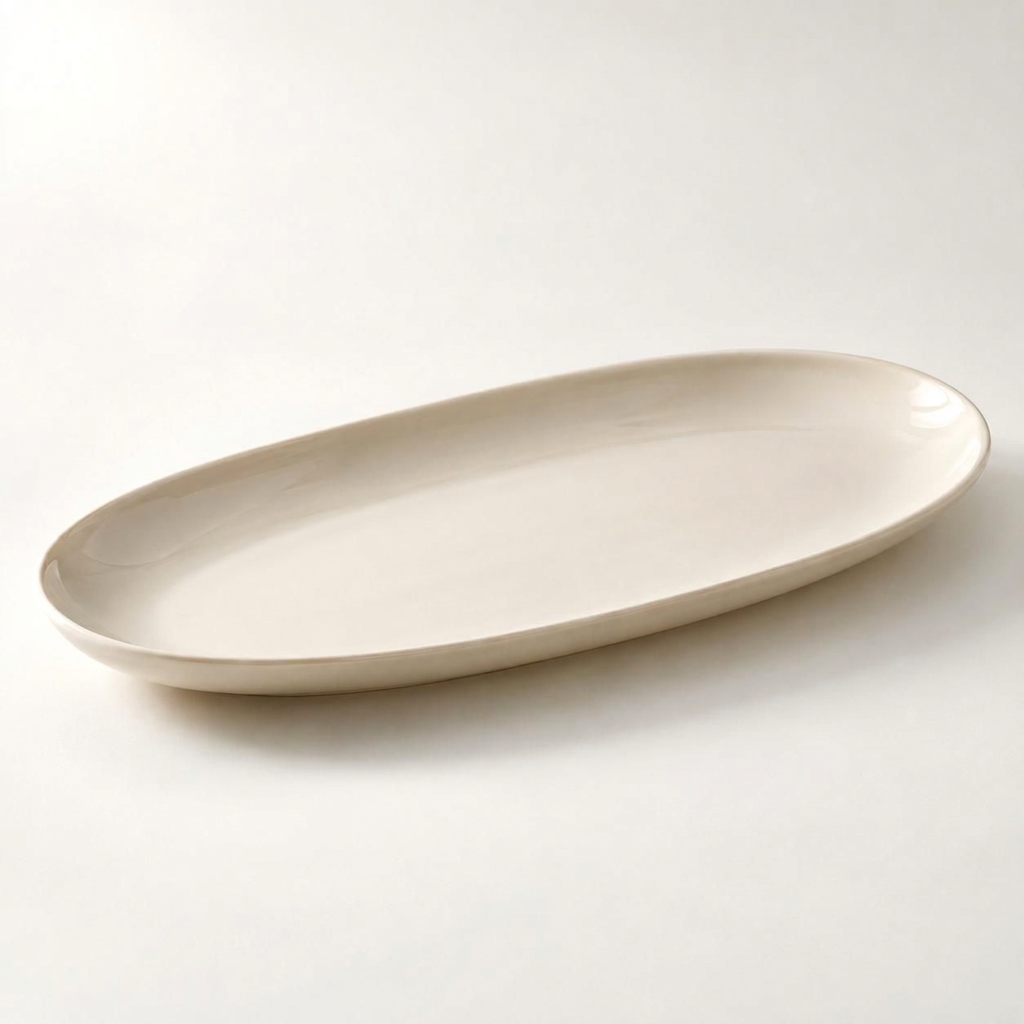
Ceramic or stoneware platters hold heat and cold better than wood for actual food temperature retention during service, while wood and slate read as more rustic and presentation-focused.
A serving board needs a food-safe oil finish, mineral oil or beeswax-based, rather than a standard furniture varnish, which would leach into food; this finish needs periodic reapplication, unlike a sealed platter.
FAQ
A bamboo serving board (China, 300–500 unit run) lands around $4–8; a solid hardwood (acacia or walnut) board runs $8–16; a ceramic or stoneware serving platter runs $6–14 depending on size and glaze.
Acacia and walnut for a denser, more premium hardwood feel at higher cost; bamboo for a lighter, more sustainable, naturally moisture-resistant option at lower cost.
Wood and slate for a rustic, visual presentation where the platter itself is part of the styling; ceramic when actual food temperature retention (keeping something warm or cold longer) matters more than visual rusticity.
Typically 300–500 units per wood type and size, since wood cutting and finishing are done in batches that need volume to be efficient.
Mineral oil or a beeswax-based finish, both food-safe and non-toxic if ingested in trace amounts; never a standard furniture varnish or polyurethane, which isn't food-safe and can leach into food.
Yes — a food-safe oil finish wears down with washing and use over time and needs periodic reapplication to maintain water resistance; this should be communicated as basic care guidance rather than treated as a defect.
Wooden serving boards fall under HS 4419; bamboo pieces may fall under HS 4602 or 4419 depending on construction; ceramic platters fall under HS 6911/6912. Confirm per SKU based on material.